'%3E%3Cpath%20fill='%231B2A47'%20d='M1.605%2016.263c.03-1.139.059-2.482.088-3.971.03-1.49.03-2.832.03-4.03%200-.758%200-1.576-.03-2.51%200-.905-.03-1.84-.03-2.803%200-.496-.028-.964-.028-1.43%200-.468%200-.906-.03-1.315h6.858q2.188%200%203.589.35c.963.234%201.663.643%202.13%201.198.496.555.73%201.372.73%202.394%200%20.788-.176%201.46-.497%201.985-.32.526-.846.935-1.575%201.197-.73.292-1.693.468-2.918.526v.263c1.313.087%202.334.263%203.122.525.758.263%201.342.672%201.692%201.197.35.526.525%201.197.525%202.044%200%201.08-.233%201.927-.67%202.57-.468.642-1.139%201.08-2.102%201.343-.933.262-2.159.408-3.705.408H1.605zm6.537-9.197q1.882%200%202.713-.526c.555-.35.817-.934.817-1.752%200-.905-.292-1.547-.846-1.927s-1.459-.554-2.655-.554H4.757v4.759zm.204%206.92c.934%200%201.663-.088%202.217-.263.555-.176.934-.438%201.197-.818s.38-.876.38-1.518c0-.876-.322-1.49-.934-1.84-.643-.35-1.635-.525-3.035-.525H4.757v4.963zM21.038%2016.555c-1.576%200-2.801-.292-3.618-.905-.817-.614-1.284-1.519-1.372-2.745-.087-1.226.205-2.774.847-4.613s1.43-3.358%202.392-4.584c.963-1.226%202.043-2.131%203.298-2.744C23.839.292%2025.24%200%2026.786%200c1.576%200%202.772.321%203.59.934.816.613%201.283%201.548%201.37%202.774s-.203%202.774-.845%204.613c-.642%201.81-1.43%203.358-2.393%204.584s-2.072%202.132-3.297%202.745a9.8%209.8%200%200%201-4.173.905m.788-2.278c.642%200%201.138-.058%201.371-.116.205-.059.496-.117.847-.322.262-.146.437-.292.554-.408.204-.175.32-.292.438-.41.204-.203.35-.408.496-.583.35-.438.642-.876.963-1.402.233-.408.466-.817.67-1.284.205-.438.38-.905.555-1.372.438-1.198.671-2.278.671-3.183s-.204-1.606-.612-2.131c-.409-.497-1.051-.76-1.897-.76-.467%200-.934.059-1.43.205h-.03c-1.02.292-1.925%201.226-2.042%201.372-.116.117-.467.526-.963%201.343a15.5%2015.5%200%200%200-1.342%202.92c-.408%201.197-.642%202.277-.671%203.182-.03.906.175%201.636.584%202.161q.611.788%201.838.788M14.853%2038.54c-1.576%200-2.802-.292-3.619-.905s-1.284-1.518-1.371-2.744c-.088-1.227.204-2.774.846-4.614s1.43-3.357%202.393-4.584%202.042-2.13%203.297-2.744c1.255-.613%202.655-.905%204.173-.905%201.575%200%202.772.321%203.589.934s1.284%201.548%201.371%202.774c.088%201.226-.204%202.774-.846%204.613-.642%201.81-1.43%203.358-2.393%204.584s-2.072%202.131-3.297%202.745c-1.226.613-2.626.846-4.143.846m.787-2.277c.642%200%201.138-.059%201.372-.117.204-.058.496-.117.846-.321.263-.146.438-.292.554-.409.205-.175.321-.292.438-.409.204-.204.35-.408.496-.584a13%2013%200%200%200%201.634-2.686c.204-.438.38-.905.555-1.372.437-1.197.67-2.277.67-3.182%200-.906-.203-1.606-.612-2.132-.409-.496-1.05-.759-1.897-.759-.467%200-.934.058-1.43.204h-.029c-1.021.292-1.925%201.227-2.042%201.373-.117.116-.467.525-.963%201.343a15.5%2015.5%200%200%200-1.342%202.92c-.409%201.196-.642%202.277-.671%203.182s.175%201.635.583%202.16q.613.789%201.838.789'/%3E%3Cpath%20fill='%23FF515E'%20d='M55.966%2038.57c-1.576%200-2.801-.293-3.618-.906s-1.284-1.518-1.372-2.744c-.087-1.227.204-2.774.846-4.613s1.43-3.358%202.393-4.584c.963-1.227%202.043-2.132%203.297-2.745s2.656-.905%204.173-.905c1.576%200%202.772.321%203.589.934s1.284%201.548%201.371%202.774c.088%201.226-.204%202.774-.846%204.613-.642%201.81-1.43%203.358-2.393%204.584s-2.071%202.131-3.297%202.745c-1.225.613-2.626.846-4.143.846m.788-2.249c.642%200%201.138-.058%201.371-.117.204-.058.496-.116.846-.32.263-.147.438-.293.555-.41a7%207%200%200%200%20.437-.408c.205-.205.35-.41.496-.584a13%2013%200%200%200%201.634-2.686c.205-.438.38-.905.555-1.373.438-1.197.671-2.277.671-3.182s-.204-1.606-.613-2.131c-.408-.497-1.05-.76-1.896-.76-.467%200-.934.059-1.43.205h-.03c-1.02.292-1.925%201.226-2.042%201.372-.117.117-.467.526-.963%201.343a15.5%2015.5%200%200%200-1.342%202.92c-.409%201.197-.642%202.277-.671%203.182s.175%201.635.583%202.16q.614.79%201.839.79'/%3E%3Cpath%20fill='%231B2A47'%20d='M33.06%2016.263c0-.35%200-.935.03-1.81.029-1.051.058-2.103.058-3.154s.03-2.073.03-3.007c0-1.606-.03-3.27-.06-4.993%200-.554-.028-1.08-.028-1.606%200-.525-.03-1.021-.03-1.46h6.828c1.46%200%202.685.117%203.59.38q1.4.394%202.1%201.314.7.963.7%202.628c0%20.992-.174%201.81-.554%202.452-.35.643-.904%201.11-1.604%201.431s-1.576.467-2.627.496v.263q2.058.087%203.064.876c.671.525%201.138%201.372%201.43%202.51.087.41.233%201.023.467%201.84.233.818.408%201.431.554%201.84h-3.414a11%2011%200%200%200-.262-1.022c-.321-1.314-.526-2.19-.584-2.628a5%205%200%200%200-.642-1.46%202.13%202.13%200%200%200-.963-.73c-.408-.146-.934-.233-1.605-.233h-3.326v6.0440000000000005H33.06zm6.332-8.292c1.343%200%202.276-.205%202.86-.613.554-.41.846-1.11.846-2.073%200-.73-.146-1.314-.408-1.723-.263-.409-.671-.7-1.197-.876q-.788-.263-2.1-.263h-3.181v5.519h3.18zM49.4%2016.263l.03-2.745c.029-2.452.029-4.905.029-7.416q0-2.101-.088-5.868h4.085l5.924%2010.335c.087.234.204.438.291.643.117.204.205.408.321.613.38.788.613%201.255.672%201.372h.262c0-.058-.03-.146-.03-.204%200-.059-.028-.117-.028-.175a75%2075%200%200%201-.175-1.314%2010%2010%200%200%201-.088-1.285c0-1.547%200-3.737-.029-6.57V1.84c0-.584-.03-1.11-.03-1.576h2.977c-.03%202.482-.058%205.08-.058%207.766%200%201.694%200%204.438.029%208.292h-4.027l-5.573-9.43c-.875-1.81-1.226-2.511-1.05-2.132-.263-.613-.467-1.08-.613-1.46h-.263c.058.35.117.876.175%201.548.059.7.117%201.168.117%201.46%200%202.978%200%206.306.029%209.985H49.4zM4.698%2038.277c.029-2.627.058-5.255.058-7.883%200-1.576%200-3.503-.029-5.752-1.109%200-2.684%200-4.727.03v-2.453h12.664v2.453c-1.955-.03-3.53-.03-4.756-.03%200%20.584-.03%201.227-.03%201.957s0%201.46-.029%202.218v1.84c0%202.57.03%205.11.059%207.62z'/%3E%3Cpath%20fill='%23FF515E'%20d='M29.441%2038.277c.409-1.05.788-2.102%201.168-3.182s.787-2.16%201.167-3.241c.613-1.693%201.05-2.949%201.342-3.766l1.255-3.65c.116-.38.262-.788.379-1.139.117-.38.263-.73.38-1.05h4.61l-.671%2012.904h.262l8.316-12.905h4.669l-.7%201.869c-.876%202.452-1.343%203.766-1.43%204a501%20501%200%200%200-3.385%2010.16h-2.947c.292-.846.788-2.219%201.459-4.087.175-.526.35-1.08.554-1.606.175-.526.38-1.08.555-1.577.642-1.81%201.342-3.825%202.072-6.014h-.234l-8.724%2013.314h-2.86l.554-13.314h-.175c-.175.496-.38.992-.554%201.489-.175.496-.38%201.022-.555%201.547a163%20163%200%200%200-1.08%203.008c-.145.38-.262.759-.408%201.138-.117.38-.262.73-.408%201.11-.7%201.898-1.284%203.59-1.751%205.05h-2.86zM68.047%2038.277c.175-2.19.32-4.525.467-7.007.058-.905.204-3.912.467-9.051h3.151c-.03.438-.058.934-.088%201.46s-.058%201.08-.087%201.693a264%20264%200%200%201-.409%206.657c-.145%201.986-.35%203.591-.583%204.788h.175Q72.147%2034.892%2073.94%2032a562%20562%200%200%201%204.465-7.066c.32-.496.641-.992.933-1.46s.555-.875.817-1.255h3.268q-.568.832-1.138%201.752c-.408.613-.787%201.255-1.196%201.927-3.88%206.014-6.478%2010.131-7.85%2012.35h-5.193zM79.106%2038.277c.32-.788.758-2.014%201.37-3.65a287%20287%200%200%200%201.577-4.32c.437-1.256.904-2.628%201.4-4.088s.934-2.774%201.313-3.97h11.322l-.846%202.364H87.1l-1.664%204.847%207.645-.088-.612%201.694-7.587-.088-1.75%204.934h8.286l-.846%202.365z'/%3E%3C/g%3E%3Cdefs%3E%3CclipPath%20id='a'%3E%3Cpath%20fill='%23fff'%20d='M0%200h96v40H0z'/%3E%3C/clipPath%3E%3C/defs%3E%3C/svg%3E)
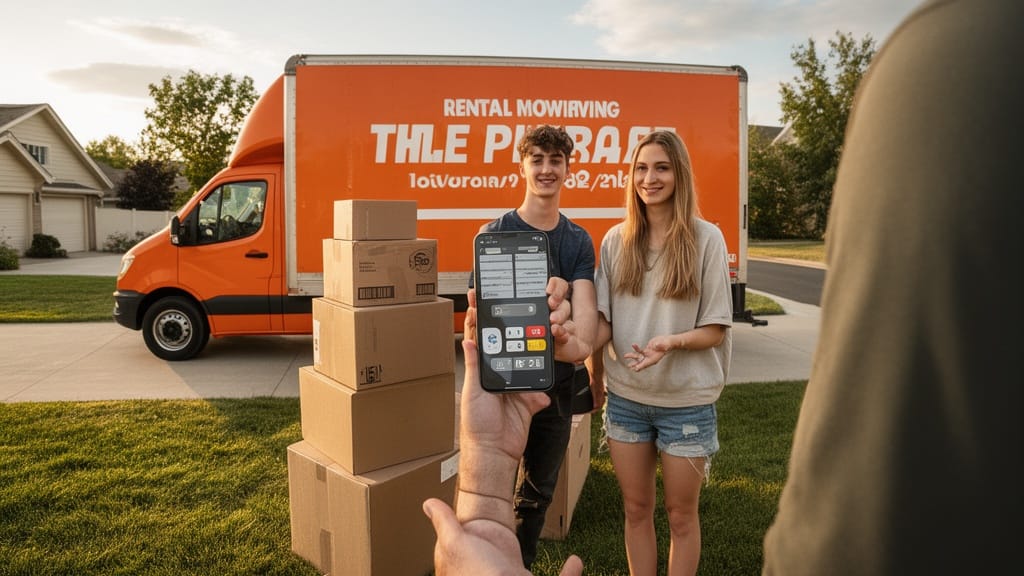
A U-Haul move costs far more than its advertised base rate because the final bill stacks a daily rental charge, per-mile mileage, fuel, insurance, equipment rentals, an environmental fee, and tax. A typical local move totals in the low-to-mid hundreds of dollars; a one-way move across states commonly reaches four figures. Understanding the true u-haul move cost means reading every line, not just the number on the billboard.
Most articles quote U-Haul's headline rate and stop. This one builds the full stacked total, line by line, so you can compare do-it-yourself against professional movers with real numbers.
Key Takeaways
| Point | Details |
|---|---|
| The base rate is a fraction of the total | U-Haul's advertised in-town rates start with a low daily charge for a 10' truck, before mileage, fuel, and fees, per U-Haul's truck rental rates. |
| Mileage adds up fast | In-town rentals add a per-mile charge on top of the daily rate, per U-Haul. |
| Fuel is the underestimated line | Large U-Haul trucks average about 10 mpg; at current national average gas prices, fuel scales quickly on long hauls, per the EIA. |
| Add-ons are stackable | Safemove insurance, a moving dolly, furniture pads, and the environmental fee are each billed separately. |
| DIY isn't always cheaper | Compare the line-item total against how much movers actually cost before deciding. |
What U-Haul's Advertised Price Actually Covers (And What It Doesn't)

The advertised price covers one thing: the daily truck rental. It does not include mileage, fuel, insurance, equipment, taxes, or the environmental fee. That is why the sticker rate and the final receipt rarely match.
Here's the thing: the price U-Haul advertises is a base fare for the smallest in-town truck. Everything that makes a move actually happen is priced separately.
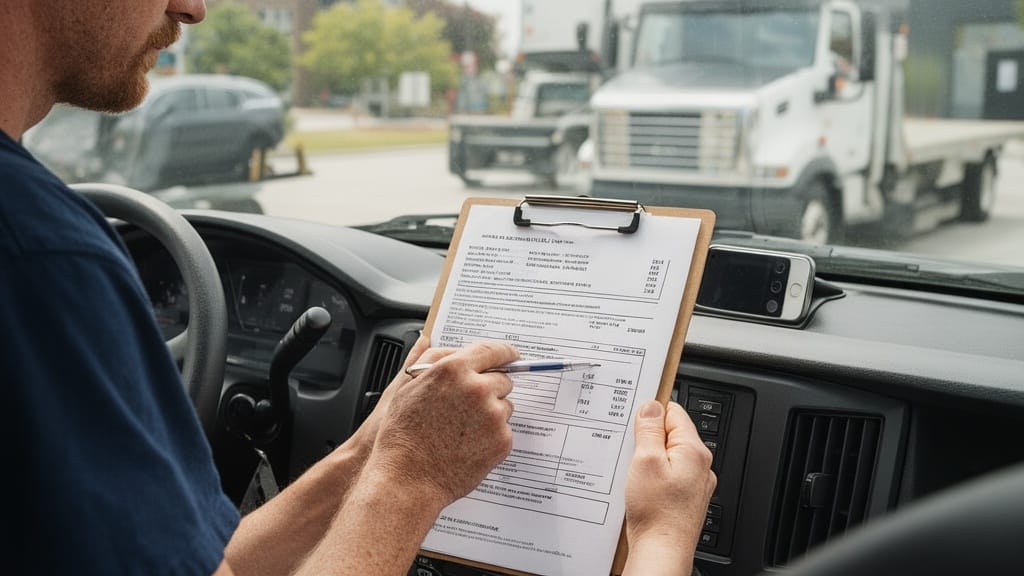
What the base rate excludes:
- Mileage — billed per mile on in-town rentals.
- Fuel — you return the truck refueled or pay a steep fill charge.
- Insurance — Safemove and SafemovePlus are optional add-ons.
- Equipment — the moving dolly and furniture pads cost extra.
- Environmental fee and tax — small line items that still hit the total.
So the honest answer to how much does a u-haul cost is: the base rate plus five or six more lines. Read them before you sign.
Base Rental Rates by Truck Size
U-Haul's advertised in-town base rates scale with truck size. These figures come from U-Haul's published truck rental rates and exclude mileage, fuel, and add-ons.
| Truck Size | Best For |
|---|---|
| 10' | Studio or one room |
| 15' | 1–2 bedrooms |
| 20' | 2–3 bedrooms |
| 26' | 3–4 bedrooms |
The base rates above reflect U-Haul's advertised in-town pricing and vary by market and demand. The u-haul rental price you see online is a starting point, not a quote.
Q: How much does it cost to rent a U-Haul for a day?
A: In-town daily base rates rise with truck size, with the 10' truck the cheapest and the 26' truck the most expensive, before mileage and fees, per U-Haul's advertised rates.
That gap between base rate and final cost is exactly why the sticker number misleads first-timers.
How U-Haul Mileage Charges Really Add Up
On in-town (local) rentals, U-Haul charges a per-mile fee on top of the daily rate. That per-mile charge typically varies, per U-Haul, depending on truck size and market.
Do the math on a short local move. On a 40-mile round trip, the per-mile charge adds up quickly — often to more than the truck's base rate itself.
The u-haul mileage fee is where DIY movers get surprised. Odometer readings are taken at pickup and return, so every mile counts, including detours and second trips.
Pro Tip: Photograph the odometer at pickup and again at drop-off. A time-stamped photo is your best defense if the mileage on your receipt doesn't match the truck's actual reading.
One-way rentals work differently, which we cover below.
Fuel: The Cost Most People Underestimate
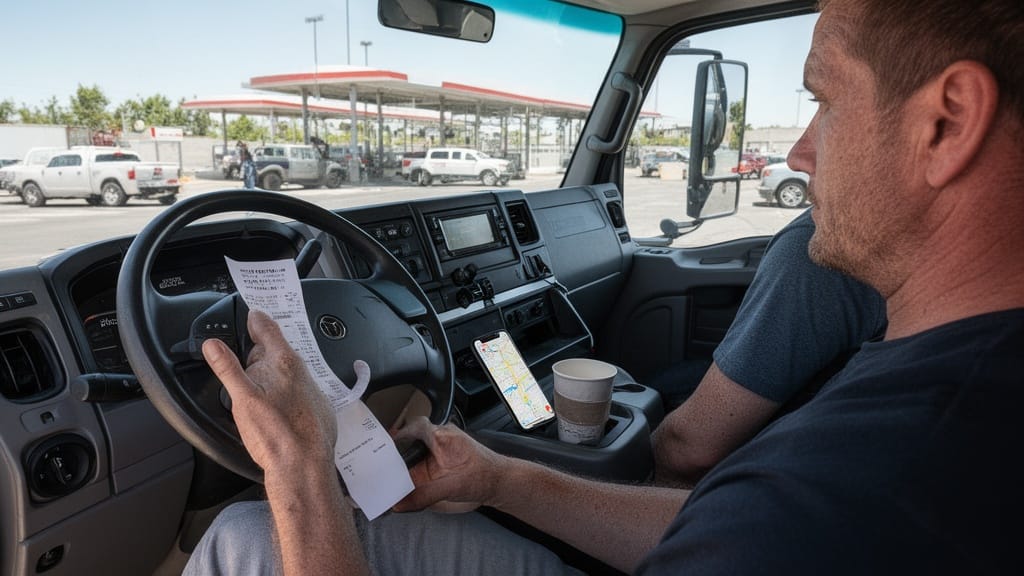
Fuel is the line item that quietly doubles a long move. Large U-Haul trucks average roughly 10 miles per gallon, per U-Haul, and they run on regular unleaded.

Here's a simple u-haul fuel cost estimate. A 300-mile trip in a 15' truck at 10 mpg burns about 30 gallons. At the U.S. national average price per gallon, per the U.S. Energy Information Administration, that adds up quickly in fuel alone.
Q: How many miles per gallon does a U-Haul get?
A: U-Haul's larger trucks (15'–26') average about 10 mpg; the 10' truck does slightly better at roughly 12 mpg, per U-Haul.
Pro Tip: Return the truck with the fuel gauge at or above where you started. U-Haul's refueling charge and per-gallon rate almost always exceed the pump price, so top off at a station near the drop-off.
Born to Move can help: If tallying mileage, fuel, and fees feels like a second job, Born to Move offers an all-inclusive hourly rate with a guaranteed price and no surprise charges. Learn more →
The Fees Nobody Warns You About (Insurance, Equipment, Taxes)
The hidden u-haul fees live in the add-ons. None are technically hidden — they're just easy to skip past during a fast online checkout.
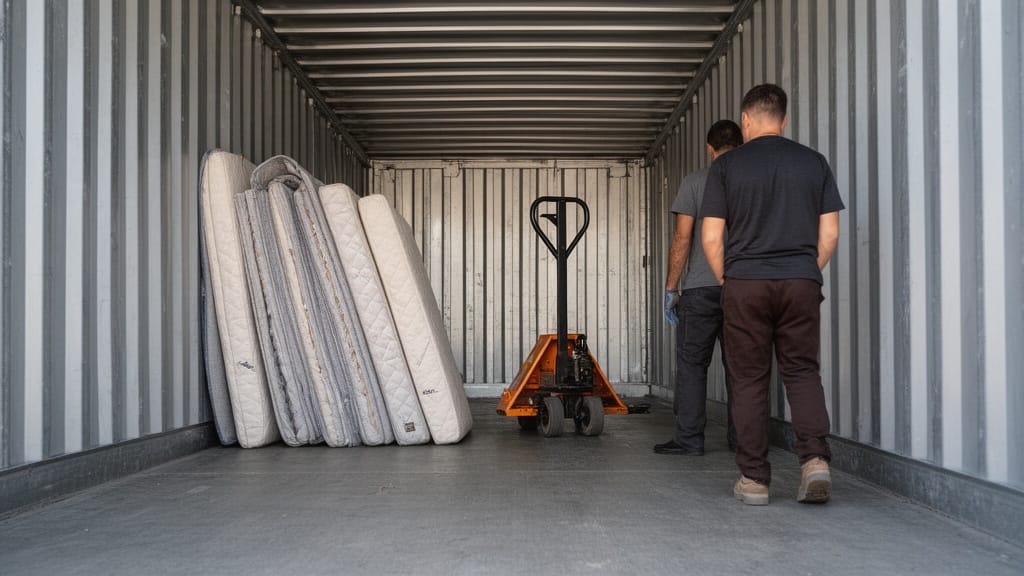
The most common extras, per U-Haul:
- Safemove — damage and cargo coverage, typically charged as a daily add-on.
- SafemovePlus — broader coverage with higher limits, charged at a daily rate.
- Moving dolly — priced per day.
- Furniture pads — usually sold by the dozen.
- U-Haul environmental fee — a small recovery charge added to each rental.
The u-haul insurance cost is optional. Check whether your credit card or homeowner's policy already extends coverage to rental trucks before you buy Safemove or SafemovePlus.
Pro Tip: Skip the equipment rental if you already own a hand truck and blankets. Bringing your own moving dolly and furniture pads can trim the cost of a single-day rental — money better spent on fuel.
Add tax on top of all of it, and the true cost to rent a u-haul truck lands well above the advertised base.
Local Move vs. One-Way Move: How Pricing Changes

The pricing model flips depending on the move type. An in-town rate bills a daily charge plus per-mile mileage. A one-way rate bundles a fixed number of days and miles into a single flat fee.
| Factor | In-Town (Local) | One-Way |
|---|---|---|
| Rate structure | Daily rate + per mile | Flat rate, fixed days & miles |
| Base rate | Charged per day | Varies by route |
| Mileage | Charged per mile | Included allotment |
| Truck return | Same location | Drop at destination |
| Best for | Short local moves | Long-distance relocation |
Q: Does a one-way U-Haul charge per mile?
A: No. One-way rentals bundle a fixed mileage allotment into a flat rate, so you won't see a separate per-mile line — but exceeding the allotment triggers overage charges, per U-Haul.
All rate figures above are U-Haul's and vary by season, route, and demand. For a deeper look at DIY logistics, compare full-service movers versus DIY truck rentals.
A Realistic Total-Cost Example for a Typical Move
Here's a worked line-item total for a small local move: a 15' truck, one day, 40 miles round trip. All rates are U-Haul's published figures, with fuel priced at the EIA national average.
The estimate covers the 15' truck base (1 day), mileage for 40 mi, about 4 gal of fuel, Safemove insurance (1 day), a moving dolly and furniture pads, and the U-Haul environmental fee, for an estimated total (before tax) of ~$120.
That is roughly six times the figure many renters start with in mind. Scale it to a one-way move of a few hundred miles and the total commonly climbs much higher once fuel and the flat one-way rate combine.
These are illustrative estimates built from published rates, not a quote. Your actual u-haul move cost shifts with route, season, and how much equipment you add.
When a U-Haul Costs More Than Hiring Movers
DIY is not automatically cheaper. Once you add your own labor, fuel, and the real risk of damaged furniture, a professional crew can win on both cost and time.
Consider the comparison honestly. A local moving company like Born to Move quotes tiered crews — 2 movers at $120/hr, 3 movers at $170/hr, or 4 movers at $210/hr, each with a 3-hour minimum including travel time — with furniture wrapping, floor protection, and a guaranteed price built in, per Born to Move's published rates.
A DIY rental shifts loading, driving, and liability onto you. For a labor-heavy move, three professionals for three hours can finish faster than one exhausted person shuttling a truck alone.
Run both totals before deciding. Weigh the line-item rental against local moving service prices and factor in the value of your own time.
How much does it cost to rent a U-Haul for one day?
A single-day in-town rental starts at U-Haul's advertised base rate for a 10' truck and rises for larger sizes up to a 26' truck, per U-Haul. That daily figure excludes mileage, fuel, insurance, and equipment. Once you add a per-mile charge, a tank of gas, optional Safemove coverage, a dolly, and the environmental fee, a modest one-day local move realistically lands in the low-to-mid hundreds of dollars. The exact total depends on distance, truck size, and which add-ons you accept. Always price the full line-item bill, not just the daily base rate, before booking.
What is the U-Haul mileage fee per mile?
On in-town (local) rentals, U-Haul charges a per-mile fee on top of the daily base rate, and that fee varies depending on truck size, market, and demand, per U-Haul. Odometer readings are recorded at pickup and return, so every mile is billed — including detours, wrong turns, and second trips back to your old place. One-way rentals work differently: they bundle a fixed mileage allotment into a flat rate, so there's no separate per-mile charge unless you exceed the allowance. For short local moves, mileage can quietly rival or exceed the truck's base rate.
Are there hidden fees when renting a U-Haul?
None are truly hidden, but several are easy to overlook at checkout. The common extras, per U-Haul, include Safemove or SafemovePlus insurance, a moving dolly, furniture pads, an environmental fee, taxes, and a refueling charge if you return the truck with less gas than you started. Miss the fuel level and you'll pay a per-gallon rate well above the pump. To avoid surprises, read every line of the rental agreement, decline equipment you already own, check whether existing insurance covers rentals, and top off the tank near the drop-off location before returning the truck.
Is it cheaper to rent a U-Haul or hire movers?
Sometimes, but not always. A DIY U-Haul saves on labor only if you value your own time at zero and avoid damaging your belongings. Once you add mileage, fuel, insurance, and equipment, the gap narrows. A local crew — such as Born to Move's 2-, 3-, or 4-mover teams with a guaranteed price and included furniture wrapping — can finish faster and shoulder the liability. For heavy, multi-room, or stair-heavy moves, professionals often cost less than the true DIY total once your time is counted. Compare both line-item totals for your specific move before deciding.
How much fuel does a U-Haul truck use?
U-Haul's larger trucks (15', 20', and 26') average roughly 10 miles per gallon on regular unleaded, while the 10' truck does slightly better at about 12 mpg, per U-Haul. To estimate fuel, divide your total miles by the truck's mpg to get gallons, then multiply by the local pump price. For example, a 300-mile trip in a 15' truck burns about 30 gallons; at the national average price per gallon, per the U.S. Energy Information Administration, you can multiply the two to estimate your fuel cost. Long one-way moves make fuel one of the largest single line items.
Related Articles
- What Size U-Haul Do You Actually Need? (A Room-by-Room Guide) — match truck size to your home so you don't overpay or make two trips.
- Moving Cross-Country in a U-Haul: What Nobody Tells You — the real logistics and costs of a long-distance DIY haul.
- U-Haul One-Way vs Round-Trip: Which Actually Saves You Money? — how the two pricing models compare on total cost.
- U-Haul Moving Help: When to Hire Loaders and When to DIY — decide where paid labor beats going it alone.
Recommended Reading
- How much do movers cost?
- Full service moving company vs DIY truck rentals
- The prices of a locally-based moving company
- Cheapest Moving Company Boston: Budget Tips and Pricing
- How much does interstate moving cost?
Frequently Asked Questions