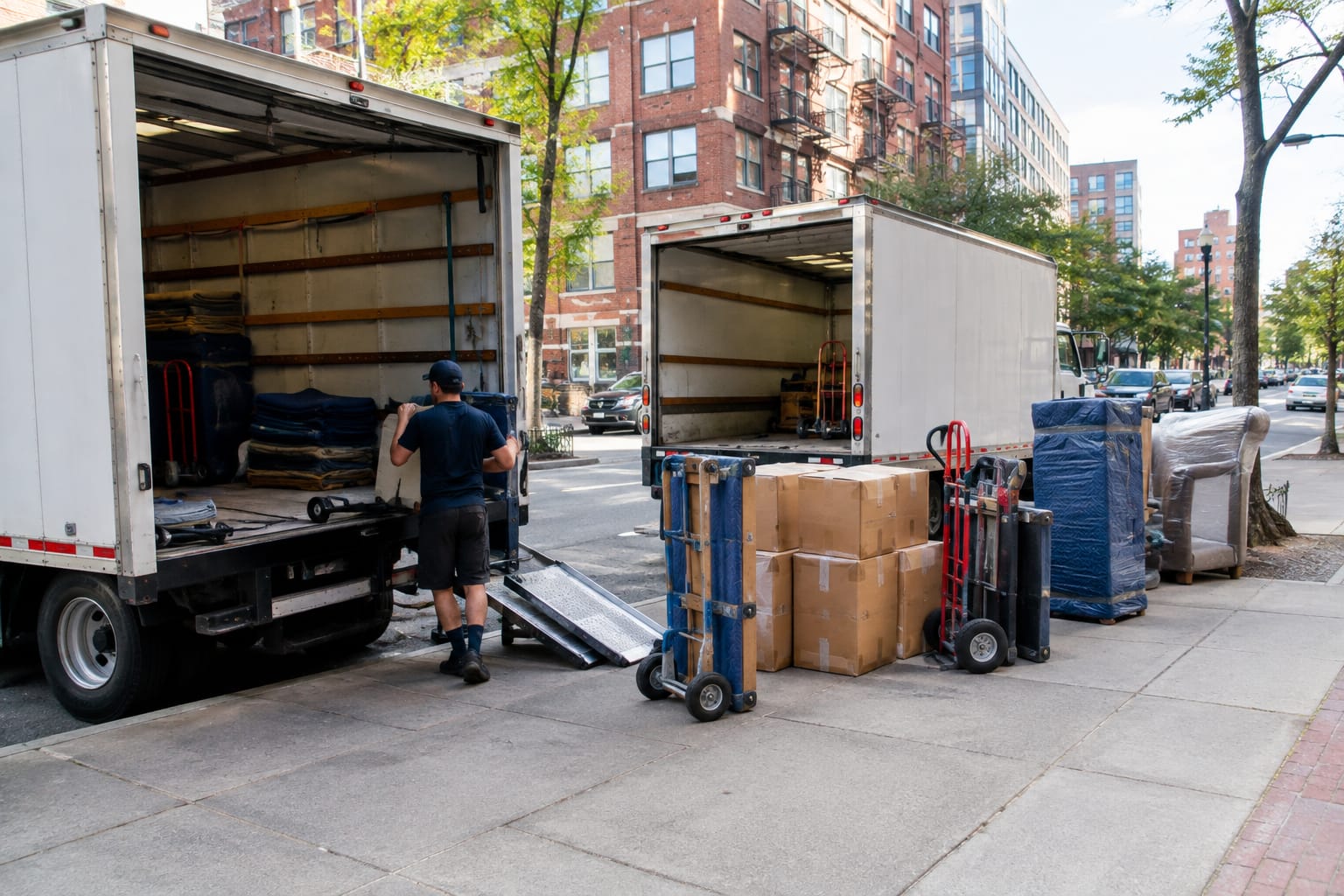
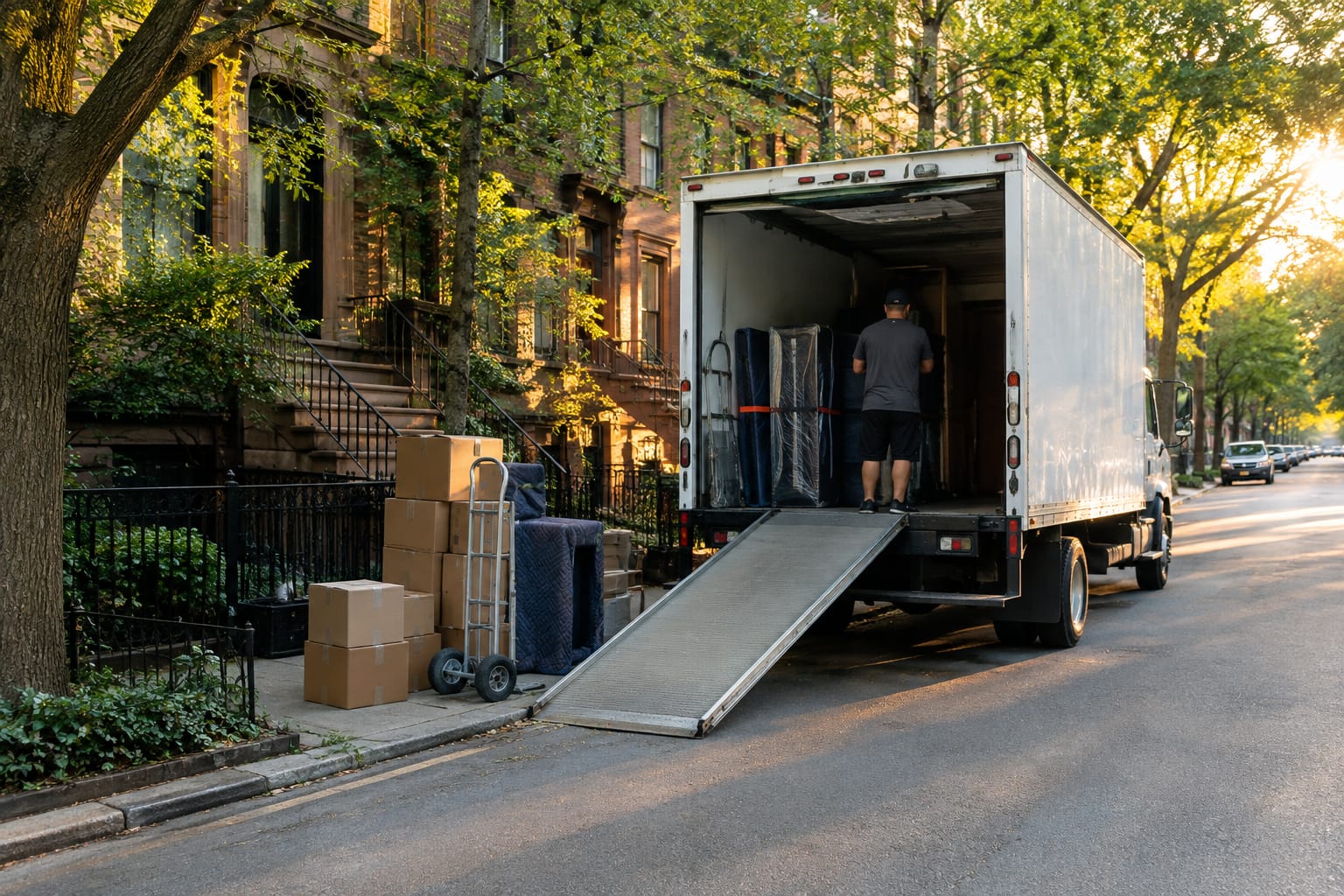
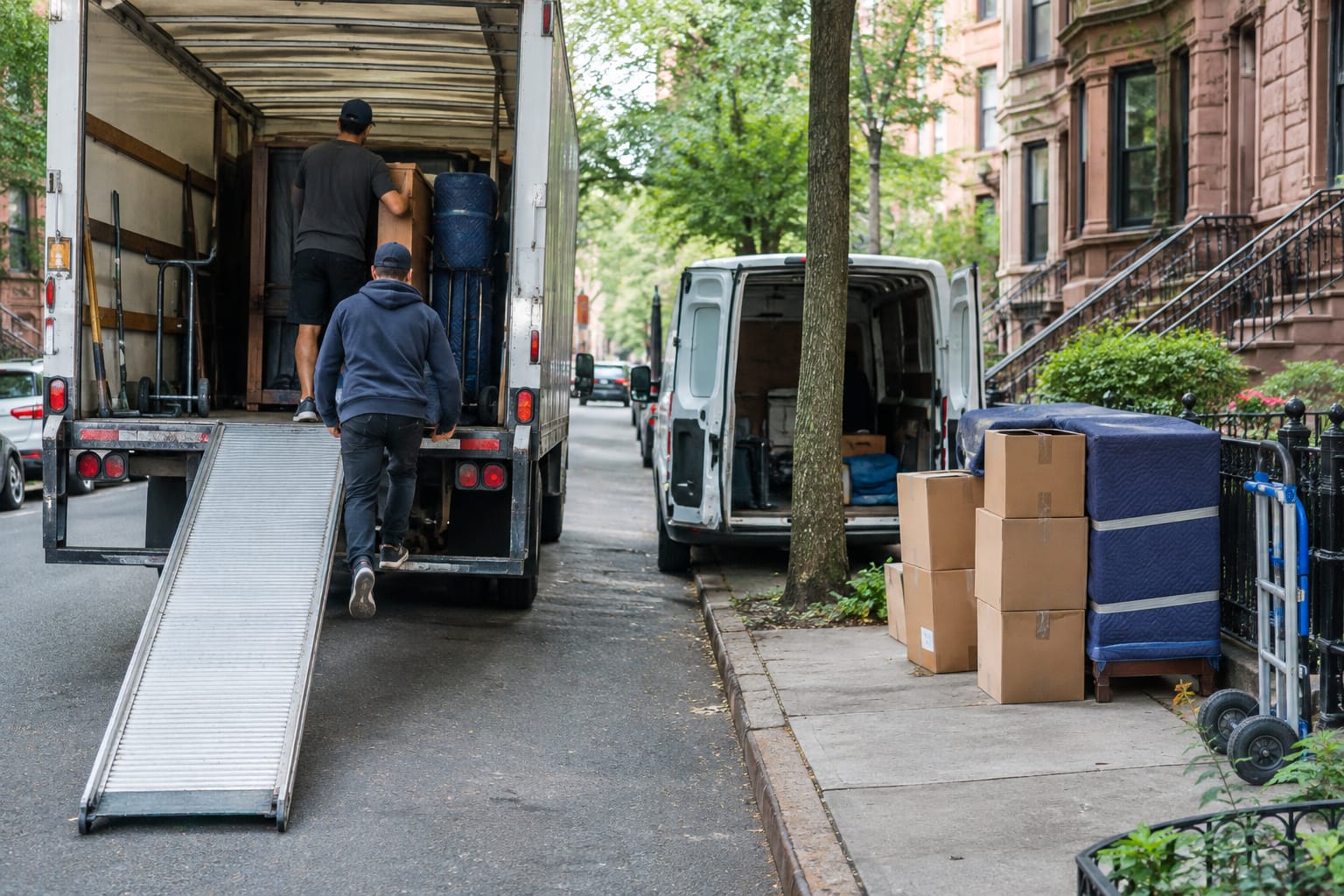
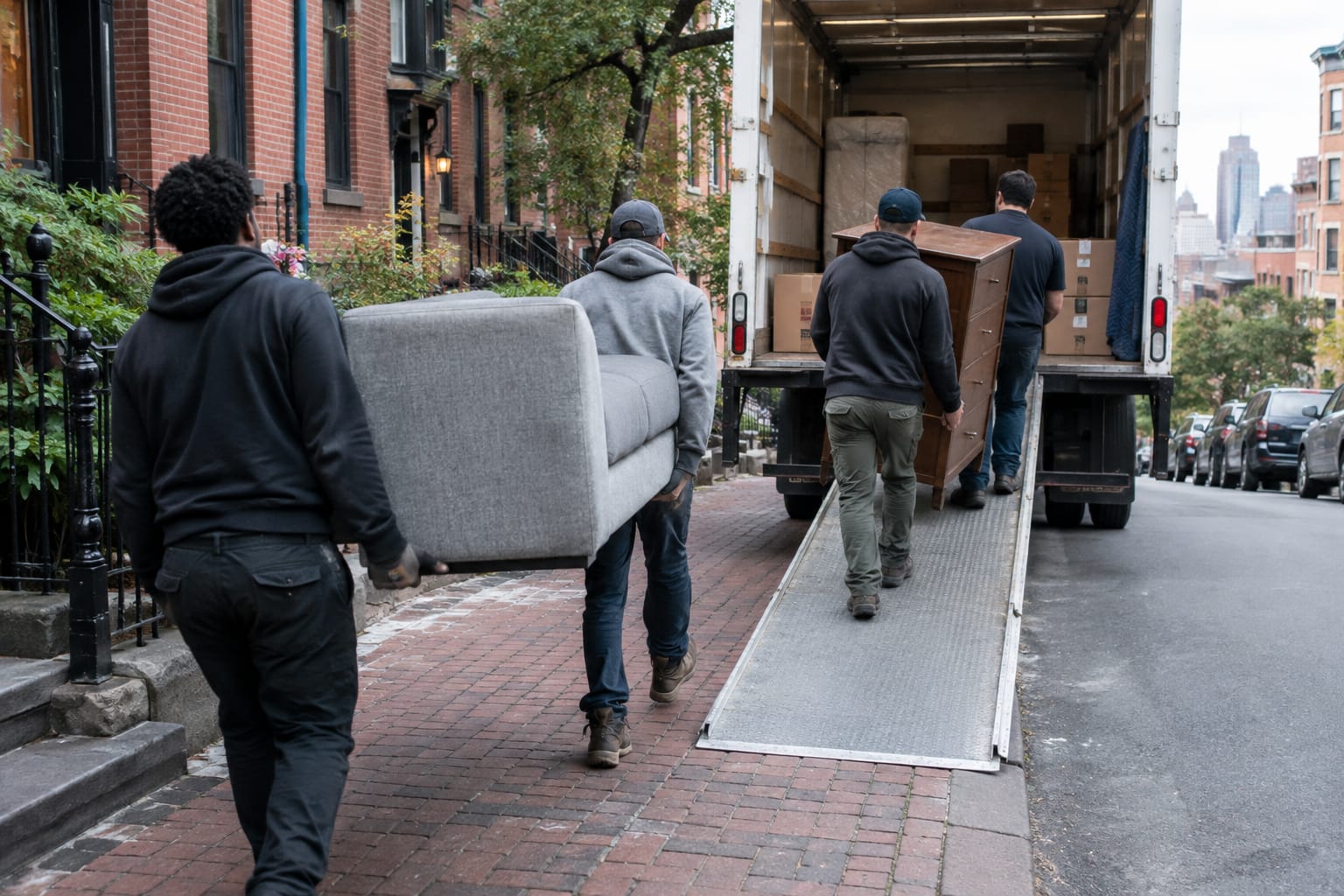
'%3E%3Cpath%20fill='%231B2A47'%20d='M1.605%2016.263c.03-1.139.059-2.482.088-3.971.03-1.49.03-2.832.03-4.03%200-.758%200-1.576-.03-2.51%200-.905-.03-1.84-.03-2.803%200-.496-.028-.964-.028-1.43%200-.468%200-.906-.03-1.315h6.858q2.188%200%203.589.35c.963.234%201.663.643%202.13%201.198.496.555.73%201.372.73%202.394%200%20.788-.176%201.46-.497%201.985-.32.526-.846.935-1.575%201.197-.73.292-1.693.468-2.918.526v.263c1.313.087%202.334.263%203.122.525.758.263%201.342.672%201.692%201.197.35.526.525%201.197.525%202.044%200%201.08-.233%201.927-.67%202.57-.468.642-1.139%201.08-2.102%201.343-.933.262-2.159.408-3.705.408H1.605zm6.537-9.197q1.882%200%202.713-.526c.555-.35.817-.934.817-1.752%200-.905-.292-1.547-.846-1.927s-1.459-.554-2.655-.554H4.757v4.759zm.204%206.92c.934%200%201.663-.088%202.217-.263.555-.176.934-.438%201.197-.818s.38-.876.38-1.518c0-.876-.322-1.49-.934-1.84-.643-.35-1.635-.525-3.035-.525H4.757v4.963zM21.038%2016.555c-1.576%200-2.801-.292-3.618-.905-.817-.614-1.284-1.519-1.372-2.745-.087-1.226.205-2.774.847-4.613s1.43-3.358%202.392-4.584c.963-1.226%202.043-2.131%203.298-2.744C23.839.292%2025.24%200%2026.786%200c1.576%200%202.772.321%203.59.934.816.613%201.283%201.548%201.37%202.774s-.203%202.774-.845%204.613c-.642%201.81-1.43%203.358-2.393%204.584s-2.072%202.132-3.297%202.745a9.8%209.8%200%200%201-4.173.905m.788-2.278c.642%200%201.138-.058%201.371-.116.205-.059.496-.117.847-.322.262-.146.437-.292.554-.408.204-.175.32-.292.438-.41.204-.203.35-.408.496-.583.35-.438.642-.876.963-1.402.233-.408.466-.817.67-1.284.205-.438.38-.905.555-1.372.438-1.198.671-2.278.671-3.183s-.204-1.606-.612-2.131c-.409-.497-1.051-.76-1.897-.76-.467%200-.934.059-1.43.205h-.03c-1.02.292-1.925%201.226-2.042%201.372-.116.117-.467.526-.963%201.343a15.5%2015.5%200%200%200-1.342%202.92c-.408%201.197-.642%202.277-.671%203.182-.03.906.175%201.636.584%202.161q.611.788%201.838.788M14.853%2038.54c-1.576%200-2.802-.292-3.619-.905s-1.284-1.518-1.371-2.744c-.088-1.227.204-2.774.846-4.614s1.43-3.357%202.393-4.584%202.042-2.13%203.297-2.744c1.255-.613%202.655-.905%204.173-.905%201.575%200%202.772.321%203.589.934s1.284%201.548%201.371%202.774c.088%201.226-.204%202.774-.846%204.613-.642%201.81-1.43%203.358-2.393%204.584s-2.072%202.131-3.297%202.745c-1.226.613-2.626.846-4.143.846m.787-2.277c.642%200%201.138-.059%201.372-.117.204-.058.496-.117.846-.321.263-.146.438-.292.554-.409.205-.175.321-.292.438-.409.204-.204.35-.408.496-.584a13%2013%200%200%200%201.634-2.686c.204-.438.38-.905.555-1.372.437-1.197.67-2.277.67-3.182%200-.906-.203-1.606-.612-2.132-.409-.496-1.05-.759-1.897-.759-.467%200-.934.058-1.43.204h-.029c-1.021.292-1.925%201.227-2.042%201.373-.117.116-.467.525-.963%201.343a15.5%2015.5%200%200%200-1.342%202.92c-.409%201.196-.642%202.277-.671%203.182s.175%201.635.583%202.16q.613.789%201.838.789'/%3E%3Cpath%20fill='%23FF515E'%20d='M55.966%2038.57c-1.576%200-2.801-.293-3.618-.906s-1.284-1.518-1.372-2.744c-.087-1.227.204-2.774.846-4.613s1.43-3.358%202.393-4.584c.963-1.227%202.043-2.132%203.297-2.745s2.656-.905%204.173-.905c1.576%200%202.772.321%203.589.934s1.284%201.548%201.371%202.774c.088%201.226-.204%202.774-.846%204.613-.642%201.81-1.43%203.358-2.393%204.584s-2.071%202.131-3.297%202.745c-1.225.613-2.626.846-4.143.846m.788-2.249c.642%200%201.138-.058%201.371-.117.204-.058.496-.116.846-.32.263-.147.438-.293.555-.41a7%207%200%200%200%20.437-.408c.205-.205.35-.41.496-.584a13%2013%200%200%200%201.634-2.686c.205-.438.38-.905.555-1.373.438-1.197.671-2.277.671-3.182s-.204-1.606-.613-2.131c-.408-.497-1.05-.76-1.896-.76-.467%200-.934.059-1.43.205h-.03c-1.02.292-1.925%201.226-2.042%201.372-.117.117-.467.526-.963%201.343a15.5%2015.5%200%200%200-1.342%202.92c-.409%201.197-.642%202.277-.671%203.182s.175%201.635.583%202.16q.614.79%201.839.79'/%3E%3Cpath%20fill='%231B2A47'%20d='M33.06%2016.263c0-.35%200-.935.03-1.81.029-1.051.058-2.103.058-3.154s.03-2.073.03-3.007c0-1.606-.03-3.27-.06-4.993%200-.554-.028-1.08-.028-1.606%200-.525-.03-1.021-.03-1.46h6.828c1.46%200%202.685.117%203.59.38q1.4.394%202.1%201.314.7.963.7%202.628c0%20.992-.174%201.81-.554%202.452-.35.643-.904%201.11-1.604%201.431s-1.576.467-2.627.496v.263q2.058.087%203.064.876c.671.525%201.138%201.372%201.43%202.51.087.41.233%201.023.467%201.84.233.818.408%201.431.554%201.84h-3.414a11%2011%200%200%200-.262-1.022c-.321-1.314-.526-2.19-.584-2.628a5%205%200%200%200-.642-1.46%202.13%202.13%200%200%200-.963-.73c-.408-.146-.934-.233-1.605-.233h-3.326v6.0440000000000005H33.06zm6.332-8.292c1.343%200%202.276-.205%202.86-.613.554-.41.846-1.11.846-2.073%200-.73-.146-1.314-.408-1.723-.263-.409-.671-.7-1.197-.876q-.788-.263-2.1-.263h-3.181v5.519h3.18zM49.4%2016.263l.03-2.745c.029-2.452.029-4.905.029-7.416q0-2.101-.088-5.868h4.085l5.924%2010.335c.087.234.204.438.291.643.117.204.205.408.321.613.38.788.613%201.255.672%201.372h.262c0-.058-.03-.146-.03-.204%200-.059-.028-.117-.028-.175a75%2075%200%200%201-.175-1.314%2010%2010%200%200%201-.088-1.285c0-1.547%200-3.737-.029-6.57V1.84c0-.584-.03-1.11-.03-1.576h2.977c-.03%202.482-.058%205.08-.058%207.766%200%201.694%200%204.438.029%208.292h-4.027l-5.573-9.43c-.875-1.81-1.226-2.511-1.05-2.132-.263-.613-.467-1.08-.613-1.46h-.263c.058.35.117.876.175%201.548.059.7.117%201.168.117%201.46%200%202.978%200%206.306.029%209.985H49.4zM4.698%2038.277c.029-2.627.058-5.255.058-7.883%200-1.576%200-3.503-.029-5.752-1.109%200-2.684%200-4.727.03v-2.453h12.664v2.453c-1.955-.03-3.53-.03-4.756-.03%200%20.584-.03%201.227-.03%201.957s0%201.46-.029%202.218v1.84c0%202.57.03%205.11.059%207.62z'/%3E%3Cpath%20fill='%23FF515E'%20d='M29.441%2038.277c.409-1.05.788-2.102%201.168-3.182s.787-2.16%201.167-3.241c.613-1.693%201.05-2.949%201.342-3.766l1.255-3.65c.116-.38.262-.788.379-1.139.117-.38.263-.73.38-1.05h4.61l-.671%2012.904h.262l8.316-12.905h4.669l-.7%201.869c-.876%202.452-1.343%203.766-1.43%204a501%20501%200%200%200-3.385%2010.16h-2.947c.292-.846.788-2.219%201.459-4.087.175-.526.35-1.08.554-1.606.175-.526.38-1.08.555-1.577.642-1.81%201.342-3.825%202.072-6.014h-.234l-8.724%2013.314h-2.86l.554-13.314h-.175c-.175.496-.38.992-.554%201.489-.175.496-.38%201.022-.555%201.547a163%20163%200%200%200-1.08%203.008c-.145.38-.262.759-.408%201.138-.117.38-.262.73-.408%201.11-.7%201.898-1.284%203.59-1.751%205.05h-2.86zM68.047%2038.277c.175-2.19.32-4.525.467-7.007.058-.905.204-3.912.467-9.051h3.151c-.03.438-.058.934-.088%201.46s-.058%201.08-.087%201.693a264%20264%200%200%201-.409%206.657c-.145%201.986-.35%203.591-.583%204.788h.175Q72.147%2034.892%2073.94%2032a562%20562%200%200%201%204.465-7.066c.32-.496.641-.992.933-1.46s.555-.875.817-1.255h3.268q-.568.832-1.138%201.752c-.408.613-.787%201.255-1.196%201.927-3.88%206.014-6.478%2010.131-7.85%2012.35h-5.193zM79.106%2038.277c.32-.788.758-2.014%201.37-3.65a287%20287%200%200%200%201.577-4.32c.437-1.256.904-2.628%201.4-4.088s.934-2.774%201.313-3.97h11.322l-.846%202.364H87.1l-1.664%204.847%207.645-.088-.612%201.694-7.587-.088-1.75%204.934h8.286l-.846%202.365z'/%3E%3C/g%3E%3Cdefs%3E%3CclipPath%20id='a'%3E%3Cpath%20fill='%23fff'%20d='M0%200h96v40H0z'/%3E%3C/clipPath%3E%3C/defs%3E%3C/svg%3E)
Abington residential movers handle the full home relocation process — packing, furniture protection, loading, transport, and unloading — for apartments, condos, and single-family houses across southeastern Massachusetts. A trained two-person crew typically completes a local two-bedroom move in 5 to 7 hours and bills by the hour for labor and equipment.
Moving a household is one of the most logistically demanding things a family does. The difference between a smooth day and a stressful one comes down to preparation, the right protective materials, and a crew that treats your home like its own. This guide walks through what residential moving services actually include, how pros protect your belongings, realistic costs by home size, and how to choose movers you can trust.
Key Takeaways
| Point | Details |
|---|---|
| Full-service scope | Residential moving services cover packing, wrapping, disassembly, loading, transport, and reassembly — not just truck-and-muscle hauling. |
| Time by home size | A studio takes 3–5 hours; a 3-bedroom house often runs 7–10 hours with a 3–4 person crew. |
| Cost drivers | Forbes Home reports typical local moves run roughly $900–$2,500, driven by home size, crew, and access. |
| Protection matters | Furniture blankets, shrink wrap, mattress bags, and floor runners prevent the most common move-day damage. |
| Timing saves money | Most U.S. moves cluster between May and September, so off-season weekdays cost less. |
What Residential Moving Services Cover
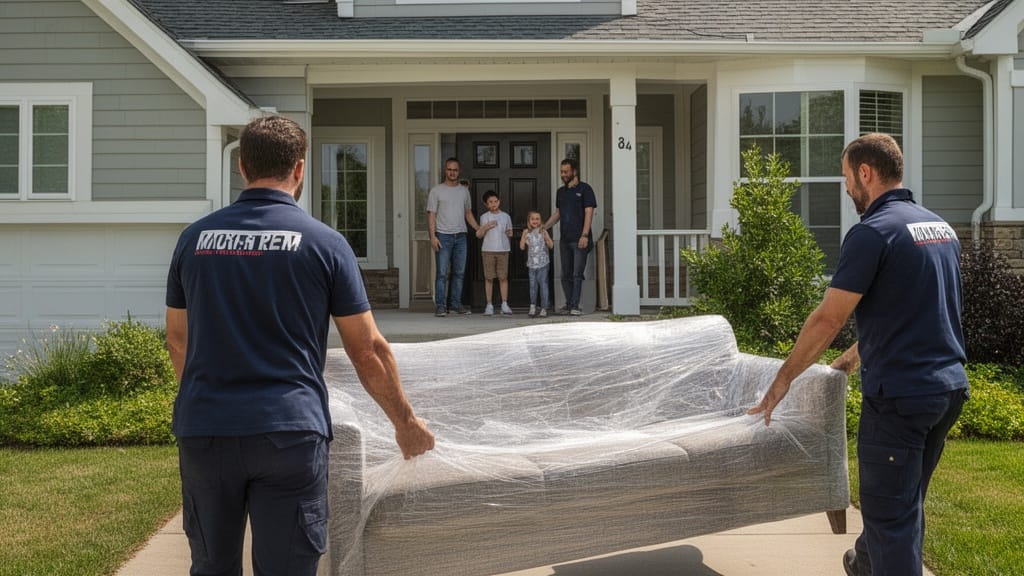
Residential moving services cover every physical step of relocating a household: assessing the inventory, supplying boxes and materials, packing rooms, wrapping and disassembling furniture, loading the truck, driving to the destination, and unloading and reassembling on arrival. Full-service crews do all of it; labor-only crews do the heavy lifting while you pack.
Most families choose a level of service based on time and budget. The common tiers look like this:
- Full-service: Movers pack, wrap, load, transport, unload, and reassemble. Best for tight timelines or large homes.
- Loading and transport: You pack the boxes; the crew wraps furniture, loads, drives, and unloads.
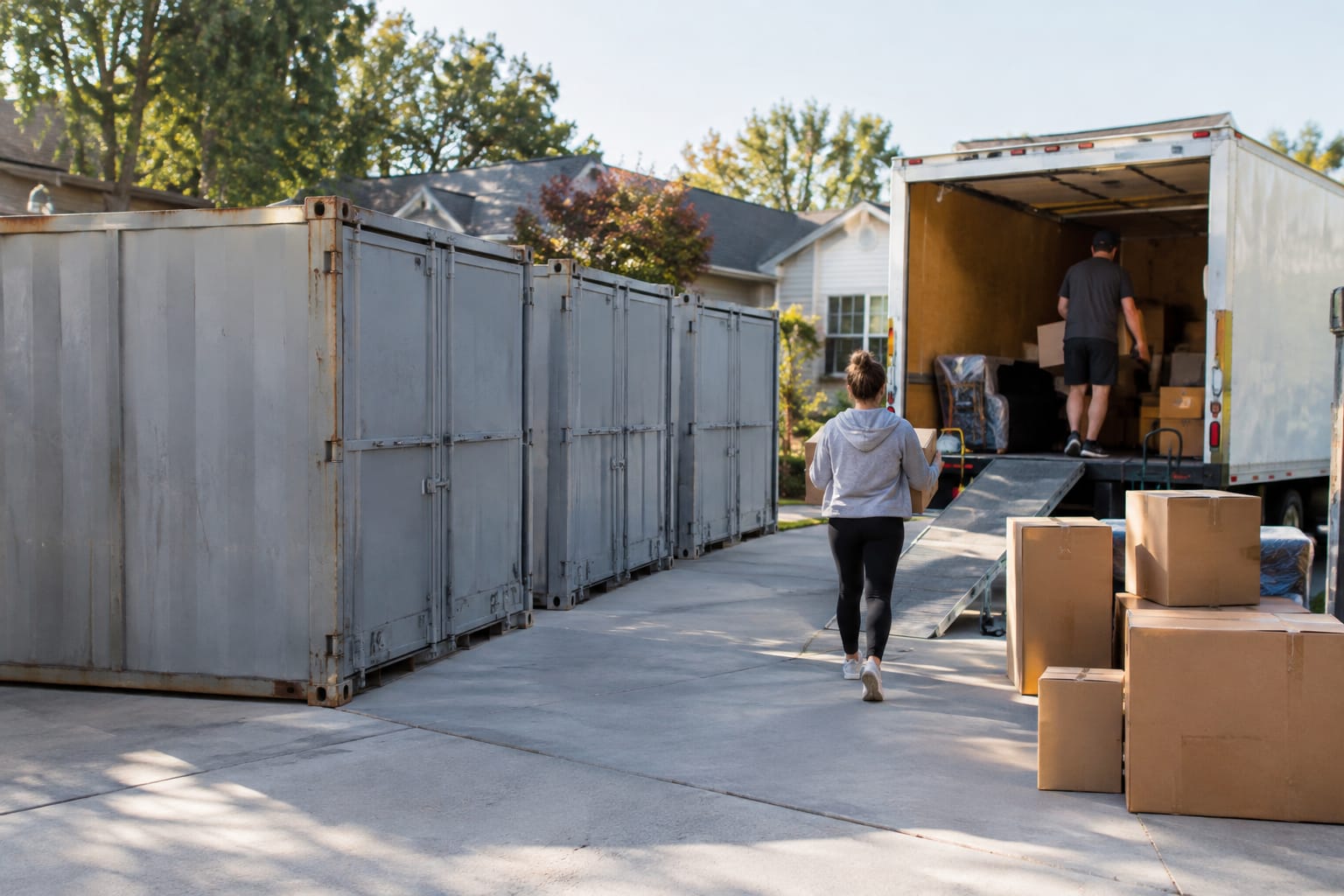
- Labor-only: Movers load or unload a truck or container you provide. Common for short, local hops.
Professional residential moving services also include the things people forget — protecting door frames, padding banisters, and securing the load so nothing shifts in transit. Tens of millions of Americans relocate every year, according to U.S. Census Bureau migration data, and the households that hire trained local home movers consistently report fewer breakages and faster days.
Apartment, Condo, and Single-Family Home Moves
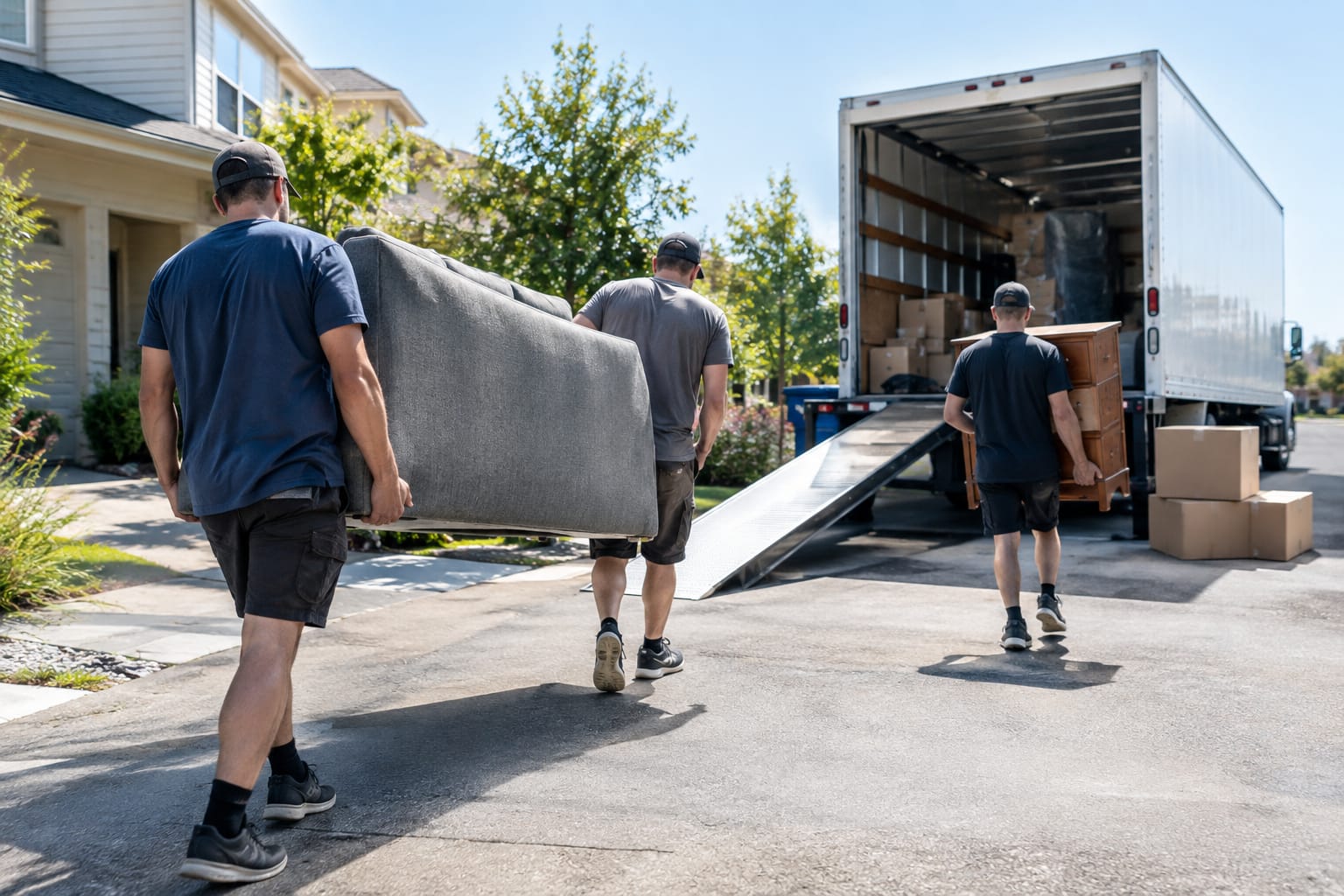
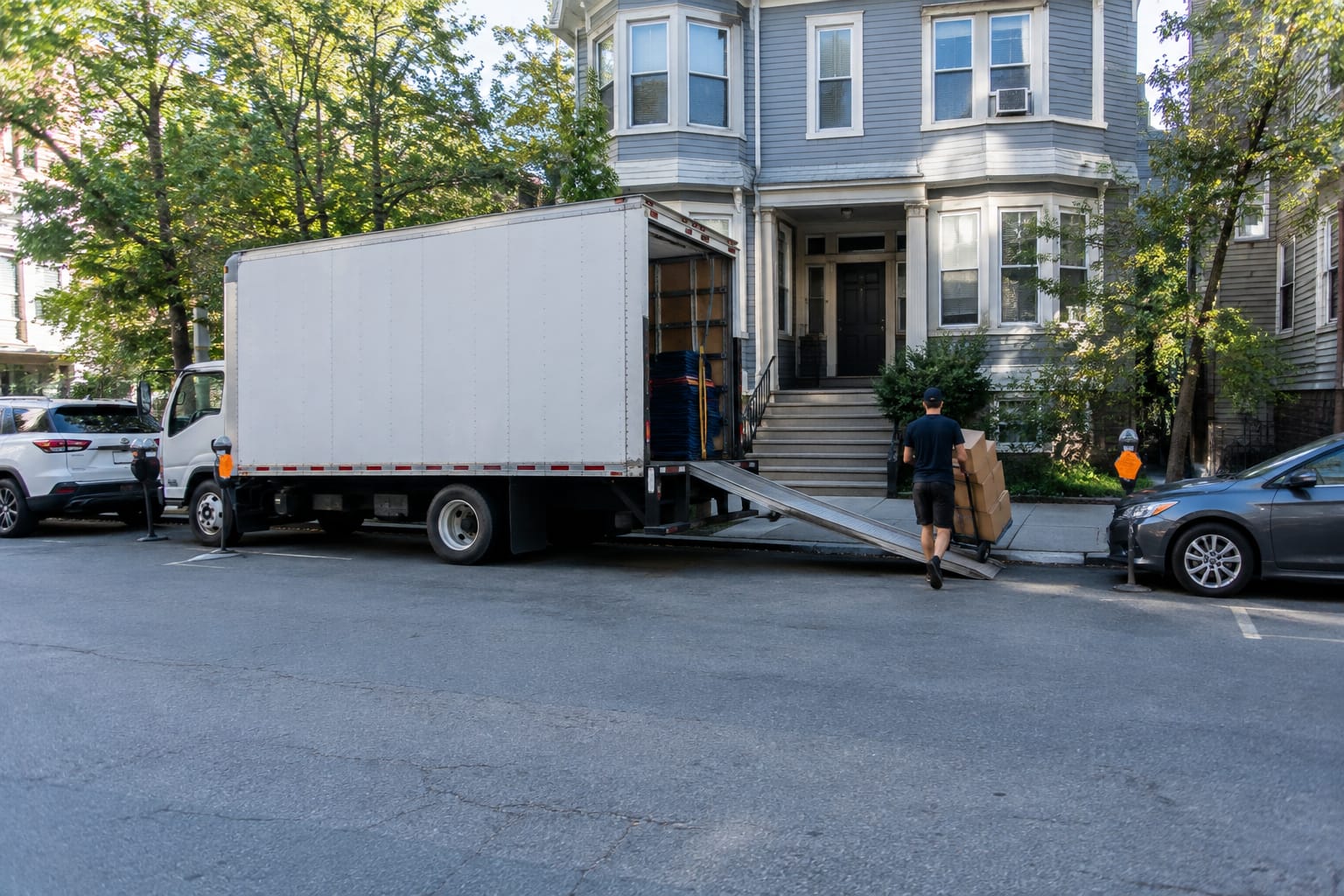
No two home types move the same way. Apartment movers Abington residents hire face stairs, elevators, and tight parking; house movers Abington crews deal with more square footage, basements, garages, and larger furniture. Matching the crew and truck to the property is what keeps a move on schedule.
Q: What's the difference between an apartment move and a house move?
A: Apartment moves hinge on access — stairs, elevator reservations, and street parking — while single-family house moves involve more total volume and larger items like sectionals and appliances, usually requiring a bigger crew.
Here is a realistic look at move duration by home size, assuming a local relocation with reasonable access:
| Home size | Typical crew | Estimated move time |
|---|---|---|
| Studio / 1-bedroom apartment | 2 movers | 3–5 hours |
| 2-bedroom home | 2–3 movers | 5–7 hours |
| 3-bedroom house | 3–4 movers | 7–10 hours |
| 4+ bedroom house | 4+ movers | 9–12+ hours |
These ranges shift with stairs, elevator wait times, walking distance to the truck, and how much packing is done before arrival. The reliable abington home movers plan around these access factors during the estimate, not on move day.
Protecting Your Belongings During a Home Move
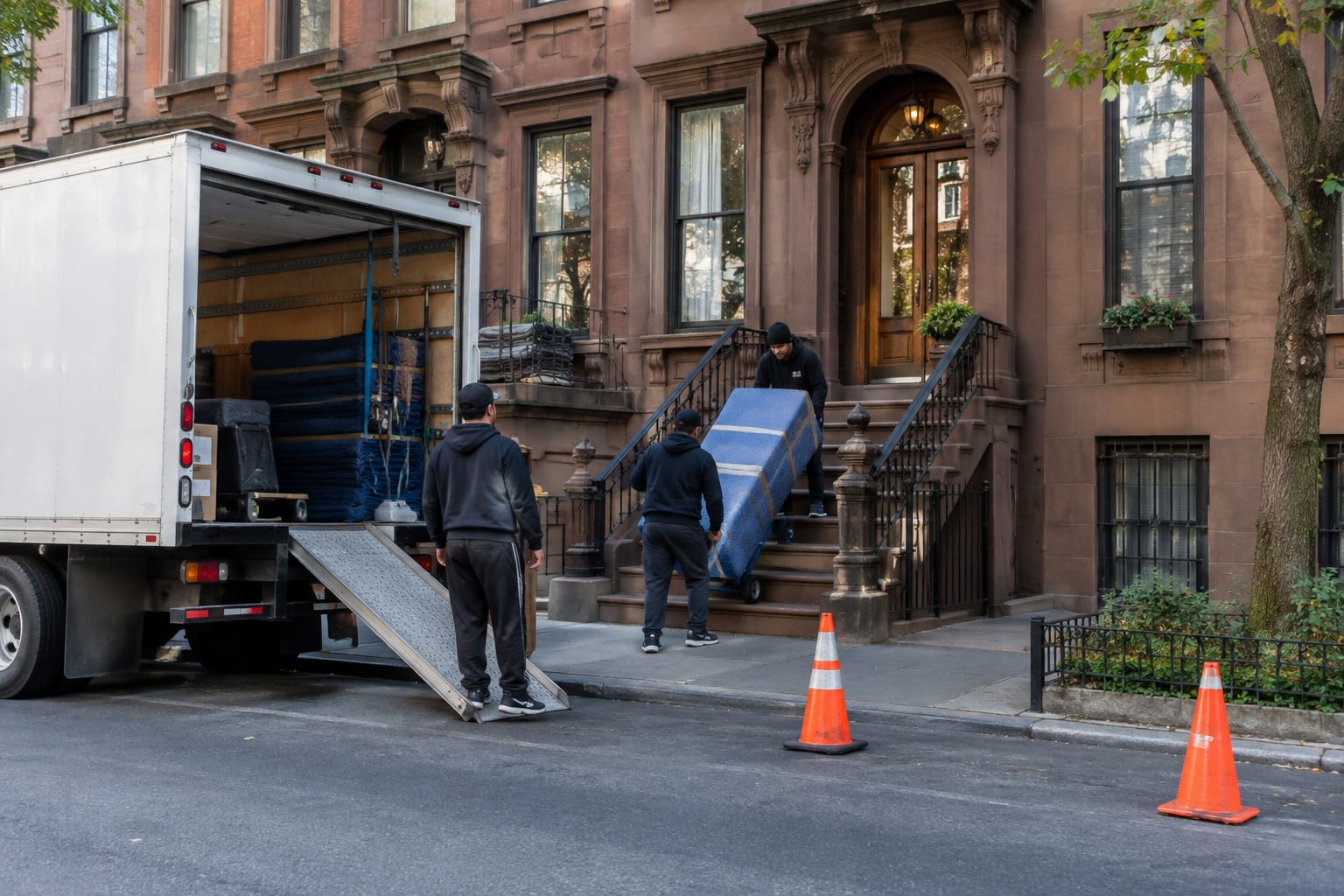
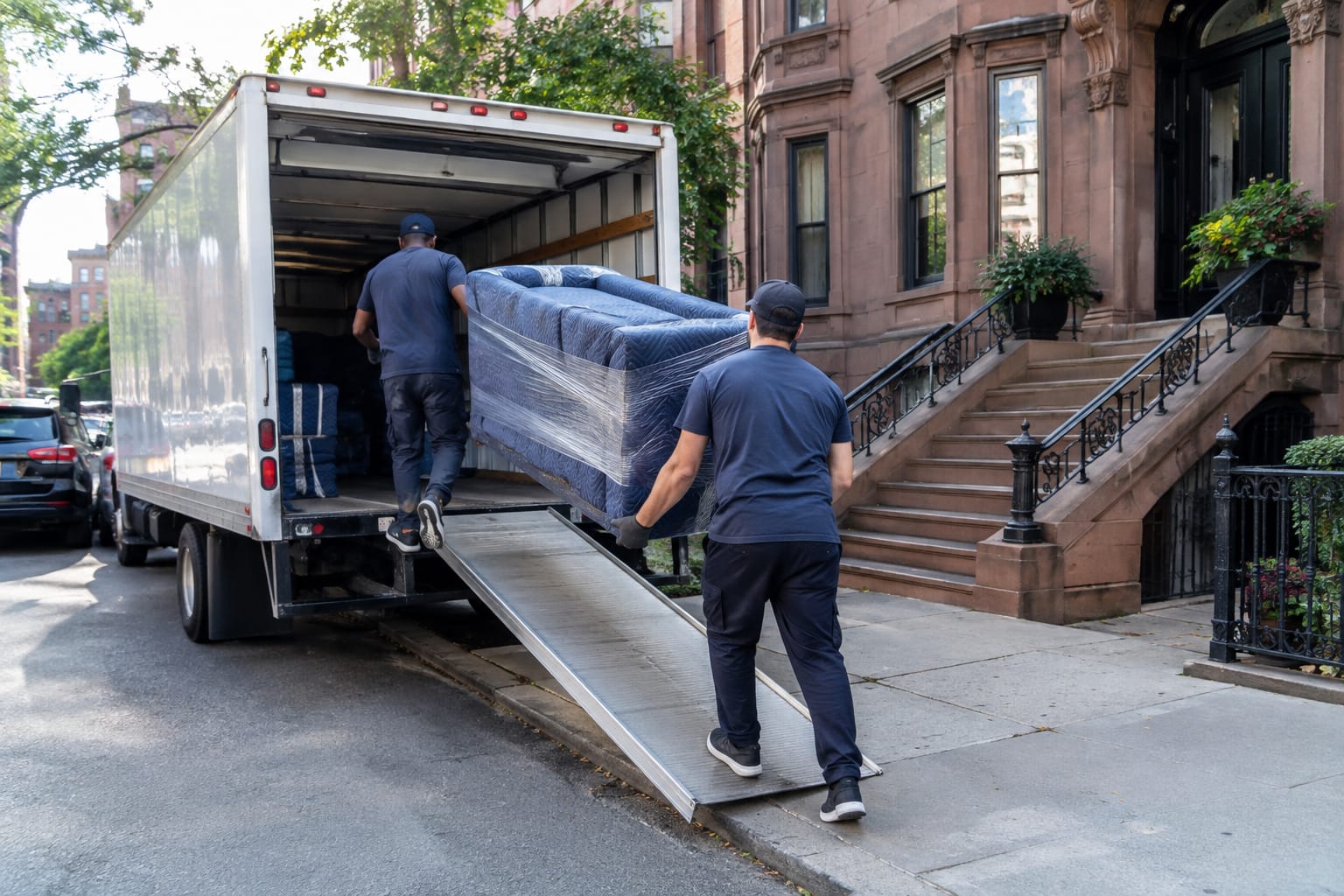
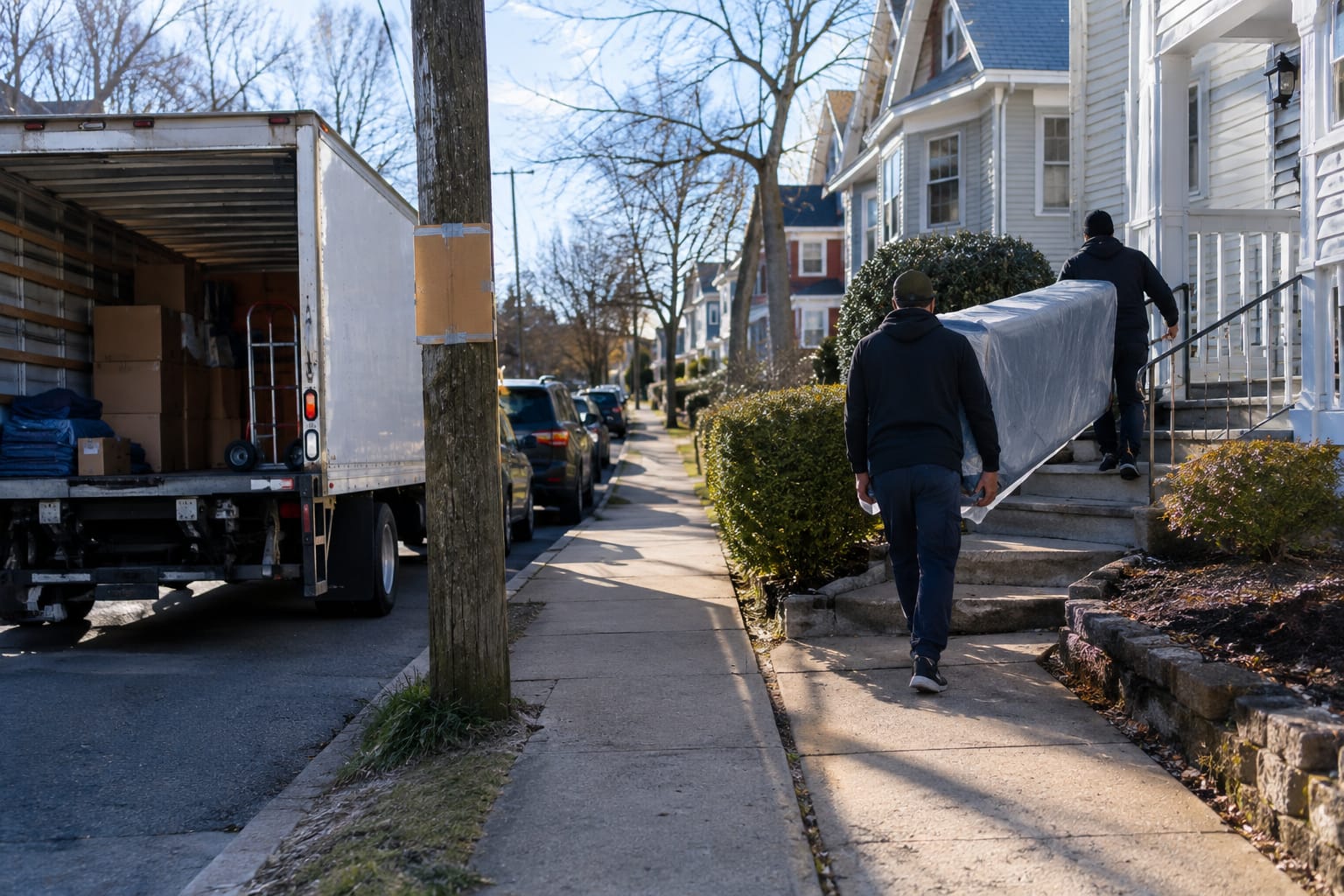
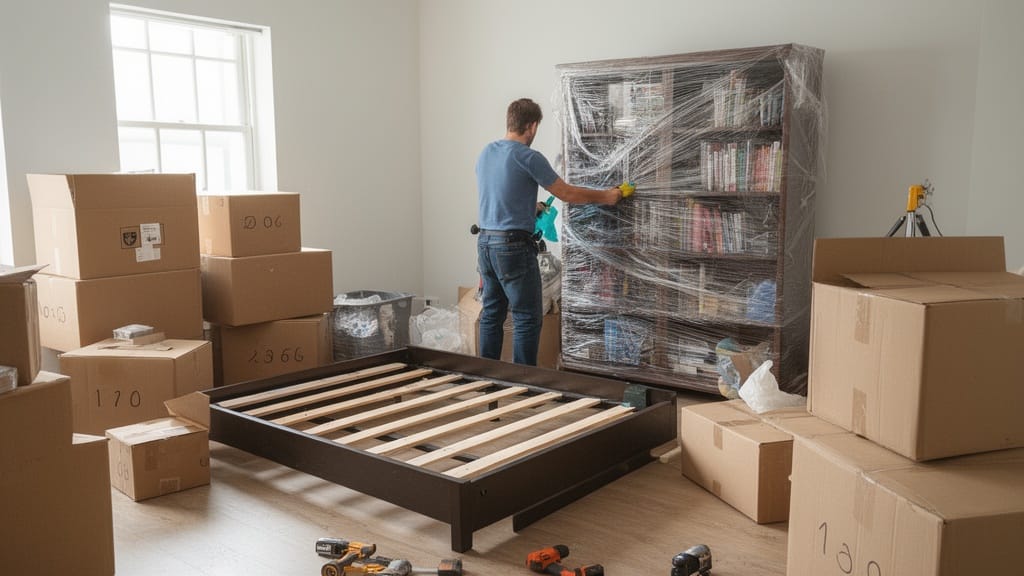
Protection is where experienced crews separate themselves. Before a single box moves, professionals lay floor runners, pad door jambs, and wrap stair banisters to protect both your belongings and the home itself. Quality matters more than speed here.
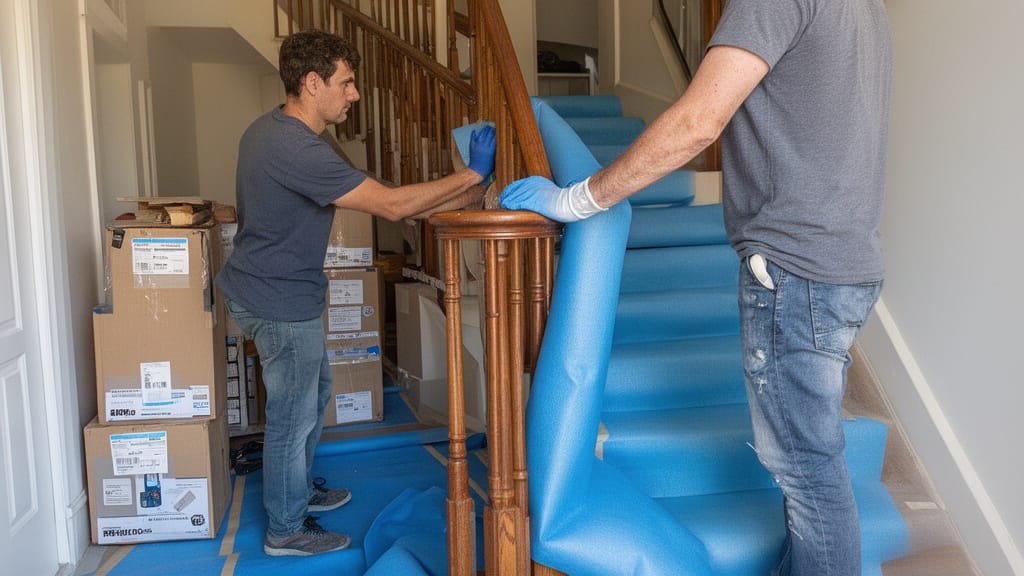
The standard protective toolkit includes:
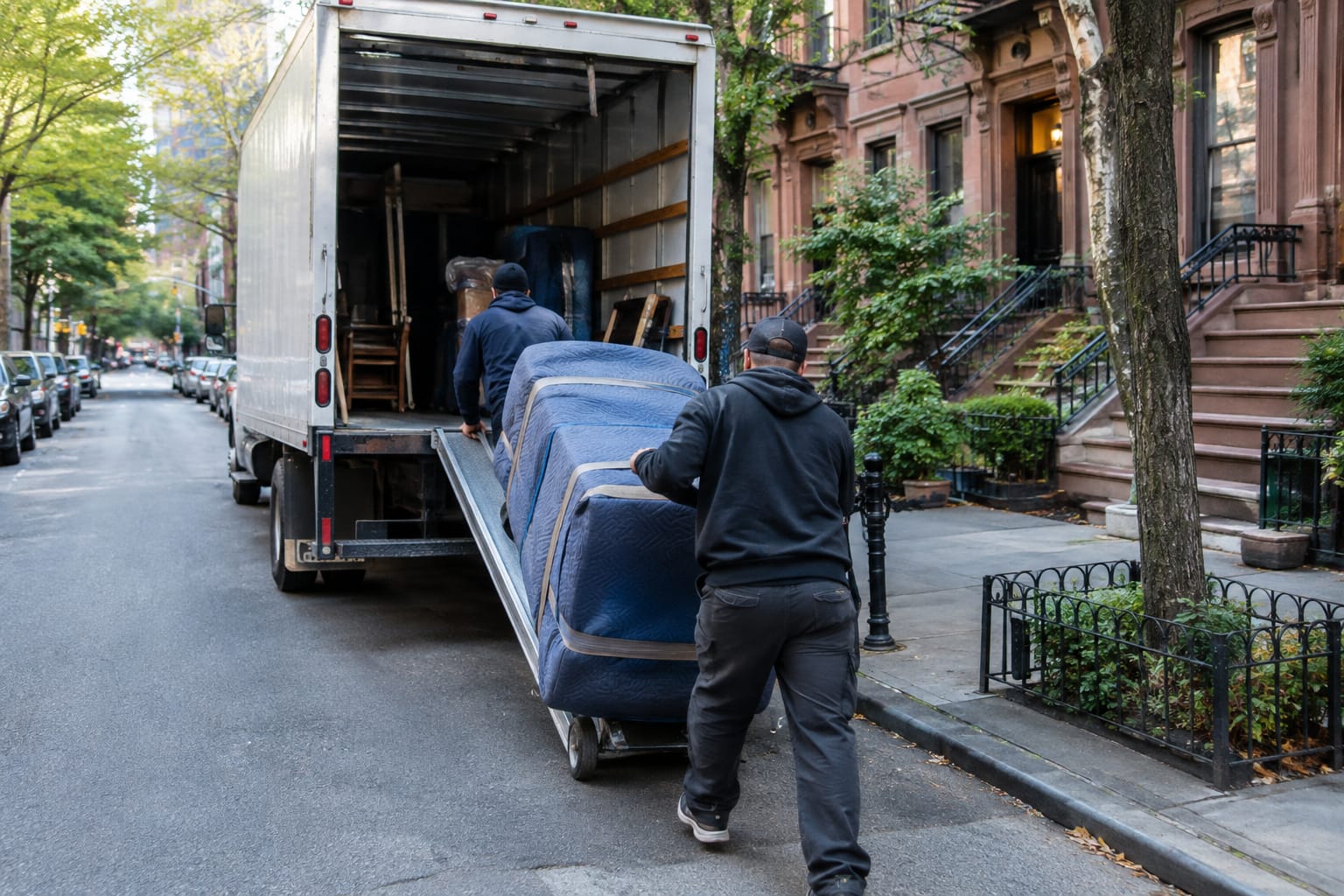
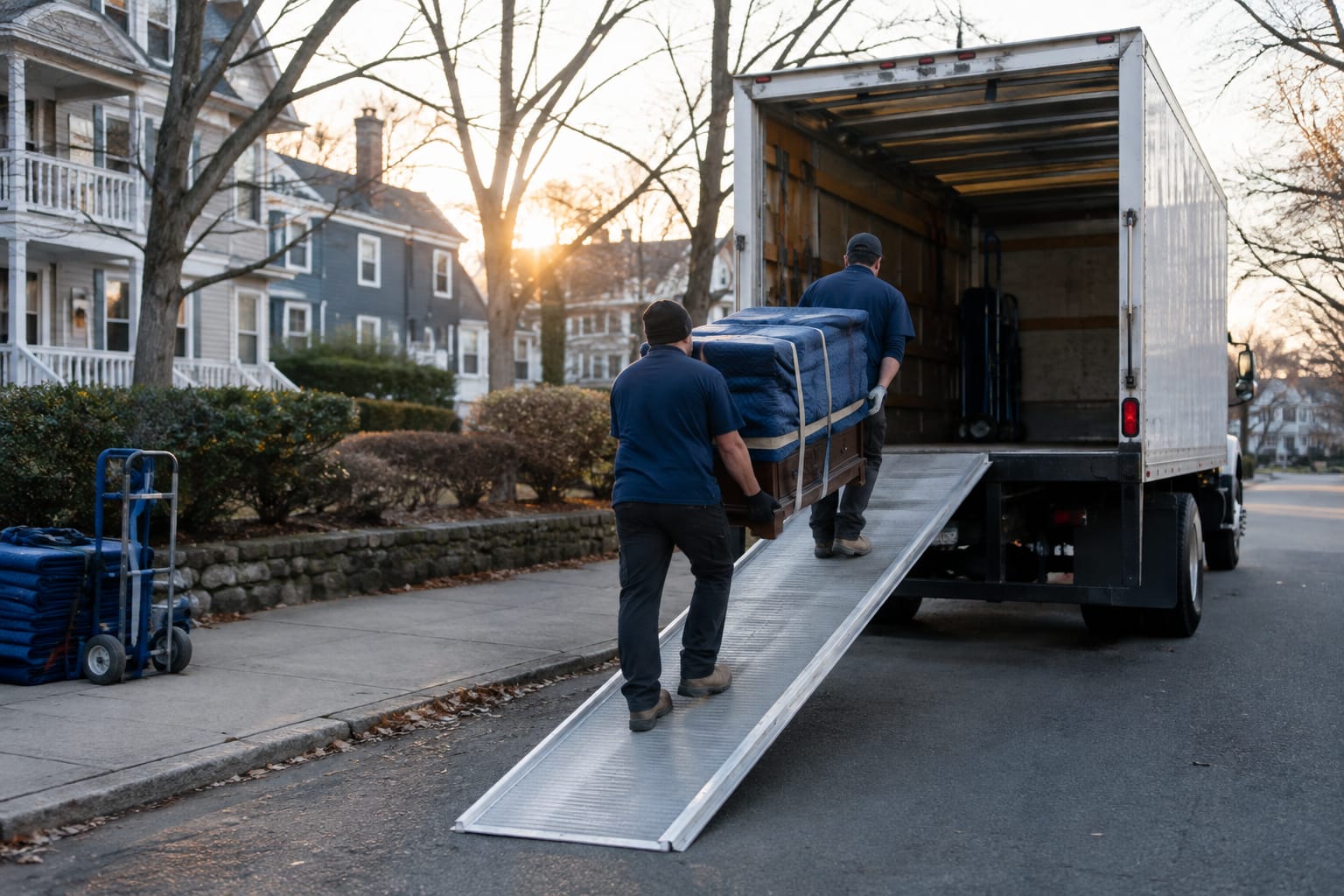
- Furniture blankets (moving blankets) for dressers, tables, and cabinets
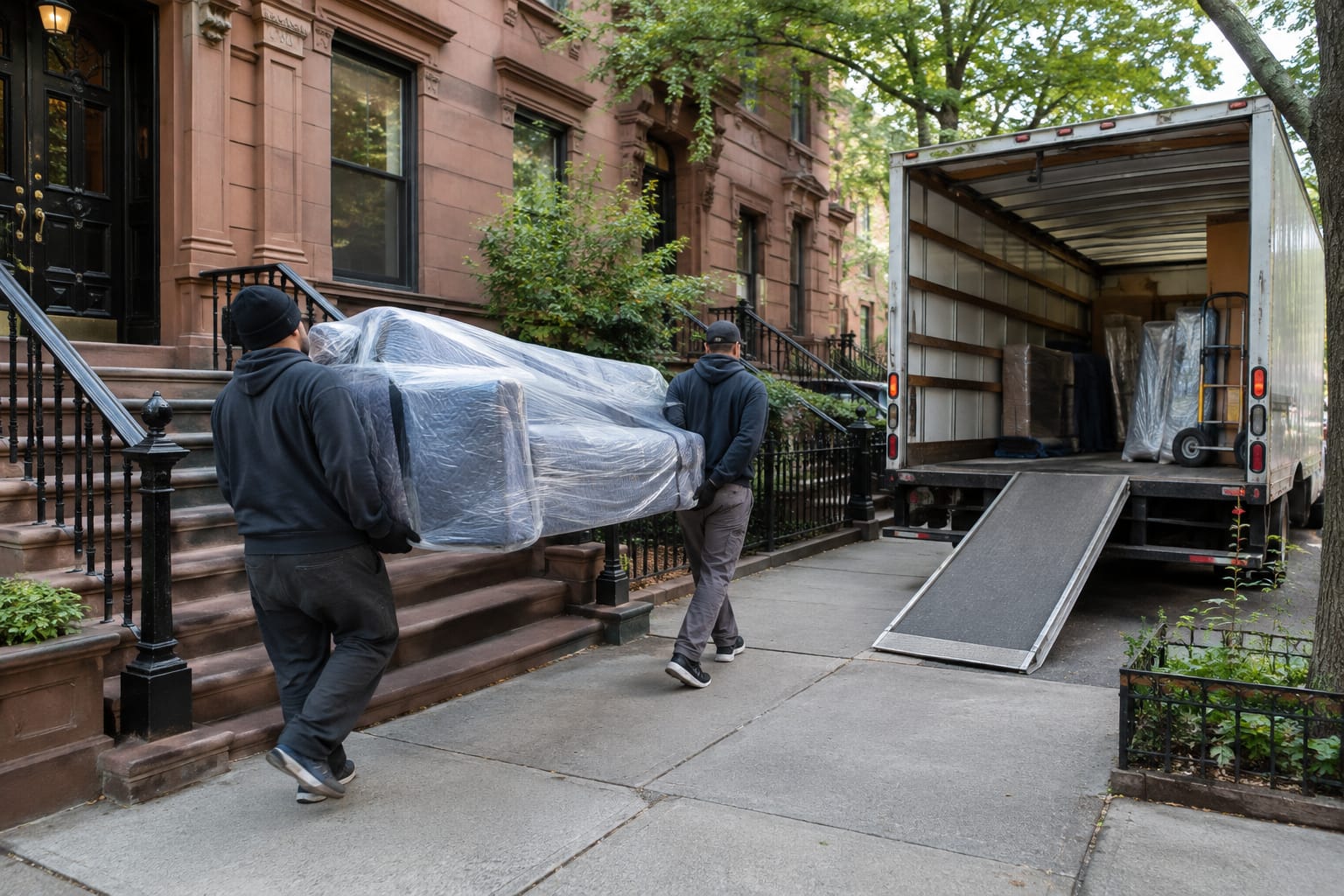
- Plastic shrink wrap to keep blankets in place and drawers shut
- Mattress bags to block dirt and moisture
- Floor runners and door-jamb protectors for the home itself
- Bubble wrap and packing paper for fragile and electronic items
- Dedicated boxes — TV boxes, dish packs, and wardrobe boxes
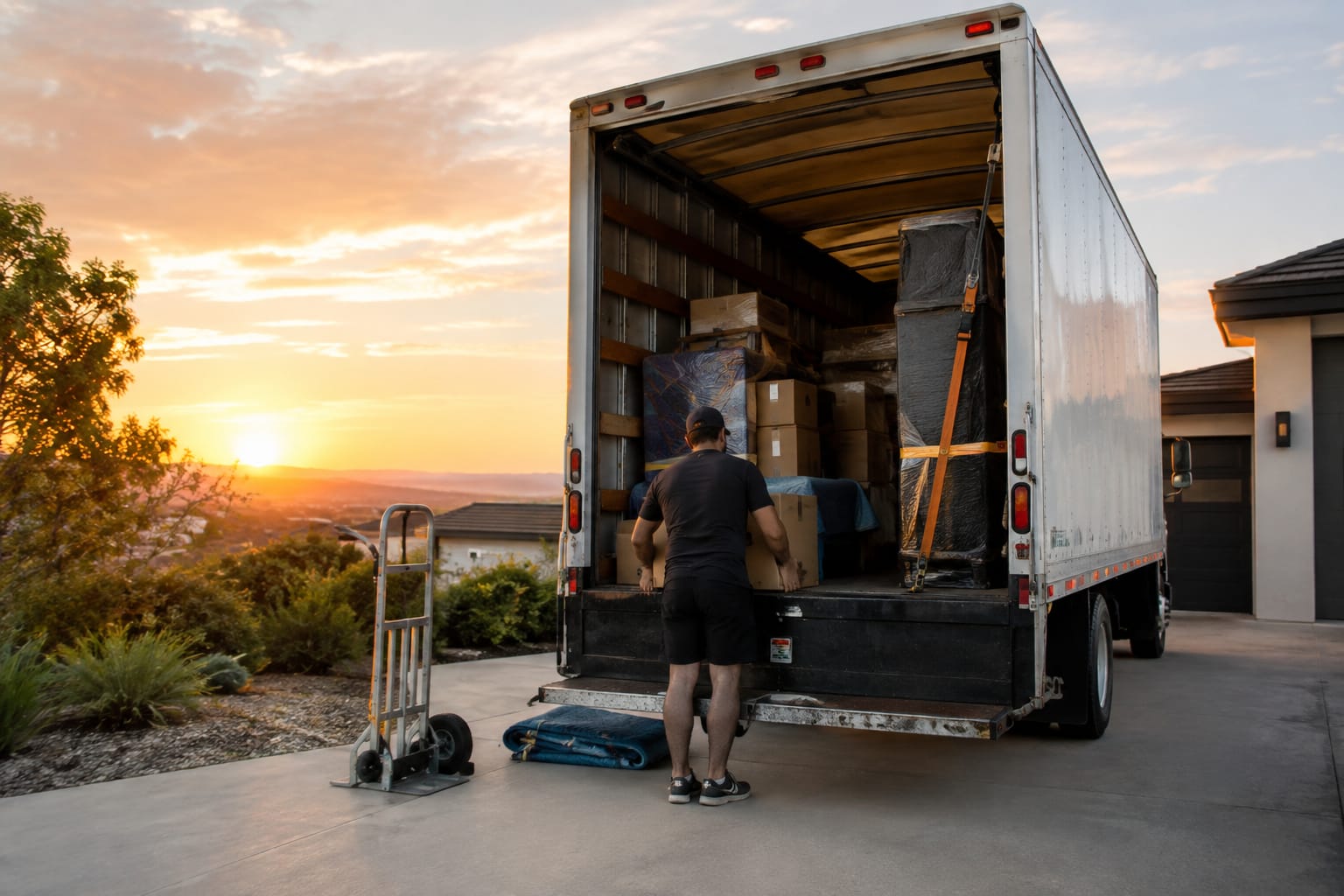
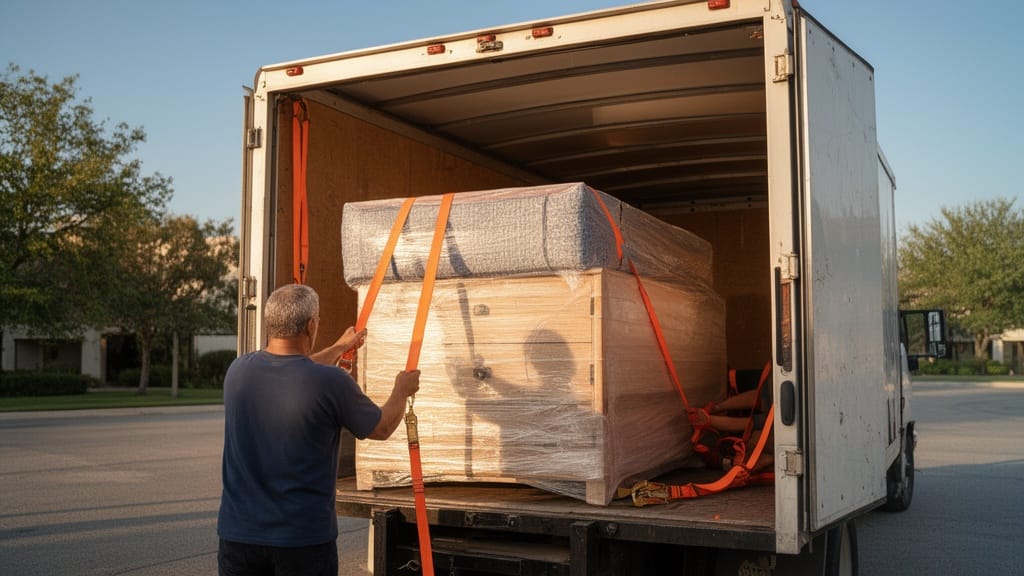
- Ratchet straps to secure the load so nothing shifts in transit
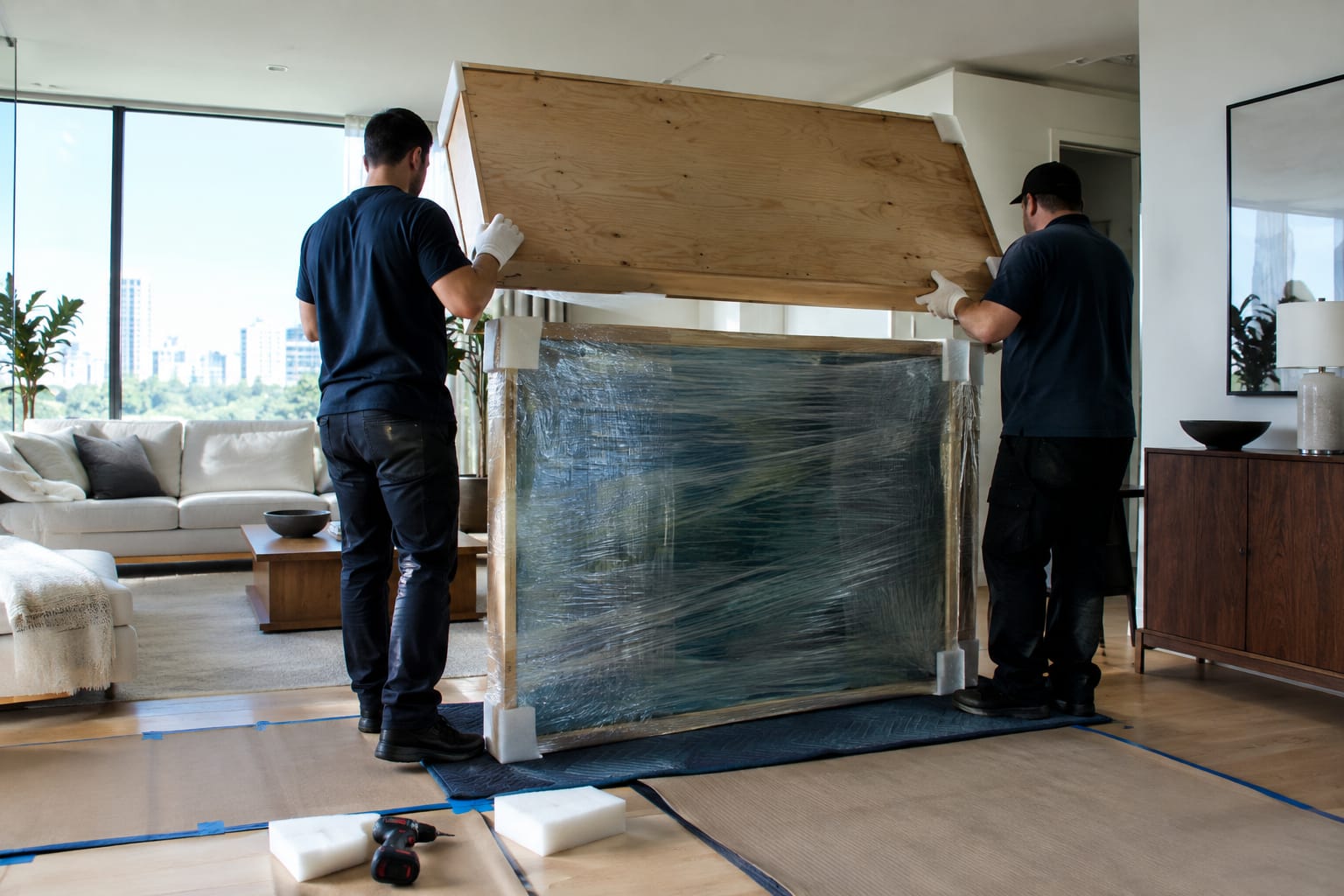
Electronics get special care. A flat-screen television is wrapped in moving blankets and then slid into a dedicated TV box before it goes in the truck — a small step that prevents one of the most expensive move-day losses.
Q: Do movers cover damage to my belongings?
A: Yes. Federal regulators require movers to offer valuation coverage — basic released-value protection plus a full-value option — so you can choose how much your items are insured for.
Valuation coverage is not the same as full insurance, so read the line items. Local home movers should explain the difference between released value and full-value protection before you sign.
Packing and Furniture Handling for Home Moves
Packing is the single biggest time sink in any move, and it is where most damage originates. The fix is method: pack room by room, label every box with its room and contents, and reserve fragile items for proper materials rather than newspaper and hope.

Furniture handling follows its own logic. Beds, tables, and modular shelving come apart; bolts and brackets go in labeled bags taped to the frame. For a detailed walkthrough, this guide on how to pack things when moving a house breaks the process down by room and material.
Pro Tip: Pack one clearly marked "first-night" box per family member — chargers, medication, a towel, toiletries, and a change of clothes. It saves you from tearing open ten boxes at midnight in the new house.
Good crews also photograph electronics before disconnecting them, so reassembly is fast and cables go back exactly where they belong. That kind of house moving help turns a chaotic afternoon into a predictable one, and it is the standard families should expect from professional movers.
Cost of Residential Movers in Abington

Local residential moves are priced by the hour: crew size multiplied by an hourly rate, plus a travel or truck fee. National data compiled by Forbes Home puts typical local moves between roughly $900 and $2,500, with home size and access doing most of the work on the final number.
The table below shows estimated local ranges by home size. Treat these as planning figures — your written estimate is what counts.
| Home size | Typical crew | Estimated hours |
|---|---|---|
| Studio / 1-bedroom apartment | 2 movers | 3–5 hrs |
| 2-bedroom home | 2–3 movers | 5–7 hrs |
| 3-bedroom house | 3–4 movers | 7–10 hrs |
| 4+ bedroom house | 4+ movers | 9–12+ hrs |
These tiers track the broader ranges in the Forbes Home cost breakdown and vary with stairs, long carries, and the date you book. For apartment dwellers, this guide on getting an accurate quote for a 1-2 bedroom move shows what details sharpen an estimate.
Pro Tip: Book a mid-month weekday between October and April. Demand drops sharply outside peak season and away from month-end lease turnover, and lighter schedules often mean lower hourly availability.
Always request itemized written quotes from a few family movers before booking. Comparing them line by line — labor, travel fee, materials, and valuation coverage — reveals the true cost and flags any vague pricing.
Preparing Your Home for Moving Day
Preparation is the cheapest way to shorten a move. Every box you pack and label before the crew arrives is billable time you do not pay for. Start two to three weeks out, room by room, beginning with items you rarely use.

A simple countdown keeps things on track:
- Three weeks out: Declutter and start packing non-essentials.
- Two weeks out: Confirm the date, crew size, and any building requirements.
- One week out: Reserve the elevator and a truck parking spot; pack everything but essentials.
- Night before: Defrost the fridge, charge devices, and set aside valuables and documents.
The checklist for what to do the night before moving day covers the small steps people forget under pressure.
Q: How early should I start preparing for moving day?
A: Begin two to three weeks out. Decluttering and packing non-essentials early can cut a 2-bedroom move from 7 hours toward 5, since crews spend less time waiting on unfinished rooms.
Pro Tip: Photograph the back of your TV and entertainment center before unplugging anything. Reassembly at the new home becomes a two-minute job instead of a guessing game with a tangle of cables.
Choosing Trustworthy Residential Movers
The right residential moving company Abington families rely on is licensed, insured, and transparent about pricing. Verify the company's USDOT or state license, confirm it carries liability and valuation coverage, and read recent reviews for patterns — not just star ratings.
Use this short vetting checklist before you sign with any home moving company:
- Confirm licensing and insurance in writing.
- Get an itemized, written estimate — not a phone guess.
- Check that the crew is in-house, not day labor.
- Read reviews on independent platforms like the Better Business Bureau.
- Ask how they handle claims for damage.
Federal regulators publish a free vetting guide; the FMCSA's steps for choosing a mover walk consumers through licensing and red flags. Reputable abington ma residential movers welcome these questions — evasiveness is the clearest warning sign. The best local home movers earn trust through clear paperwork and consistent communication, long before the truck pulls up.
What is the average cost for local residential movers?
Local residential moves are billed hourly, so the average depends on home size and crew. Forbes Home tracks typical local moves at roughly $900–$2,500, with a small studio landing near the low end and a 3- or 4-bedroom house near the top. Travel fees, stairs, and long carries add to the base. The most reliable way to learn your number is to request itemized written estimates from two or three companies and compare labor, materials, and valuation coverage side by side. A written estimate beats any online average because it reflects your actual inventory and access.
How long does it take to move a 2-bedroom home?
A local 2-bedroom move typically takes 5 to 7 hours with a 2- to 3-person crew. The biggest variables are access and packing readiness. Stairs, elevator wait times, and the walking distance from door to truck can each add an hour. If everything is boxed and labeled before the crew arrives, the same move can finish closer to 5 hours, because movers spend their time carrying rather than waiting on half-packed rooms. Disassembling beds and large furniture also factors in, so flag oversized pieces during the estimate.
What is the hardest room to pack when moving?
The kitchen is widely considered the hardest room to pack. It combines fragile glassware, oddly shaped appliances, heavy cookware, and perishable food — each needing different materials and handling. Dishes require dish-pack boxes and plenty of packing paper; small appliances need their original boxes or padded wrapping. The kitchen also tends to be packed last and unpacked first, which adds pressure. Allow extra time and start with items you use rarely, like serving platters and seasonal bakeware, well before move day to avoid a last-minute scramble.
Do residential movers provide boxes and packing materials?
Most full-service residential movers provide boxes, tape, packing paper, bubble wrap, and specialty containers such as wardrobe and dish-pack boxes, either bundled into the service or sold separately. Crews also bring reusable gear — furniture blankets, shrink wrap, mattress bags, and straps — at no extra charge as part of standard handling. When comparing companies, ask whether materials are included or itemized, since that affects the total. If you prefer to pack yourself, many movers will deliver supplies ahead of the move so you can start early and reduce billable labor time.
What is the cheapest day to hire movers?
Weekdays in the middle of the month during the off-season are the cheapest time to move. The majority of U.S. moves cluster between May and September, and demand spikes again at month-end when leases turn over. Booking a Tuesday, Wednesday, or Thursday between October and April avoids both peaks. Lower demand means more crew availability and often better hourly rates. Avoid the first and last few days of any month, holidays, and summer weekends if budget is your priority. Booking three to four weeks ahead also locks in better availability.
Related Articles
- Abington Movers: Your Complete Local Guide — A full overview of local moving options and what to expect in Abington.
- Abington Commercial Movers: Office & Business Moves — How office and business relocations differ from home moves.
- Abington Long Distance Movers: Planning Your Move — Planning steps and cost factors for a long-distance relocation.
- Choosing a Good Home Mover: Qualities That Matter — The traits that separate trustworthy movers from risky ones.
- How to Choose a Licensed and Insured Moving Company You Can Trust — A practical guide to verifying licensing and insurance.
Recommended Reading
- Checklist for a hassle-free move
- How to Pack Things When Moving a House
- How much do movers cost?
- Do Moving Companies Provide Boxes?
- Why choose a local moving company
Frequently Asked Questions