'%3E%3Cpath%20fill='%231B2A47'%20d='M1.605%2016.263c.03-1.139.059-2.482.088-3.971.03-1.49.03-2.832.03-4.03%200-.758%200-1.576-.03-2.51%200-.905-.03-1.84-.03-2.803%200-.496-.028-.964-.028-1.43%200-.468%200-.906-.03-1.315h6.858q2.188%200%203.589.35c.963.234%201.663.643%202.13%201.198.496.555.73%201.372.73%202.394%200%20.788-.176%201.46-.497%201.985-.32.526-.846.935-1.575%201.197-.73.292-1.693.468-2.918.526v.263c1.313.087%202.334.263%203.122.525.758.263%201.342.672%201.692%201.197.35.526.525%201.197.525%202.044%200%201.08-.233%201.927-.67%202.57-.468.642-1.139%201.08-2.102%201.343-.933.262-2.159.408-3.705.408H1.605zm6.537-9.197q1.882%200%202.713-.526c.555-.35.817-.934.817-1.752%200-.905-.292-1.547-.846-1.927s-1.459-.554-2.655-.554H4.757v4.759zm.204%206.92c.934%200%201.663-.088%202.217-.263.555-.176.934-.438%201.197-.818s.38-.876.38-1.518c0-.876-.322-1.49-.934-1.84-.643-.35-1.635-.525-3.035-.525H4.757v4.963zM21.038%2016.555c-1.576%200-2.801-.292-3.618-.905-.817-.614-1.284-1.519-1.372-2.745-.087-1.226.205-2.774.847-4.613s1.43-3.358%202.392-4.584c.963-1.226%202.043-2.131%203.298-2.744C23.839.292%2025.24%200%2026.786%200c1.576%200%202.772.321%203.59.934.816.613%201.283%201.548%201.37%202.774s-.203%202.774-.845%204.613c-.642%201.81-1.43%203.358-2.393%204.584s-2.072%202.132-3.297%202.745a9.8%209.8%200%200%201-4.173.905m.788-2.278c.642%200%201.138-.058%201.371-.116.205-.059.496-.117.847-.322.262-.146.437-.292.554-.408.204-.175.32-.292.438-.41.204-.203.35-.408.496-.583.35-.438.642-.876.963-1.402.233-.408.466-.817.67-1.284.205-.438.38-.905.555-1.372.438-1.198.671-2.278.671-3.183s-.204-1.606-.612-2.131c-.409-.497-1.051-.76-1.897-.76-.467%200-.934.059-1.43.205h-.03c-1.02.292-1.925%201.226-2.042%201.372-.116.117-.467.526-.963%201.343a15.5%2015.5%200%200%200-1.342%202.92c-.408%201.197-.642%202.277-.671%203.182-.03.906.175%201.636.584%202.161q.611.788%201.838.788M14.853%2038.54c-1.576%200-2.802-.292-3.619-.905s-1.284-1.518-1.371-2.744c-.088-1.227.204-2.774.846-4.614s1.43-3.357%202.393-4.584%202.042-2.13%203.297-2.744c1.255-.613%202.655-.905%204.173-.905%201.575%200%202.772.321%203.589.934s1.284%201.548%201.371%202.774c.088%201.226-.204%202.774-.846%204.613-.642%201.81-1.43%203.358-2.393%204.584s-2.072%202.131-3.297%202.745c-1.226.613-2.626.846-4.143.846m.787-2.277c.642%200%201.138-.059%201.372-.117.204-.058.496-.117.846-.321.263-.146.438-.292.554-.409.205-.175.321-.292.438-.409.204-.204.35-.408.496-.584a13%2013%200%200%200%201.634-2.686c.204-.438.38-.905.555-1.372.437-1.197.67-2.277.67-3.182%200-.906-.203-1.606-.612-2.132-.409-.496-1.05-.759-1.897-.759-.467%200-.934.058-1.43.204h-.029c-1.021.292-1.925%201.227-2.042%201.373-.117.116-.467.525-.963%201.343a15.5%2015.5%200%200%200-1.342%202.92c-.409%201.196-.642%202.277-.671%203.182s.175%201.635.583%202.16q.613.789%201.838.789'/%3E%3Cpath%20fill='%23FF515E'%20d='M55.966%2038.57c-1.576%200-2.801-.293-3.618-.906s-1.284-1.518-1.372-2.744c-.087-1.227.204-2.774.846-4.613s1.43-3.358%202.393-4.584c.963-1.227%202.043-2.132%203.297-2.745s2.656-.905%204.173-.905c1.576%200%202.772.321%203.589.934s1.284%201.548%201.371%202.774c.088%201.226-.204%202.774-.846%204.613-.642%201.81-1.43%203.358-2.393%204.584s-2.071%202.131-3.297%202.745c-1.225.613-2.626.846-4.143.846m.788-2.249c.642%200%201.138-.058%201.371-.117.204-.058.496-.116.846-.32.263-.147.438-.293.555-.41a7%207%200%200%200%20.437-.408c.205-.205.35-.41.496-.584a13%2013%200%200%200%201.634-2.686c.205-.438.38-.905.555-1.373.438-1.197.671-2.277.671-3.182s-.204-1.606-.613-2.131c-.408-.497-1.05-.76-1.896-.76-.467%200-.934.059-1.43.205h-.03c-1.02.292-1.925%201.226-2.042%201.372-.117.117-.467.526-.963%201.343a15.5%2015.5%200%200%200-1.342%202.92c-.409%201.197-.642%202.277-.671%203.182s.175%201.635.583%202.16q.614.79%201.839.79'/%3E%3Cpath%20fill='%231B2A47'%20d='M33.06%2016.263c0-.35%200-.935.03-1.81.029-1.051.058-2.103.058-3.154s.03-2.073.03-3.007c0-1.606-.03-3.27-.06-4.993%200-.554-.028-1.08-.028-1.606%200-.525-.03-1.021-.03-1.46h6.828c1.46%200%202.685.117%203.59.38q1.4.394%202.1%201.314.7.963.7%202.628c0%20.992-.174%201.81-.554%202.452-.35.643-.904%201.11-1.604%201.431s-1.576.467-2.627.496v.263q2.058.087%203.064.876c.671.525%201.138%201.372%201.43%202.51.087.41.233%201.023.467%201.84.233.818.408%201.431.554%201.84h-3.414a11%2011%200%200%200-.262-1.022c-.321-1.314-.526-2.19-.584-2.628a5%205%200%200%200-.642-1.46%202.13%202.13%200%200%200-.963-.73c-.408-.146-.934-.233-1.605-.233h-3.326v6.0440000000000005H33.06zm6.332-8.292c1.343%200%202.276-.205%202.86-.613.554-.41.846-1.11.846-2.073%200-.73-.146-1.314-.408-1.723-.263-.409-.671-.7-1.197-.876q-.788-.263-2.1-.263h-3.181v5.519h3.18zM49.4%2016.263l.03-2.745c.029-2.452.029-4.905.029-7.416q0-2.101-.088-5.868h4.085l5.924%2010.335c.087.234.204.438.291.643.117.204.205.408.321.613.38.788.613%201.255.672%201.372h.262c0-.058-.03-.146-.03-.204%200-.059-.028-.117-.028-.175a75%2075%200%200%201-.175-1.314%2010%2010%200%200%201-.088-1.285c0-1.547%200-3.737-.029-6.57V1.84c0-.584-.03-1.11-.03-1.576h2.977c-.03%202.482-.058%205.08-.058%207.766%200%201.694%200%204.438.029%208.292h-4.027l-5.573-9.43c-.875-1.81-1.226-2.511-1.05-2.132-.263-.613-.467-1.08-.613-1.46h-.263c.058.35.117.876.175%201.548.059.7.117%201.168.117%201.46%200%202.978%200%206.306.029%209.985H49.4zM4.698%2038.277c.029-2.627.058-5.255.058-7.883%200-1.576%200-3.503-.029-5.752-1.109%200-2.684%200-4.727.03v-2.453h12.664v2.453c-1.955-.03-3.53-.03-4.756-.03%200%20.584-.03%201.227-.03%201.957s0%201.46-.029%202.218v1.84c0%202.57.03%205.11.059%207.62z'/%3E%3Cpath%20fill='%23FF515E'%20d='M29.441%2038.277c.409-1.05.788-2.102%201.168-3.182s.787-2.16%201.167-3.241c.613-1.693%201.05-2.949%201.342-3.766l1.255-3.65c.116-.38.262-.788.379-1.139.117-.38.263-.73.38-1.05h4.61l-.671%2012.904h.262l8.316-12.905h4.669l-.7%201.869c-.876%202.452-1.343%203.766-1.43%204a501%20501%200%200%200-3.385%2010.16h-2.947c.292-.846.788-2.219%201.459-4.087.175-.526.35-1.08.554-1.606.175-.526.38-1.08.555-1.577.642-1.81%201.342-3.825%202.072-6.014h-.234l-8.724%2013.314h-2.86l.554-13.314h-.175c-.175.496-.38.992-.554%201.489-.175.496-.38%201.022-.555%201.547a163%20163%200%200%200-1.08%203.008c-.145.38-.262.759-.408%201.138-.117.38-.262.73-.408%201.11-.7%201.898-1.284%203.59-1.751%205.05h-2.86zM68.047%2038.277c.175-2.19.32-4.525.467-7.007.058-.905.204-3.912.467-9.051h3.151c-.03.438-.058.934-.088%201.46s-.058%201.08-.087%201.693a264%20264%200%200%201-.409%206.657c-.145%201.986-.35%203.591-.583%204.788h.175Q72.147%2034.892%2073.94%2032a562%20562%200%200%201%204.465-7.066c.32-.496.641-.992.933-1.46s.555-.875.817-1.255h3.268q-.568.832-1.138%201.752c-.408.613-.787%201.255-1.196%201.927-3.88%206.014-6.478%2010.131-7.85%2012.35h-5.193zM79.106%2038.277c.32-.788.758-2.014%201.37-3.65a287%20287%200%200%200%201.577-4.32c.437-1.256.904-2.628%201.4-4.088s.934-2.774%201.313-3.97h11.322l-.846%202.364H87.1l-1.664%204.847%207.645-.088-.612%201.694-7.587-.088-1.75%204.934h8.286l-.846%202.365z'/%3E%3C/g%3E%3Cdefs%3E%3CclipPath%20id='a'%3E%3Cpath%20fill='%23fff'%20d='M0%200h96v40H0z'/%3E%3C/clipPath%3E%3C/defs%3E%3C/svg%3E)
Antique moving companies are not interchangeable with standard residential carriers. A Victorian sideboard or 18th-century secretary desk demands trained handlers, specialty packaging, and insurance terms that most general movers simply do not offer. Knowing how to move antiques safely starts with choosing the right carrier — one trained in condition assessment, custom packaging, and liability management. This guide covers every factor that distinguishes a true antique moving company from a generalist, so collectors and estate managers can make a fully informed decision.
| Point | Details |
|---|---|
| Insurance gap | Released value protection pays only $0.60 per pound; full value protection covers actual market replacement cost |
| FMCSA licensing | Verify US DOT and MC numbers before booking — these confirm a carrier operates under federal oversight |
| White glove scope | White glove antique moving includes unpacking, room-of-choice placement, and assembly — not just transport |
| Documentation matters | Pre-move photographs and declared value on the bill of lading are essential for any antique moving insurance claim |
| Born to Move specialty | 11 years of specialty moving experience across 11 US hub locations including Boston, NYC, Chicago, and Miami |
What to Look for in an Antique Moving Company
The right antique moving company combines three verifiable qualifications: federal licensing, specialty materials, and credible insurance. Federal Motor Carrier Safety Administration (FMCSA) registration confirms the carrier holds active US DOT and MC numbers — the baseline for legal interstate operations.
Verify the carrier’s insurance before signing anything. Antique moving insurance should include full value protection or a third-party all-risk policy, not just the statutory minimum of $0.60 per pound under released value protection. For a $5,000 oil painting weighing 8 pounds, released value coverage pays $4.80.
Qualification checklist for antique movers:
- Active FMCSA registration (US DOT + MC numbers)
- Full value protection or declared-value insurance options
- Trained staff in antique handling and white glove techniques
- In-house custom crating capabilities
- Verifiable references from prior antique or estate moves
- Certificate of Insurance (COI) available on request
Pro Tip: Ask for a Certificate of Insurance before booking. Legitimate antique moving companies provide one to building management and clients on request — a carrier that hesitates is one worth reconsidering.
Top Services Offered by Antique Moving Companies

The leading antique moving companies offer a defined suite of specialty services. This list is what separates true art and antique moving specialists from generalists who accept antiques as standard freight.
- Custom wood crating — Pieces too fragile or irregular for standard boxes receive custom-built wooden crates with interior foam or acid-free padding.
- Climate-controlled transport — Temperature and humidity regulation prevents warping, cracking, and paint separation in wood, leather, and canvas pieces.
- White glove placement — Movers unpack, position, and reassemble pieces at the destination to the client’s specification.
- Pre-move condition documentation — Written and photographic records of each item’s condition before and after transport.
- Valuation and insurance options — Full value protection, released value, and third-party supplemental coverage.
- Specialty packaging — Acid-free tissue paper layering, corner protectors, and custom furniture pads for surface-sensitive pieces.
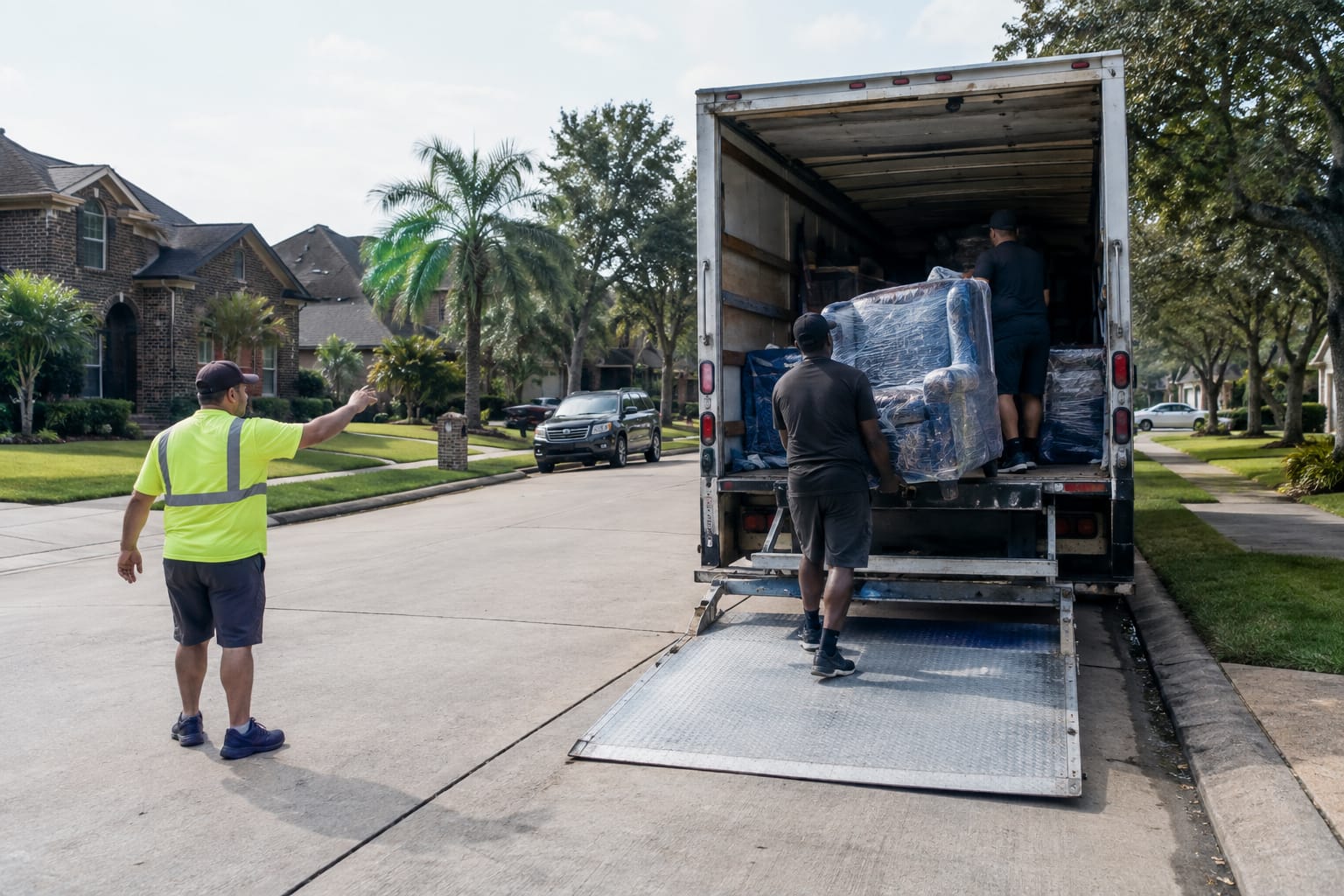
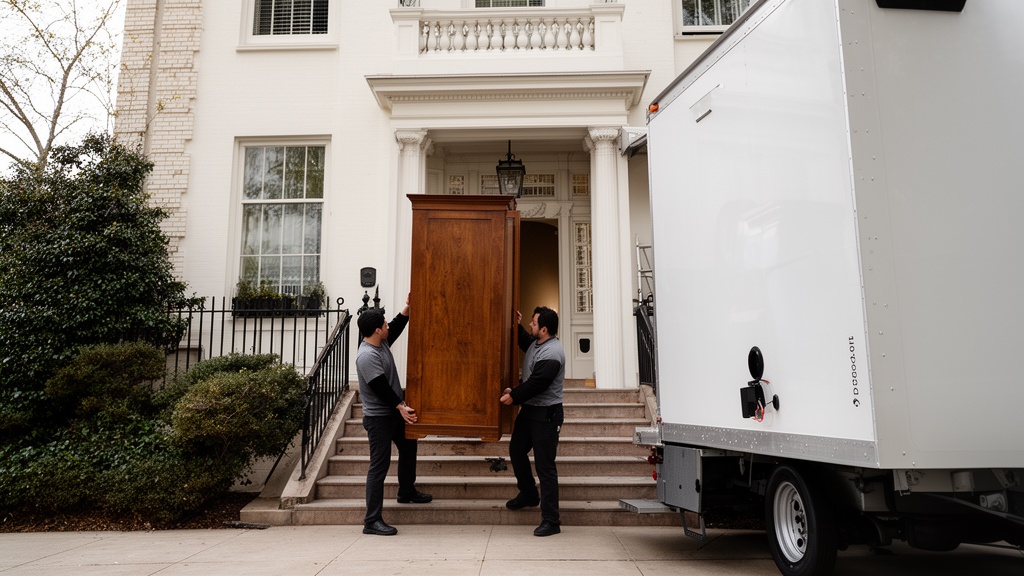
- Hoisting and crane services — For oversized antiques that cannot pass through standard doorways, items can be moved through windows or balconies using professional equipment.
For clients with mixed loads — antiques alongside standard household goods — explore full-service moving options for specialty and high-value items to understand how carriers coordinate complex inventories.
Antique Moving vs. Standard Moving: Key Differences
Standard movers operate on volume — the faster they load and unload, the more moves they complete per day. Antique movers operate on precision. The practical difference shows up in training, materials, pricing, and liability.
| Factor | Standard Moving | Antique Moving |
|---|---|---|
| Packing materials | Generic blankets, cardboard boxes | Acid-free tissue, custom crates, foam sheeting |
| Staff training | General load/unload | Specialty handling, condition assessment |
| Insurance baseline | Released value ($0.60/lb) | Full value or declared-value options |
| Climate control | Standard cargo conditions | Temperature/humidity-regulated options |
| Pricing basis | Hourly or by weight | Item complexity, crating needs, distance |
| Inventory documentation | Basic bill of lading | Photographic pre/post condition records |
The insurance gap alone justifies the cost difference for high-value pieces. A standard carrier’s released value coverage pays $0.60 per pound — a 15-pound silver candelabra worth $4,000 receives a maximum payout of $9 under that model. Choosing a moving company for antiques means selecting a carrier that treats insurance as a genuine protection mechanism, not a legal formality.
GoBorn can help: Born to Move specializes in art and antique moving with white glove service, custom crating, and full insurance coverage for high-value items — managed by a team with over 11 years of specialty moving experience. Learn more →
How Antique Movers Protect Fragile and High-Value Items
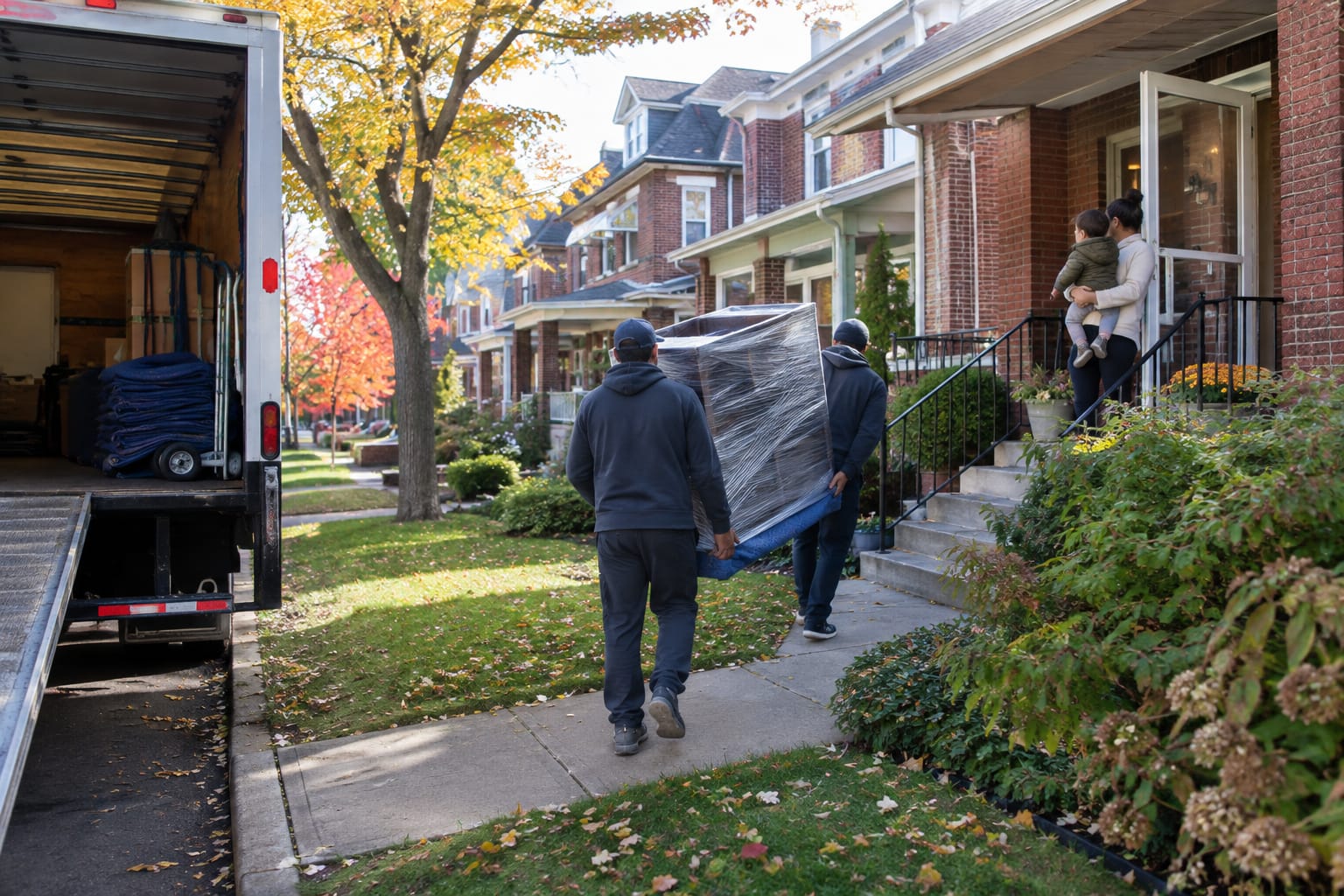
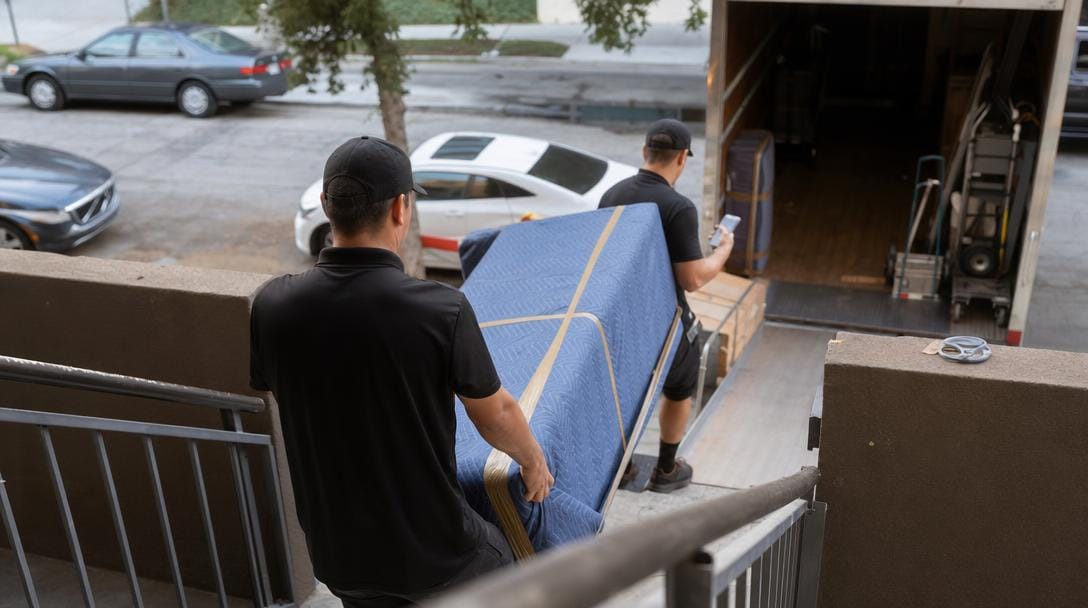
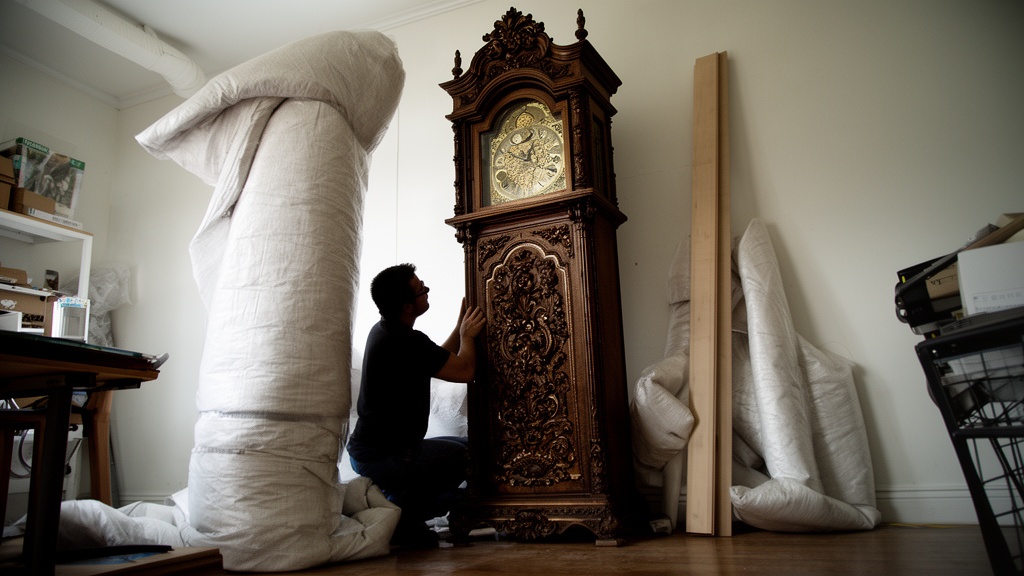
Professional antique transport starts before the truck arrives. A trained mover assesses each piece on-site — examining structural vulnerabilities, existing damage, and weight distribution — before selecting the appropriate packaging method. This pre-move assessment drives every subsequent handling decision.

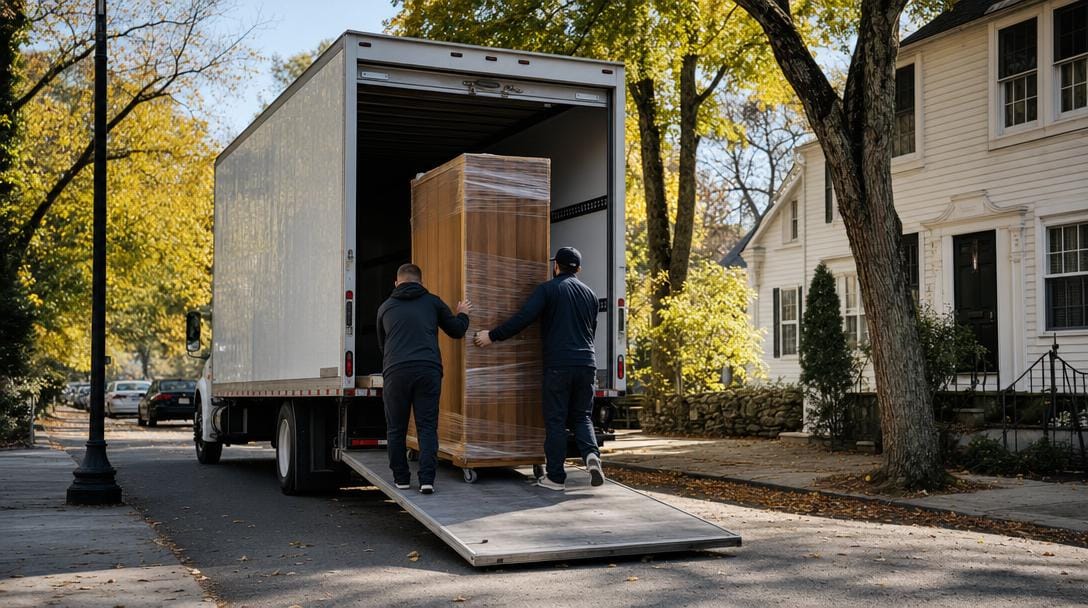
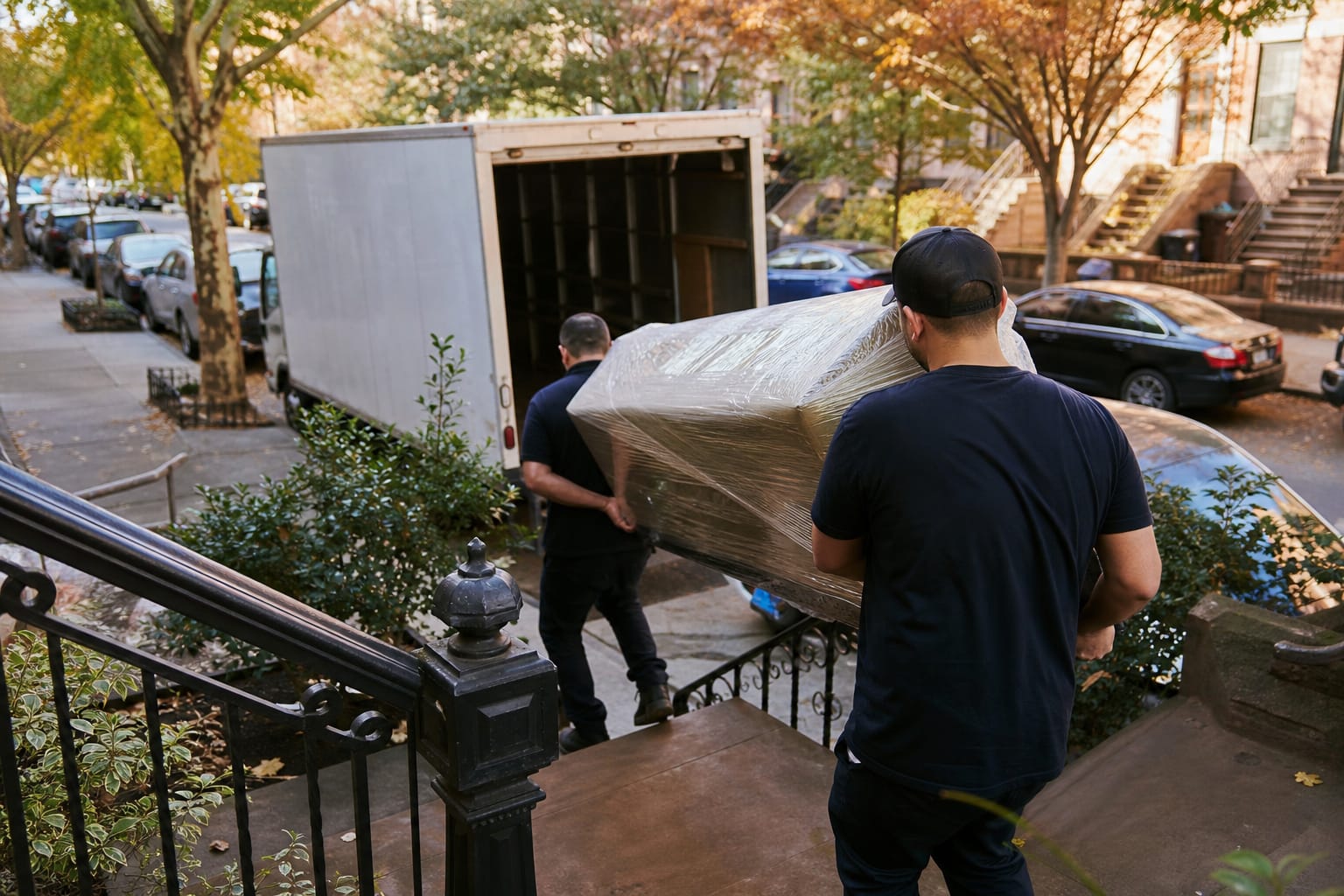
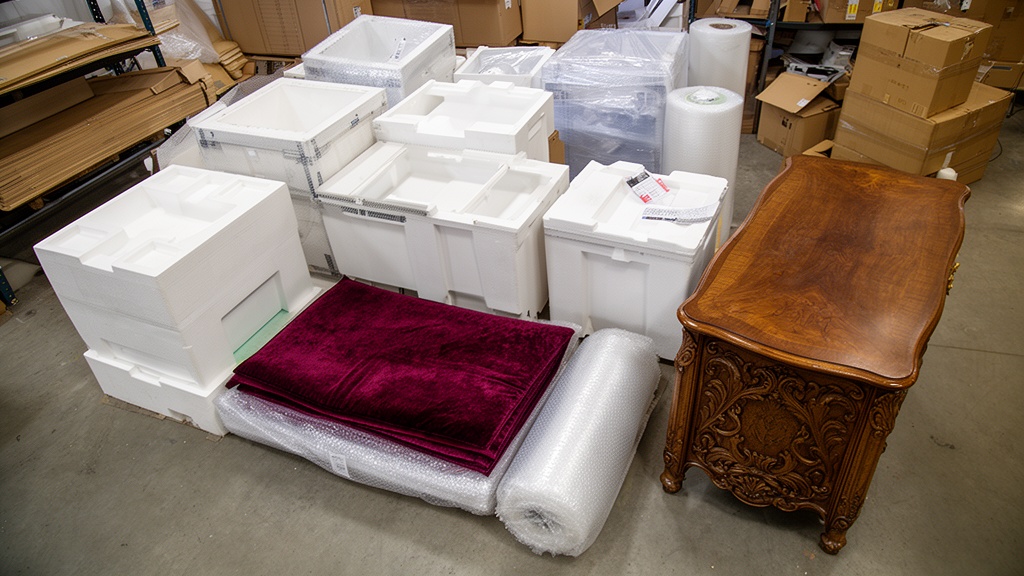
For delicate pieces, the standard protection sequence involves multiple layers: acid-free tissue paper directly against the surface, followed by foam sheeting, then external bubble wrap, then placement inside a custom wood crate for items whose value or fragility warrants it. Fragile item movers also load antiques last and unload them first, never stacking them under heavier household goods. Learn how professional crating techniques for fragile and high-value items differ significantly from standard cardboard boxing.
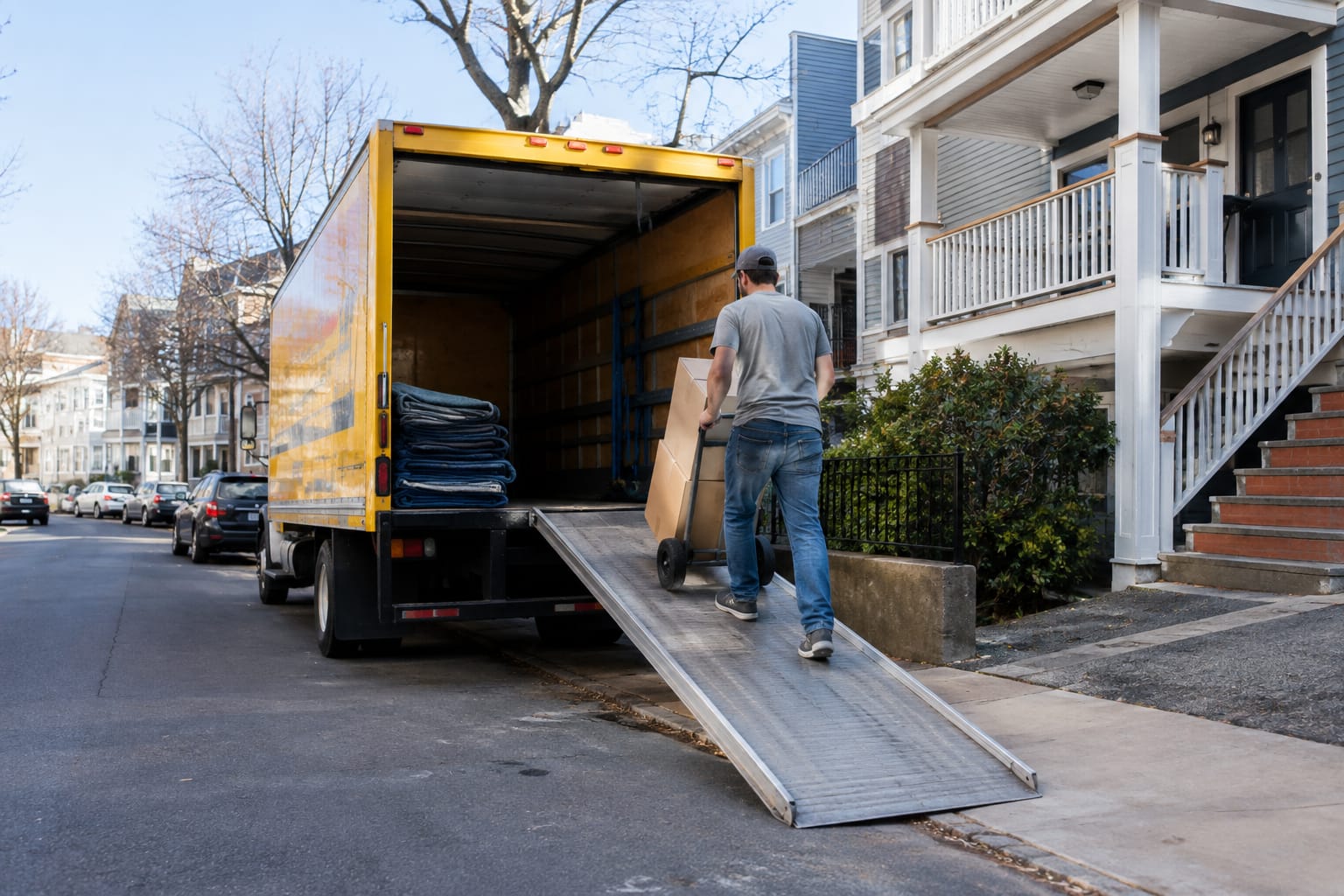
Furniture pads and tie-down straps prevent shifting during transport. For an in-depth look at material layering, how to pack fragile items covers the step-by-step process used by professional teams.
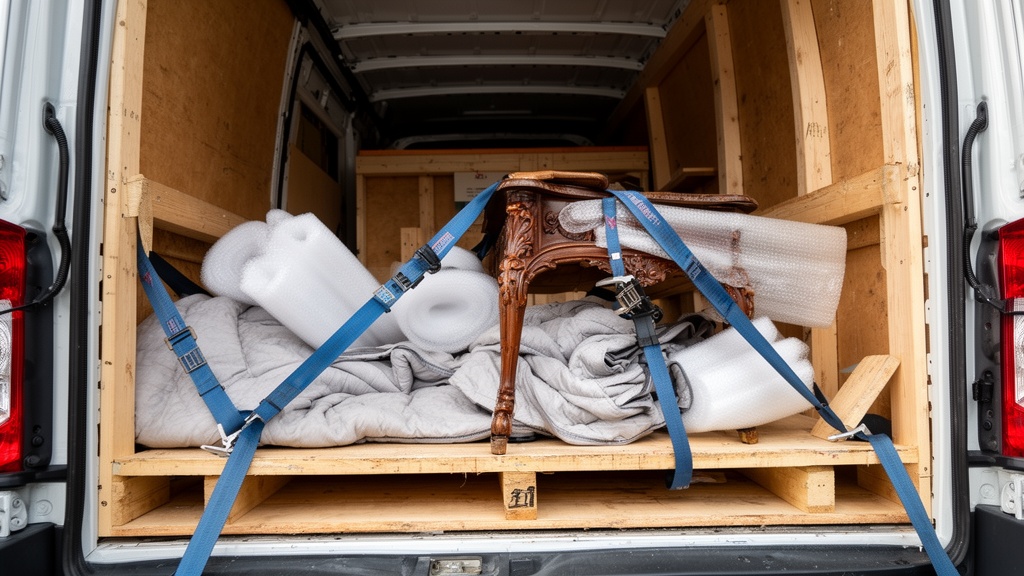
Pro Tip: For wood antiques with inlay or veneer, request climate-controlled transport specifically. Extreme temperature swings during a cross-country drive can cause veneer to separate from the substrate — a repair that often costs more than the climate upgrade itself.
Cost of Hiring an Antique Moving Company
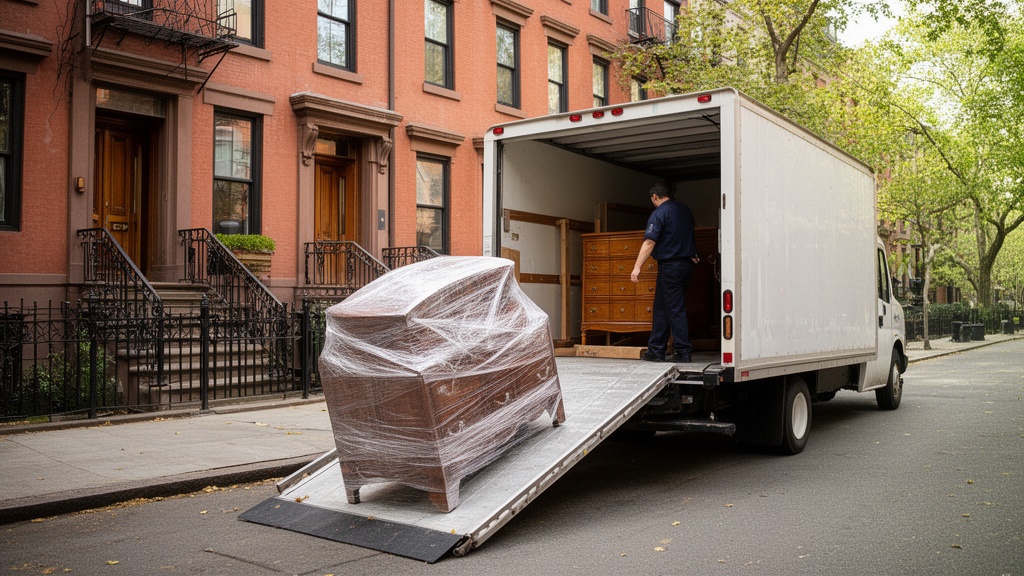
Antique moving cost depends on four primary variables: item count, size and fragility, distance, and service level. A local antique furniture moving service runs higher per hour than standard residential moving because of additional materials and careful handling time. Long-distance moves add declared-value insurance premiums to the total.
| Service Component | Cost Driver | Notes |
|---|---|---|
| Local antique move (1–3 items) | Hourly rate + materials | Crating adds a flat fee per piece |
| Long-distance antique shipment | Weight + declared value | Insurance premium tied to declared value |
| Custom wood crate (per unit) | Labor + materials | Size and structural complexity matter |
| Climate-controlled truck upgrade | Per-mile surcharge | Not offered by all carriers |
| White glove placement service | Per-hour add-on | Includes unpacking and positioning |
High value item movers charge a premium that reflects genuine additional cost — trained staff, specialty materials, and higher insurance limits all factor in. The antique moving cost premium over standard moving is real, but so is the protection gap for irreplaceable pieces.
Pro Tip: Get three itemized quotes, not three ballpark estimates. A quote that lists crating, padding, transport, and insurance as separate line items lets you compare carriers accurately. A single lump-sum estimate almost always hides where the shortcuts are.
Try GoBorn’s white glove antique moving service: Born to Move’s specialty team handles art, antiques, and fragile heirlooms with custom crating and declared-value coverage — get a transparent, itemized quote with no hidden fees. Get started →
Questions to Ask Before Trusting Movers with Antiques
Vetting specialty movers for antiques requires specific, direct questions — not just a review of the company’s website. These six questions reveal whether a carrier has genuine expertise or is simply accepting antiques as standard freight.
- Are you FMCSA-registered? Confirm US DOT and MC numbers directly on the FMCSA carrier search before booking.
- What insurance options do you offer for declared-value items? The answer should distinguish between released value protection and full value protection under FMCSA rules.
- Do you offer custom wood crating? In-house crating is preferred over subcontracting — it ensures a single point of accountability.
- Who handles the packing? Trained company employees versus day-labor subcontractors is a meaningful operational difference.
- Can you provide references from antique or estate moves? Legitimate specialty carriers have verifiable client histories specific to high-value items.
- Will you provide a COI? A Certificate of Insurance on request is standard practice for buildings, HOAs, and commercial properties.
The antique moving company you hire should answer all six questions confidently and in writing. Understanding antique moving insurance terms before signing protects both the items and the client. Vague responses on insurance — or an inability to distinguish valuation types — are disqualifying signals.
White Glove vs. Standard Service for Antique Moves
White glove antique moving is a comprehensive service model — not just upgraded packaging. Standard antique moving covers transport and protective wrapping. White glove moving services add unpacking, debris removal, room-of-choice placement, and assembly or reassembly at the destination.
| Feature | Standard Antique Service | White Glove Antique Moving |
|---|---|---|
| Pre-move condition assessment | Yes | Yes (with photographic documentation) |
| Custom crating | Optional add-on | Included for qualifying items |
| Climate-controlled transport | Optional upgrade | Available by default |
| Unpacking at destination | No | Yes |
| Room-of-choice placement | No | Yes |
| Assembly/reassembly | No | Yes |
| Debris removal | No | Yes |
| Dedicated specialist crew | No | Yes |
White glove moving services are appropriate for heirloom furniture, fine art, and any piece where placement precision matters as much as safe transit. Born to Move offers white glove moving as a standalone service for single-item antique deliveries and full estate relocations alike.
For related specialty moves — particularly keyboard instruments — the same level of care applies. See moving a piano safely for how certified technicians handle structurally fragile large items. The same criteria that apply to antique movers — licensing, insurance, and specialty equipment — matter equally when hiring an appliance moving company for heavy household equipment relocations.
How to Document Your Antiques Before the Move
Documentation is the financial and legal foundation of any antique move. Without pre-move records, insurance claims become disputes over baseline condition. With them, any damage that occurs during transport has clear evidentiary support.
Pre-move documentation checklist:
- Photograph each item from multiple angles in good natural lighting — include close-ups of existing scratches, chips, or prior repairs
- Measure and weigh significant pieces — weight affects insurance calculations under declared-value policies
- Record the declared value for each item using a recent professional appraisal, not a personal estimate
- Note all mechanical components (clock movements, drawer hardware, hinges) and their current condition
- Create a numbered inventory list with item descriptions and individual declared values
- Sign and date the inventory with your mover at pickup — both parties should retain a copy
This documentation, attached to the bill of lading, creates a legally binding pre-move condition record. Under FMCSA regulations governing valuation, the bill of lading is the contract of carriage — declared value must appear on it, not only in a separate side agreement. Antique moving insurance claims lacking pre-move condition evidence are routinely reduced or denied.
Born to Move: Antique and Specialty Moving with Transparent Pricing
Born to Move is a full-service antique moving company that has operated since 2016 across 11 hub locations — including Boston, New York, Chicago, Los Angeles, Houston, San Francisco, Miami, and Washington DC. The company holds US DOT, MC, Massachusetts MDPU, and Illinois ILCC registrations and provides Certificates of Insurance on request.
For antique and specialty moves, Born to Move’s services include:
- Art and antique moving with white glove handling
- Custom crating for fragile, irregular, and oversized items
- Hoisting and crane services for pieces that cannot pass through standard doorways
- Climate-aware packaging with acid-free and surface-sensitive materials
- Declared-value options and COI provision for building management
Customer Joel noted: “Not one thing was broken or scratched. They are priced fairly… these guys are by far the best VALUE.” Rosie, moving from Reading, MA to Goffstown, NH, shared: “They handled all my things carefully and wrapped everything in blankets and plastic wrap. I also have a large aquarium that was moved without any problems.”
Born to Move supplies packing materials including specialty boxes and wraps directly, eliminating the need to source antique-safe materials independently. The antique furniture moving service operates on a transparent, itemized pricing model with no hidden fees.
Request a quote for your antique move →
Frequently Asked Questions
What makes an antique moving company different from regular movers?
Antique moving companies carry specialized training, materials, and insurance options that standard carriers do not. Standard movers are trained for speed and volume — their default materials are moving blankets and cardboard. Antique movers use acid-free tissue, custom wood crates, foam sheeting, and furniture pads engineered for fragile surfaces. Their insurance options include full value protection and declared-value coverage, while standard carriers default to released value protection that pays only $0.60 per pound regardless of actual item worth. Antique movers also conduct pre-move condition assessments, create photographic inventory records, and control loading sequence to prevent compression damage to high-value pieces.
How much does it cost to move antiques professionally?
Antique moving cost varies based on item count, size, fragility, distance, and service level. Local single-item moves through an antique furniture moving service start at a higher hourly rate than standard moving due to material and careful handling time. Long-distance shipments are priced by weight plus a declared-value insurance premium. Custom wood crating is charged per crate, with size as the primary driver. White glove services add per-hour fees for unpacking and placement. Always request itemized quotes from at least three carriers — a transparent quote lists crating, materials, transport, and insurance separately. Avoid any mover who provides only a lump-sum estimate without line items.
What insurance do antique moving companies carry?
Under FMCSA regulations, interstate movers must offer two valuation options. Released value protection covers $0.60 per pound per item — the legal minimum with no additional cost. Full value protection obligates the carrier to repair, replace, or reimburse at current market value for any item damaged or lost. For high-value antiques, full value protection or a supplemental third-party all-risk policy is the appropriate choice. Always confirm the declared value appears on the bill of lading, not in a separate agreement. Request a Certificate of Insurance from the carrier for any building or HOA requirement.
How do I prepare antiques for a professional move?
Preparing antiques for a professional move involves three parallel tracks: documentation, pre-packing, and coordination with the mover. Document each piece with photographs and an up-to-date appraisal before the mover arrives. Remove detachable components — hardware, drawers, glass inserts — and wrap them separately. For guidance on material layering, see how to pack fragile items for the step-by-step process. Communicate structural vulnerabilities to the moving team: a loose joint, a previous repair, or a hairline crack changes how an item should be handled. Confirm the moving plan in writing, including which pieces receive custom crating and which are wrapped and padded.
Can regular moving companies move antiques?
Technically yes — but without the materials, training, or insurance coverage that specialist antique movers provide. The practical risk is significant: a standard mover’s released value protection pays $0.60 per pound for damage, regardless of actual value or rarity. Standard cardboard boxes and moving blankets are not engineered for items with delicate surfaces, inlay work, or structural fragility. Most reputable general movers will acknowledge their limitations with high-value pieces and refer clients to specialty carriers. If budget constraints make a specialist unaffordable for every item, at minimum hire a specialist for the highest-value pieces and use a quality general mover only for the most structurally robust items in the estate.
Related Articles
- Appliance Moving Company: How to Move Large Appliances — Learn how professional movers handle heavy appliances like refrigerators, washers, and dryers safely and without damage.
- Moving Companies That Move Long Distance: A Full Guide — Everything to know about vetting and hiring carriers for interstate antique and household moves.
- Local Moving Companies Near Me: How to Choose the Best — How to evaluate local carriers when moving antiques within your metro area.
- Best Cheap Moving Companies — Understanding where to save and where not to cut corners when moving valuable items.
- Best Moving Companies Boston — A ranked guide to Boston-area movers, including specialty and white glove carriers.
Recommended
- How Professionals Crate Items for Moving — The step-by-step wood crating process for fragile and high-value items.
- How to Pack Fragile Items — Material layering techniques for protecting antiques during a move.
- Tips and Techniques for Moving a Piano — Specialist guidance for moving one of the most structurally fragile large items.
- Full Service Moving Company Details and Features — What full-service coverage includes for antique and specialty moves.
- Services Typically Offered by Full Service Moving Companies — A breakdown of services across different carrier tiers.