'%3E%3Cpath%20fill='%231B2A47'%20d='M1.605%2016.263c.03-1.139.059-2.482.088-3.971.03-1.49.03-2.832.03-4.03%200-.758%200-1.576-.03-2.51%200-.905-.03-1.84-.03-2.803%200-.496-.028-.964-.028-1.43%200-.468%200-.906-.03-1.315h6.858q2.188%200%203.589.35c.963.234%201.663.643%202.13%201.198.496.555.73%201.372.73%202.394%200%20.788-.176%201.46-.497%201.985-.32.526-.846.935-1.575%201.197-.73.292-1.693.468-2.918.526v.263c1.313.087%202.334.263%203.122.525.758.263%201.342.672%201.692%201.197.35.526.525%201.197.525%202.044%200%201.08-.233%201.927-.67%202.57-.468.642-1.139%201.08-2.102%201.343-.933.262-2.159.408-3.705.408H1.605zm6.537-9.197q1.882%200%202.713-.526c.555-.35.817-.934.817-1.752%200-.905-.292-1.547-.846-1.927s-1.459-.554-2.655-.554H4.757v4.759zm.204%206.92c.934%200%201.663-.088%202.217-.263.555-.176.934-.438%201.197-.818s.38-.876.38-1.518c0-.876-.322-1.49-.934-1.84-.643-.35-1.635-.525-3.035-.525H4.757v4.963zM21.038%2016.555c-1.576%200-2.801-.292-3.618-.905-.817-.614-1.284-1.519-1.372-2.745-.087-1.226.205-2.774.847-4.613s1.43-3.358%202.392-4.584c.963-1.226%202.043-2.131%203.298-2.744C23.839.292%2025.24%200%2026.786%200c1.576%200%202.772.321%203.59.934.816.613%201.283%201.548%201.37%202.774s-.203%202.774-.845%204.613c-.642%201.81-1.43%203.358-2.393%204.584s-2.072%202.132-3.297%202.745a9.8%209.8%200%200%201-4.173.905m.788-2.278c.642%200%201.138-.058%201.371-.116.205-.059.496-.117.847-.322.262-.146.437-.292.554-.408.204-.175.32-.292.438-.41.204-.203.35-.408.496-.583.35-.438.642-.876.963-1.402.233-.408.466-.817.67-1.284.205-.438.38-.905.555-1.372.438-1.198.671-2.278.671-3.183s-.204-1.606-.612-2.131c-.409-.497-1.051-.76-1.897-.76-.467%200-.934.059-1.43.205h-.03c-1.02.292-1.925%201.226-2.042%201.372-.116.117-.467.526-.963%201.343a15.5%2015.5%200%200%200-1.342%202.92c-.408%201.197-.642%202.277-.671%203.182-.03.906.175%201.636.584%202.161q.611.788%201.838.788M14.853%2038.54c-1.576%200-2.802-.292-3.619-.905s-1.284-1.518-1.371-2.744c-.088-1.227.204-2.774.846-4.614s1.43-3.357%202.393-4.584%202.042-2.13%203.297-2.744c1.255-.613%202.655-.905%204.173-.905%201.575%200%202.772.321%203.589.934s1.284%201.548%201.371%202.774c.088%201.226-.204%202.774-.846%204.613-.642%201.81-1.43%203.358-2.393%204.584s-2.072%202.131-3.297%202.745c-1.226.613-2.626.846-4.143.846m.787-2.277c.642%200%201.138-.059%201.372-.117.204-.058.496-.117.846-.321.263-.146.438-.292.554-.409.205-.175.321-.292.438-.409.204-.204.35-.408.496-.584a13%2013%200%200%200%201.634-2.686c.204-.438.38-.905.555-1.372.437-1.197.67-2.277.67-3.182%200-.906-.203-1.606-.612-2.132-.409-.496-1.05-.759-1.897-.759-.467%200-.934.058-1.43.204h-.029c-1.021.292-1.925%201.227-2.042%201.373-.117.116-.467.525-.963%201.343a15.5%2015.5%200%200%200-1.342%202.92c-.409%201.196-.642%202.277-.671%203.182s.175%201.635.583%202.16q.613.789%201.838.789'/%3E%3Cpath%20fill='%23FF515E'%20d='M55.966%2038.57c-1.576%200-2.801-.293-3.618-.906s-1.284-1.518-1.372-2.744c-.087-1.227.204-2.774.846-4.613s1.43-3.358%202.393-4.584c.963-1.227%202.043-2.132%203.297-2.745s2.656-.905%204.173-.905c1.576%200%202.772.321%203.589.934s1.284%201.548%201.371%202.774c.088%201.226-.204%202.774-.846%204.613-.642%201.81-1.43%203.358-2.393%204.584s-2.071%202.131-3.297%202.745c-1.225.613-2.626.846-4.143.846m.788-2.249c.642%200%201.138-.058%201.371-.117.204-.058.496-.116.846-.32.263-.147.438-.293.555-.41a7%207%200%200%200%20.437-.408c.205-.205.35-.41.496-.584a13%2013%200%200%200%201.634-2.686c.205-.438.38-.905.555-1.373.438-1.197.671-2.277.671-3.182s-.204-1.606-.613-2.131c-.408-.497-1.05-.76-1.896-.76-.467%200-.934.059-1.43.205h-.03c-1.02.292-1.925%201.226-2.042%201.372-.117.117-.467.526-.963%201.343a15.5%2015.5%200%200%200-1.342%202.92c-.409%201.197-.642%202.277-.671%203.182s.175%201.635.583%202.16q.614.79%201.839.79'/%3E%3Cpath%20fill='%231B2A47'%20d='M33.06%2016.263c0-.35%200-.935.03-1.81.029-1.051.058-2.103.058-3.154s.03-2.073.03-3.007c0-1.606-.03-3.27-.06-4.993%200-.554-.028-1.08-.028-1.606%200-.525-.03-1.021-.03-1.46h6.828c1.46%200%202.685.117%203.59.38q1.4.394%202.1%201.314.7.963.7%202.628c0%20.992-.174%201.81-.554%202.452-.35.643-.904%201.11-1.604%201.431s-1.576.467-2.627.496v.263q2.058.087%203.064.876c.671.525%201.138%201.372%201.43%202.51.087.41.233%201.023.467%201.84.233.818.408%201.431.554%201.84h-3.414a11%2011%200%200%200-.262-1.022c-.321-1.314-.526-2.19-.584-2.628a5%205%200%200%200-.642-1.46%202.13%202.13%200%200%200-.963-.73c-.408-.146-.934-.233-1.605-.233h-3.326v6.0440000000000005H33.06zm6.332-8.292c1.343%200%202.276-.205%202.86-.613.554-.41.846-1.11.846-2.073%200-.73-.146-1.314-.408-1.723-.263-.409-.671-.7-1.197-.876q-.788-.263-2.1-.263h-3.181v5.519h3.18zM49.4%2016.263l.03-2.745c.029-2.452.029-4.905.029-7.416q0-2.101-.088-5.868h4.085l5.924%2010.335c.087.234.204.438.291.643.117.204.205.408.321.613.38.788.613%201.255.672%201.372h.262c0-.058-.03-.146-.03-.204%200-.059-.028-.117-.028-.175a75%2075%200%200%201-.175-1.314%2010%2010%200%200%201-.088-1.285c0-1.547%200-3.737-.029-6.57V1.84c0-.584-.03-1.11-.03-1.576h2.977c-.03%202.482-.058%205.08-.058%207.766%200%201.694%200%204.438.029%208.292h-4.027l-5.573-9.43c-.875-1.81-1.226-2.511-1.05-2.132-.263-.613-.467-1.08-.613-1.46h-.263c.058.35.117.876.175%201.548.059.7.117%201.168.117%201.46%200%202.978%200%206.306.029%209.985H49.4zM4.698%2038.277c.029-2.627.058-5.255.058-7.883%200-1.576%200-3.503-.029-5.752-1.109%200-2.684%200-4.727.03v-2.453h12.664v2.453c-1.955-.03-3.53-.03-4.756-.03%200%20.584-.03%201.227-.03%201.957s0%201.46-.029%202.218v1.84c0%202.57.03%205.11.059%207.62z'/%3E%3Cpath%20fill='%23FF515E'%20d='M29.441%2038.277c.409-1.05.788-2.102%201.168-3.182s.787-2.16%201.167-3.241c.613-1.693%201.05-2.949%201.342-3.766l1.255-3.65c.116-.38.262-.788.379-1.139.117-.38.263-.73.38-1.05h4.61l-.671%2012.904h.262l8.316-12.905h4.669l-.7%201.869c-.876%202.452-1.343%203.766-1.43%204a501%20501%200%200%200-3.385%2010.16h-2.947c.292-.846.788-2.219%201.459-4.087.175-.526.35-1.08.554-1.606.175-.526.38-1.08.555-1.577.642-1.81%201.342-3.825%202.072-6.014h-.234l-8.724%2013.314h-2.86l.554-13.314h-.175c-.175.496-.38.992-.554%201.489-.175.496-.38%201.022-.555%201.547a163%20163%200%200%200-1.08%203.008c-.145.38-.262.759-.408%201.138-.117.38-.262.73-.408%201.11-.7%201.898-1.284%203.59-1.751%205.05h-2.86zM68.047%2038.277c.175-2.19.32-4.525.467-7.007.058-.905.204-3.912.467-9.051h3.151c-.03.438-.058.934-.088%201.46s-.058%201.08-.087%201.693a264%20264%200%200%201-.409%206.657c-.145%201.986-.35%203.591-.583%204.788h.175Q72.147%2034.892%2073.94%2032a562%20562%200%200%201%204.465-7.066c.32-.496.641-.992.933-1.46s.555-.875.817-1.255h3.268q-.568.832-1.138%201.752c-.408.613-.787%201.255-1.196%201.927-3.88%206.014-6.478%2010.131-7.85%2012.35h-5.193zM79.106%2038.277c.32-.788.758-2.014%201.37-3.65a287%20287%200%200%200%201.577-4.32c.437-1.256.904-2.628%201.4-4.088s.934-2.774%201.313-3.97h11.322l-.846%202.364H87.1l-1.664%204.847%207.645-.088-.612%201.694-7.587-.088-1.75%204.934h8.286l-.846%202.365z'/%3E%3C/g%3E%3Cdefs%3E%3CclipPath%20id='a'%3E%3Cpath%20fill='%23fff'%20d='M0%200h96v40H0z'/%3E%3C/clipPath%3E%3C/defs%3E%3C/svg%3E)
Figuring out what size U-Haul you need comes down to one number: total cargo volume in cubic feet. A studio or one-bedroom home fits a 10' or 15' truck, a two-to-three-bedroom home needs a 20', and a four-bedroom-plus house calls for the 26'. Room count is a shortcut, not the real answer — a densely furnished one-bedroom can out-volume a sparse two-bedroom. Undersize the truck and you pay for a second trip, extra mileage, and a lost half-day. This room-by-room guide gives you a repeatable method to size it right the first time.

Key Takeaways
| Point | Details |
|---|---|
| Volume beats room count | Match cubic feet of belongings to truck capacity, not just how many bedrooms you have. |
| The four core sizes | U-Haul rents 10', 15', 20', and 26' trucks, spanning roughly 400 to 1,682 cu ft per U-Haul's published specs. |
| Most common mismatch | Two-bedroom movers who pick a 15' truck instead of a 20' routinely run out of room. |
| Leave a buffer | Movers plan for 10–15% empty space for shifting furniture and forgotten items. |
| A pro can size it for you | Figuring out the space your belongings need is easier with an in-home or virtual inventory. |
U-Haul Truck Sizes at a Glance (10' to 26')
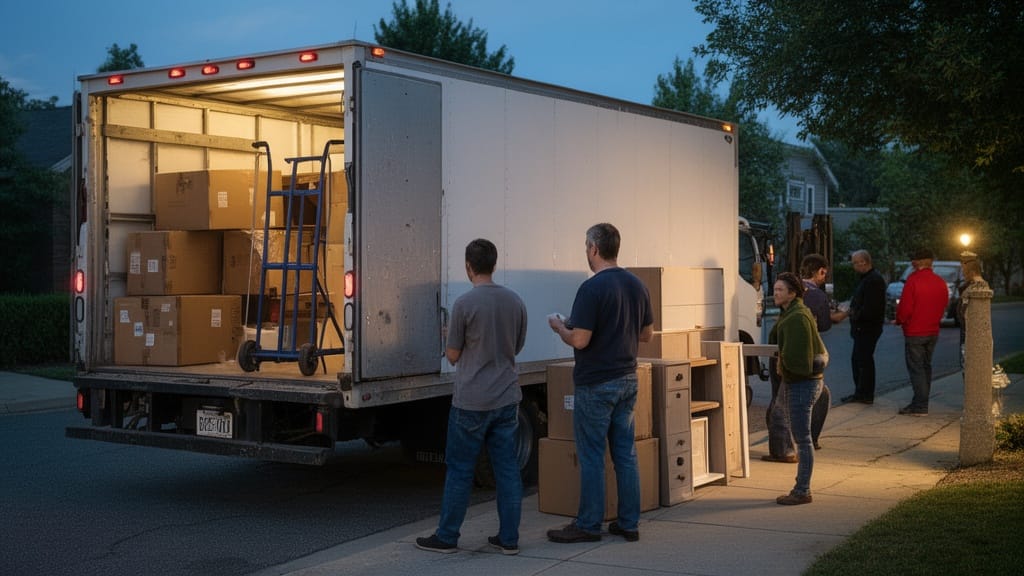
U-Haul rents four main box trucks — 10', 15', 20', and 26' — plus a cargo van and pickup for small loads. Each jump adds roughly 250 to 660 cubic feet of usable space. The table below is your working u-haul size chart, built from the interior u-haul cargo dimensions and volumes U-Haul publishes.
| Truck | Cargo Volume | Interior L × W × H | Best For |
|---|---|---|---|
| Cargo van | ~245 cu ft | 9'6" × 5'7" × 4'7" | A dorm room, a few boxes |
| 10' truck | ~402 cu ft | 9'11" × 6'4" × 6'2" | Studio, 1 bedroom |
| 15' truck | ~764 cu ft | 15' × 7'8" × 7'2" | Small 2 bedroom |
| 20' truck | ~1,016 cu ft | 19'6" × 7'8" × 7'2" | 2–3 bedrooms |
| 26' truck | ~1,682 cu ft | 26'5" × 8' × 8'3" | 4+ bedrooms |
These figures reflect U-Haul truck capacity as listed on the company's rental pages. Note the 15' and 20' share the same width and height — the 20' simply adds four and a half feet of floor length. That extra length is what separates a cramped move from a comfortable one.
Q: How much can a 26-foot U-Haul hold?
A: The 26' truck offers roughly 1,682 cubic feet of cargo space — enough for a fully furnished four-bedroom home per U-Haul's published u-haul truck sizes.
Why Guessing Wrong Costs You Money and a Second Trip
Undersizing is the single most expensive sizing mistake. When the truck fills before the house empties, you either leave belongings behind or drive back — burning fuel, mileage charges, and hours you did not budget. On a long-distance move, a second trip is often impossible.
Oversizing wastes money too, but less dramatically. A too-big truck costs more per day and per mile, and loosely packed furniture shifts and gets damaged in transit. The goal is the smallest truck that fits your load with a modest buffer.
Pro Tip: Before you book, do a fast walkthrough and photograph every room. A 20-minute inventory beats an on-the-day guess and gives any mover a precise basis for a quote.
Q: What happens if my U-Haul is too small?
A: You either abandon items or make a second trip, adding mileage fees and hours — the exact cost this guide helps you avoid by sizing to cubic feet.
Studio and One-Bedroom: What Fits in a 10' or 15'
A studio or lightly furnished one-bedroom fits the 10' truck; add a home office, a full bedroom set, or a sofa sectional and you want the 15'. The debate here is really 10 foot vs 15 foot u-haul, and the deciding factor is bulky furniture, not box count.

The 10-foot truck swallows a queen mattress, a small dresser, a loveseat, and a stack of boxes with room to spare — but no more. The 15-foot truck adds enough length for a king bed, a full-size sofa, a dining set, and appliances if you own them.
Q: Is a 15-foot U-Haul big enough for a 1-bedroom?
A: Yes. A 15' U-Haul (~764 cu ft) comfortably holds a standard one-bedroom, including a king bed, sofa, and 15–20 boxes, with buffer space left over.
Both trucks include a low, wide loading ramp and "Mom's Attic" — the storage nook above the cab that's perfect for lamps, mirrors, and fragile flat items.
Two to Three Bedrooms: Sizing the 20' Truck
The 20' truck is the right call for most two-to-three-bedroom homes. When people ask what size truck for 2 bedroom apartment moves, the honest answer is: the 15' works only for a small, sparsely furnished unit — the 20' is the safe default.
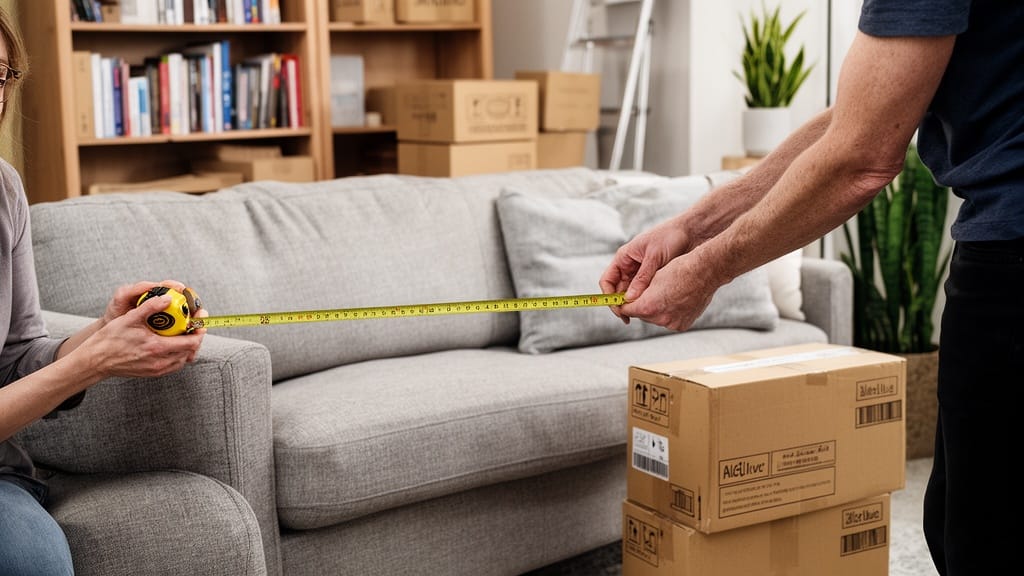
Here's a real-world example. A typical two-bedroom apartment — two beds, a sofa, a dining table, a dresser, a bookshelf, appliances, and 30-plus boxes — runs close to 900 cubic feet loaded. That squeezes into a 15' truck only if you play Tetris and skip the buffer. Load the same apartment into a 20' truck and it fits with a comfortable margin for awkward items and shifting.
The difference between the two shows up on moving day. In the 15', furniture is stacked to the ceiling with no give; in the 20', the load is stable and quick to secure with the tie-down rails.
Born to Move can help: If sizing a rental feels like a gamble, Born to Move's local movers can assess your inventory and handle the truck, loading, and even storage for you. Learn more →
Four Bedrooms and Up: When You Need the 26'
A four-bedroom house needs the 26' truck — full stop. At roughly 1,682 cubic feet, it holds the contents of a large home in one load, sparing you the second trip that a 20' would force.
The 26' also has the tallest interior at over eight feet, which matters for standing bookcases, wardrobes, and tall appliances. Its longer ramp makes loading heavy pieces less punishing on your back and your movers.
Pro Tip: For a home this size, load in three passes — heaviest and largest items against the cab first, mid-weight furniture next, then boxes and soft goods filling the gaps. This keeps the load balanced and the truck legal to drive.
If you're moving cross-country, review how to pack a truck for a long-distance move before you start — weight distribution matters more the farther you drive.
The Room-by-Room Volume Method

This is the method that beats every generic label. Instead of trusting a "fits a 2-bedroom" tag, add up the cubic feet of your actual belongings, then match the total to a truck. It's the core of any reliable moving truck size guide.
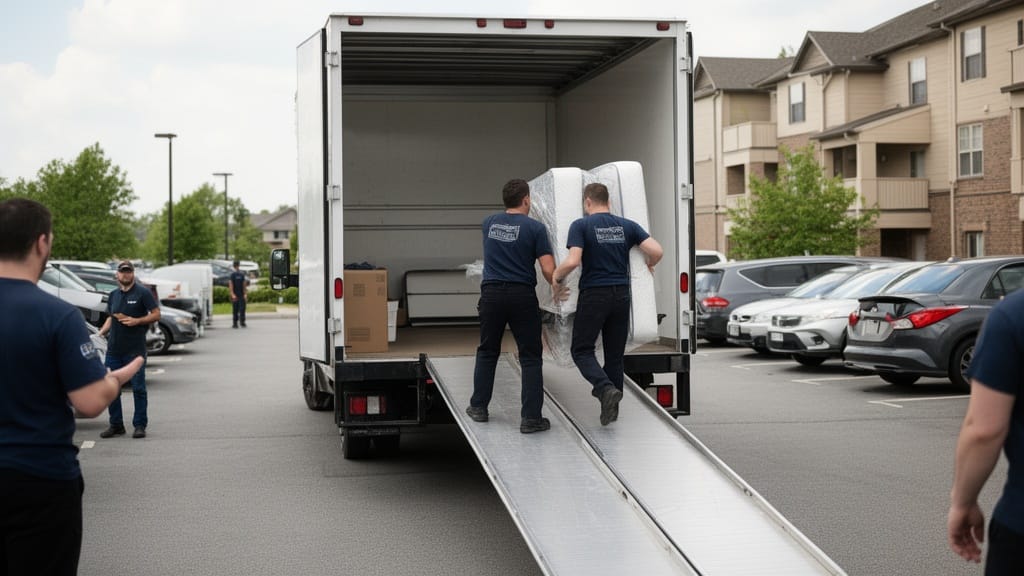
Movers commonly estimate furniture volume like this:
| Item | Approx. Volume |
|---|---|
| Queen mattress + box spring | ~65 cu ft |
| Three-seat sofa | ~50 cu ft |
| Refrigerator | ~45 cu ft |
| Dresser or armoire | ~30 cu ft |
| Dining table | ~30 cu ft |
| Bookshelf | ~20 cu ft |
| Standard medium box | ~3–4 cu ft |
Walk each room, list the big pieces, and count your boxes. Add the totals, then add 15% for buffer. Match the final number to the size chart above: under 400 cu ft picks the 10', under 764 the 15', under 1,016 the 20', and beyond that the 26'.
Pro Tip: Count boxes in packing units, not guesses. Fifty medium boxes is roughly 175–200 cubic feet on its own — enough to bump you up a truck size before a single piece of furniture is loaded.
Still unsure how big of a u-haul do i need? A quick virtual survey with a mover converts your photo inventory into a precise volume and a confident recommendation.
Special Items That Change the Math (Pianos, Appliances, Gym Gear)
Certain items break the room-by-room rules. An upright piano, a full weight rack, a treadmill, or a chest freezer each eats disproportionate space and demands careful placement — usually against the cab wall, loaded first.
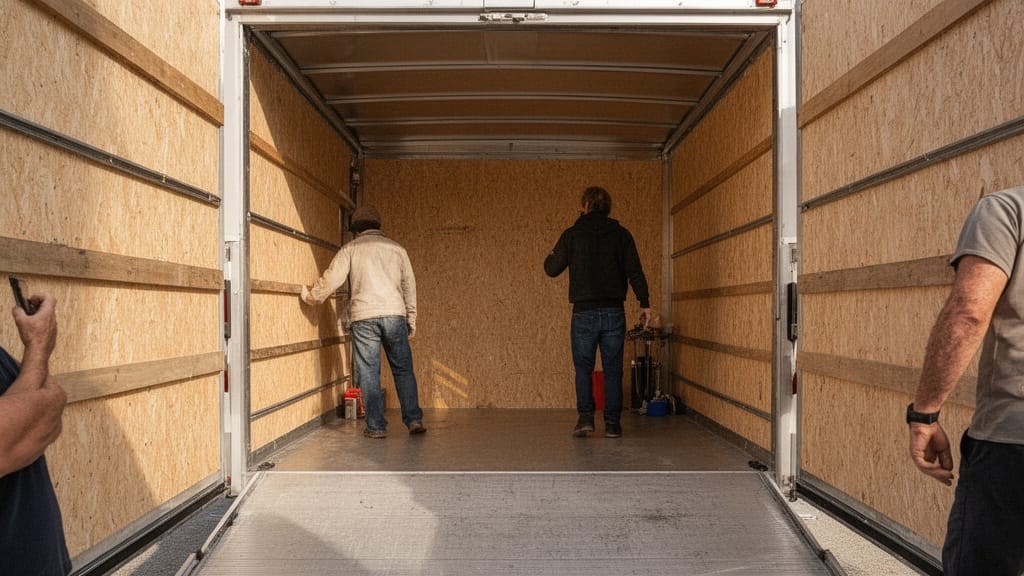
Appliances and oversized furniture also need prep. Refrigerators must be defrosted and secured; pianos need specialized moving equipment and, sometimes, hoisting. Born to Move's specialty crews handle piano moving, safes, and white-glove pieces that a standard rental setup isn't built for.
Before any of it goes up the ramp, spend time preparing your furniture before loading — disassembled bed frames and wrapped surfaces both save space and prevent damage.
If you own two or more of these heavy specialty items, size up a level. The math for a two-bedroom with a piano and a home gym looks more like a three-bedroom.
When to Size Up vs. Make Two Trips
When your estimate lands within about 10% of a truck's ceiling, size up. The extra day rate on the next truck almost always costs less than a return trip's fuel, mileage, and lost time — and it protects your furniture from over-packing.
Make two trips only when the move is short and local, the overflow is small, and a larger truck genuinely isn't available. For any long-distance or one-way move, a second trip is off the table, so build in the buffer from the start.
The practical rule from movers: leave roughly 10–15% of the box empty when you think you're done. That margin absorbs the closet you forgot, the garage you underestimated, and the natural shifting of a loaded truck. Driving a fully packed rental also demands care — review the Federal Motor Carrier Safety Administration's guidance on operating larger vehicles before you hit the highway. With more than 8% of Americans relocating in a typical year per the U.S. Census Bureau, sizing your truck right is one of the most repeatable ways to keep a move on budget.
Related Articles
- The True Cost of a U-Haul Move: Rental, Mileage, Fuel and Fees — break down every charge so the quoted rate matches your final bill.
- Moving Cross-Country in a U-Haul: What Nobody Tells You — learn the long-haul realities of fuel, timing, and one-way logistics.
- U-Haul Moving Help: When to Hire Loaders and When to DIY — decide when paid loaders beat doing it all yourself.
- U-Haul U-Box vs a Rental Truck: Which Is Right for Your Move? — compare portable containers against driving a truck yourself.
- Renting Your First U-Haul? A Nervous First-Timer's Playbook — a step-by-step walkthrough for a stress-free first rental.
Recommended Reading
- How to Pack a Truck for a Long Distance Move
- Tips on How to Prepare Furniture When Relocating
- How to Properly Load a Moving Pod
- How to Get an Accurate Quote for a 1-2 Bedroom Apartment Move
- How Can I Know Which Storage Unit I Need for My Move?
Frequently Asked Questions