'%3E%3Cpath%20fill='%231B2A47'%20d='M1.605%2016.263c.03-1.139.059-2.482.088-3.971.03-1.49.03-2.832.03-4.03%200-.758%200-1.576-.03-2.51%200-.905-.03-1.84-.03-2.803%200-.496-.028-.964-.028-1.43%200-.468%200-.906-.03-1.315h6.858q2.188%200%203.589.35c.963.234%201.663.643%202.13%201.198.496.555.73%201.372.73%202.394%200%20.788-.176%201.46-.497%201.985-.32.526-.846.935-1.575%201.197-.73.292-1.693.468-2.918.526v.263c1.313.087%202.334.263%203.122.525.758.263%201.342.672%201.692%201.197.35.526.525%201.197.525%202.044%200%201.08-.233%201.927-.67%202.57-.468.642-1.139%201.08-2.102%201.343-.933.262-2.159.408-3.705.408H1.605zm6.537-9.197q1.882%200%202.713-.526c.555-.35.817-.934.817-1.752%200-.905-.292-1.547-.846-1.927s-1.459-.554-2.655-.554H4.757v4.759zm.204%206.92c.934%200%201.663-.088%202.217-.263.555-.176.934-.438%201.197-.818s.38-.876.38-1.518c0-.876-.322-1.49-.934-1.84-.643-.35-1.635-.525-3.035-.525H4.757v4.963zM21.038%2016.555c-1.576%200-2.801-.292-3.618-.905-.817-.614-1.284-1.519-1.372-2.745-.087-1.226.205-2.774.847-4.613s1.43-3.358%202.392-4.584c.963-1.226%202.043-2.131%203.298-2.744C23.839.292%2025.24%200%2026.786%200c1.576%200%202.772.321%203.59.934.816.613%201.283%201.548%201.37%202.774s-.203%202.774-.845%204.613c-.642%201.81-1.43%203.358-2.393%204.584s-2.072%202.132-3.297%202.745a9.8%209.8%200%200%201-4.173.905m.788-2.278c.642%200%201.138-.058%201.371-.116.205-.059.496-.117.847-.322.262-.146.437-.292.554-.408.204-.175.32-.292.438-.41.204-.203.35-.408.496-.583.35-.438.642-.876.963-1.402.233-.408.466-.817.67-1.284.205-.438.38-.905.555-1.372.438-1.198.671-2.278.671-3.183s-.204-1.606-.612-2.131c-.409-.497-1.051-.76-1.897-.76-.467%200-.934.059-1.43.205h-.03c-1.02.292-1.925%201.226-2.042%201.372-.116.117-.467.526-.963%201.343a15.5%2015.5%200%200%200-1.342%202.92c-.408%201.197-.642%202.277-.671%203.182-.03.906.175%201.636.584%202.161q.611.788%201.838.788M14.853%2038.54c-1.576%200-2.802-.292-3.619-.905s-1.284-1.518-1.371-2.744c-.088-1.227.204-2.774.846-4.614s1.43-3.357%202.393-4.584%202.042-2.13%203.297-2.744c1.255-.613%202.655-.905%204.173-.905%201.575%200%202.772.321%203.589.934s1.284%201.548%201.371%202.774c.088%201.226-.204%202.774-.846%204.613-.642%201.81-1.43%203.358-2.393%204.584s-2.072%202.131-3.297%202.745c-1.226.613-2.626.846-4.143.846m.787-2.277c.642%200%201.138-.059%201.372-.117.204-.058.496-.117.846-.321.263-.146.438-.292.554-.409.205-.175.321-.292.438-.409.204-.204.35-.408.496-.584a13%2013%200%200%200%201.634-2.686c.204-.438.38-.905.555-1.372.437-1.197.67-2.277.67-3.182%200-.906-.203-1.606-.612-2.132-.409-.496-1.05-.759-1.897-.759-.467%200-.934.058-1.43.204h-.029c-1.021.292-1.925%201.227-2.042%201.373-.117.116-.467.525-.963%201.343a15.5%2015.5%200%200%200-1.342%202.92c-.409%201.196-.642%202.277-.671%203.182s.175%201.635.583%202.16q.613.789%201.838.789'/%3E%3Cpath%20fill='%23FF515E'%20d='M55.966%2038.57c-1.576%200-2.801-.293-3.618-.906s-1.284-1.518-1.372-2.744c-.087-1.227.204-2.774.846-4.613s1.43-3.358%202.393-4.584c.963-1.227%202.043-2.132%203.297-2.745s2.656-.905%204.173-.905c1.576%200%202.772.321%203.589.934s1.284%201.548%201.371%202.774c.088%201.226-.204%202.774-.846%204.613-.642%201.81-1.43%203.358-2.393%204.584s-2.071%202.131-3.297%202.745c-1.225.613-2.626.846-4.143.846m.788-2.249c.642%200%201.138-.058%201.371-.117.204-.058.496-.116.846-.32.263-.147.438-.293.555-.41a7%207%200%200%200%20.437-.408c.205-.205.35-.41.496-.584a13%2013%200%200%200%201.634-2.686c.205-.438.38-.905.555-1.373.438-1.197.671-2.277.671-3.182s-.204-1.606-.613-2.131c-.408-.497-1.05-.76-1.896-.76-.467%200-.934.059-1.43.205h-.03c-1.02.292-1.925%201.226-2.042%201.372-.117.117-.467.526-.963%201.343a15.5%2015.5%200%200%200-1.342%202.92c-.409%201.197-.642%202.277-.671%203.182s.175%201.635.583%202.16q.614.79%201.839.79'/%3E%3Cpath%20fill='%231B2A47'%20d='M33.06%2016.263c0-.35%200-.935.03-1.81.029-1.051.058-2.103.058-3.154s.03-2.073.03-3.007c0-1.606-.03-3.27-.06-4.993%200-.554-.028-1.08-.028-1.606%200-.525-.03-1.021-.03-1.46h6.828c1.46%200%202.685.117%203.59.38q1.4.394%202.1%201.314.7.963.7%202.628c0%20.992-.174%201.81-.554%202.452-.35.643-.904%201.11-1.604%201.431s-1.576.467-2.627.496v.263q2.058.087%203.064.876c.671.525%201.138%201.372%201.43%202.51.087.41.233%201.023.467%201.84.233.818.408%201.431.554%201.84h-3.414a11%2011%200%200%200-.262-1.022c-.321-1.314-.526-2.19-.584-2.628a5%205%200%200%200-.642-1.46%202.13%202.13%200%200%200-.963-.73c-.408-.146-.934-.233-1.605-.233h-3.326v6.0440000000000005H33.06zm6.332-8.292c1.343%200%202.276-.205%202.86-.613.554-.41.846-1.11.846-2.073%200-.73-.146-1.314-.408-1.723-.263-.409-.671-.7-1.197-.876q-.788-.263-2.1-.263h-3.181v5.519h3.18zM49.4%2016.263l.03-2.745c.029-2.452.029-4.905.029-7.416q0-2.101-.088-5.868h4.085l5.924%2010.335c.087.234.204.438.291.643.117.204.205.408.321.613.38.788.613%201.255.672%201.372h.262c0-.058-.03-.146-.03-.204%200-.059-.028-.117-.028-.175a75%2075%200%200%201-.175-1.314%2010%2010%200%200%201-.088-1.285c0-1.547%200-3.737-.029-6.57V1.84c0-.584-.03-1.11-.03-1.576h2.977c-.03%202.482-.058%205.08-.058%207.766%200%201.694%200%204.438.029%208.292h-4.027l-5.573-9.43c-.875-1.81-1.226-2.511-1.05-2.132-.263-.613-.467-1.08-.613-1.46h-.263c.058.35.117.876.175%201.548.059.7.117%201.168.117%201.46%200%202.978%200%206.306.029%209.985H49.4zM4.698%2038.277c.029-2.627.058-5.255.058-7.883%200-1.576%200-3.503-.029-5.752-1.109%200-2.684%200-4.727.03v-2.453h12.664v2.453c-1.955-.03-3.53-.03-4.756-.03%200%20.584-.03%201.227-.03%201.957s0%201.46-.029%202.218v1.84c0%202.57.03%205.11.059%207.62z'/%3E%3Cpath%20fill='%23FF515E'%20d='M29.441%2038.277c.409-1.05.788-2.102%201.168-3.182s.787-2.16%201.167-3.241c.613-1.693%201.05-2.949%201.342-3.766l1.255-3.65c.116-.38.262-.788.379-1.139.117-.38.263-.73.38-1.05h4.61l-.671%2012.904h.262l8.316-12.905h4.669l-.7%201.869c-.876%202.452-1.343%203.766-1.43%204a501%20501%200%200%200-3.385%2010.16h-2.947c.292-.846.788-2.219%201.459-4.087.175-.526.35-1.08.554-1.606.175-.526.38-1.08.555-1.577.642-1.81%201.342-3.825%202.072-6.014h-.234l-8.724%2013.314h-2.86l.554-13.314h-.175c-.175.496-.38.992-.554%201.489-.175.496-.38%201.022-.555%201.547a163%20163%200%200%200-1.08%203.008c-.145.38-.262.759-.408%201.138-.117.38-.262.73-.408%201.11-.7%201.898-1.284%203.59-1.751%205.05h-2.86zM68.047%2038.277c.175-2.19.32-4.525.467-7.007.058-.905.204-3.912.467-9.051h3.151c-.03.438-.058.934-.088%201.46s-.058%201.08-.087%201.693a264%20264%200%200%201-.409%206.657c-.145%201.986-.35%203.591-.583%204.788h.175Q72.147%2034.892%2073.94%2032a562%20562%200%200%201%204.465-7.066c.32-.496.641-.992.933-1.46s.555-.875.817-1.255h3.268q-.568.832-1.138%201.752c-.408.613-.787%201.255-1.196%201.927-3.88%206.014-6.478%2010.131-7.85%2012.35h-5.193zM79.106%2038.277c.32-.788.758-2.014%201.37-3.65a287%20287%200%200%200%201.577-4.32c.437-1.256.904-2.628%201.4-4.088s.934-2.774%201.313-3.97h11.322l-.846%202.364H87.1l-1.664%204.847%207.645-.088-.612%201.694-7.587-.088-1.75%204.934h8.286l-.846%202.365z'/%3E%3C/g%3E%3Cdefs%3E%3CclipPath%20id='a'%3E%3Cpath%20fill='%23fff'%20d='M0%200h96v40H0z'/%3E%3C/clipPath%3E%3C/defs%3E%3C/svg%3E)
Load a U-Haul by placing the heaviest items against the cab wall first, building floor-to-ceiling tiers, and strapping each tier down before starting the next. Keep weight low and balanced side to side. That single sequence prevents the shifting, tipping, and crushed boxes that ruin most DIY moves.
Most damage on a self-move happens inside the truck, not on the road. Boxes crush because heavy items sit on top of light ones. Furniture gouges because nothing held it in place. Here is exactly how professional movers pack a truck so it arrives the way it left.
Key Takeaways
| Point | Details |
|---|---|
| Load heavy first | Appliances, dressers, and heavy boxes go against the cab wall to anchor the load and keep weight forward. |
| Build in tiers | Pack floor-to-ceiling in vertical walls, then strap each tier before moving on — this stops shifting in transit. |
| Balance the weight | Distribute heavy items evenly left to right; the FMCSA cargo securement rules exist because unbalanced loads cause rollovers. |
| Wrap before you load | Furniture pads and moving blankets prevent a significant share of surface damage — wrap dressers, tables, and TVs first. |
| Know when to hire | Some Boston movers will load a rental truck by the hour; see how much movers cost. |
How the Pros Load a U-Haul So Nothing Breaks
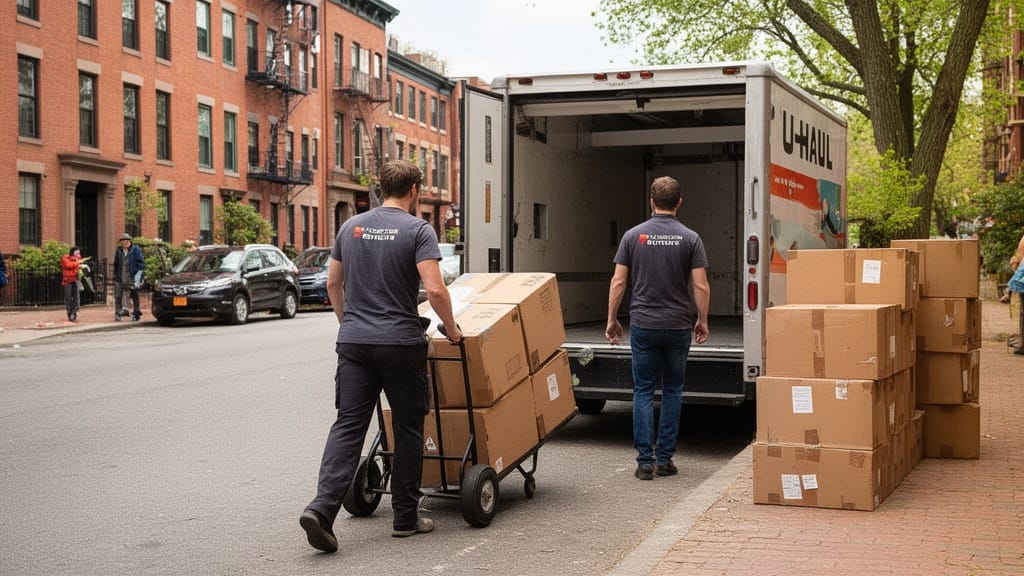
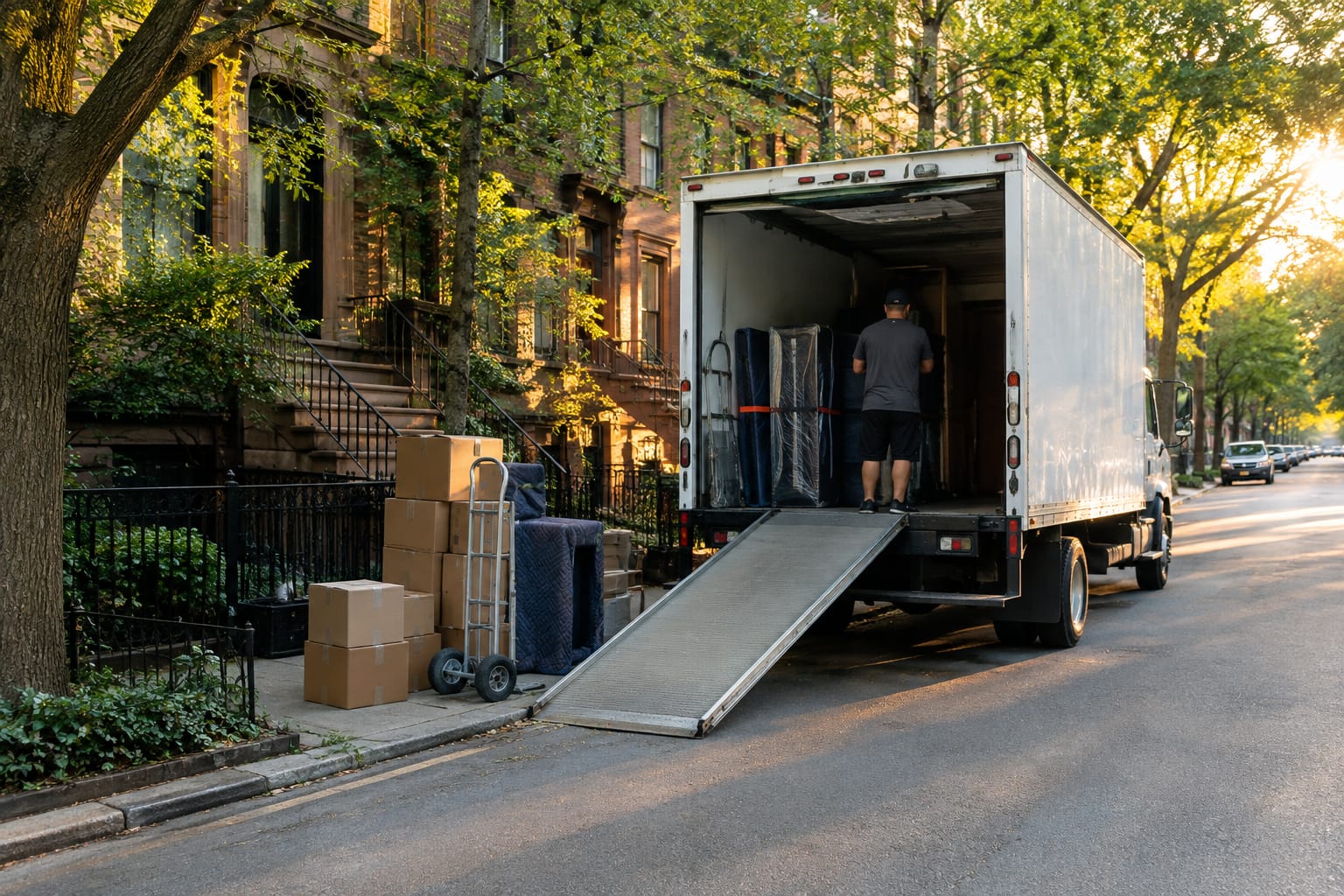
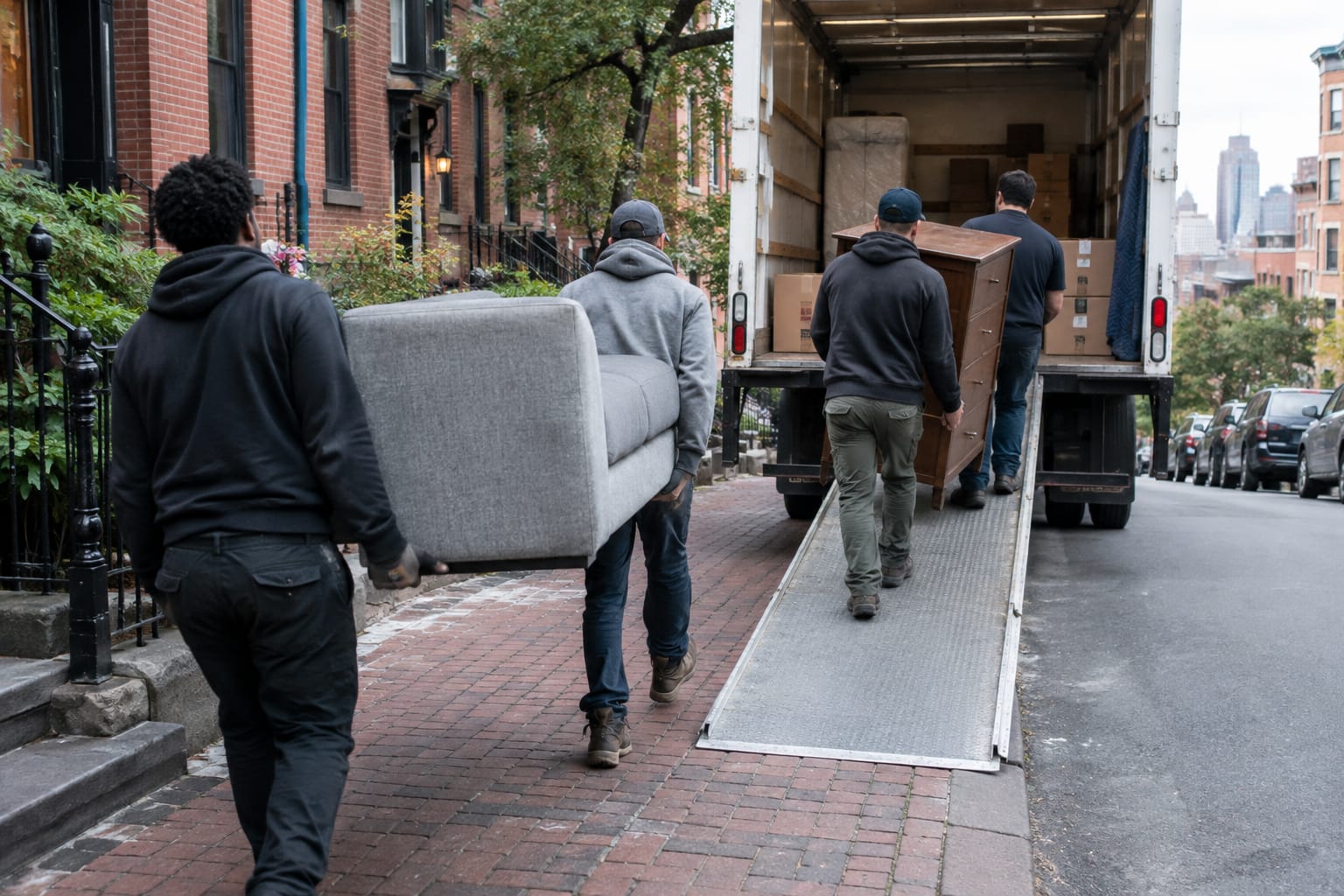
Professional movers treat the truck like a puzzle with one rule: everything locks together into a solid, immovable block. Air gaps are the enemy. When items can slide, they build momentum, and momentum breaks things.
The method has three phases. Anchor the heavy items forward, build tight vertical tiers, then secure each tier with straps before it can move. Do this and a 90-minute highway run to New York feels no different from a trip across Boston.
Q: How do professional movers pack a moving truck?
A: They load heaviest-first against the cab, build floor-to-ceiling tiers with no gaps, and ratchet-strap each tier to the truck's wall anchors before starting the next.
The difference between a pro load and a panic load is not strength. It is sequence. Follow the order below and you get the same result without the moving-day chaos.
Before You Load: Gear, Pads, and Straps You Need
Good loading starts with the right equipment staged before the first box moves. Renting a truck without the gear to secure it is how furniture ends up scratched and boxes end up flattened.
Here is the core kit professionals bring to every job:
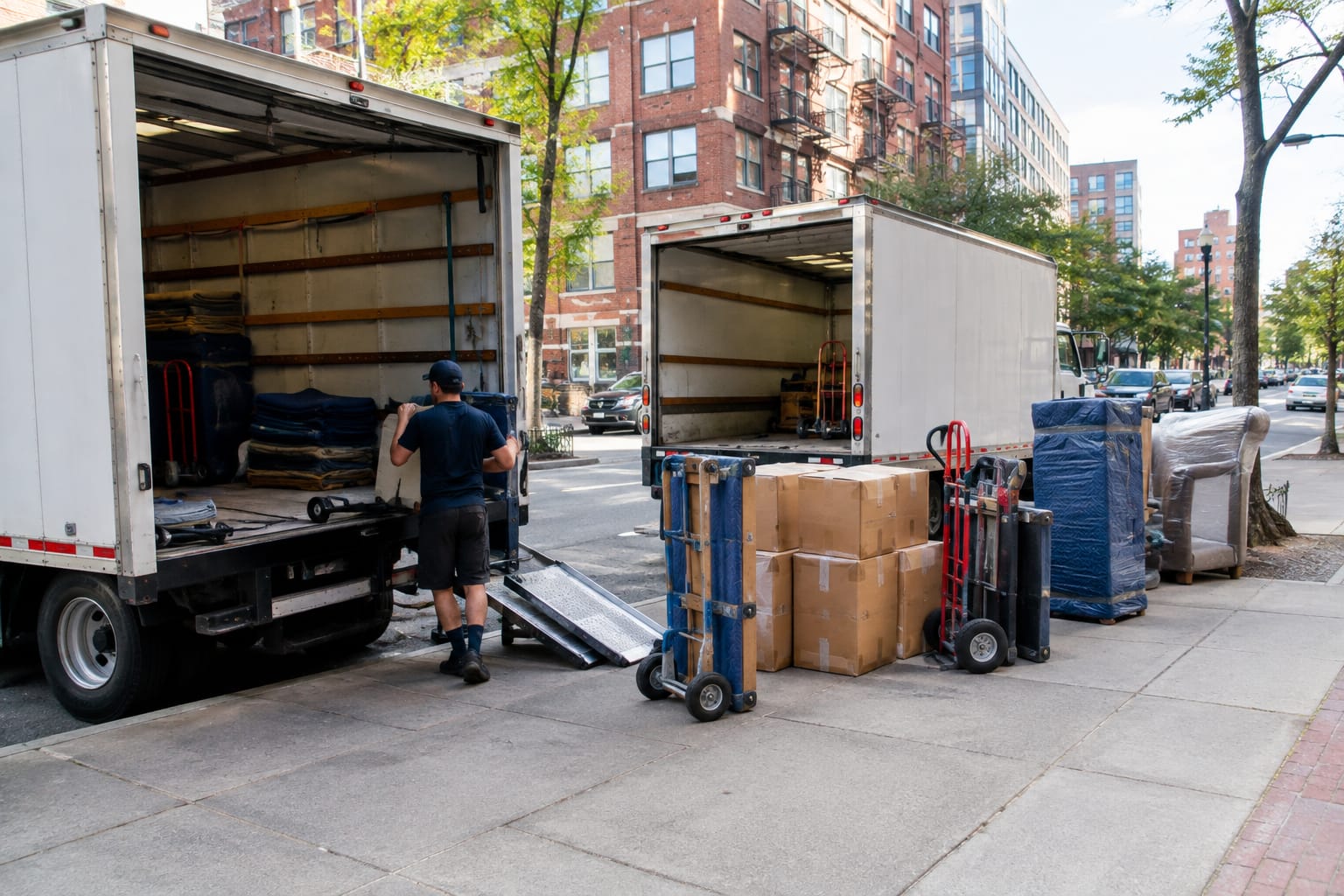
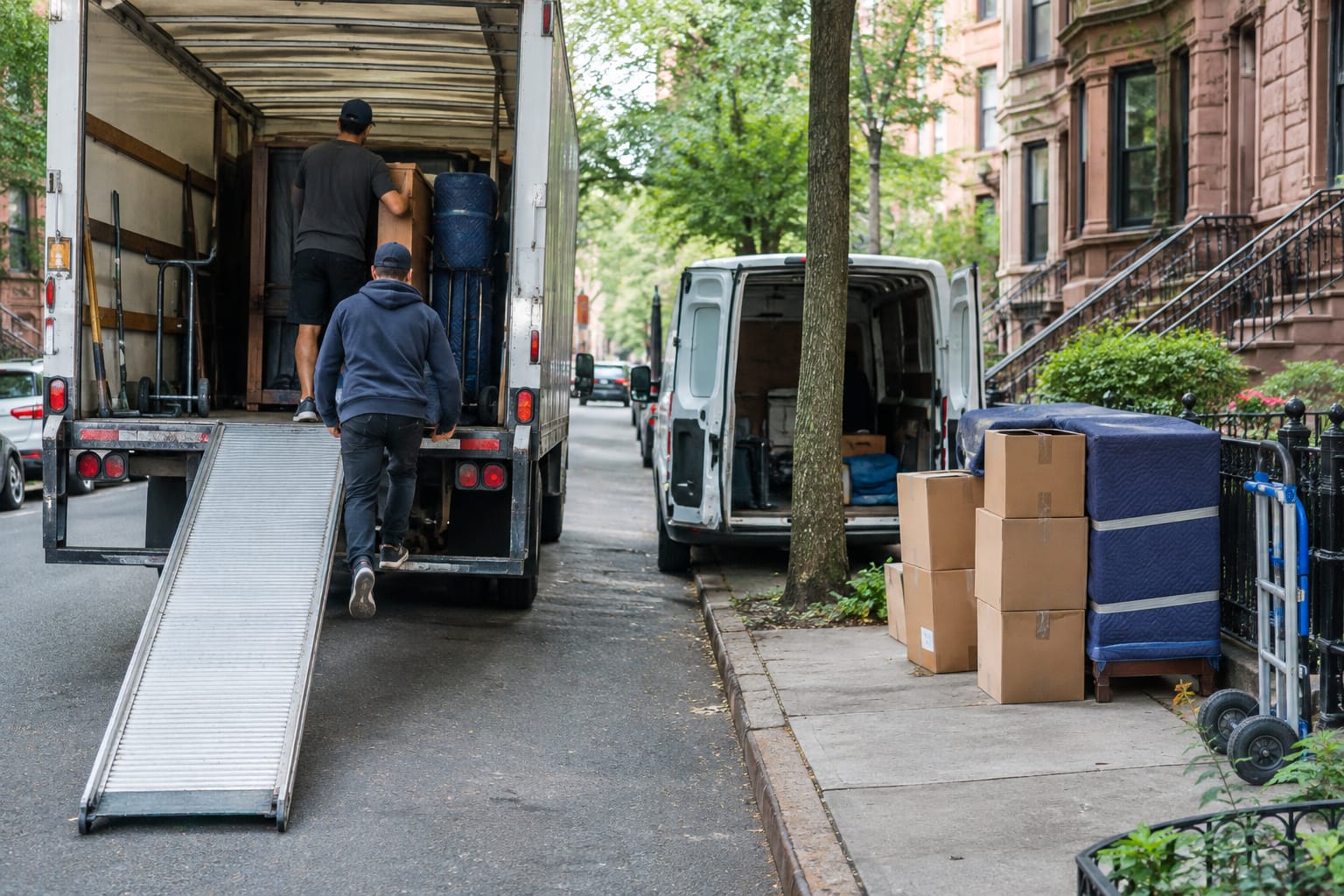
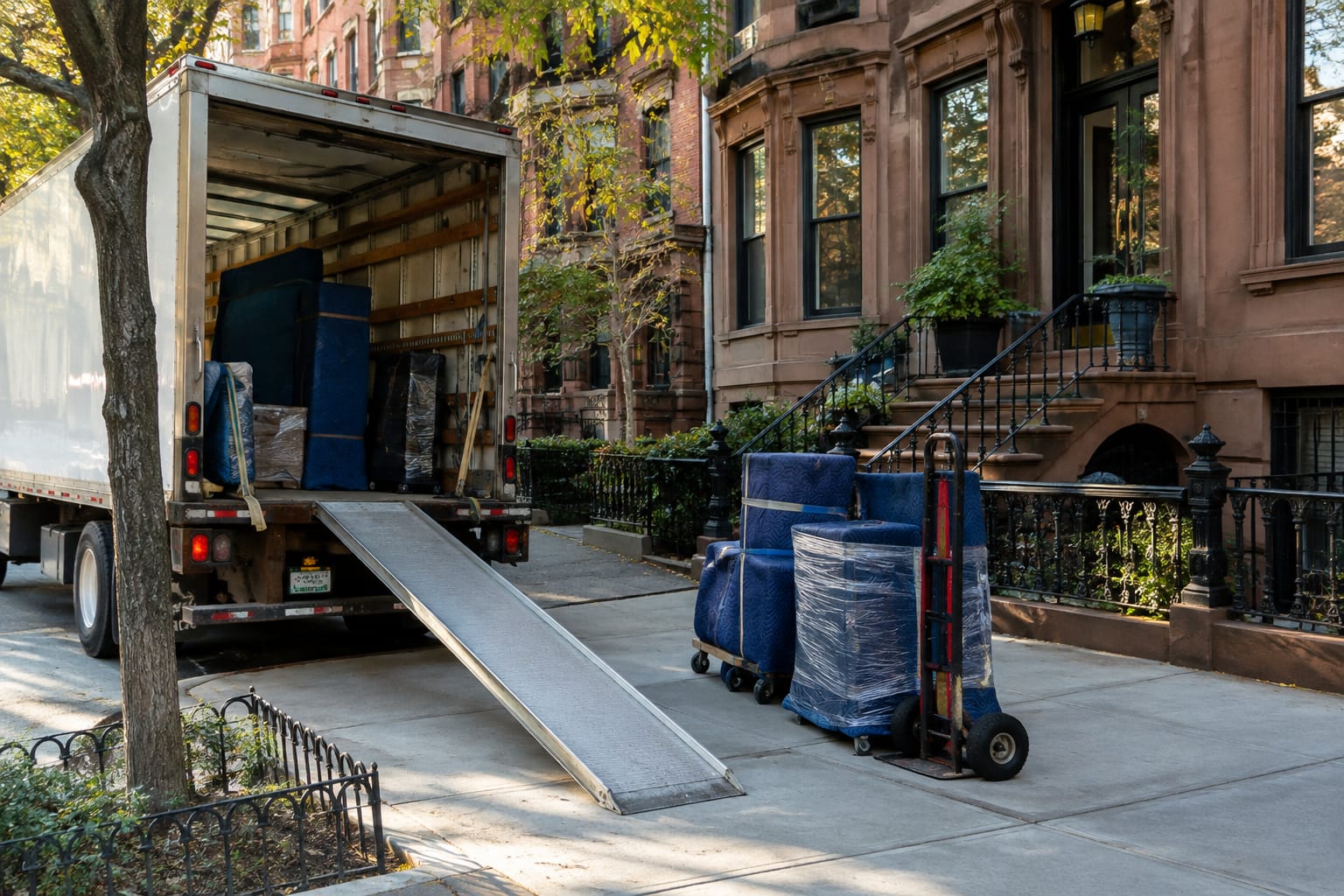
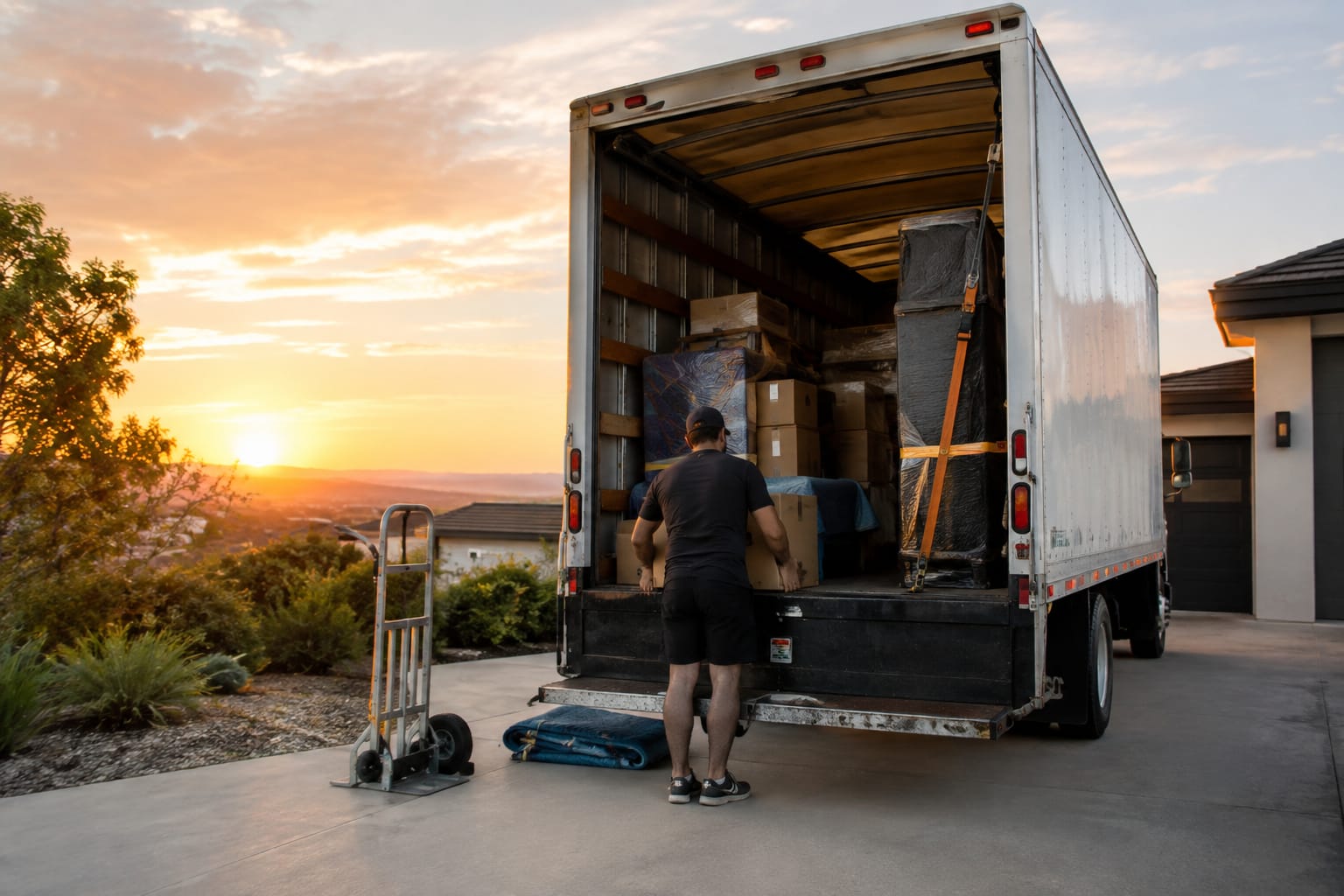
- Furniture pads and moving blankets — wrap dressers, tables, headboards, and appliances to prevent scuffs and dents.
- Ratchet straps — the workhorse for tying down each tier; buckle straps work but ratchet straps hold tension better.
- Load bars — spring-loaded bars that wedge across the truck to lock a tier in place without straps.
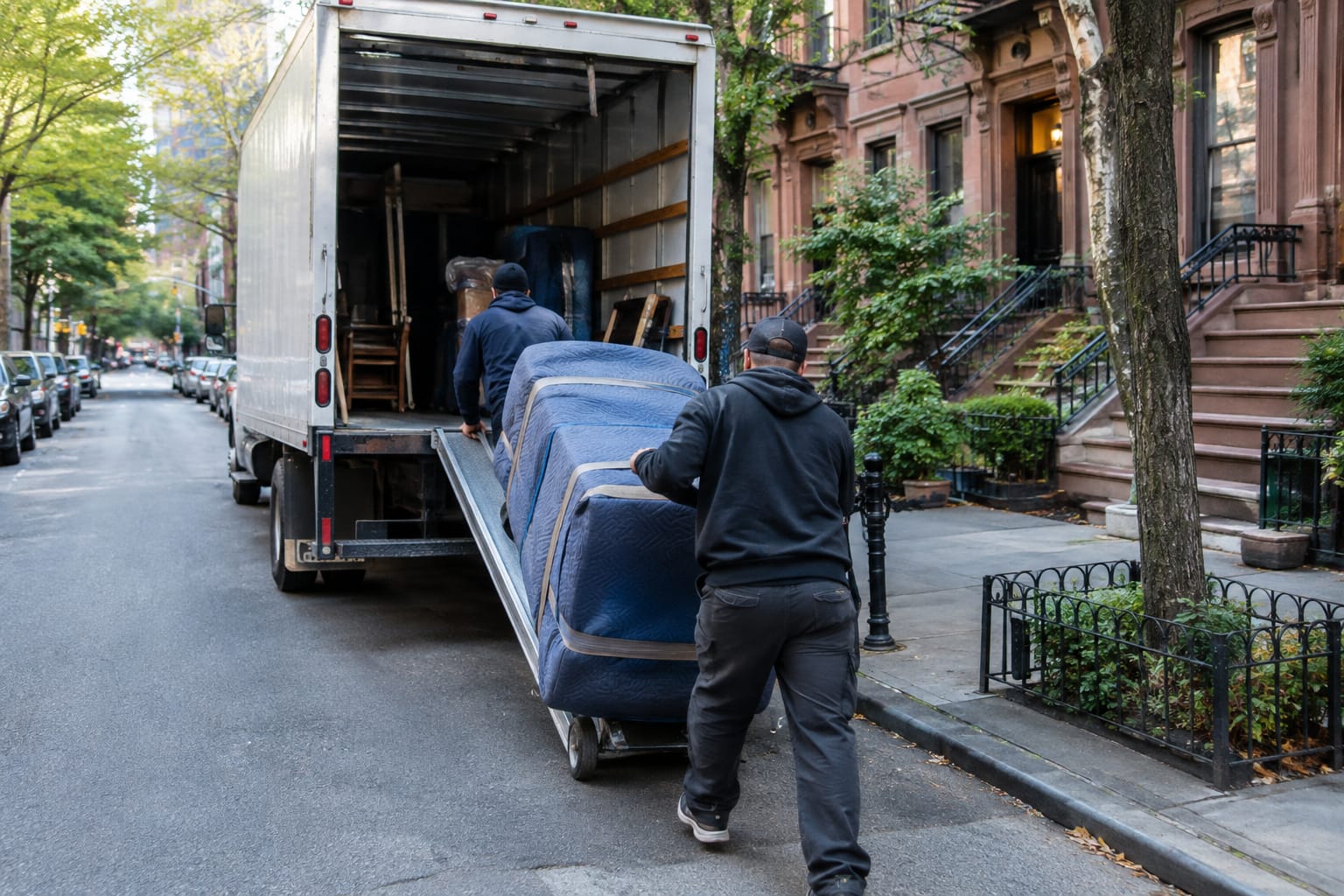
- A hand truck (dolly) — moves appliances and stacked boxes safely and saves your back.
- Stretch wrap and tie-downs — bundle drawers, doors, and loose parts so nothing swings open.
U-Haul trucks have wooden slat walls with metal tie-down rails specifically for anchoring straps. Use them. A tier that is not tied to the truck is not secured — it is just leaning.
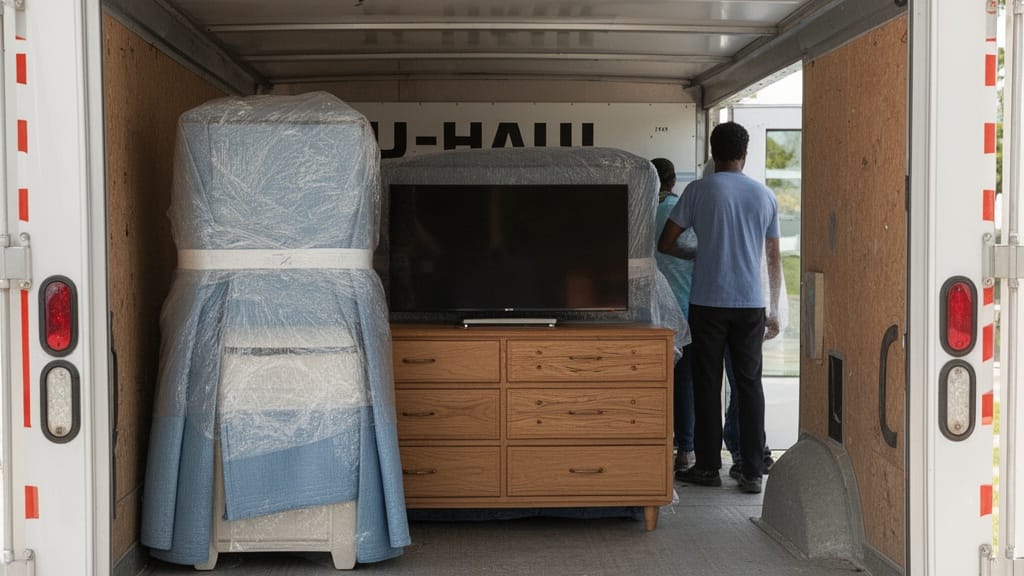
Pro Tip: Rent or buy one more ratchet strap than you think you need. Movers use a strap per tier, and the average 15-foot truck holds four to six tiers front to back. Running out mid-load means unstrapped cargo for the whole drive.
Q: What gear do I need to load a U-Haul safely?
A: At minimum: furniture pads, four to six ratchet straps, one or two load bars, a hand truck, and stretch wrap — the same tie-downs professional crews carry on every job.
Getting furniture ready before the truck arrives speeds everything up. Our guide on how to prepare furniture when relocating walks through disassembly and wrapping so pieces load flat and tight.
The Loading Order: Heaviest and Largest First
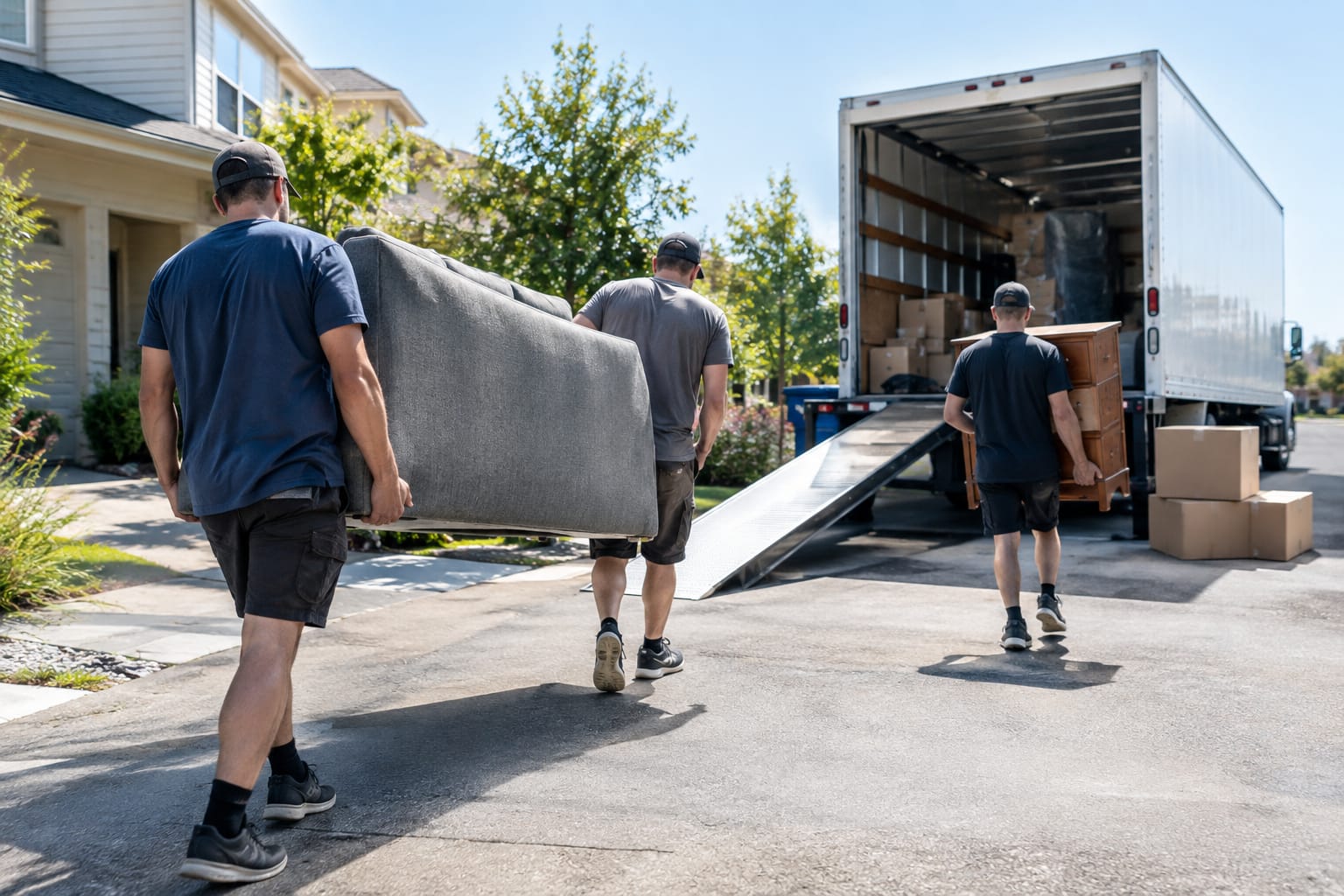
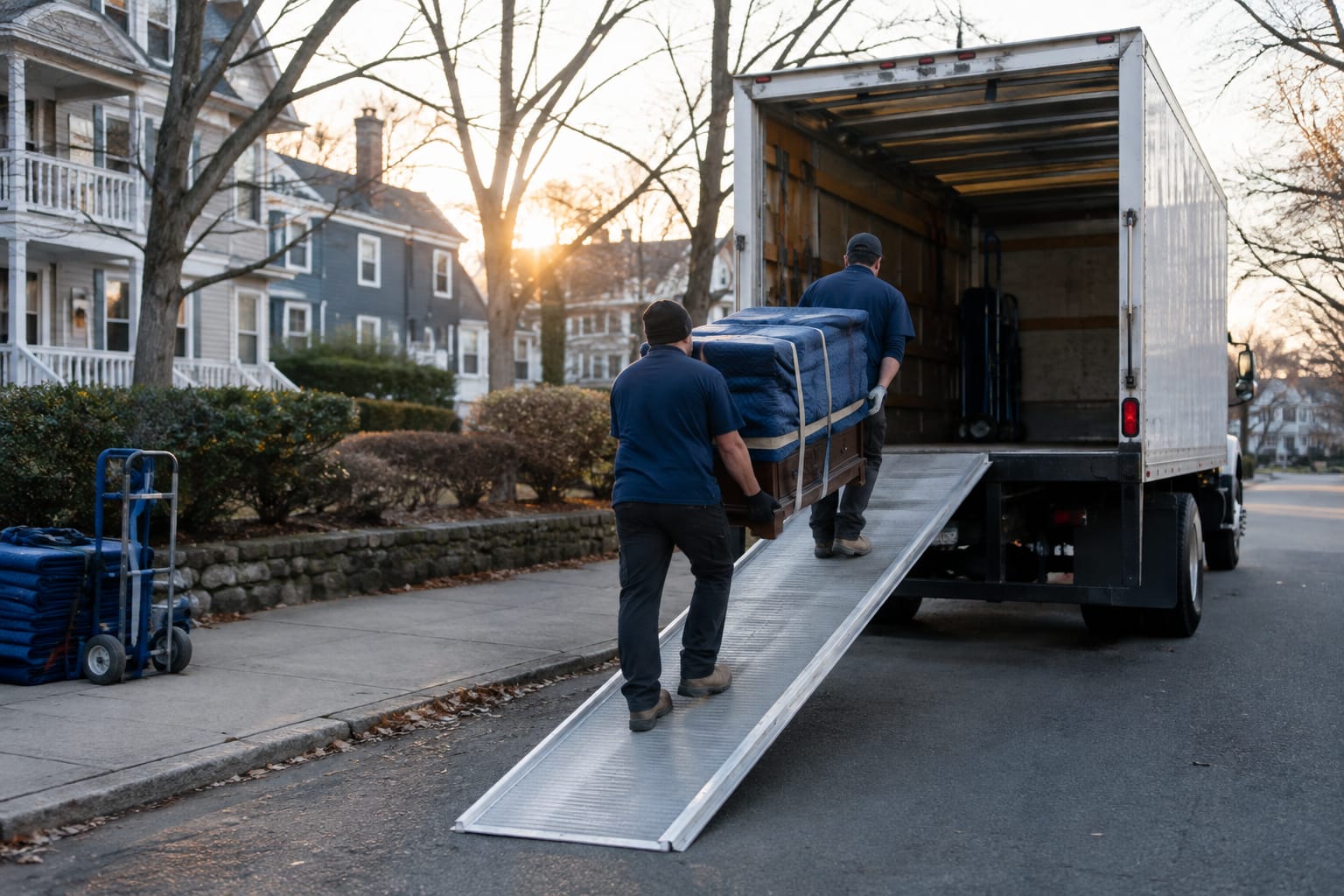
Weight goes forward and low. The heaviest, largest items — refrigerator, washer, dryer, dresser, sofa — load first against the wall behind the cab. This anchors the load over the truck's axles and keeps the rear from fishtailing.
Work in this sequence:
- Appliances and heavy furniture against the cab wall, standing upright, strapped to the rail.
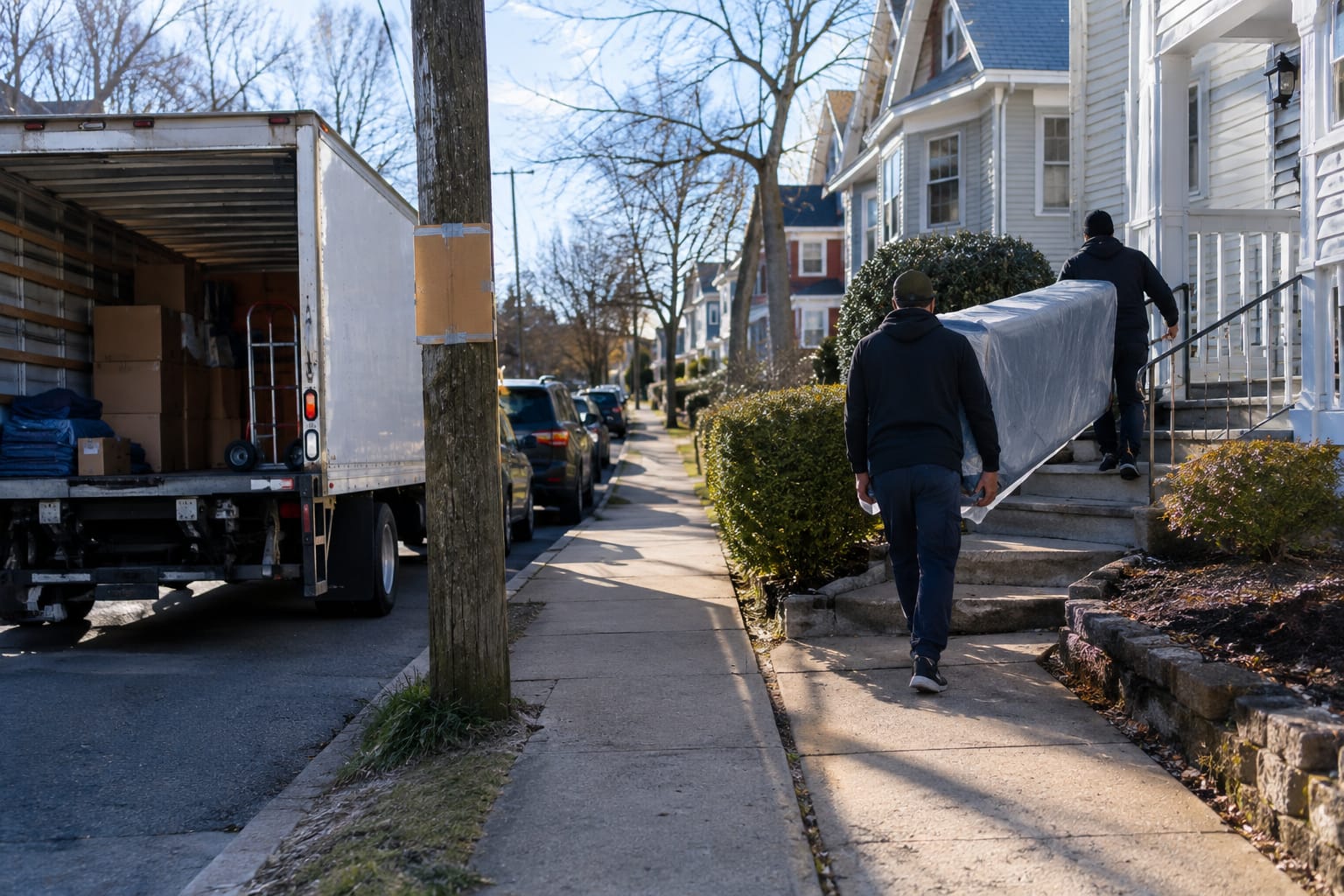
- Long items — mattresses, box springs, tabletops, headboards — stood on their side against the walls to save floor space.
- Heavy boxes stacked on the floor in front of the appliances, heaviest on the bottom.
- Medium boxes and lighter furniture filling the middle, built into vertical tiers.
- Light and soft items — pillows, lamps, bags of linens — on top and in the gaps.
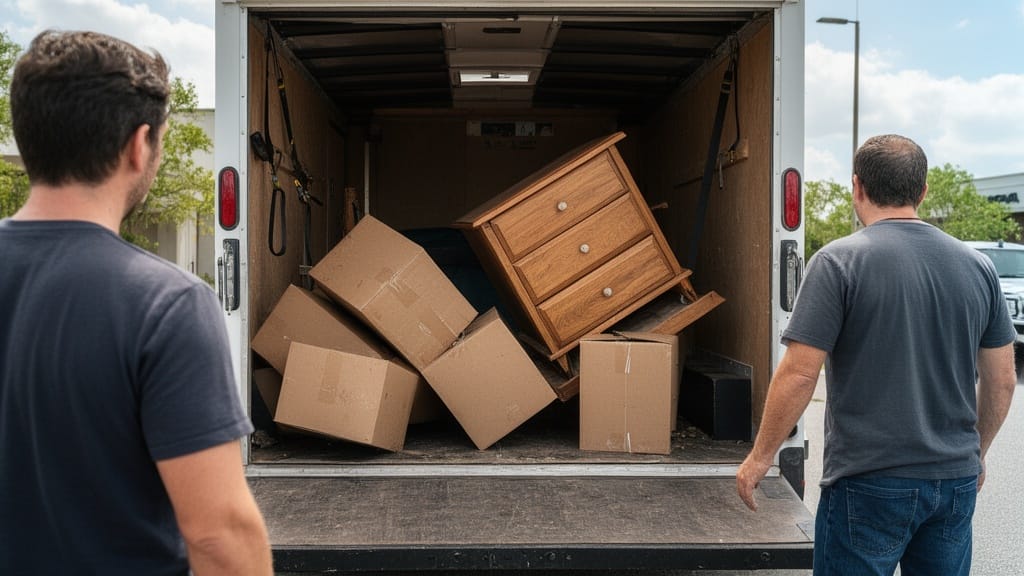
The goal is a load that is heavy in front, light in back, and packed tight enough that nothing can slide toward the door. This same heavy-first logic applies whether you are moving one flight or many states; see how to pack a truck for a long distance for the highway version.
Q: What should go into the U-Haul first?
A: The heaviest, largest items — refrigerator, washer, dryer, and dressers — go in first, upright against the cab wall, to anchor the load over the axles.
Distributing Weight and Tying Down Each Tier
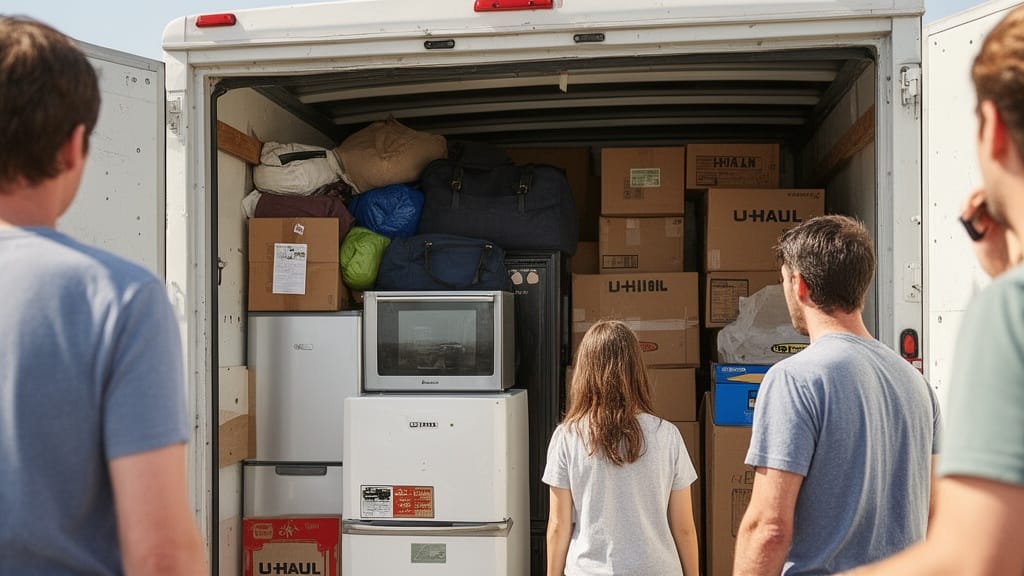
Weight distribution is what keeps the truck stable at highway speed. An unbalanced load pulls the steering to one side and, in extreme cases, causes rollovers — the exact hazard federal cargo securement rules were written to prevent.
Split heavy items evenly left and right. If the fridge sits on the left, put another heavy piece on the right to balance it. Never load one side heavy and leave the other empty.
Then tie down every tier before building the next. A tier is a floor-to-ceiling wall of items; strap it to the truck's side rails so it cannot topple backward when the truck brakes. Load bars wedged across the top of a tier add a second lock.
Born to Move can help: If loading a rental truck feels like more than you want to take on, Born to Move's Boston crews load U-Hauls by the hour with pads and straps included. Learn more →
Pro Tip: After strapping each tier, push hard against the top of it with both hands. If it rocks, it is not tight enough — add a strap or wedge a rolled blanket into the gap before you move on.
A truck loaded this way behaves predictably. If you are driving through the city afterward, low bridges are the next hazard — read our advice from movers on how to not get Storrowed before you hit Storrow Drive.
Protecting Furniture and Fragile Items in Transit
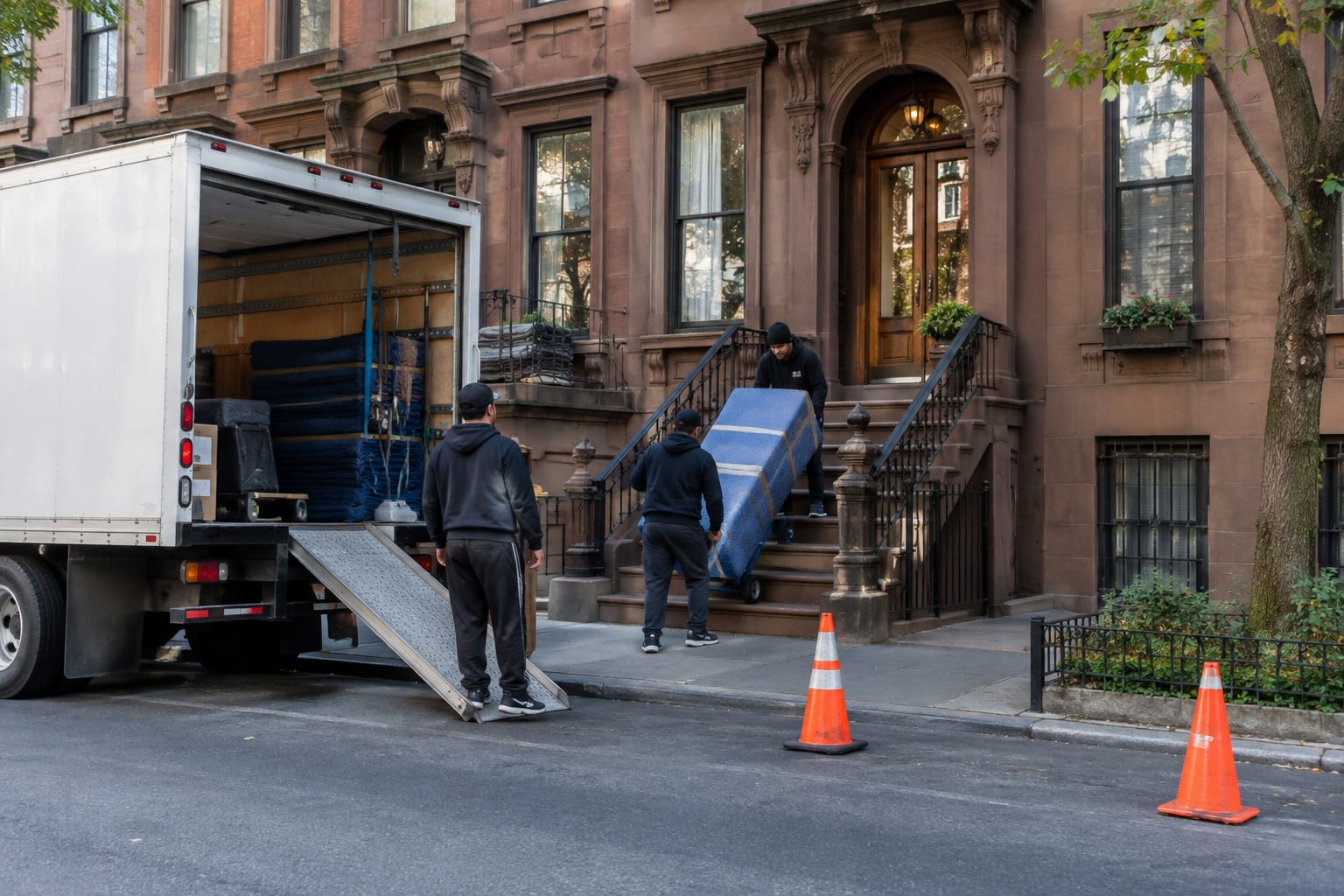
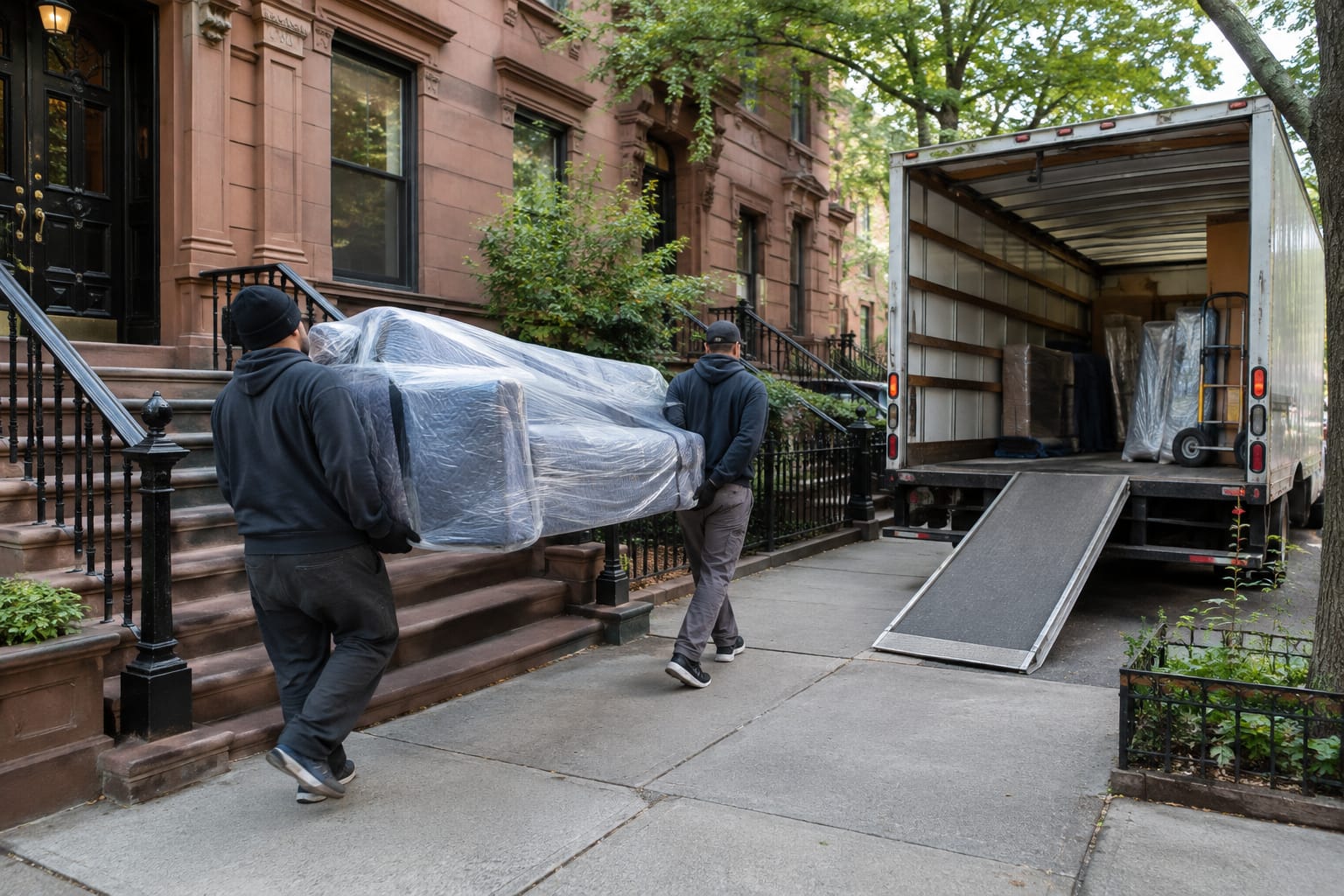
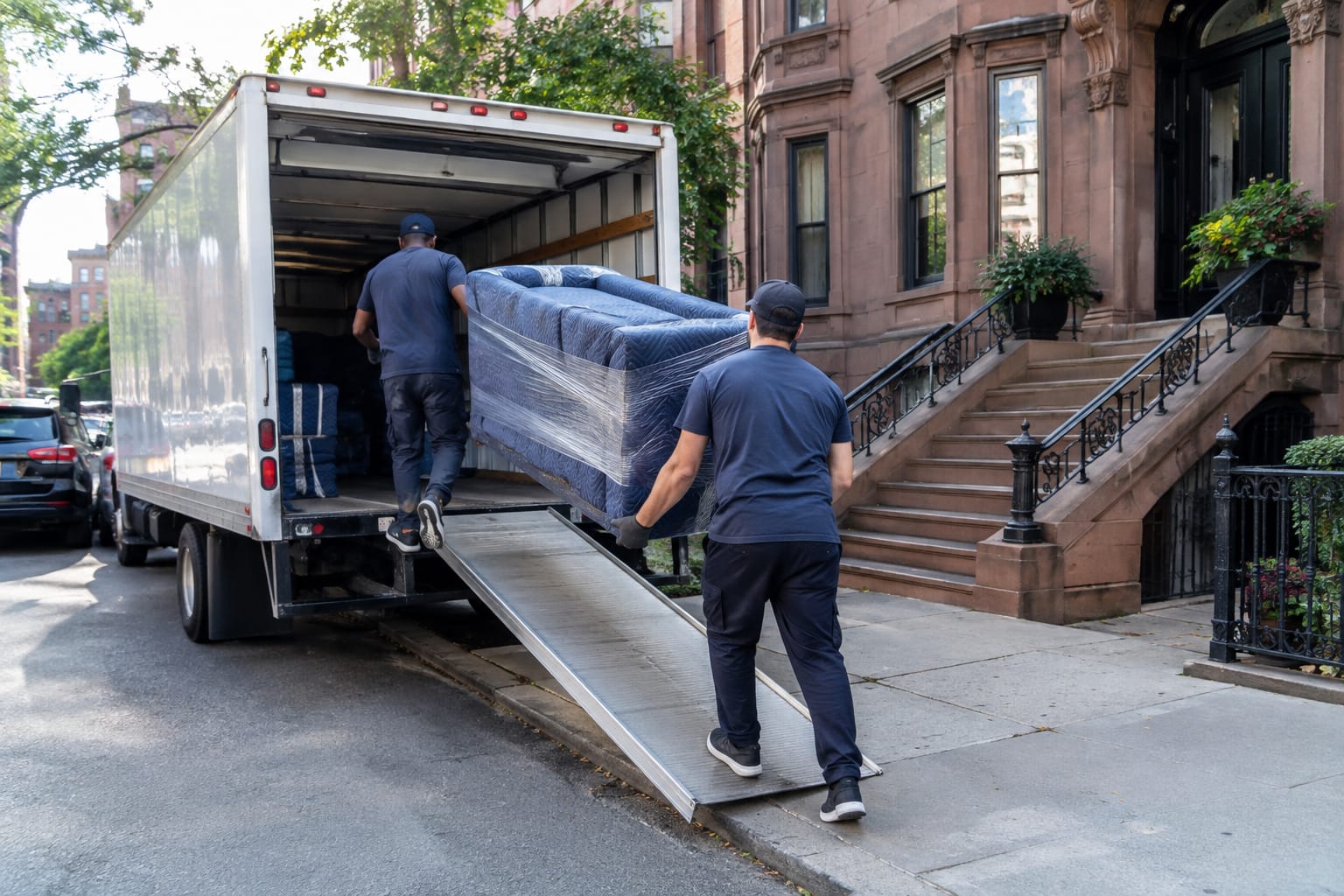
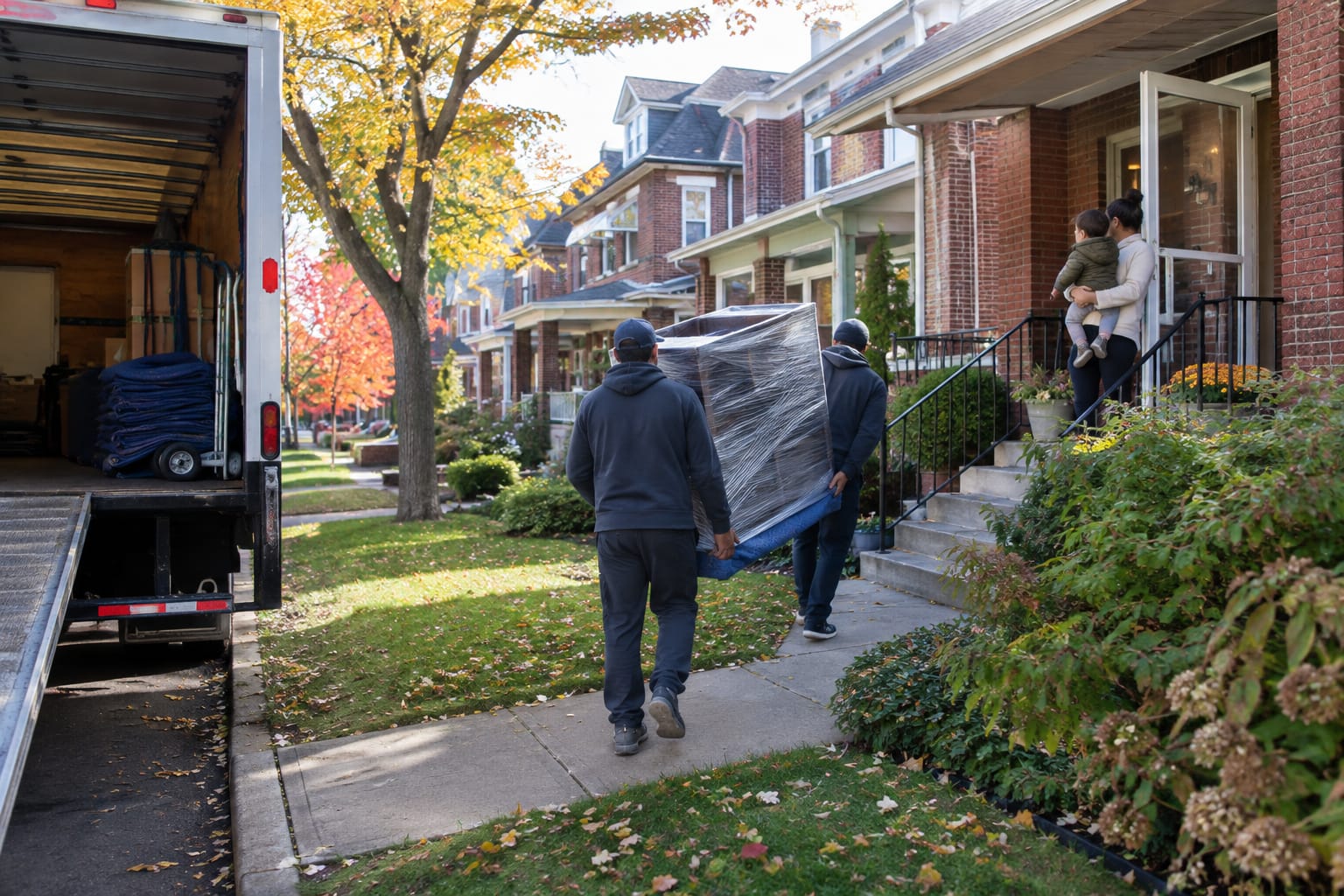
Wrapping is not optional. Bare wood against bare metal for even a short drive leaves gouges. Every exposed surface that can rub against another gets a furniture pad or moving blanket.
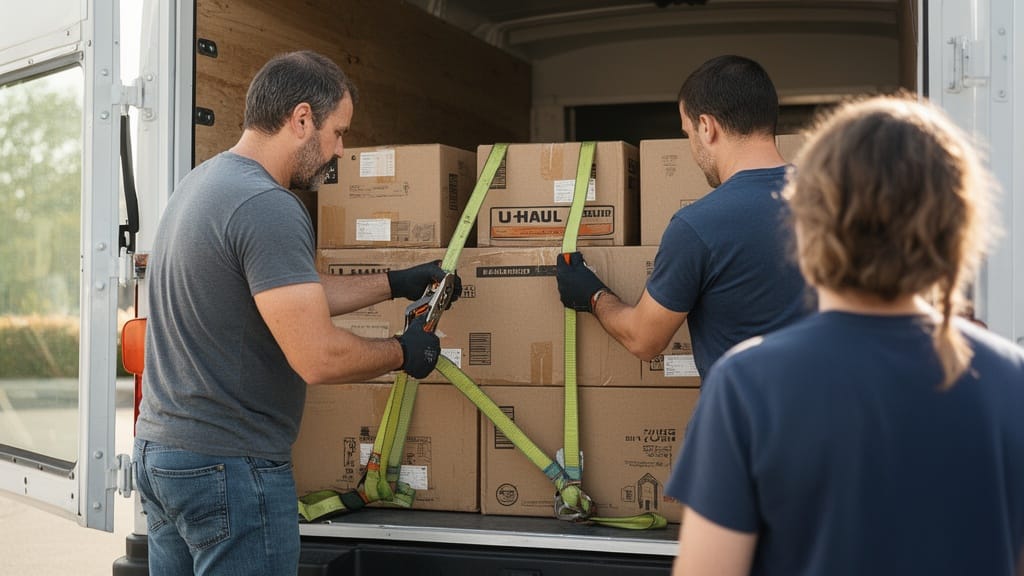
For the most common fragile items:
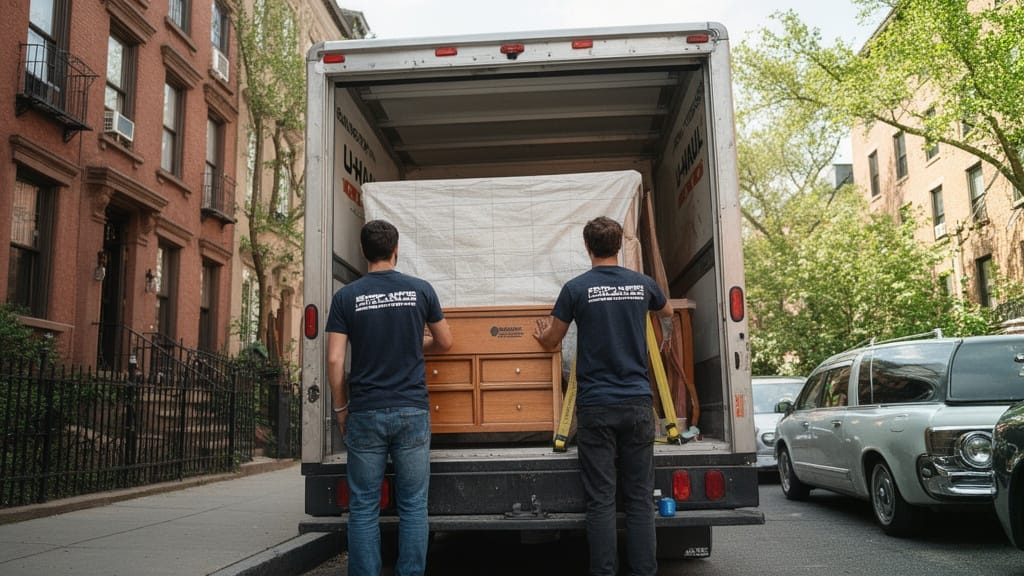
- Dressers and tables: wrap fully in moving blankets, secure with stretch wrap or tie-downs.
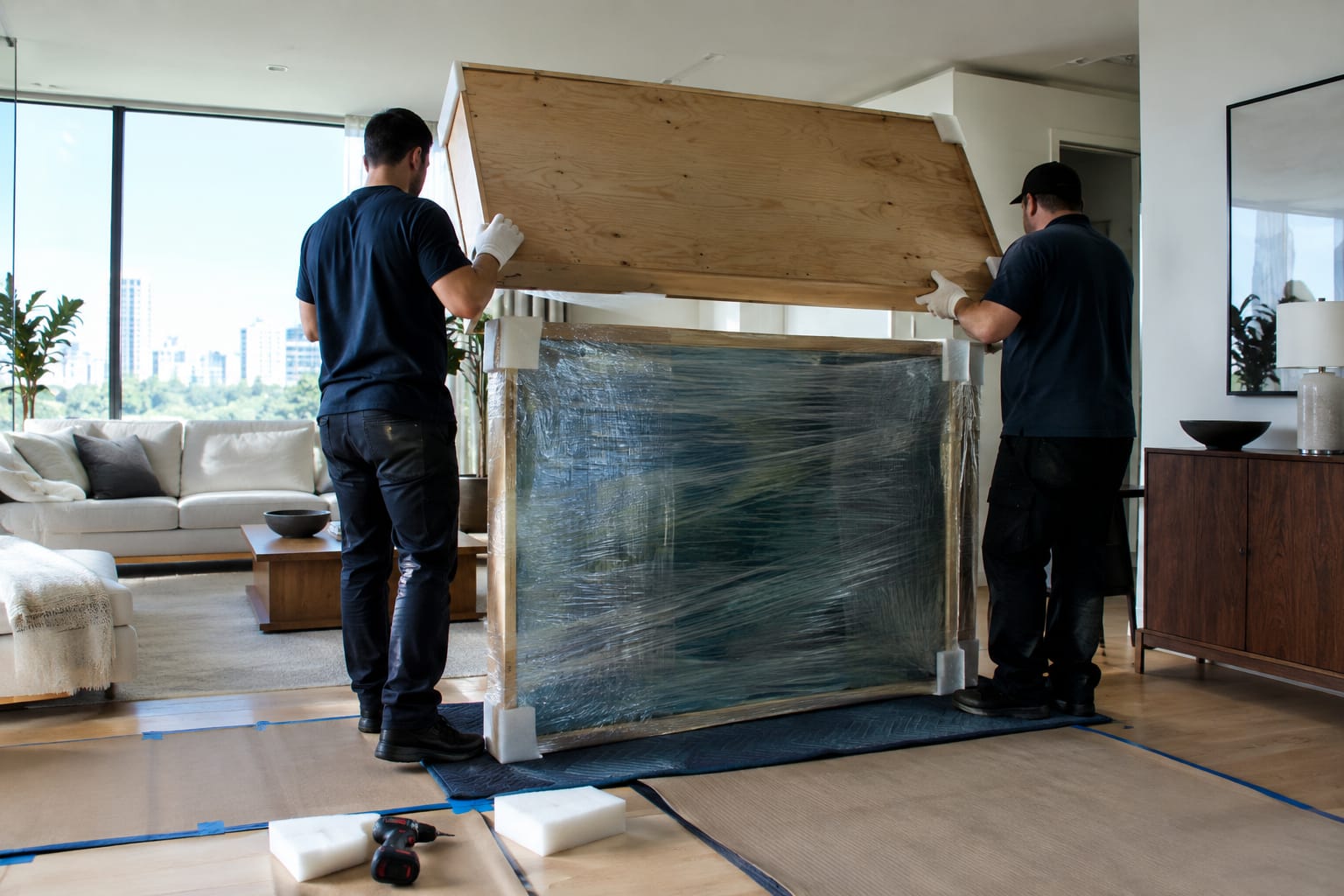
- TVs: professional movers wrap the TV in moving blankets, then place it in a special TV box before it goes in the truck.
- Mirrors and glass: stand upright between mattresses, never flat where boxes can crush them.
- Lamps and electronics: box them and set them on top of the load, never on the floor.
| Item | How to Protect It | Where It Goes |
|---|---|---|
| Refrigerator | Pad-wrap, strap doors shut | Cab wall, upright, first |
| Dresser | Full blanket wrap, drawers taped | Front tier, low |
| Flat-screen TV | Blanket + TV box | Vertical, between padded furniture |
| Mattress | Mattress bag | On its side along the wall |
| Glassware boxes | Double-boxed, marked fragile | Top of the load, last |
Pro Tip: Fill empty space inside dressers and appliances with soft items like linens and pillows. It uses dead space and cushions the drawer contents at the same time — a trick every crew uses to save box count.
Common U-Haul Loading Mistakes and How to Avoid Them
Most DIY damage traces back to a handful of repeat mistakes. Knowing them ahead of time is half the fix.
- Loading light items first. This buries the heavy stuff at the back and unbalances the truck. Heavy goes first, always.
- Leaving air gaps. Gaps let cargo build momentum and slam into each other. Fill every void with soft items.
- Skipping the straps. A leaning tier is an unsecured tier. Strap each one to the rail.
- Stacking heavy on light. Books on top of a lampshade end one way. Bottom-load the weight.
- Overloading one side. Uneven weight makes the truck pull and risks a rollover.
The fix for all five is the same discipline: heavy-first, tight tiers, strap as you go. For a broader look at what derails moves, see 8 common issues with moving and how to avoid them.
When to Hire Boston Movers to Load Your U-Haul
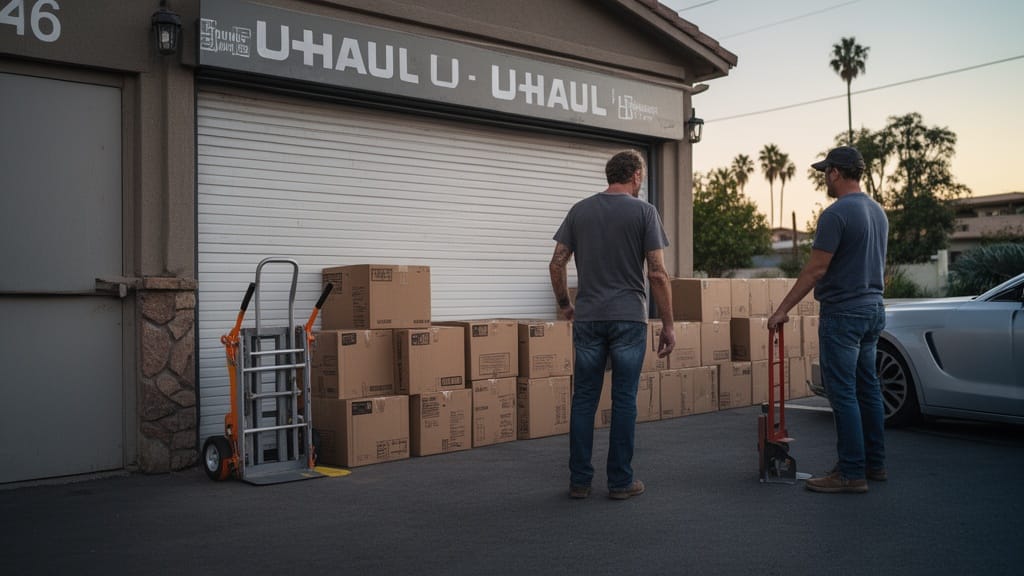
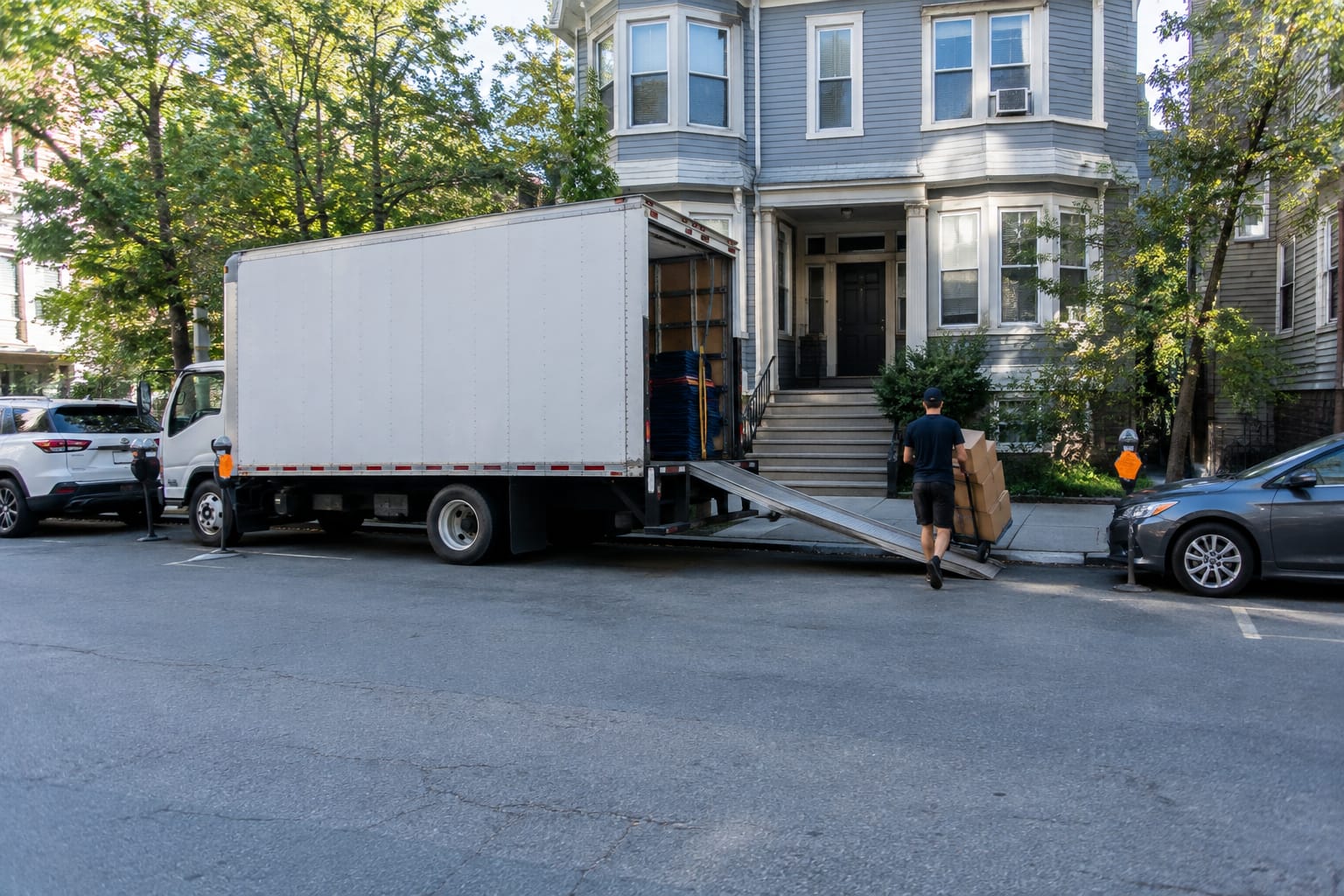
You can rent the truck and still hire pros to load it. In the Boston area, labor-only loading is a common service — you keep control of the rental and drive, and a crew handles the heavy, technical work of packing the truck tight.
It makes sense in three situations: you have heavy or awkward items, you are moving from a walk-up with tight stairs, or you simply want the load done right the first time. A poorly loaded truck can cost more in damaged furniture than the labor would have.
Here is how the two approaches compare:
| Criteria | Full DIY Load | Hire Loaders (Keep Rental) | Full-Service Move |
|---|---|---|---|
| Who loads the truck | You and friends | Professional crew | Professional crew |
| Who drives | You | You | The moving company |
| Gear included | You supply | Crew brings pads/straps | Crew brings everything |
| Risk of damage | Highest | Low | Lowest |
| Best for | Small, light moves | Heavy items, tight access | Hands-off relocations |
Born to Move, for example, quotes all-inclusive hourly rates — $120/hr for two movers and a truck with labor, equipment, padding, and wrapping included and no hidden fees. If you already have the U-Haul, ask whether a crew can load it by the hour. Our guide on whether you can hire someone to move furniture covers how labor-only booking works.
Related Articles
- The True Cost of a U-Haul Move: Rental, Mileage, Fuel and Fees — break down every charge before you book a rental truck.
- What Size U-Haul Do You Actually Need? (A Room-by-Room Guide) — match truck size to your home so you load once, not twice.
- U-Haul Moving Help: When to Hire Loaders and When to DIY — decide whether labor-only loading is worth it for your move.
- Moving Cross-Country in a U-Haul: What Nobody Tells You — long-haul loading and driving lessons from the road.
- Renting Your First U-Haul? A Nervous First-Timer's Playbook — a step-by-step walkthrough for first-time renters.
You May Also Like
- How to pack a truck for a long distance
- How to prepare furniture when relocating
- Where can I park my moving truck in Boston
- Advice from movers on how to not get Storrowed
- How much do movers cost
Frequently Asked Questions