'%3E%3Cpath%20fill='%231B2A47'%20d='M1.605%2016.263c.03-1.139.059-2.482.088-3.971.03-1.49.03-2.832.03-4.03%200-.758%200-1.576-.03-2.51%200-.905-.03-1.84-.03-2.803%200-.496-.028-.964-.028-1.43%200-.468%200-.906-.03-1.315h6.858q2.188%200%203.589.35c.963.234%201.663.643%202.13%201.198.496.555.73%201.372.73%202.394%200%20.788-.176%201.46-.497%201.985-.32.526-.846.935-1.575%201.197-.73.292-1.693.468-2.918.526v.263c1.313.087%202.334.263%203.122.525.758.263%201.342.672%201.692%201.197.35.526.525%201.197.525%202.044%200%201.08-.233%201.927-.67%202.57-.468.642-1.139%201.08-2.102%201.343-.933.262-2.159.408-3.705.408H1.605zm6.537-9.197q1.882%200%202.713-.526c.555-.35.817-.934.817-1.752%200-.905-.292-1.547-.846-1.927s-1.459-.554-2.655-.554H4.757v4.759zm.204%206.92c.934%200%201.663-.088%202.217-.263.555-.176.934-.438%201.197-.818s.38-.876.38-1.518c0-.876-.322-1.49-.934-1.84-.643-.35-1.635-.525-3.035-.525H4.757v4.963zM21.038%2016.555c-1.576%200-2.801-.292-3.618-.905-.817-.614-1.284-1.519-1.372-2.745-.087-1.226.205-2.774.847-4.613s1.43-3.358%202.392-4.584c.963-1.226%202.043-2.131%203.298-2.744C23.839.292%2025.24%200%2026.786%200c1.576%200%202.772.321%203.59.934.816.613%201.283%201.548%201.37%202.774s-.203%202.774-.845%204.613c-.642%201.81-1.43%203.358-2.393%204.584s-2.072%202.132-3.297%202.745a9.8%209.8%200%200%201-4.173.905m.788-2.278c.642%200%201.138-.058%201.371-.116.205-.059.496-.117.847-.322.262-.146.437-.292.554-.408.204-.175.32-.292.438-.41.204-.203.35-.408.496-.583.35-.438.642-.876.963-1.402.233-.408.466-.817.67-1.284.205-.438.38-.905.555-1.372.438-1.198.671-2.278.671-3.183s-.204-1.606-.612-2.131c-.409-.497-1.051-.76-1.897-.76-.467%200-.934.059-1.43.205h-.03c-1.02.292-1.925%201.226-2.042%201.372-.116.117-.467.526-.963%201.343a15.5%2015.5%200%200%200-1.342%202.92c-.408%201.197-.642%202.277-.671%203.182-.03.906.175%201.636.584%202.161q.611.788%201.838.788M14.853%2038.54c-1.576%200-2.802-.292-3.619-.905s-1.284-1.518-1.371-2.744c-.088-1.227.204-2.774.846-4.614s1.43-3.357%202.393-4.584%202.042-2.13%203.297-2.744c1.255-.613%202.655-.905%204.173-.905%201.575%200%202.772.321%203.589.934s1.284%201.548%201.371%202.774c.088%201.226-.204%202.774-.846%204.613-.642%201.81-1.43%203.358-2.393%204.584s-2.072%202.131-3.297%202.745c-1.226.613-2.626.846-4.143.846m.787-2.277c.642%200%201.138-.059%201.372-.117.204-.058.496-.117.846-.321.263-.146.438-.292.554-.409.205-.175.321-.292.438-.409.204-.204.35-.408.496-.584a13%2013%200%200%200%201.634-2.686c.204-.438.38-.905.555-1.372.437-1.197.67-2.277.67-3.182%200-.906-.203-1.606-.612-2.132-.409-.496-1.05-.759-1.897-.759-.467%200-.934.058-1.43.204h-.029c-1.021.292-1.925%201.227-2.042%201.373-.117.116-.467.525-.963%201.343a15.5%2015.5%200%200%200-1.342%202.92c-.409%201.196-.642%202.277-.671%203.182s.175%201.635.583%202.16q.613.789%201.838.789'/%3E%3Cpath%20fill='%23FF515E'%20d='M55.966%2038.57c-1.576%200-2.801-.293-3.618-.906s-1.284-1.518-1.372-2.744c-.087-1.227.204-2.774.846-4.613s1.43-3.358%202.393-4.584c.963-1.227%202.043-2.132%203.297-2.745s2.656-.905%204.173-.905c1.576%200%202.772.321%203.589.934s1.284%201.548%201.371%202.774c.088%201.226-.204%202.774-.846%204.613-.642%201.81-1.43%203.358-2.393%204.584s-2.071%202.131-3.297%202.745c-1.225.613-2.626.846-4.143.846m.788-2.249c.642%200%201.138-.058%201.371-.117.204-.058.496-.116.846-.32.263-.147.438-.293.555-.41a7%207%200%200%200%20.437-.408c.205-.205.35-.41.496-.584a13%2013%200%200%200%201.634-2.686c.205-.438.38-.905.555-1.373.438-1.197.671-2.277.671-3.182s-.204-1.606-.613-2.131c-.408-.497-1.05-.76-1.896-.76-.467%200-.934.059-1.43.205h-.03c-1.02.292-1.925%201.226-2.042%201.372-.117.117-.467.526-.963%201.343a15.5%2015.5%200%200%200-1.342%202.92c-.409%201.197-.642%202.277-.671%203.182s.175%201.635.583%202.16q.614.79%201.839.79'/%3E%3Cpath%20fill='%231B2A47'%20d='M33.06%2016.263c0-.35%200-.935.03-1.81.029-1.051.058-2.103.058-3.154s.03-2.073.03-3.007c0-1.606-.03-3.27-.06-4.993%200-.554-.028-1.08-.028-1.606%200-.525-.03-1.021-.03-1.46h6.828c1.46%200%202.685.117%203.59.38q1.4.394%202.1%201.314.7.963.7%202.628c0%20.992-.174%201.81-.554%202.452-.35.643-.904%201.11-1.604%201.431s-1.576.467-2.627.496v.263q2.058.087%203.064.876c.671.525%201.138%201.372%201.43%202.51.087.41.233%201.023.467%201.84.233.818.408%201.431.554%201.84h-3.414a11%2011%200%200%200-.262-1.022c-.321-1.314-.526-2.19-.584-2.628a5%205%200%200%200-.642-1.46%202.13%202.13%200%200%200-.963-.73c-.408-.146-.934-.233-1.605-.233h-3.326v6.0440000000000005H33.06zm6.332-8.292c1.343%200%202.276-.205%202.86-.613.554-.41.846-1.11.846-2.073%200-.73-.146-1.314-.408-1.723-.263-.409-.671-.7-1.197-.876q-.788-.263-2.1-.263h-3.181v5.519h3.18zM49.4%2016.263l.03-2.745c.029-2.452.029-4.905.029-7.416q0-2.101-.088-5.868h4.085l5.924%2010.335c.087.234.204.438.291.643.117.204.205.408.321.613.38.788.613%201.255.672%201.372h.262c0-.058-.03-.146-.03-.204%200-.059-.028-.117-.028-.175a75%2075%200%200%201-.175-1.314%2010%2010%200%200%201-.088-1.285c0-1.547%200-3.737-.029-6.57V1.84c0-.584-.03-1.11-.03-1.576h2.977c-.03%202.482-.058%205.08-.058%207.766%200%201.694%200%204.438.029%208.292h-4.027l-5.573-9.43c-.875-1.81-1.226-2.511-1.05-2.132-.263-.613-.467-1.08-.613-1.46h-.263c.058.35.117.876.175%201.548.059.7.117%201.168.117%201.46%200%202.978%200%206.306.029%209.985H49.4zM4.698%2038.277c.029-2.627.058-5.255.058-7.883%200-1.576%200-3.503-.029-5.752-1.109%200-2.684%200-4.727.03v-2.453h12.664v2.453c-1.955-.03-3.53-.03-4.756-.03%200%20.584-.03%201.227-.03%201.957s0%201.46-.029%202.218v1.84c0%202.57.03%205.11.059%207.62z'/%3E%3Cpath%20fill='%23FF515E'%20d='M29.441%2038.277c.409-1.05.788-2.102%201.168-3.182s.787-2.16%201.167-3.241c.613-1.693%201.05-2.949%201.342-3.766l1.255-3.65c.116-.38.262-.788.379-1.139.117-.38.263-.73.38-1.05h4.61l-.671%2012.904h.262l8.316-12.905h4.669l-.7%201.869c-.876%202.452-1.343%203.766-1.43%204a501%20501%200%200%200-3.385%2010.16h-2.947c.292-.846.788-2.219%201.459-4.087.175-.526.35-1.08.554-1.606.175-.526.38-1.08.555-1.577.642-1.81%201.342-3.825%202.072-6.014h-.234l-8.724%2013.314h-2.86l.554-13.314h-.175c-.175.496-.38.992-.554%201.489-.175.496-.38%201.022-.555%201.547a163%20163%200%200%200-1.08%203.008c-.145.38-.262.759-.408%201.138-.117.38-.262.73-.408%201.11-.7%201.898-1.284%203.59-1.751%205.05h-2.86zM68.047%2038.277c.175-2.19.32-4.525.467-7.007.058-.905.204-3.912.467-9.051h3.151c-.03.438-.058.934-.088%201.46s-.058%201.08-.087%201.693a264%20264%200%200%201-.409%206.657c-.145%201.986-.35%203.591-.583%204.788h.175Q72.147%2034.892%2073.94%2032a562%20562%200%200%201%204.465-7.066c.32-.496.641-.992.933-1.46s.555-.875.817-1.255h3.268q-.568.832-1.138%201.752c-.408.613-.787%201.255-1.196%201.927-3.88%206.014-6.478%2010.131-7.85%2012.35h-5.193zM79.106%2038.277c.32-.788.758-2.014%201.37-3.65a287%20287%200%200%200%201.577-4.32c.437-1.256.904-2.628%201.4-4.088s.934-2.774%201.313-3.97h11.322l-.846%202.364H87.1l-1.664%204.847%207.645-.088-.612%201.694-7.587-.088-1.75%204.934h8.286l-.846%202.365z'/%3E%3C/g%3E%3Cdefs%3E%3CclipPath%20id='a'%3E%3Cpath%20fill='%23fff'%20d='M0%200h96v40H0z'/%3E%3C/clipPath%3E%3C/defs%3E%3C/svg%3E)
Renting a box truck for a move is cheaper than it looks and harder than it sounds. The truck itself is the inexpensive part. The labor, the fuel, the coverage, and the driving are where DIY budgets quietly break.
Here's the honest version, written by people who load these trucks every day. This guide maps truck sizes to real home sizes, breaks down the true cost of a box rental truck, explains the license rules, and shows you the driving hazards nobody selling you a rental will mention. It also covers the middle path most people never consider: keep the cheap rental, hire a crew for the muscle.
Box Truck, Moving Truck, or Portable Container: What You're Actually Renting
These three terms get used interchangeably, but they behave very differently on moving day. A box truck is a rigid truck with an enclosed cargo box behind the cab, driven by you. "Moving truck rental" usually means the same thing from U-Haul, Penske, or Budget.
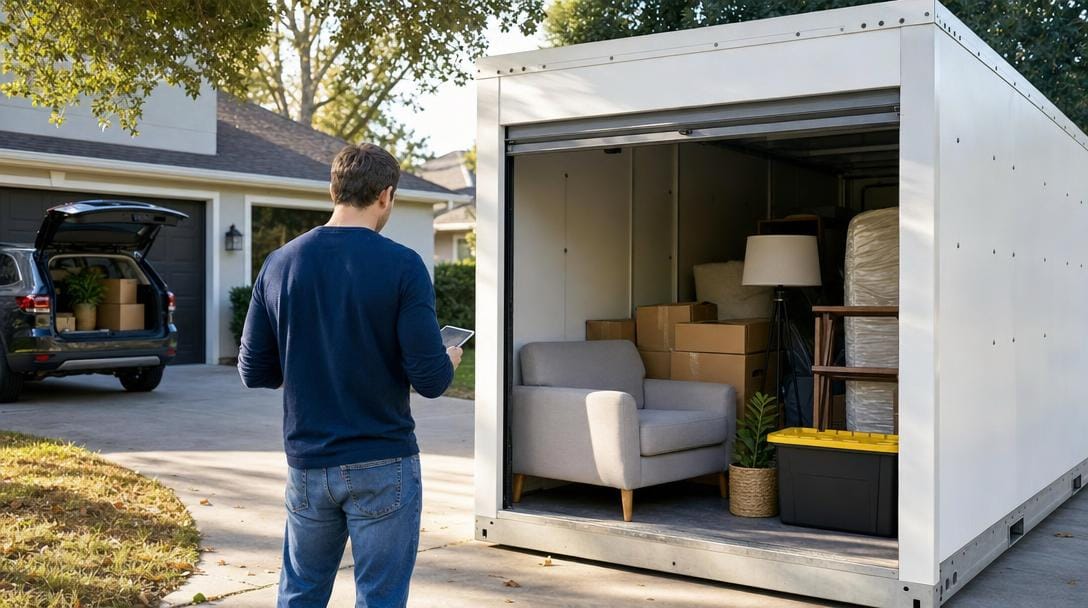
A portable container is different. Companies like PODS drop an empty container at your curb, you load it on your own schedule, and they haul it. There's no driving involved, but you lose the speed of same-day transport.
The deciding factor is control versus convenience. A box truck moves everything in one trip on your timeline. A container spreads loading over days but ties up curb space and adds transport lead time. If you want the full breakdown of one approach against the other, see this comparison of full-service movers versus DIY truck rental.
Q: What's the difference between a box truck and a cargo van rental?
A: A cargo van holds roughly a studio's worth of small items and drives like a large SUV. A box truck starts around 10 feet of enclosed length and scales up to 26 feet for a full house, with a taller profile that creates real clearance risk.
Box Truck Sizes and What Each One Realistically Holds
Rental fleets cluster around a few standard lengths. The published cubic-foot capacities below come from U-Haul's own truck specifications, and Penske and Budget publish similar figures for comparable trucks.
| Truck length | Typical home size | Approx. cargo volume | Realistic crew + time |
|---|---|---|---|
| 10 ft | Studio / small 1-bedroom | ~400 cu ft | 2 people, 2–3 hrs |
| 15 ft | 1–2 bedroom apartment | ~760 cu ft | 2–3 people, 3–5 hrs |
| 20 ft | 2–3 bedroom home | ~1,000 cu ft | 3 people, 4–6 hrs |
| 26 ft | 3–4+ bedroom home | ~1,680 cu ft | 3–4 people, 5–8 hrs |
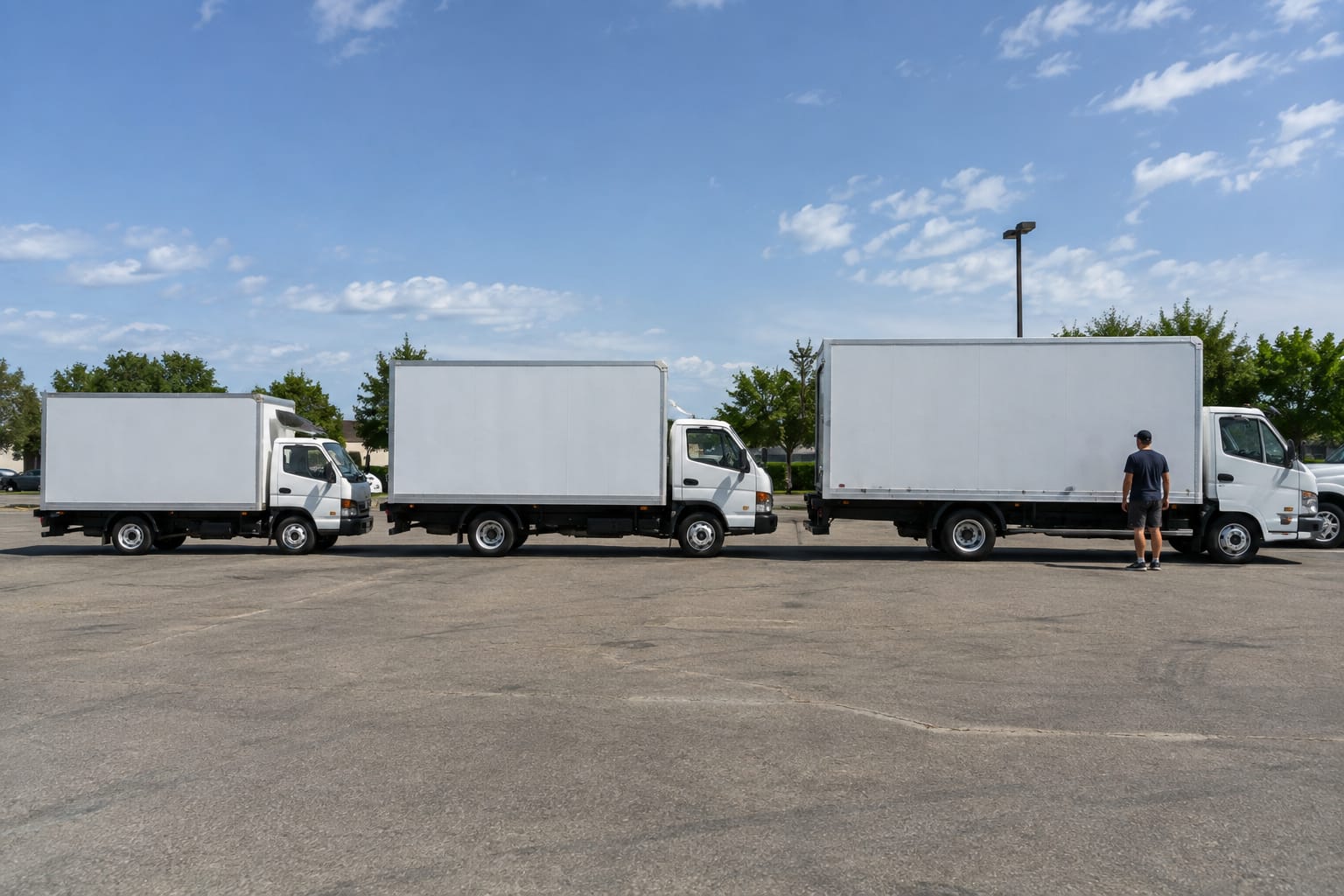
The crew and time estimates are practical ranges, not guarantees. Stairs, long carries from the door to the truck, and heavy furniture push every number toward the top of the range.
Pro Tip: Measure your single largest item before you book. A 26-foot truck holds a lot of volume, but if a sectional sofa or an armoire won't clear the cargo door opening, cubic feet won't save you.
How to Pick a Size Without Paying for a Second Trip
The most expensive mistake in a DIY move is renting a truck that's too small. A second trip means double the mileage, double the fuel, and often a lost security deposit at the old place because you ran past your move-out window.
When you're between two sizes, go up. An oversized truck costs marginally more on the day rate, but empty space is cheap and a second trip is not.
Q: What size box truck do I need for a 2-bedroom apartment?
A: A 15-foot truck handles most 1–2 bedroom apartments with roughly 760 cubic feet of space, per U-Haul's published specs. Choose a 20-footer if the second bedroom is fully furnished or you own large appliances.
Count rooms honestly, and count the garage, closets, and basement as their own rooms. Those spaces hide more volume than people expect and are the usual reason a "2-bedroom truck" overflows.
What a Box Truck Rental Actually Costs: Day Rate, Mileage, Fuel, and Coverage
The advertised price is the base day rate. That number is real, and it's low on purpose. The full cost stack adds several line items on top.
Here's what actually lands on the final invoice:
- Base rate — the daily or per-move charge you saw in the ad.
- Mileage — a per-mile charge on most one-way and many local rentals.
- Fuel — you refill the tank; box trucks are thirsty, often in the single digits of miles per gallon.
- Damage waiver — optional coverage for the truck body itself.
- Supplemental liability — optional coverage for damage to others.
- Equipment — furniture pads, a furniture dolly, an appliance dolly, straps.
- One-way drop fee — added when you return the truck in a different city.
Q: How much does it cost to rent a box truck for one day?
A: Local one-day rates start low, but mileage, fuel, coverage, and equipment routinely multiply the base price. Always price the full stack, not the headline rate, and compare it against a what movers actually cost estimate before deciding.
Mileage is the variable that surprises people most. On local rentals the truck is cheap but every mile is metered, so a move with several trips across a metro area can outrun the day rate quickly.
The Costs DIY Budgets Almost Always Miss
Beyond the rental invoice sit the costs that never appear on the reservation screen. These are the ones that turn a "cheaper" DIY move into a wash.
Moving supplies are first: pads, straps, a dolly, and tape add up fast. Then there's the labor you supply yourself — a full day of heavy lifting, and often a case of beer or a meal for the friends you recruited.
The expensive miss is risk. A dropped TV, a gouged floor, or a strained back has no insurance behind it when you're the crew. Movers carry liability and cargo coverage specifically for that exposure, which is one reason the full-service movers versus DIY truck rental math is closer than the sticker prices suggest.
Do You Need a CDL or DOT Number to Drive a Rental Box Truck?
No. For a personal move, a standard non-commercial driver's license is enough to drive any consumer rental box truck, up to and including the 26-footer.
The reason is a weight threshold. A commercial driver's license is federally required only for vehicles with a gross vehicle weight rating of 26,001 pounds or more, per FMCSA. Consumer rental trucks are deliberately spec'd just under that line, which is why the largest common size tops out at 26 feet.
Q: Do I need a special license to drive a 26-foot box truck?
A: Not for a personal move. Rental 26-footers sit below the 26,001-pound GVWR CDL threshold set by FMCSA, so a regular license works. Commercial use, for-hire hauling, and some state rules can change that, so verify if the move isn't a personal household one.
One caveat: using a rental truck to haul goods for pay is a different legal category and can trigger commercial requirements. For a household move, you're clear.
Driving a 26-Footer for the First Time: Height, Turning, and Braking
A 26-foot box truck is about 12 feet tall, weighs several tons empty, and does not drive like your car. The three things first-timers underestimate are height, tail swing, and stopping distance.
Height is the dangerous one. You now have to think about every bridge, parking garage, drive-through, and gas station canopy, because the truck does not fit where your car fits.
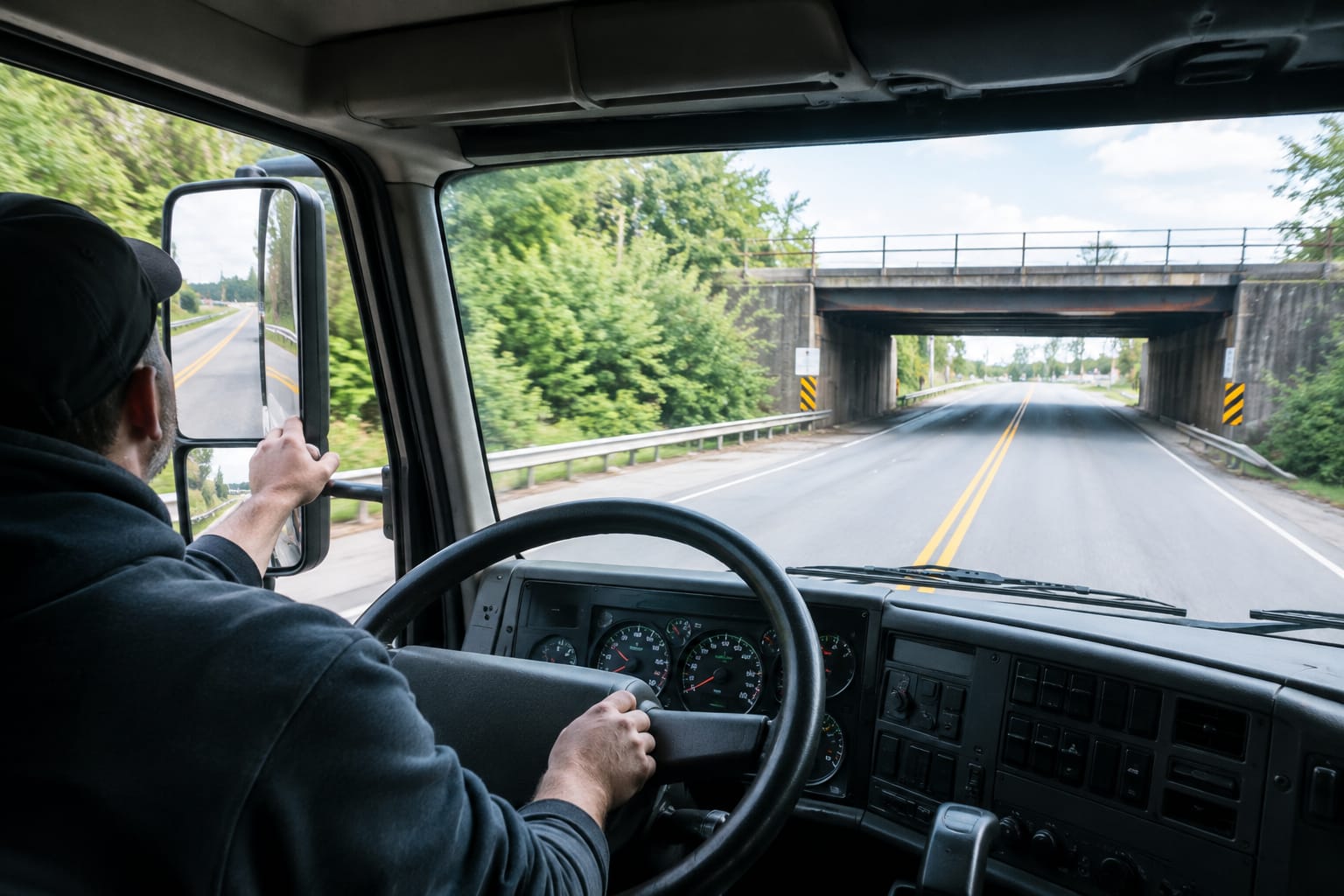
Tail swing is next. When you turn, the rear of the box swings wide and opposite your steering, so mirrors and wide turns become mandatory. Loaded braking distance grows dramatically, so leave far more following room than instinct tells you. If the worst happens, this guide on what to do after a rental truck accident walks through the immediate steps.
Boston-Specific Hazards: Storrow Drive, Low Bridges, and Street Permits
Greater Boston is one of the least forgiving places in the country to drive a tall rental truck. The region is full of historic low-clearance parkways that box trucks are banned from, and "getting Storrowed" is local shorthand for wedging a truck under one of them.
Storrow Drive and Memorial Drive carry posted clearance restrictions, and MassDOT maintains low-bridge advisories precisely because trucks strike these parkways every year — with a documented spike around the September 1 moving rush. Trucks are prohibited on these roads, and GPS will happily route you onto them anyway if you don't override it. Our crews' field-tested rules for dodging this are in how to avoid getting Storrowed.
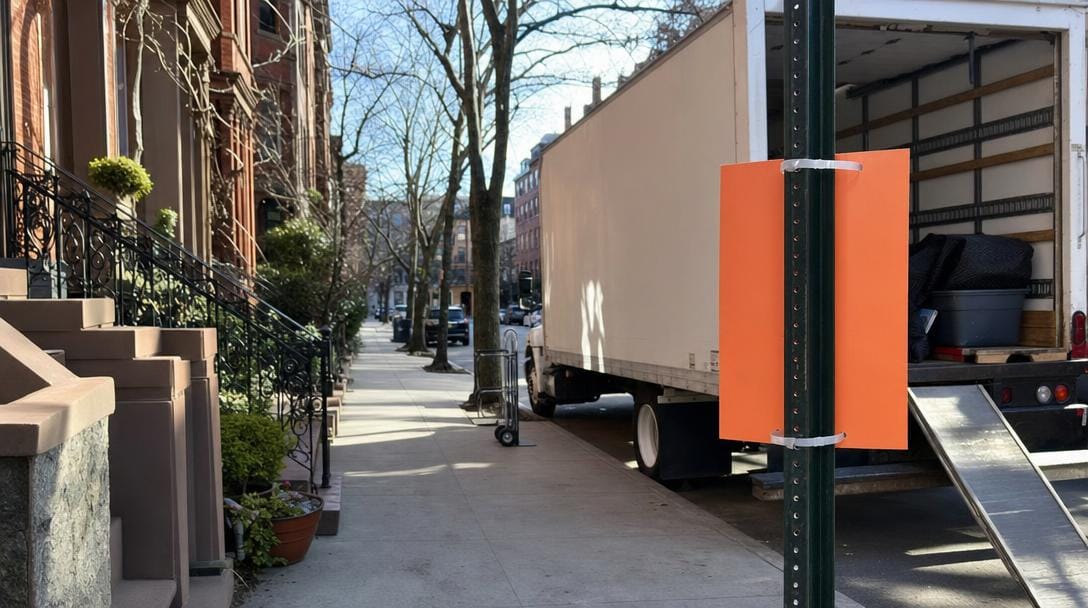
Parking is the other Boston-specific problem. The city requires a permit and temporary no-parking signage to legally hold curb space for a moving truck, and enforcement is real. Sort the logistics ahead of time using this guide on where to park a moving truck in Boston, and confirm the current process through the City of Boston's moving-truck space reservation page.
How to Load a Box Truck So Nothing Shifts in Transit
Load order is what separates an intact move from a truck full of broken furniture. The principle is simple: build a stable, tight wall from front to back, bottom to top, so nothing has room to move.
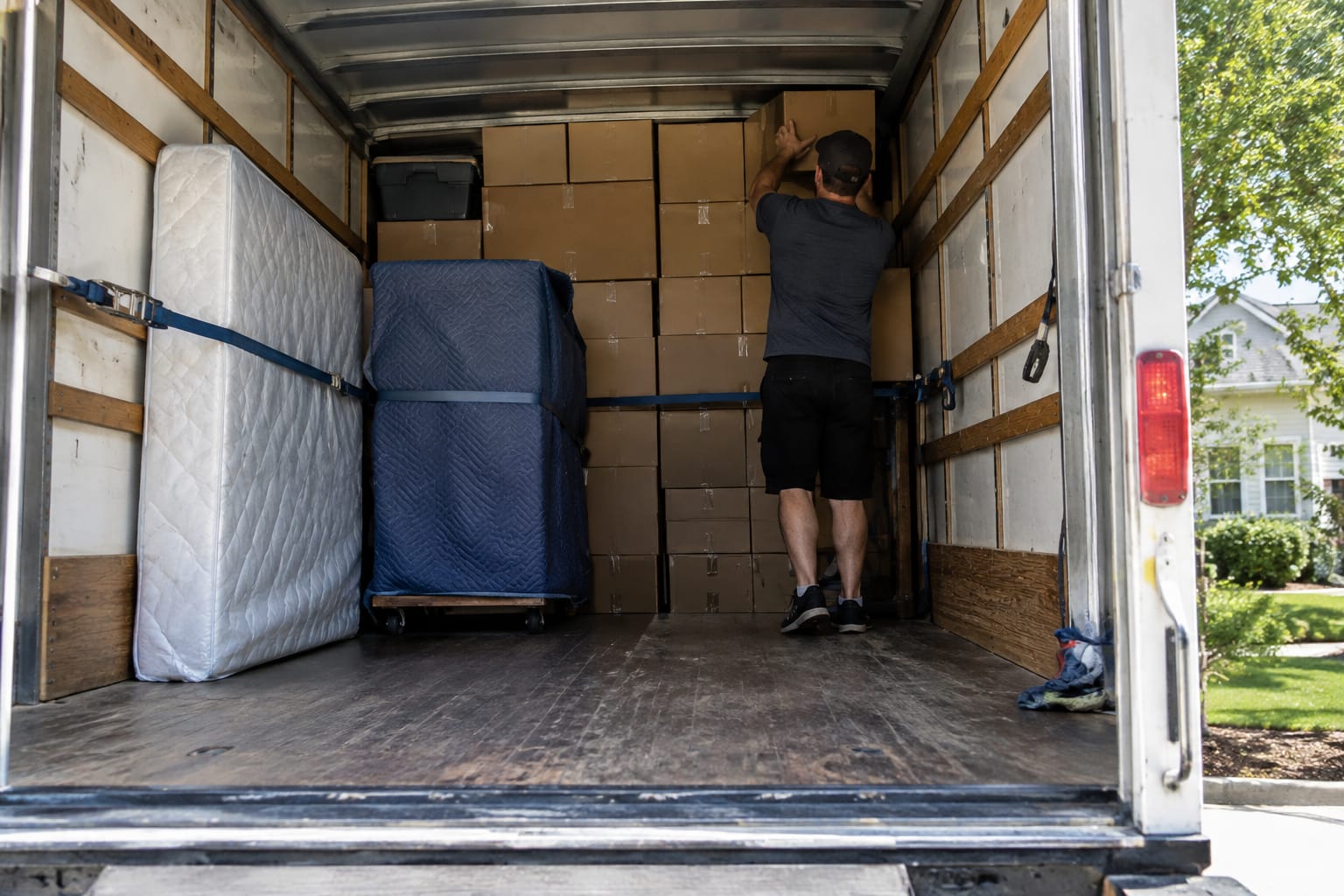
Work in tiers against the front wall, heaviest and squarest items first:
- Appliances and heavy furniture go against the front wall, low and centered, to anchor the load and balance weight over the axles.
- Long flat items — mattresses, headboards, table tops — stand on edge against the side walls, padded.
- Boxes stack in solid columns, heaviest on the bottom, filling the tier floor to ceiling.
- Odd-shaped and soft items fill the gaps so nothing can slide.
- Ratchet straps lock each tier to the truck's wall rails before you build the next one.
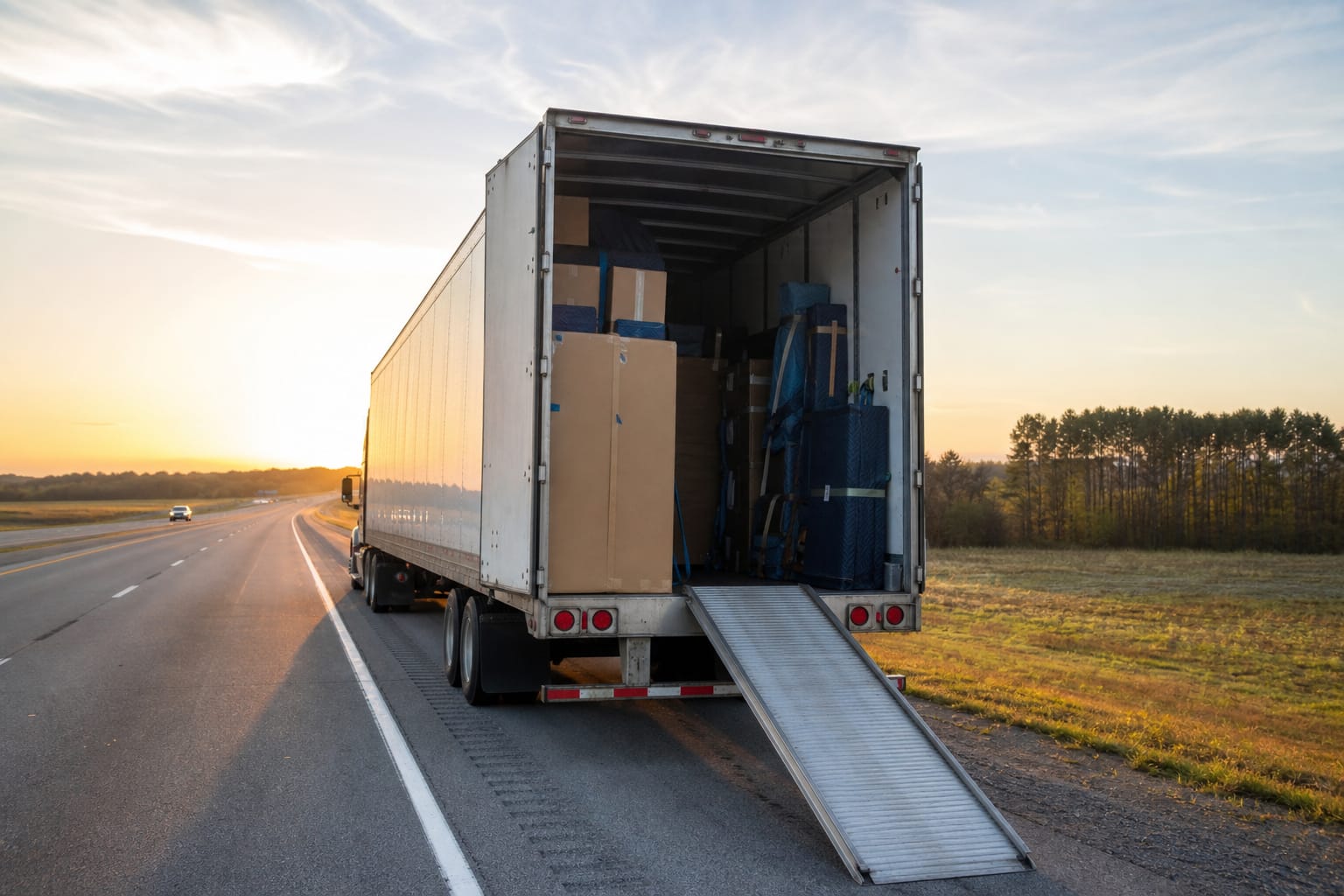
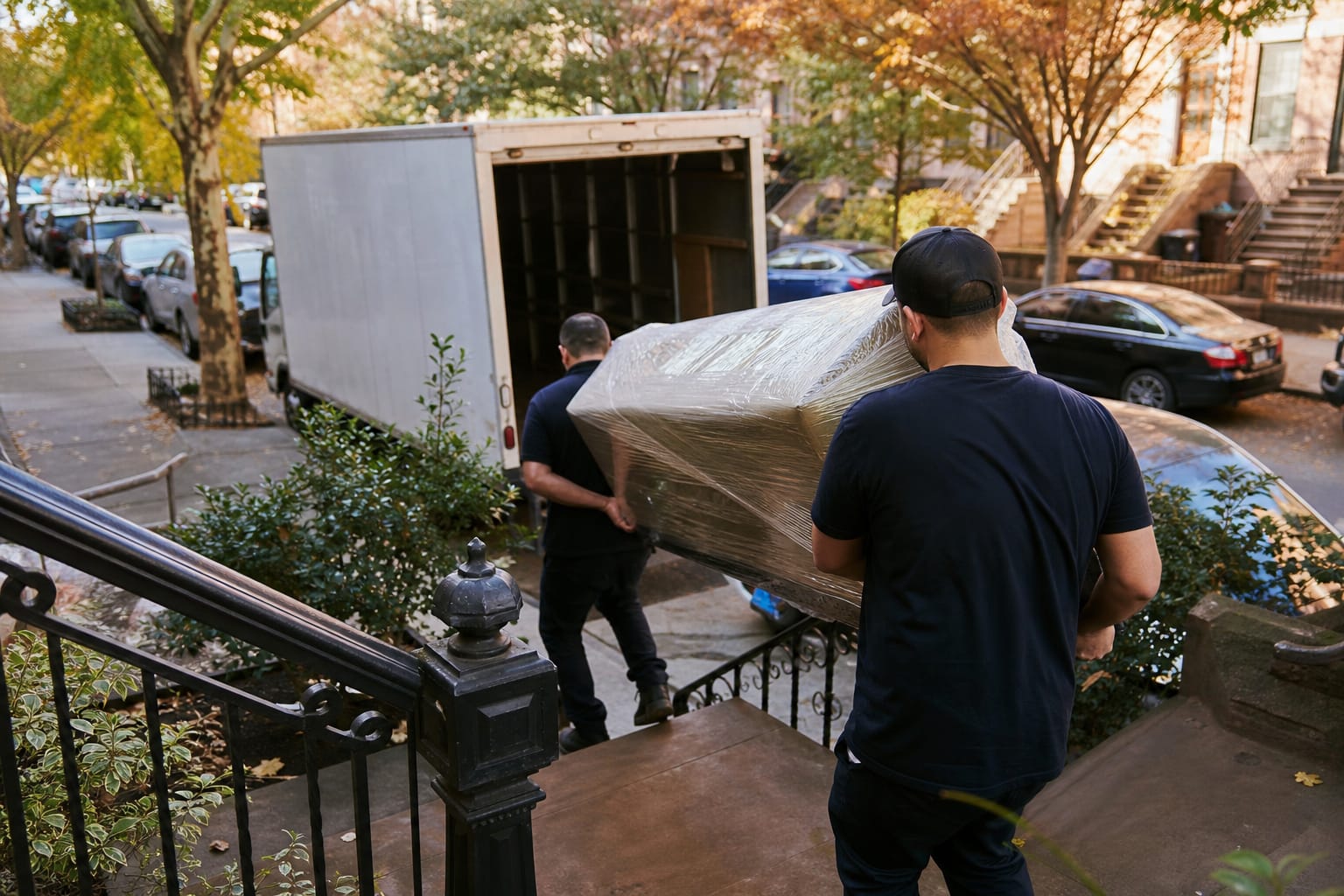
Moving blankets and shrink wrap protect surfaces; straps stop the shifting. The same load-order logic applies to a portable moving container, and for long hauls the extra bracing detail matters even more — see how to pack a truck for a long-distance move.
The Hybrid Move: Rent the Truck, Hire the Muscle
Here's the option the rental size guides never mention. You don't have to choose between doing everything yourself and paying for a full-service move.
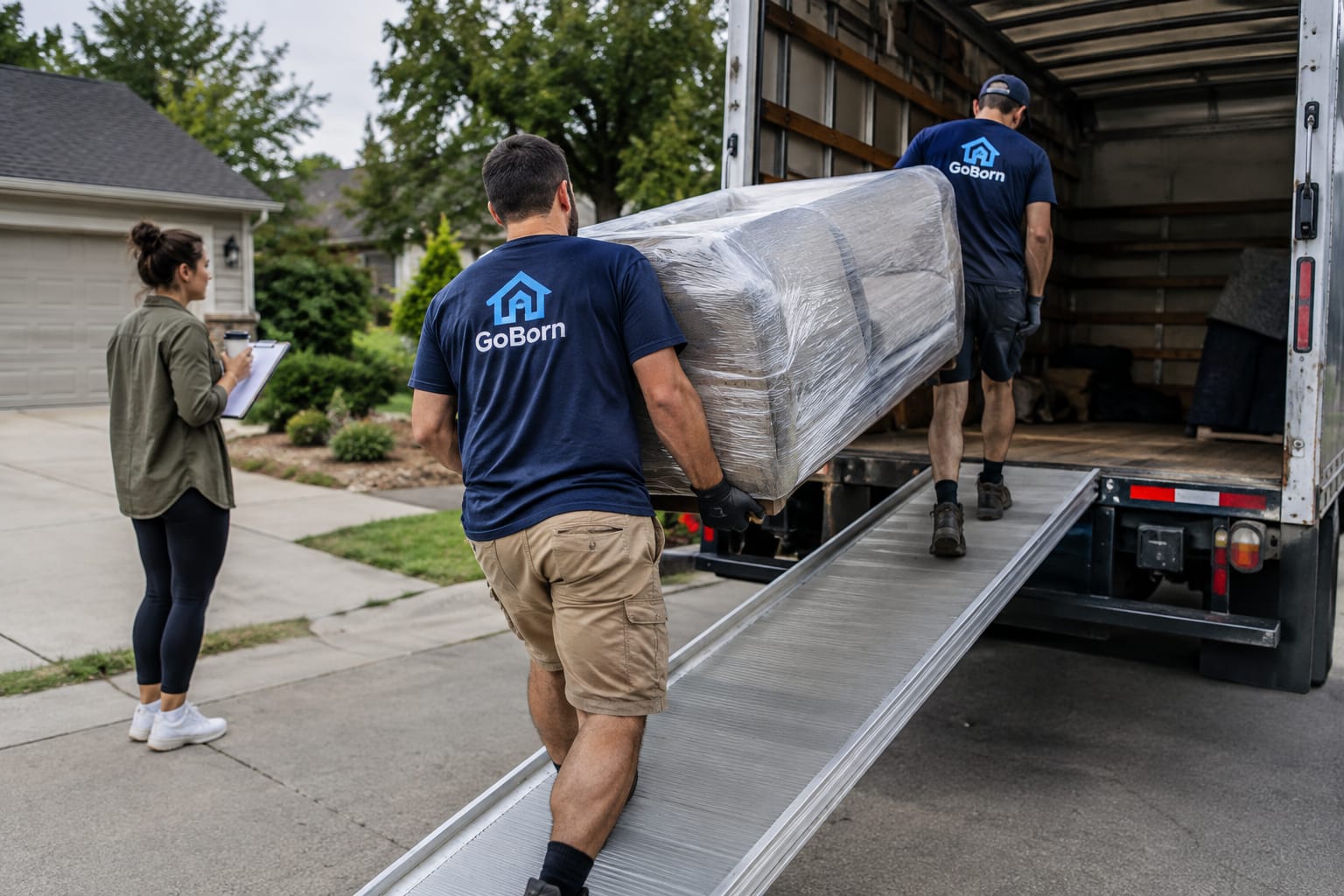
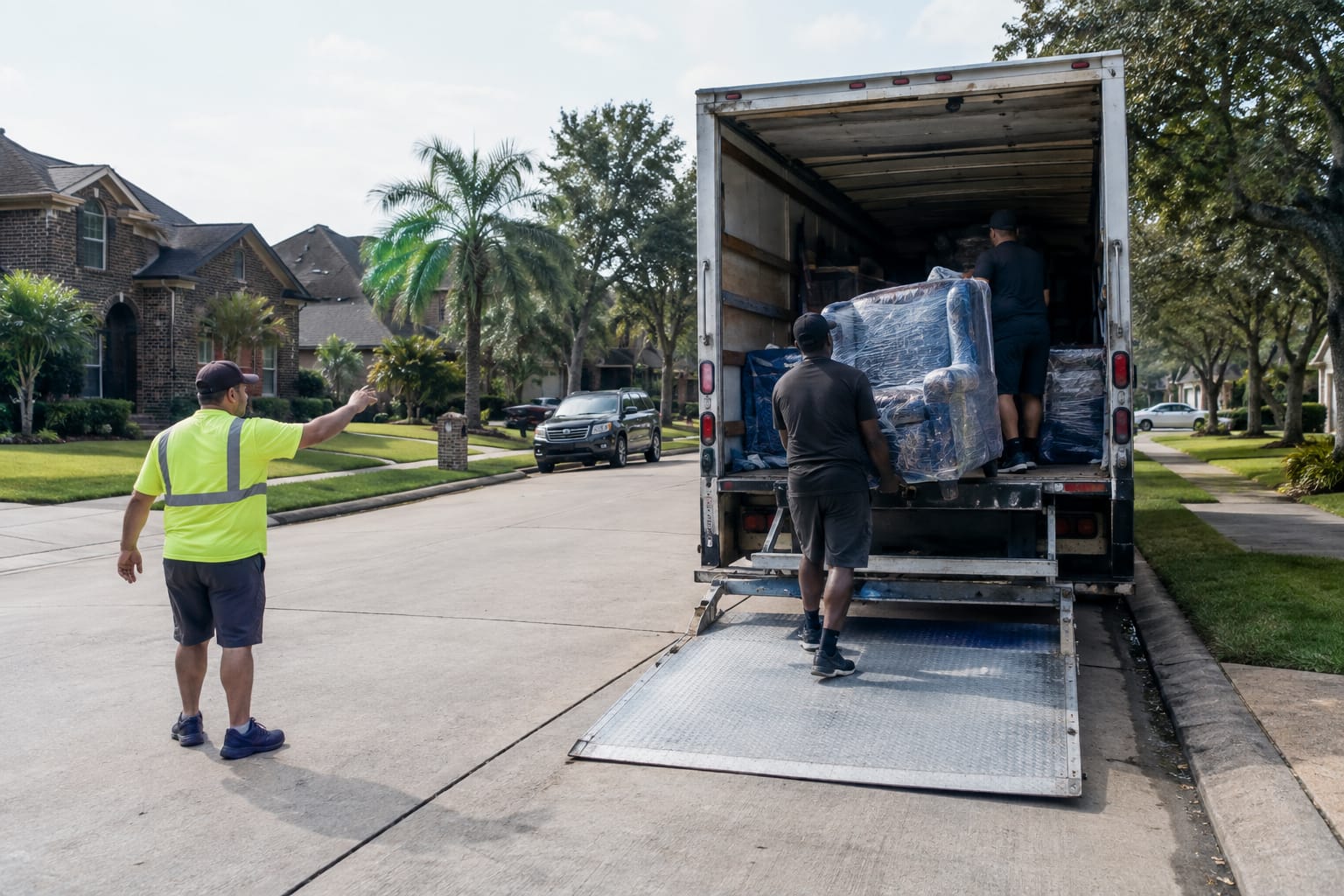
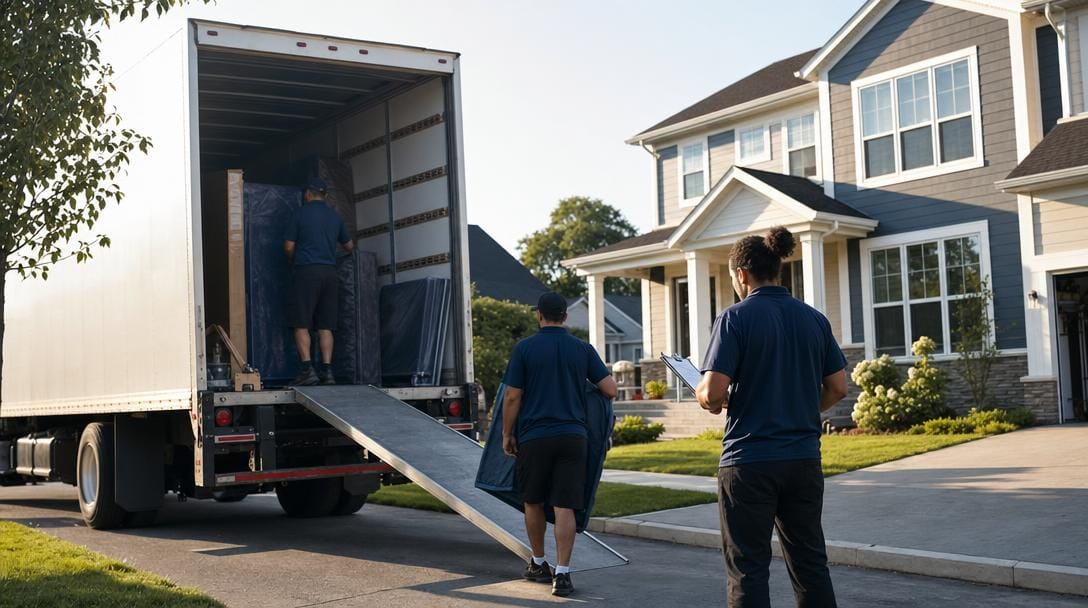
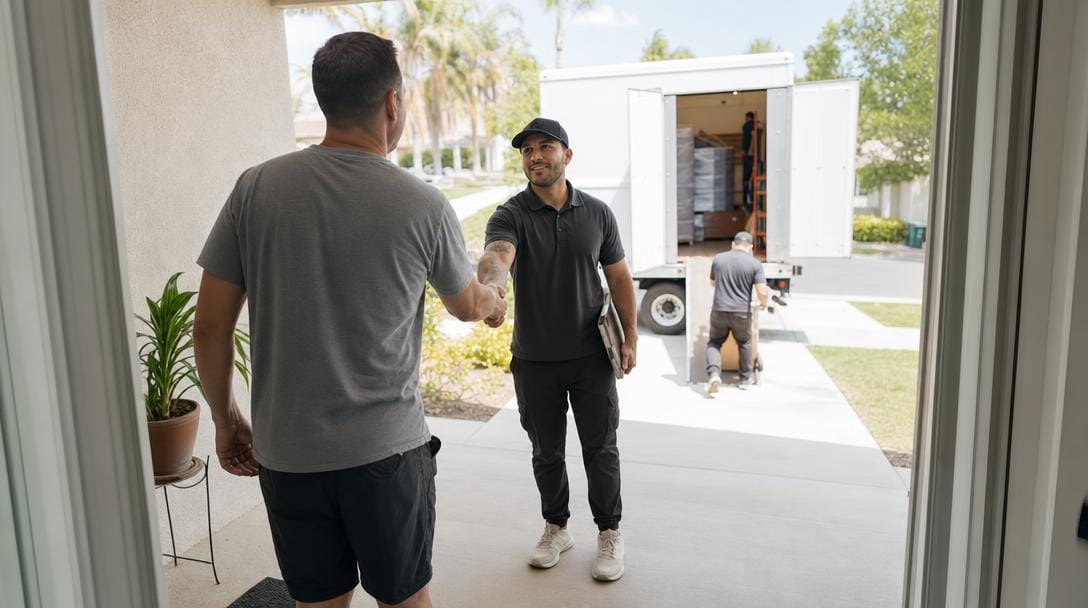
In a hybrid move — sometimes called labor-only or loading help — you keep the cheap truck rental and hire a professional crew for just the heavy part. The crew loads, secures, and unloads; you keep the low rental rate and the control over your route and timeline. A trained crew handles the loading, unloading, and unpacking so your belongings reach the destination without damage.
This solves the exact problem that breaks DIY budgets: the labor, not the truck, is the expensive and risky piece. If you've already booked a truck or a container and just need bodies, you can hire someone just to move the furniture for the loading window alone.
Q: Can I hire movers to load a truck I rented myself?
A: Yes. Labor-only loading is a standard service where a crew loads or unloads a truck or container you've rented, so you keep the low rental rate while professionals handle the lifting and load security.
When Renting Stops Making Financial Sense
A DIY truck wins on price for short, small, single-trip moves where you have free labor and forgiving roads. It stops making sense when three factors stack up: distance, heavy or fragile items, and difficult access.
Run the honest comparison. Add the base rate, mileage, fuel, coverage, and equipment, then add the value of a full day of your own labor and the risk of damage with no insurance behind it. Against that full number, a professional or hybrid move is frequently competitive rather than the luxury it appears to be.
The cleanest decision rule: if the drive involves tall-truck hazards you're not comfortable with, or the inventory includes items you can't afford to break, the rental's low sticker price is hiding your real cost.
Key Takeaways
- The truck is cheap; the labor, fuel, mileage, and coverage are where DIY budgets break.
- Match size to rooms honestly — a 15-footer suits most 1–2 bedroom apartments, a 26-footer a full house — and size up when in doubt.
- No CDL is needed for a personal move; rental trucks are spec'd under the 26,001-lb GVWR threshold on purpose.
- In Greater Boston, plan around Storrow Drive and low-bridge bans and pull a city parking permit before move day.
- A hybrid move — your rental, a hired crew for loading — is the logical middle path most people never consider.
About Box Truck Rental
Does my personal car insurance cover a rental moving truck?
Often not. Many personal auto policies and credit card benefits exclude trucks above a stated size or weight, which is why rental counters sell separate damage waivers and supplemental liability. Verify the exact terms with your own carrier before declining coverage — do not assume it carries over.
How many people does it take to load a 26-foot truck?
Plan on a crew of three to four and most of a day. Two people can do it, but fatigue leads to a rushed, poorly secured load, which is exactly when things shift and break in transit.
What happens if I return the truck late or with less fuel than I got it?
Both trigger extra charges. Late returns are typically billed by the hour or day, and rental companies refuel a short tank at a premium per-gallon rate, so top it off yourself and return on time.
What can't I put in a rental moving truck?
Hazardous materials — propane tanks, gasoline, paint, aerosols, ammunition, and other flammables or corrosives — are prohibited. Check the rental agreement's restricted-items list, and drain fuel from mowers and grills before loading.
Written by GoBorn Team, Moving Company Experts
Useful Links
- Full Service Moving Company vs DIY Truck Rentals
- How to Pack a Truck for a Long Distance Move
- Avoid Getting Storrowed in Boston: Tips for Moving Truck Drivers
- Where Can I Park My Moving Truck in Boston?
- Can I Hire Someone to Move Furniture?
Frequently Asked Questions