'%3E%3Cpath%20fill='%231B2A47'%20d='M1.605%2016.263c.03-1.139.059-2.482.088-3.971.03-1.49.03-2.832.03-4.03%200-.758%200-1.576-.03-2.51%200-.905-.03-1.84-.03-2.803%200-.496-.028-.964-.028-1.43%200-.468%200-.906-.03-1.315h6.858q2.188%200%203.589.35c.963.234%201.663.643%202.13%201.198.496.555.73%201.372.73%202.394%200%20.788-.176%201.46-.497%201.985-.32.526-.846.935-1.575%201.197-.73.292-1.693.468-2.918.526v.263c1.313.087%202.334.263%203.122.525.758.263%201.342.672%201.692%201.197.35.526.525%201.197.525%202.044%200%201.08-.233%201.927-.67%202.57-.468.642-1.139%201.08-2.102%201.343-.933.262-2.159.408-3.705.408H1.605zm6.537-9.197q1.882%200%202.713-.526c.555-.35.817-.934.817-1.752%200-.905-.292-1.547-.846-1.927s-1.459-.554-2.655-.554H4.757v4.759zm.204%206.92c.934%200%201.663-.088%202.217-.263.555-.176.934-.438%201.197-.818s.38-.876.38-1.518c0-.876-.322-1.49-.934-1.84-.643-.35-1.635-.525-3.035-.525H4.757v4.963zM21.038%2016.555c-1.576%200-2.801-.292-3.618-.905-.817-.614-1.284-1.519-1.372-2.745-.087-1.226.205-2.774.847-4.613s1.43-3.358%202.392-4.584c.963-1.226%202.043-2.131%203.298-2.744C23.839.292%2025.24%200%2026.786%200c1.576%200%202.772.321%203.59.934.816.613%201.283%201.548%201.37%202.774s-.203%202.774-.845%204.613c-.642%201.81-1.43%203.358-2.393%204.584s-2.072%202.132-3.297%202.745a9.8%209.8%200%200%201-4.173.905m.788-2.278c.642%200%201.138-.058%201.371-.116.205-.059.496-.117.847-.322.262-.146.437-.292.554-.408.204-.175.32-.292.438-.41.204-.203.35-.408.496-.583.35-.438.642-.876.963-1.402.233-.408.466-.817.67-1.284.205-.438.38-.905.555-1.372.438-1.198.671-2.278.671-3.183s-.204-1.606-.612-2.131c-.409-.497-1.051-.76-1.897-.76-.467%200-.934.059-1.43.205h-.03c-1.02.292-1.925%201.226-2.042%201.372-.116.117-.467.526-.963%201.343a15.5%2015.5%200%200%200-1.342%202.92c-.408%201.197-.642%202.277-.671%203.182-.03.906.175%201.636.584%202.161q.611.788%201.838.788M14.853%2038.54c-1.576%200-2.802-.292-3.619-.905s-1.284-1.518-1.371-2.744c-.088-1.227.204-2.774.846-4.614s1.43-3.357%202.393-4.584%202.042-2.13%203.297-2.744c1.255-.613%202.655-.905%204.173-.905%201.575%200%202.772.321%203.589.934s1.284%201.548%201.371%202.774c.088%201.226-.204%202.774-.846%204.613-.642%201.81-1.43%203.358-2.393%204.584s-2.072%202.131-3.297%202.745c-1.226.613-2.626.846-4.143.846m.787-2.277c.642%200%201.138-.059%201.372-.117.204-.058.496-.117.846-.321.263-.146.438-.292.554-.409.205-.175.321-.292.438-.409.204-.204.35-.408.496-.584a13%2013%200%200%200%201.634-2.686c.204-.438.38-.905.555-1.372.437-1.197.67-2.277.67-3.182%200-.906-.203-1.606-.612-2.132-.409-.496-1.05-.759-1.897-.759-.467%200-.934.058-1.43.204h-.029c-1.021.292-1.925%201.227-2.042%201.373-.117.116-.467.525-.963%201.343a15.5%2015.5%200%200%200-1.342%202.92c-.409%201.196-.642%202.277-.671%203.182s.175%201.635.583%202.16q.613.789%201.838.789'/%3E%3Cpath%20fill='%23FF515E'%20d='M55.966%2038.57c-1.576%200-2.801-.293-3.618-.906s-1.284-1.518-1.372-2.744c-.087-1.227.204-2.774.846-4.613s1.43-3.358%202.393-4.584c.963-1.227%202.043-2.132%203.297-2.745s2.656-.905%204.173-.905c1.576%200%202.772.321%203.589.934s1.284%201.548%201.371%202.774c.088%201.226-.204%202.774-.846%204.613-.642%201.81-1.43%203.358-2.393%204.584s-2.071%202.131-3.297%202.745c-1.225.613-2.626.846-4.143.846m.788-2.249c.642%200%201.138-.058%201.371-.117.204-.058.496-.116.846-.32.263-.147.438-.293.555-.41a7%207%200%200%200%20.437-.408c.205-.205.35-.41.496-.584a13%2013%200%200%200%201.634-2.686c.205-.438.38-.905.555-1.373.438-1.197.671-2.277.671-3.182s-.204-1.606-.613-2.131c-.408-.497-1.05-.76-1.896-.76-.467%200-.934.059-1.43.205h-.03c-1.02.292-1.925%201.226-2.042%201.372-.117.117-.467.526-.963%201.343a15.5%2015.5%200%200%200-1.342%202.92c-.409%201.197-.642%202.277-.671%203.182s.175%201.635.583%202.16q.614.79%201.839.79'/%3E%3Cpath%20fill='%231B2A47'%20d='M33.06%2016.263c0-.35%200-.935.03-1.81.029-1.051.058-2.103.058-3.154s.03-2.073.03-3.007c0-1.606-.03-3.27-.06-4.993%200-.554-.028-1.08-.028-1.606%200-.525-.03-1.021-.03-1.46h6.828c1.46%200%202.685.117%203.59.38q1.4.394%202.1%201.314.7.963.7%202.628c0%20.992-.174%201.81-.554%202.452-.35.643-.904%201.11-1.604%201.431s-1.576.467-2.627.496v.263q2.058.087%203.064.876c.671.525%201.138%201.372%201.43%202.51.087.41.233%201.023.467%201.84.233.818.408%201.431.554%201.84h-3.414a11%2011%200%200%200-.262-1.022c-.321-1.314-.526-2.19-.584-2.628a5%205%200%200%200-.642-1.46%202.13%202.13%200%200%200-.963-.73c-.408-.146-.934-.233-1.605-.233h-3.326v6.0440000000000005H33.06zm6.332-8.292c1.343%200%202.276-.205%202.86-.613.554-.41.846-1.11.846-2.073%200-.73-.146-1.314-.408-1.723-.263-.409-.671-.7-1.197-.876q-.788-.263-2.1-.263h-3.181v5.519h3.18zM49.4%2016.263l.03-2.745c.029-2.452.029-4.905.029-7.416q0-2.101-.088-5.868h4.085l5.924%2010.335c.087.234.204.438.291.643.117.204.205.408.321.613.38.788.613%201.255.672%201.372h.262c0-.058-.03-.146-.03-.204%200-.059-.028-.117-.028-.175a75%2075%200%200%201-.175-1.314%2010%2010%200%200%201-.088-1.285c0-1.547%200-3.737-.029-6.57V1.84c0-.584-.03-1.11-.03-1.576h2.977c-.03%202.482-.058%205.08-.058%207.766%200%201.694%200%204.438.029%208.292h-4.027l-5.573-9.43c-.875-1.81-1.226-2.511-1.05-2.132-.263-.613-.467-1.08-.613-1.46h-.263c.058.35.117.876.175%201.548.059.7.117%201.168.117%201.46%200%202.978%200%206.306.029%209.985H49.4zM4.698%2038.277c.029-2.627.058-5.255.058-7.883%200-1.576%200-3.503-.029-5.752-1.109%200-2.684%200-4.727.03v-2.453h12.664v2.453c-1.955-.03-3.53-.03-4.756-.03%200%20.584-.03%201.227-.03%201.957s0%201.46-.029%202.218v1.84c0%202.57.03%205.11.059%207.62z'/%3E%3Cpath%20fill='%23FF515E'%20d='M29.441%2038.277c.409-1.05.788-2.102%201.168-3.182s.787-2.16%201.167-3.241c.613-1.693%201.05-2.949%201.342-3.766l1.255-3.65c.116-.38.262-.788.379-1.139.117-.38.263-.73.38-1.05h4.61l-.671%2012.904h.262l8.316-12.905h4.669l-.7%201.869c-.876%202.452-1.343%203.766-1.43%204a501%20501%200%200%200-3.385%2010.16h-2.947c.292-.846.788-2.219%201.459-4.087.175-.526.35-1.08.554-1.606.175-.526.38-1.08.555-1.577.642-1.81%201.342-3.825%202.072-6.014h-.234l-8.724%2013.314h-2.86l.554-13.314h-.175c-.175.496-.38.992-.554%201.489-.175.496-.38%201.022-.555%201.547a163%20163%200%200%200-1.08%203.008c-.145.38-.262.759-.408%201.138-.117.38-.262.73-.408%201.11-.7%201.898-1.284%203.59-1.751%205.05h-2.86zM68.047%2038.277c.175-2.19.32-4.525.467-7.007.058-.905.204-3.912.467-9.051h3.151c-.03.438-.058.934-.088%201.46s-.058%201.08-.087%201.693a264%20264%200%200%201-.409%206.657c-.145%201.986-.35%203.591-.583%204.788h.175Q72.147%2034.892%2073.94%2032a562%20562%200%200%201%204.465-7.066c.32-.496.641-.992.933-1.46s.555-.875.817-1.255h3.268q-.568.832-1.138%201.752c-.408.613-.787%201.255-1.196%201.927-3.88%206.014-6.478%2010.131-7.85%2012.35h-5.193zM79.106%2038.277c.32-.788.758-2.014%201.37-3.65a287%20287%200%200%200%201.577-4.32c.437-1.256.904-2.628%201.4-4.088s.934-2.774%201.313-3.97h11.322l-.846%202.364H87.1l-1.664%204.847%207.645-.088-.612%201.694-7.587-.088-1.75%204.934h8.286l-.846%202.365z'/%3E%3C/g%3E%3Cdefs%3E%3CclipPath%20id='a'%3E%3Cpath%20fill='%23fff'%20d='M0%200h96v40H0z'/%3E%3C/clipPath%3E%3C/defs%3E%3C/svg%3E)
To vet Chicago movers, check the license that matches your route, get every quote in writing against the same inventory, and read the estimate type before the price. Most searches for chicago movers land on directory listicles that rank companies without showing how to test them. This guide gives you the checks instead: two public registries, a blank quote-comparison worksheet, and the Chicago access details that make two similar quotes land hours apart.

Key Takeaways
- Match the license to the route. In-state Illinois household goods moves fall under the Illinois Commerce Commission. For interstate moves, confirm the current requirements with FMCSA.
- Read the estimate type before the number. A low non-binding estimate can grow on moving day. A binding or binding-not-to-exceed estimate fixes or caps the price for the listed inventory and services.
- Normalize before you compare. Every quote should price the same crew size, truck, travel-time rules, access conditions, materials, and valuation.
- Chicago access sets the clock. Walk-ups, alleys, street parking, freight elevator windows, and winter weather all add hours to an hourly move.
- Released value is not insurance. Basic protection reimburses by weight, not by replacement value. Extra coverage is optional and costs extra.
Chicago Movers Come in Three Types: Know Which One You Are Hiring
Before you compare prices, confirm what kind of business is on the phone. Three very different operations show up for the same search.
- Local moving crews bill by the hour for moves inside the Chicago metro. The crew, truck, and dispatcher belong to one company.
- Interstate carriers run their own trucks across state lines under federal authority. They quote long-distance moves by weight, volume, or a flat rate tied to your inventory.
- Brokers and lead sites pass your move to a carrier you never vetted. Some advertise like movers, so ask plainly: Will your own crew and your own truck handle my move?
Many Chicago moving companies do both local and interstate work, and that is fine. What matters is that the company you vet is the company that shows up. For neighborhood-level context on relocating in the city, see our full Chicago moving guide.
Step 1: Verify the License That Matches Your Route
The credential to ask for depends on where your belongings are going. In-state Illinois moves and interstate moves answer to different regulators, and a number valid for one says nothing about the other.
Moving within Illinois (for example, Chicago to a suburb): ask for the company's Illinois Commerce Commission registration number. Then confirm it with the Illinois Commerce Commission, which registers household goods carriers operating inside the state.
Moving to or from another state: ask for the USDOT number and the MC number, the motor carrier number that shows interstate operating authority. Enter either one into the FMCSA SAFER Company Snapshot, or follow our walkthrough to look up the company's US DOT number.
What a bad result looks like:
- The legal or DBA name in the registry does not match the name on the quote.
- The operating authority status does not show the carrier as authorized for household goods.
- The entity type reads broker, but the company claims to run its own trucks.
- The company quotes an interstate move but can only show an in-state registration.
Q: How do I check if a Chicago moving company is licensed?
A: For moves within Illinois, confirm the carrier's registration with the Illinois Commerce Commission. For interstate moves, search its USDOT or MC number in FMCSA's SAFER Company Snapshot.
Apply the same test to every bidder, including Born to Move. The company's About page lists Illinois Commerce Commission registration 244189 for intrastate Illinois moves, plus USDOT 2887241 and MC 985934 for interstate work. Check each number in the registry that governs your route before you book.

Step 2: Read the Estimate Type Before You Read the Number
A lower estimate is only cheaper if it holds. The estimate type tells you whether the figure on the page is a fixed price, a ceiling, or an approximation.
- Binding estimate: a fixed price for the goods and services listed. Services you add later cost extra.
- Non-binding estimate: the mover's approximation. The final charge follows the actual weight and services, so it can land higher or lower.
Every interstate move also runs on two documents. Read both before you sign either.
Q: What is the difference between a binding and non-binding moving estimate?
A: Confirm the current definitions with FMCSA, which publishes the booklet Your Rights and Responsibilities When You Move.
Local Chicago moves usually bill by the hour, so the estimate is a time projection multiplied by a rate. The final invoice follows actual hours, including travel time. For a plain-language breakdown of how hourly, flat-rate, and binding estimates actually work, see our DIY-versus-movers comparison.
Step 3: Make Every Chicago Moving Quote Describe the Same Move
Two quotes only compare when they price the same job. Send each company the same inventory, the same access details, and the same date range. Then line up the answers.
| Line item | Quote A | Quote B | Quote C | What to confirm |
|---|---|---|---|---|
| Crew size | Number of movers, in writing | |||
| Truck size | One truck, or two trips | |||
| Billing basis | Hourly, flat rate, or estimate type | |||
| Minimum hours | Whether the minimum includes travel | |||
| Travel time | Billed hourly, flat fee, or waived | |||
| Stairs and long carry | Separate fee, or time only | |||
| Elevator and COI | Who arranges it, any fee | |||
| Disassembly and reassembly | Which pieces are included | |||
| Packing labor | Rate and scope | |||
| Packing materials | Charged per item used | |||
| Valuation | Released value or optional extra coverage | |||
| Payment terms | Deposit, card fees | |||
| Delivery window (interstate) | Dates agreed in writing |
Fill each column from the company's own documents, not from a phone conversation. Born to Move publishes its local rates on its pricing page: 2 movers and a truck from $160/hr, 3 movers from $240/hr, and 4 movers from $320/hr. Each carries a 3-hour minimum that includes travel time, billed at the same hourly rate, and card payments add 3%.
Seasonal rates apply, so confirm the current figure when you request a quote. The hourly rate covers labor, truck, fuel, tolls, and basic released-value protection. Packing supplies such as boxes, tape, shrink wrap, and mattress bags are always charged separately.
Pro Tip: Record one video walk-through of every room, closet, and storage cage, and send the same file to every bidder. Differences between the quotes then reflect pricing, not guesswork about your inventory.
Chicago Logistics That Change Your Price: Permits, Walk-Ups, Alleys, and Winter
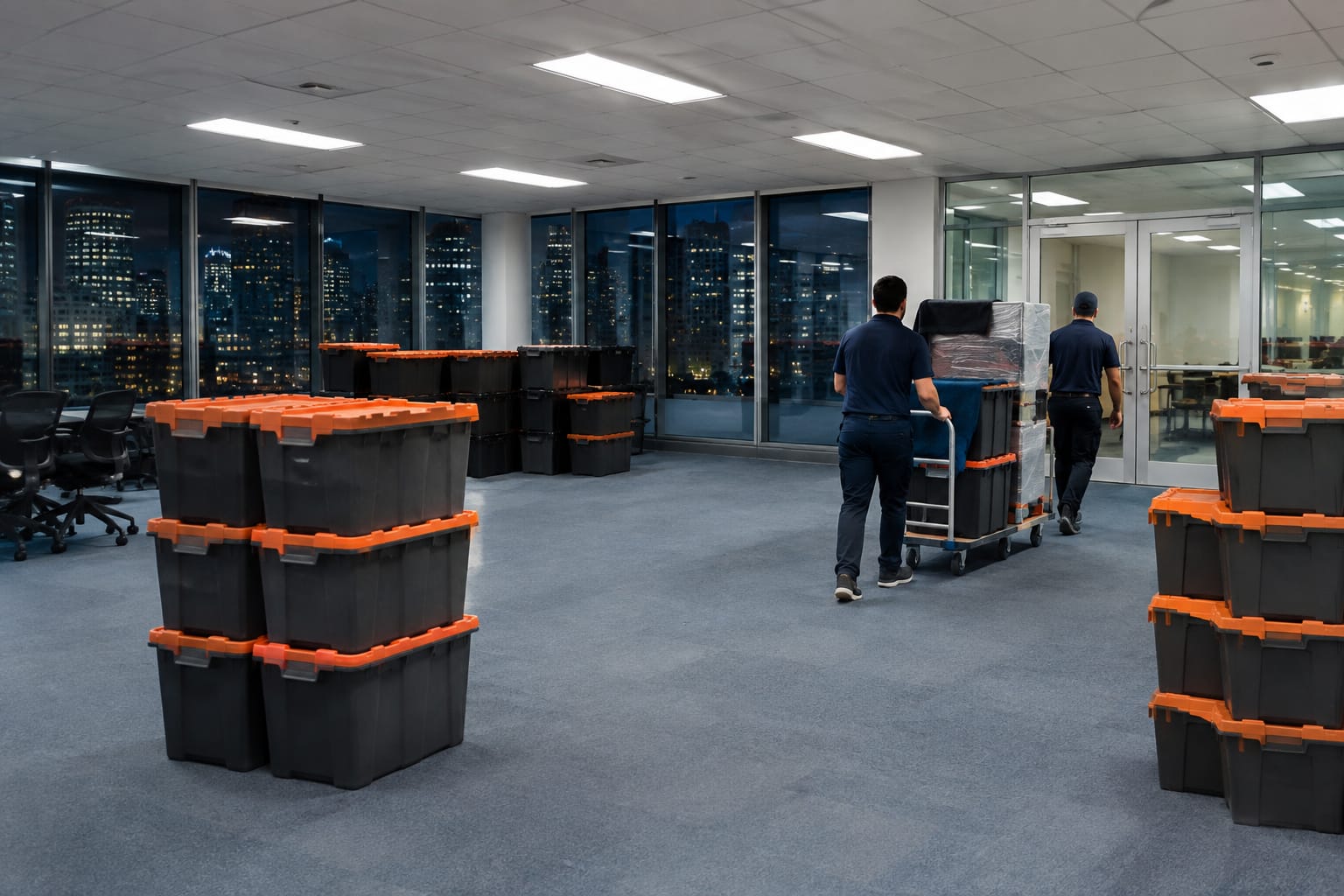
On an hourly move, anything that slows the crew costs money. These Chicago conditions explain most of the gap between two quotes that looked identical on paper.
Street parking and permits. If the truck needs curb space on a public street, check the Chicago Department of Transportation for current rules, fees, and lead times. Confirm those details with the city rather than relying on any mover's summary. Ask each company who handles the reservation; with Born to Move, the customer arranges truck parking or any city permit.
Three-flats and walk-ups. A classic Chicago three-flat means back-porch stairs, tight landings, and no elevator. Born to Move's pricing page states it does not charge extra for stairs, even in walk-up buildings, but stairs still add time on an hourly job. Ask every bidder whether a stair or long-carry fee sits on top of the hours.
Alleys. Many Chicago buildings load best from the rear alley. Garage doors, utility poles, and parked cars can block a truck, so tell each mover whether the alley fits a box truck or the crew faces a long carry from the street.
On an hourly move, that drive time is part of the bill.
Winter. Check posted winter parking restrictions and snow-route signs before you plan where the truck will stand. Ice on porch stairs and slush across floors both slow a crew, so ask how each company protects floors in bad weather.

High-Rise and Condo Buildings: COI, Elevator Reservations, and Loading Windows
Downtown towers and condo buildings add paperwork before any furniture moves. Most management offices want three things settled in advance: a certificate of insurance, a reserved elevator, and a loading time.
A certificate of insurance (COI) is a document from the mover's insurer that names the building, and often its management company, on the policy paperwork. Get the building's exact requirements in writing and forward them to every mover you are considering. Born to Move maintains liability and cargo insurance and can issue building-specific COIs as needed.
Q: Why does my Chicago building need a certificate of insurance from my movers?
A: Management uses the COI to confirm the moving company carries liability coverage for damage to elevators, lobbies, and common areas before granting access. Born to Move issues building-specific COIs on request.
Book the service elevator as early as the building allows, and share the confirmed window with each mover. A short window changes the math: a larger crew may finish inside it, while a smaller one risks a second booking. Our guide to reserving the building elevator covers what to ask management.

Need help with this? Get a quote
Red Flags That Should End the Conversation
Some warning signs are enough on their own. If a Chicago moving company shows any of these, move to the next bid.
- No registry match for the route you are taking.
- A firm price given over the phone with no inventory review.
- A quote far below every other bid, with no explanation of why.
- A large deposit demanded up front, or a cash-only policy.
- Pressure to sign a blank or incomplete bill of lading.
- A company name that changes between the website, the quote, and the truck.
- Claims that your belongings are fully covered at no extra cost. Basic released value is not insurance.
- Willingness to haul anything, including items no licensed mover will load.
Most of these map onto classic moving scam patterns, from hostage loads to bait-and-switch estimates. Walking away early costs nothing.
The 10 Questions to Ask on the First Phone Call
These questions surface the answers the worksheet needs. Ask them the same way to every company and write the answers down.
- Which applies to my move: your Illinois Commerce Commission registration, or your USDOT and MC numbers?
- Will your own employees and truck handle the move, or will another company?
- Is this estimate hourly, binding, non-binding, or binding-not-to-exceed?
- How many movers and what size truck are you pricing?
- How is travel time billed, and what is the minimum?
- Do stairs, elevators, or long carries add a fee, or only time?
- Which packing materials cost extra, and how are they billed?
- What valuation is included, and what does extra coverage cost?
- Can you issue a COI for my building, and how quickly?
- What happens if the move runs long or the date changes?
For a longer list organized by move type, see these questions to ask when hiring a moving company.
Moving Between Boston and Chicago: What Changes on a Long-Distance Lane
Verify the USDOT and MC numbers on SAFER, and expect the FMCSA estimate types described above.
Born to Move, headquartered in Newton, MA, quotes interstate moves as a flat rate based on a confirmed inventory and access conditions. The inventory comes from a video walk-through, an on-site survey, or the online calculator, and a written estimate is issued before booking. One crew and one truck handle each job, and the quote covers labor, truck, fuel, tolls, and mileage.
Valuation deserves a close read. Basic released-value protection on Born to Move's interstate moves is $0.60 per pound, which reimburses by weight rather than by what an item is worth. Additional coverage is optional and costs extra.
The delivery window is agreed in writing before booking. For typical transit windows on long-distance lanes, see our lane-by-lane guide, and for planning cross-country moves out of Chicago, see our Chicago to Los Angeles breakdown.
At loading, check the bill of lading inventory against what goes on the truck.

How Born to Move Handles Chicago Moves
Born to Move started in the Greater Boston area and operates an office in Chicago at 3525 W Peterson Ave, Suite 426. From there it handles hourly local moves in the Chicago metro and interstate moves to and from Illinois.
Local jobs include the truck, moving blankets, floor protection, shrink wrap, and basic furniture disassembly and reassembly. On moving day the crew arrives within the agreed time window, pads and wraps furniture, and loads with dollies, straps, and blankets.
Every quote starts with a review of your inventory and access conditions, through the online quote form, a phone consultation, or a FaceTime or video walk-through. That review produces written figures you can drop straight into the worksheet above and compare line by line.

Written by Born to Move Team
Related Articles
- U-Haul vs. Hiring Movers in Boston: A Real Cost and Effort Comparison — How renting a truck compares with hiring a crew once time, labor, and estimate types are counted.
- Items Movers Won't Move: The Non-Allowables List (and What to Do Instead) — Which belongings licensed movers exclude and how to transport them yourself.
- Houston Movers: Comparing Local Crews and Long-Distance Lanes — How local hourly crews and long-distance quotes differ in another major metro.
- Box Truck Rental for Moving: Sizes, Costs, and Loading Help — How to size a rental truck and when loading help makes sense.
Useful Links
- How to Check a Moving Company's US DOT Number: A Step-by-Step Guide
- Chicago Movers: Your Comprehensive Guide to Moving in the Windy City
- What Questions Should I Ask When Hiring a Moving Company?
- How to Avoid Moving Scams
- Moving Companies Chicago to Indianapolis: Your Relocation Guide
Need help with this? Get a quote · Call (617) 903-2609
Frequently Asked Questions