Filing a moving damage claim after an interstate move follows a fixed sequence. Note damage on the delivery paperwork, check your bill of lading and valuation level, gather proof, and send a written claim to the mover. Federal law gives you at least nine months to file.
Those deadlines come from 49 U.S.C. § 14706, which bars interstate carriers from setting a claim-filing period shorter than nine months. Most payout disputes come down to two things: the valuation level on the bill of lading and the quality of the evidence. If you are still planning, start with what to know about interstate moving. This guide covers each step, the deadlines, how valuation limits a payout, and what to do if a claim is denied.
Key Takeaways
- File within nine months. Under 49 U.S.C. § 14706, interstate carriers cannot set a claim-filing period shorter than nine months; filing early keeps evidence strong.
- Know the mover’s response deadlines.
- Valuation caps the payout.
- Put everything in writing. A valid claim identifies the shipment, states the carrier is responsible, and requests a specific amount.
- Escalation has three paths. Use the mover’s arbitration program required by 49 U.S.C. § 14708, file an FMCSA complaint, or consult a licensed attorney.
The Six Steps at a Glance
Here is the full interstate moving claim process in order:
- Document damage at delivery. Write damaged and missing items on the delivery receipt or inventory before you sign.
- Check your bill of lading. Confirm the valuation level you chose and the mover's claim instructions.
- Gather proof. Collect photos, the inventory sheet, purchase receipts and repair estimates.
- Submit a written claim. Send it within the nine-month federal window and request a specific amount.
- Track the response. Expect written acknowledgment within 30 days and a decision within 120 days.
- Escalate if needed. Use the mover's arbitration program, file an FMCSA complaint, or consult a licensed attorney.
Interstate Moving Claim Deadlines at a Glance
A household goods carrier is a mover registered with the Federal Motor Carrier Safety Administration (FMCSA) to haul personal belongings across state lines. The table below summarizes the federal timeline that applies to a household goods claim against that carrier. Rules change, so confirm current text in the eCFR and the statute before relying on any date.
| Stage | Federal timeframe | Legal source |
|---|---|---|
| File a written claim | Not less than 9 months; check the period printed on your bill of lading | 49 U.S.C. § 14706(e) |
| Mover acknowledges receipt | Within 30 days of receiving the claim | 49 CFR Part 1005 |
| Arbitration | Through the dispute settlement program the mover must offer | 49 U.S.C. § 14708 |
| Lawsuit | Not less than 2 years from the date the mover gives written notice that it disallowed the claim | 49 U.S.C. § 14706(e) |
The nine-month filing window is a minimum, not a target. Filing within days or weeks keeps the evidence fresh and the crew's memory of the job clear.
Step 1: Document Damage at Delivery Before You Sign Anything
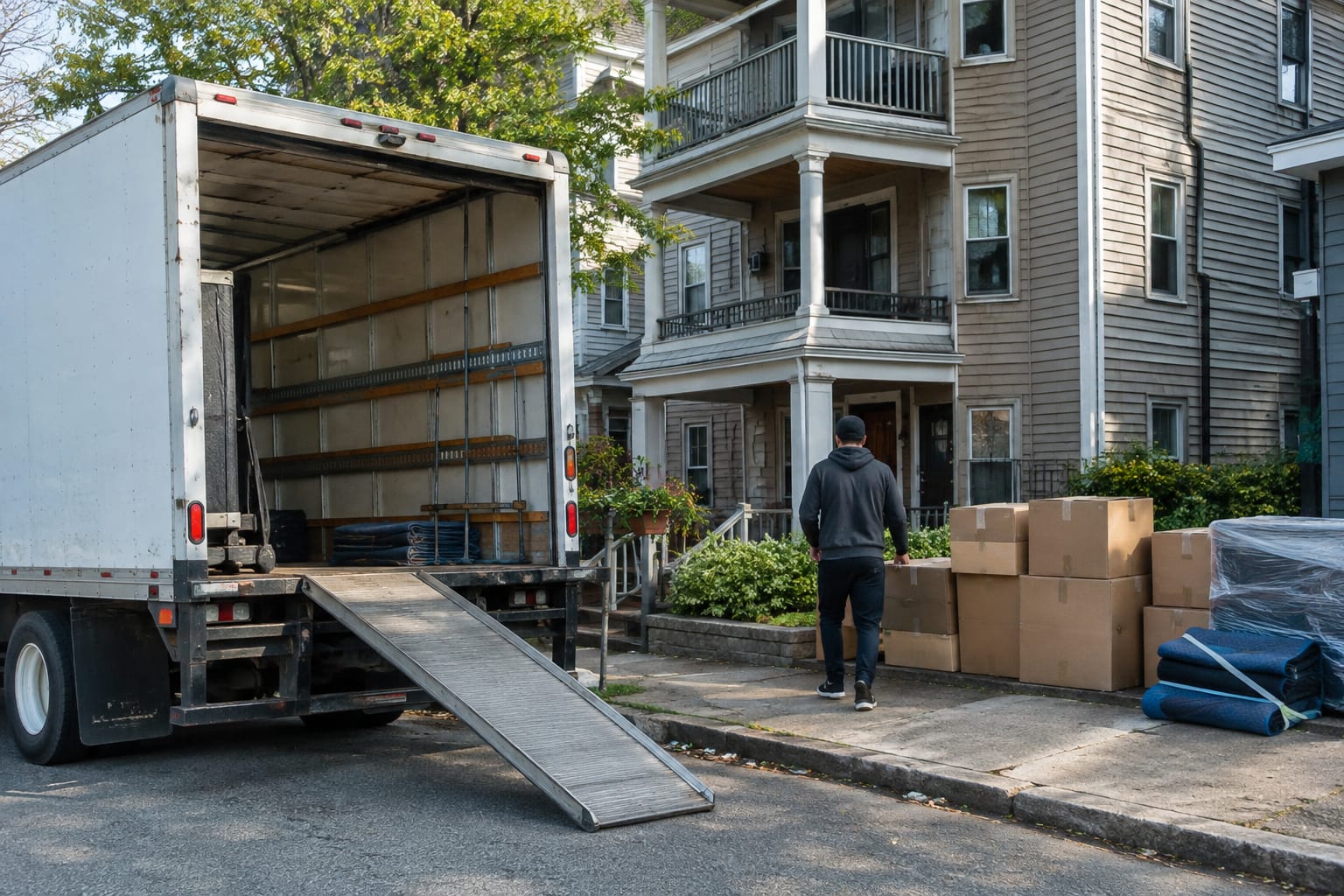
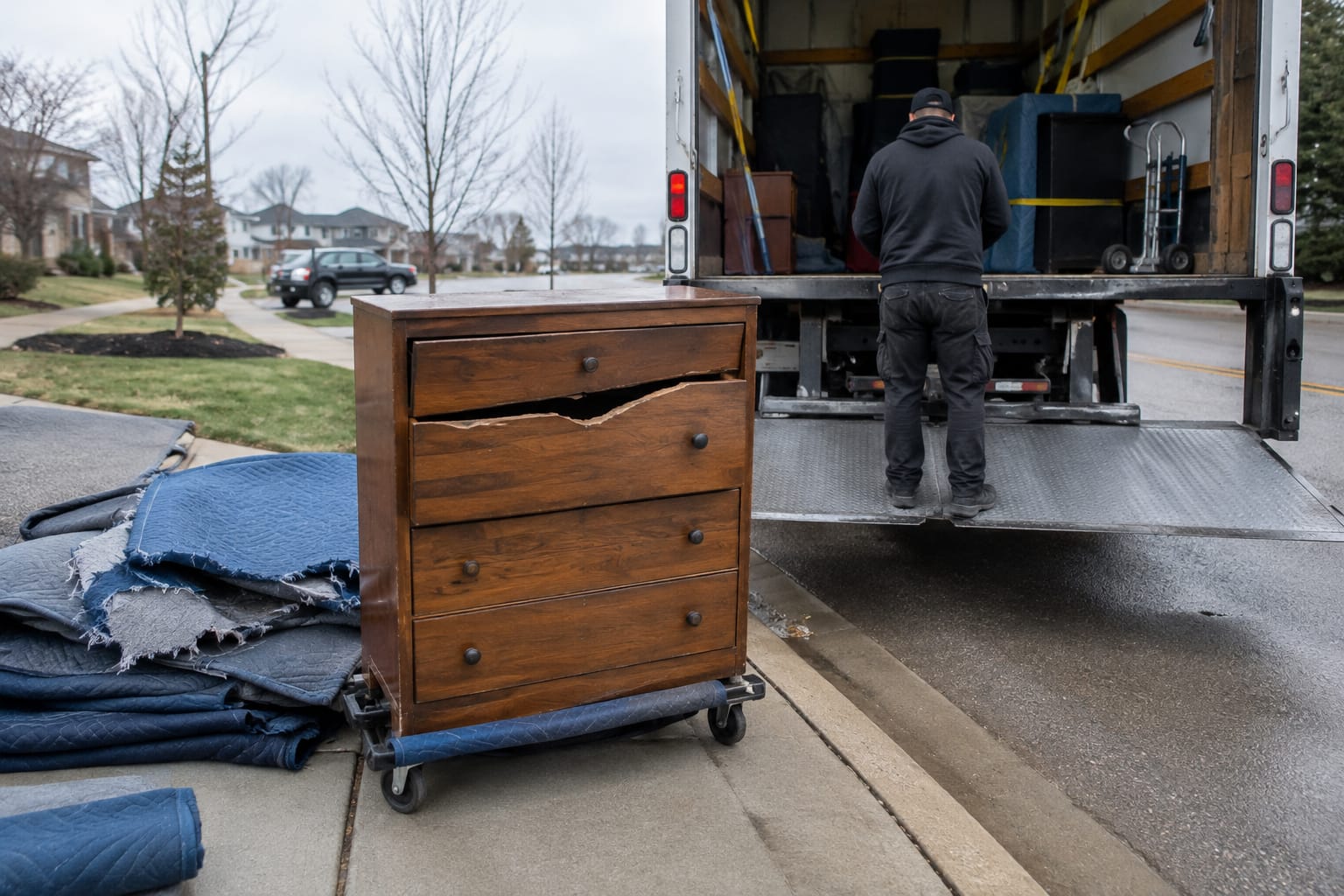
Before signing the delivery receipt, check each item as it comes off the truck and write down every damaged, crushed or missing piece next to its inventory number. Notes made in front of the crew are the strongest early evidence in any household goods claim.
On most interstate moves, each item gets a numbered tag that matches a line on the inventory sheet. That sheet records the item's condition at pickup, using codes for existing scratches, dents and wear. At delivery, the job is simple: match each tag number to its line and compare condition.
A practical delivery-day checklist:
- Inspect furniture as it is unloaded, while the crew is still on site.
- Look for crushed, wet or torn cartons, and open boxes marked fragile when time allows.
- Write specific notes, such as Item 47, dresser, rear left leg cracked, instead of some damage.
- Circle any inventory numbers that never came off the truck.
- Keep a copy of every document you sign.
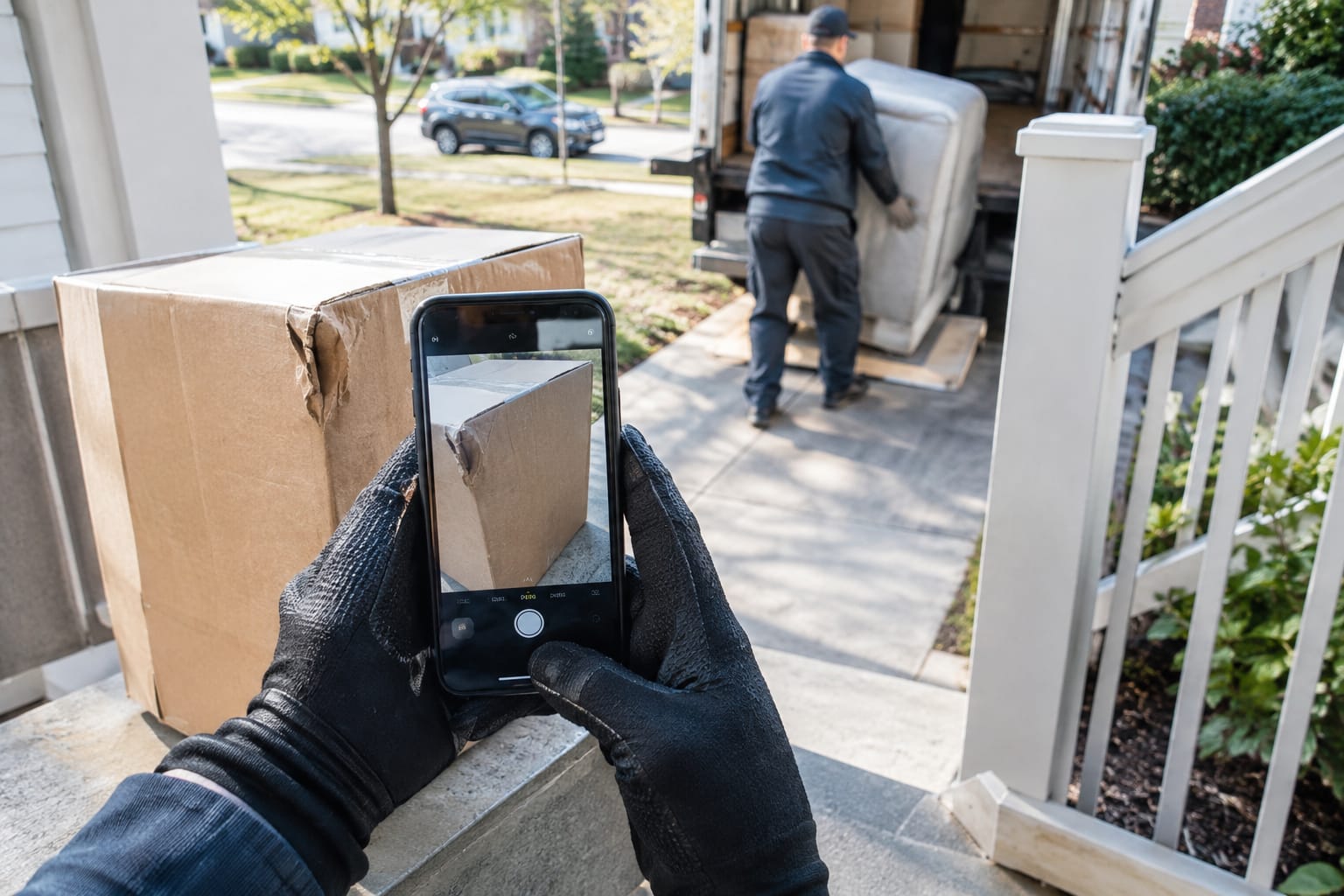
Damage found later inside sealed cartons still belongs in the claim. Report it to the mover in writing as soon as you find it, and photograph the box and its contents together.
Pro Tip: Photograph damaged items before the crew leaves, with the moving truck or the item's inventory tag visible in the frame. A dated photo tied to delivery day is far harder to dispute than one taken two weeks later.
Step 2: Find Your Bill of Lading and Check Your Valuation Coverage
The bill of lading is the contract and receipt for your shipment. It records the valuation level you selected, and that level sets the maximum amount the mover owes on any claim. Valuation is the mover's liability for your goods. It is not insurance.
That math is unforgiving: a 60-pound flat-screen TV pays out at most $36, and a 150-pound dresser at most $90, no matter what either one cost.
Full Value Protection is the more comprehensive option, and it costs extra.
Read your bill of lading closely for three things: the valuation level, any declared value, and the mover's instructions for submitting claims. If the claim address or method is unclear, ask the mover in writing.
Step 3: Gather Proof: Photos, Inventory Sheet, Receipts and Repair Estimates
A moving damage claim rests on documentation. The evidence needs to show three things: the item's condition before the move, the damage after it, and what the item is worth.
Build the file from these pieces:
- Delivery receipt and inventory sheet with your handwritten notes.
- Bill of lading and written estimate for the shipment.
- Before-and-after photos or video, ideally with dates.
- Proof of value, such as purchase receipts, card statements, or listings for comparable replacement items.
- Repair estimates from an independent repair shop.
- The damaged item itself. Keep it until the claim closes.

For lost items during a move, list each one by inventory number and description. Check every carton first. Mislabeled boxes can make items look missing on day one.
Step 4: Submit a Written Claim Within the 9-Month Federal Window
Send a written claim to the carrier that transported your goods. A phone call or a note to the driver does not meet that standard.
Include:
- Your name, contact details, bill of lading number, and pickup and delivery dates.
- Each item's inventory number, description and damage.
- The amount claimed for each item and how you calculated it.
- Copies, not originals, of your photos, receipts and estimates.
Use a method that creates a record, such as certified mail with a return receipt or the mover's claim form with a confirmation. Keep a complete copy of everything you send.
Q: How long do you have to file a claim against a moving company after an interstate move?
A: At least nine months. Federal law in 49 U.S.C. § 14706 prohibits interstate carriers from setting a shorter claim-filing period, so check the period printed on your bill of lading and file well inside it.
Step 5: Track the Mover's Acknowledgment and Response Timeline
After you file, the clock shifts to the mover.
Keep the process moving with a simple log:
- Record the date the mover received the claim.
- If no acknowledgment arrives within 30 days, follow up in writing and reference your claim details.
- Schedule any inspection the mover requests promptly.
- If no decision arrives within 120 days, expect a written status update and ask for one if it does not come.
When an offer arrives, compare it against your valuation level. An offer under released value is calculated by weight, not by what the item cost or what a repair shop quoted.
Step 6: What to Do If Your Claim Is Denied or Underpaid
Start by asking for the reasons in writing. Then choose between the mover's arbitration program, an FMCSA complaint, or a conversation with a licensed attorney about court options. This article is general information, not legal advice.
A written denial often points to a fixable gap, such as a missing receipt or an unclear damage description. Supply the missing evidence and ask the mover to reconsider before escalating.
If the dispute remains, moving company arbitration is the next formal step. 49 U.S.C. § 14708 requires interstate household goods carriers to offer a neutral arbitration program and to tell you about it before the move.
An FMCSA moving complaint is a separate track. File it with the FMCSA, and have the mover's registration details ready. It takes only a few minutes to check a mover's USDOT number and confirm the company was registered for interstate household goods work.
Q: Is filing an FMCSA complaint the same as filing a moving damage claim?
A: No. A damage claim goes to the mover and seeks payment.
If a mover refuses to deliver your goods unless you pay well beyond the written estimate, treat it as one of the warning signs of a moving scam and report it to FMCSA right away. For court action, the lawsuit period runs from the date of the mover's written denial, so speak with a licensed attorney early.
Common Mistakes That Weaken a Moving Damage Claim
Most denied or underpaid claims share a short list of avoidable errors:
- Signing before inspecting. A clean signature on the delivery receipt gives the mover an easy argument.
- Vague notes. Scratches on furniture is hard to verify; an inventory number and a location on the item is not.
- Discarding evidence. Throwing out a broken lamp or a crushed box before the mover inspects it removes your proof.
- Misreading valuation. Expecting full replacement under released value leads to frustration when the offer arrives by weight.
- Relying on phone calls. Only a written claim meets the federal standard, and only written records prove what was said.
- Waiting too long. The window is nine months, but photos get lost and details fade.
- Accepting a settlement without reading it. Some offers are framed as a final settlement of the whole claim. Read the wording, and consult a licensed attorney if it is unclear.
How to Reduce the Risk of Damage Before Your Next Interstate Move
The strongest claim is the one you never have to file. Prevention starts with choosing a carrier and a contract carefully.
Vet the mover's federal registration and complaint history before booking. A full checklist for hiring an interstate moving company covers registration, estimates and paperwork. Ask for interstate moving with a written estimate, and know the three estimate types: binding, non-binding, and binding-not-to-exceed.
Decide on valuation before moving day, not at the truck. Ask for the cost of Full Value Protection in writing, and list any high-value items on the inventory so the mover cannot limit liability for them later.
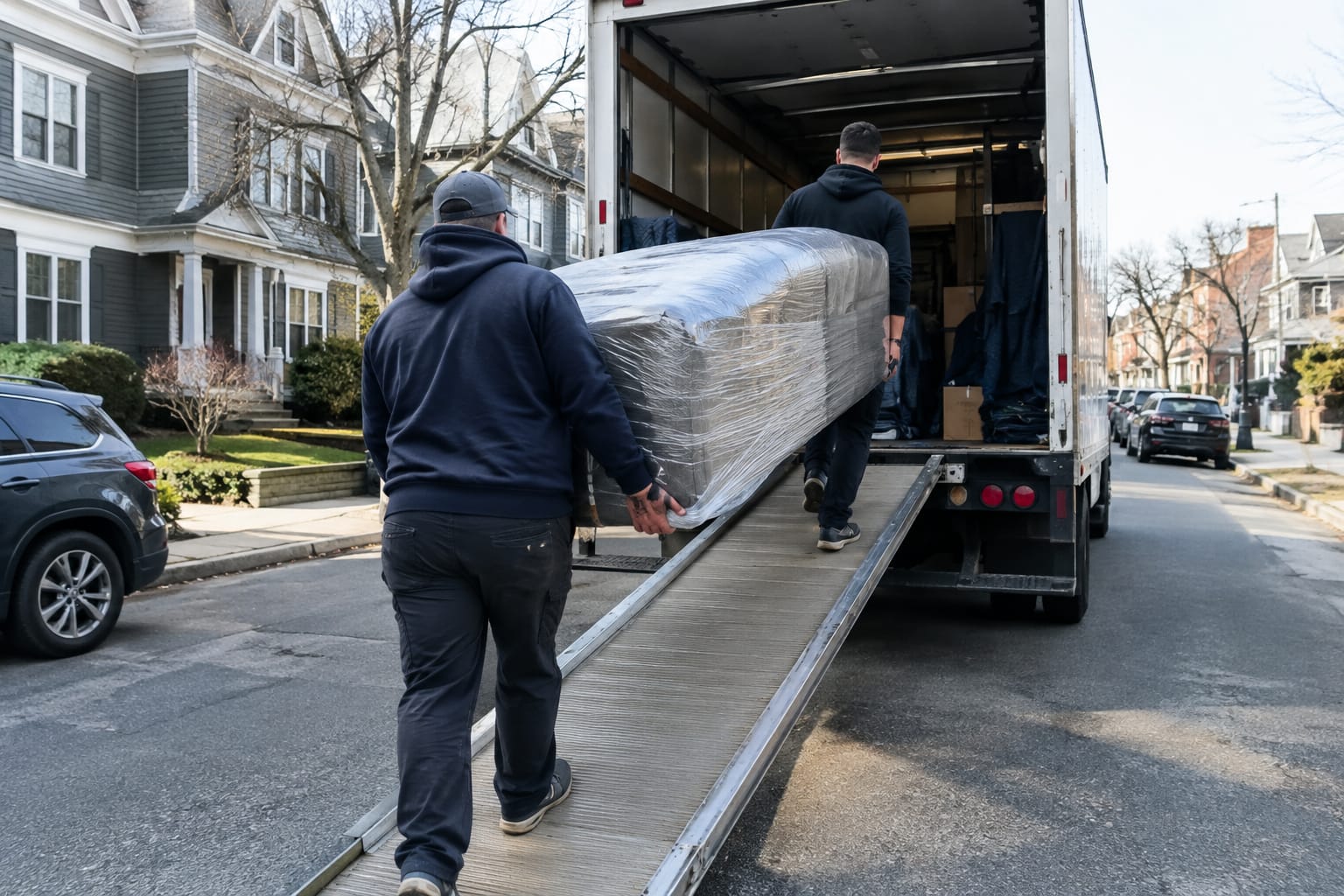
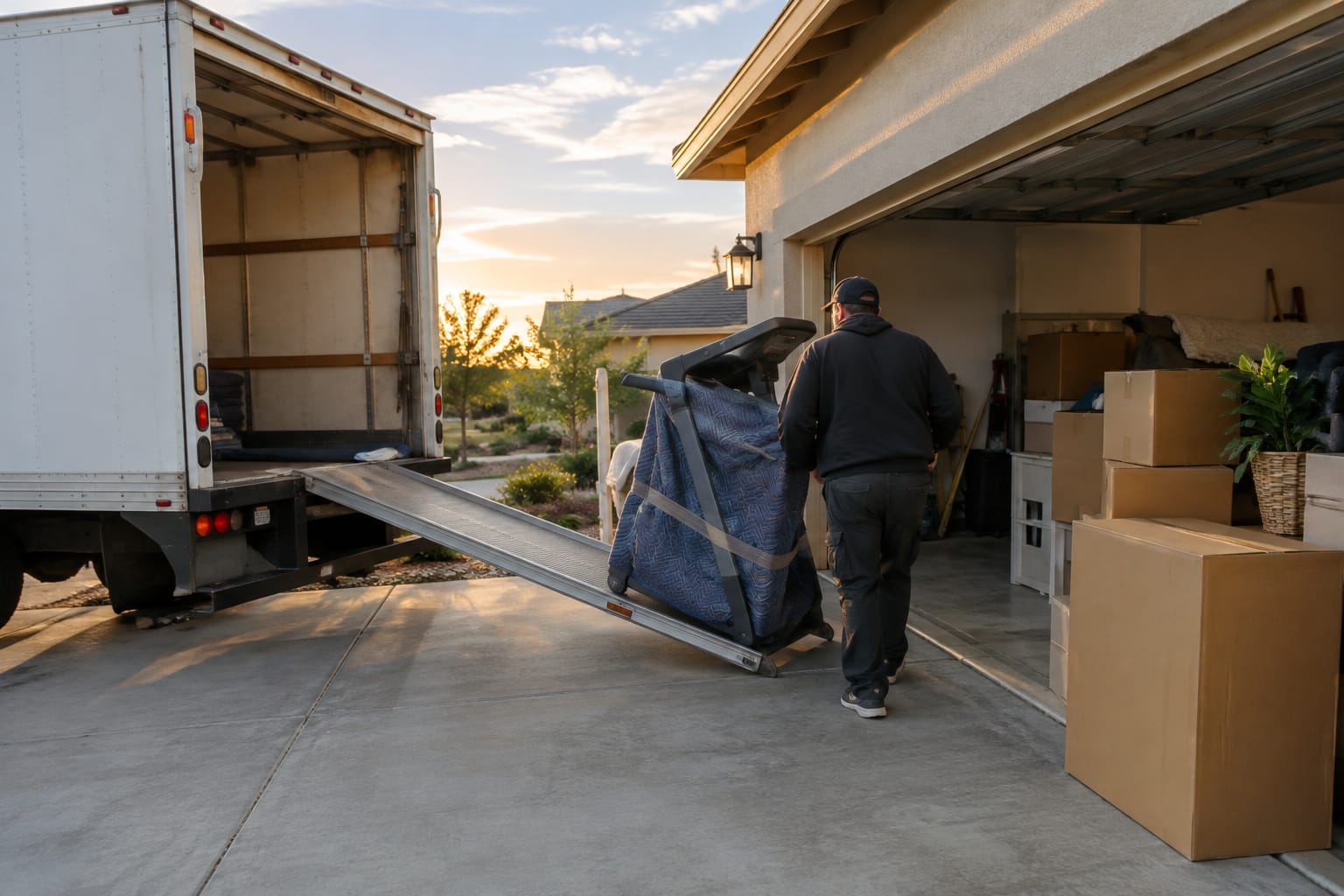
Packing and protection matter just as much. Furniture should be disassembled where needed, wrapped in moving blankets and plastic wrap, and loaded with dollies and straps. A closer look at how professional crews pad and wrap furniture shows what good protection looks like.
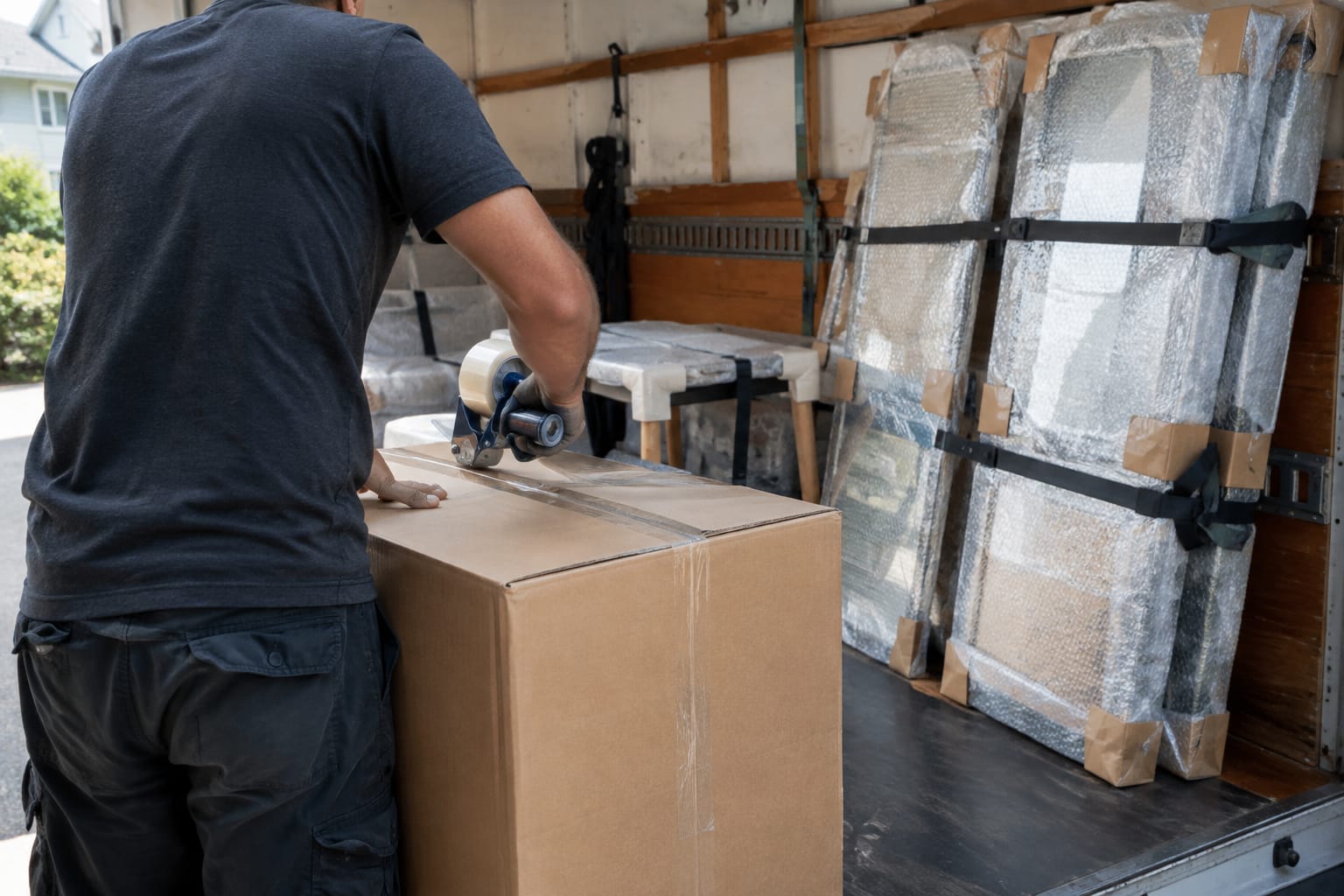
If you pack your own boxes, use sturdy cartons, fill empty space, and label fragile contents clearly. This guide on how to pack things when moving a house walks through the basics.
Finally, take dated photos of furniture and electronics before pickup. Keep the FMCSA booklet Your Rights and Responsibilities When You Move with your bill of lading.
Written by Born to Move Team
Useful Links
- Interstate and Long-Distance Moving — How written estimates and long-distance quotes work for moves between states.
- What to Know About Interstate Moving — Planning basics for a move across state lines.
- How to Check a Moving Company's US DOT Number — How to verify a mover's federal registration before booking.
- How Professional Movers Protect Your Furniture — Padding, wrapping and loading methods that reduce transit damage.
- Company Information and Licensing — Background and registration details for the authors of this guide.
Need help with this? Interstate Moving From Nh To Ma · Get a quote · Call (617) 903-2609
Frequently Asked Questions