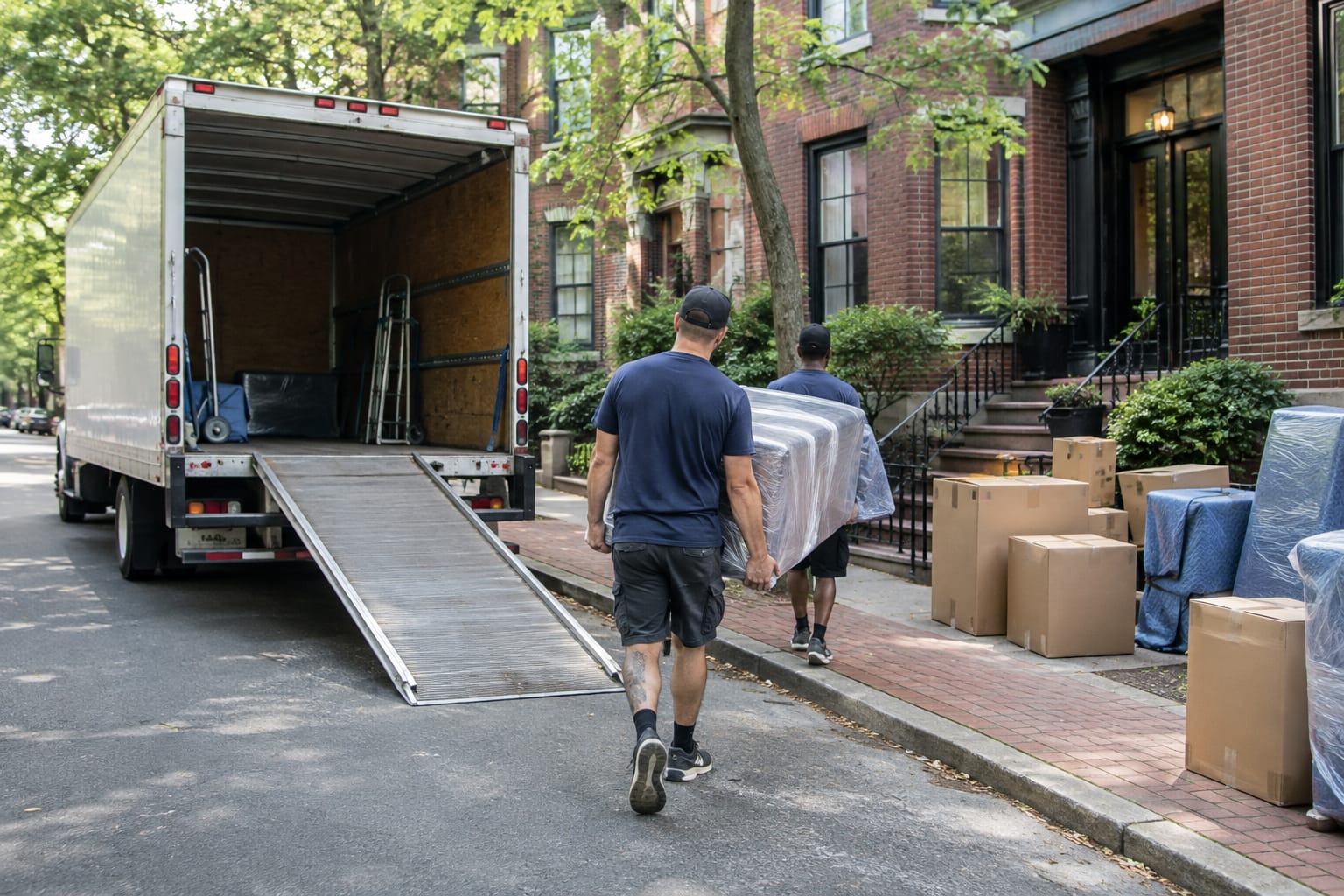
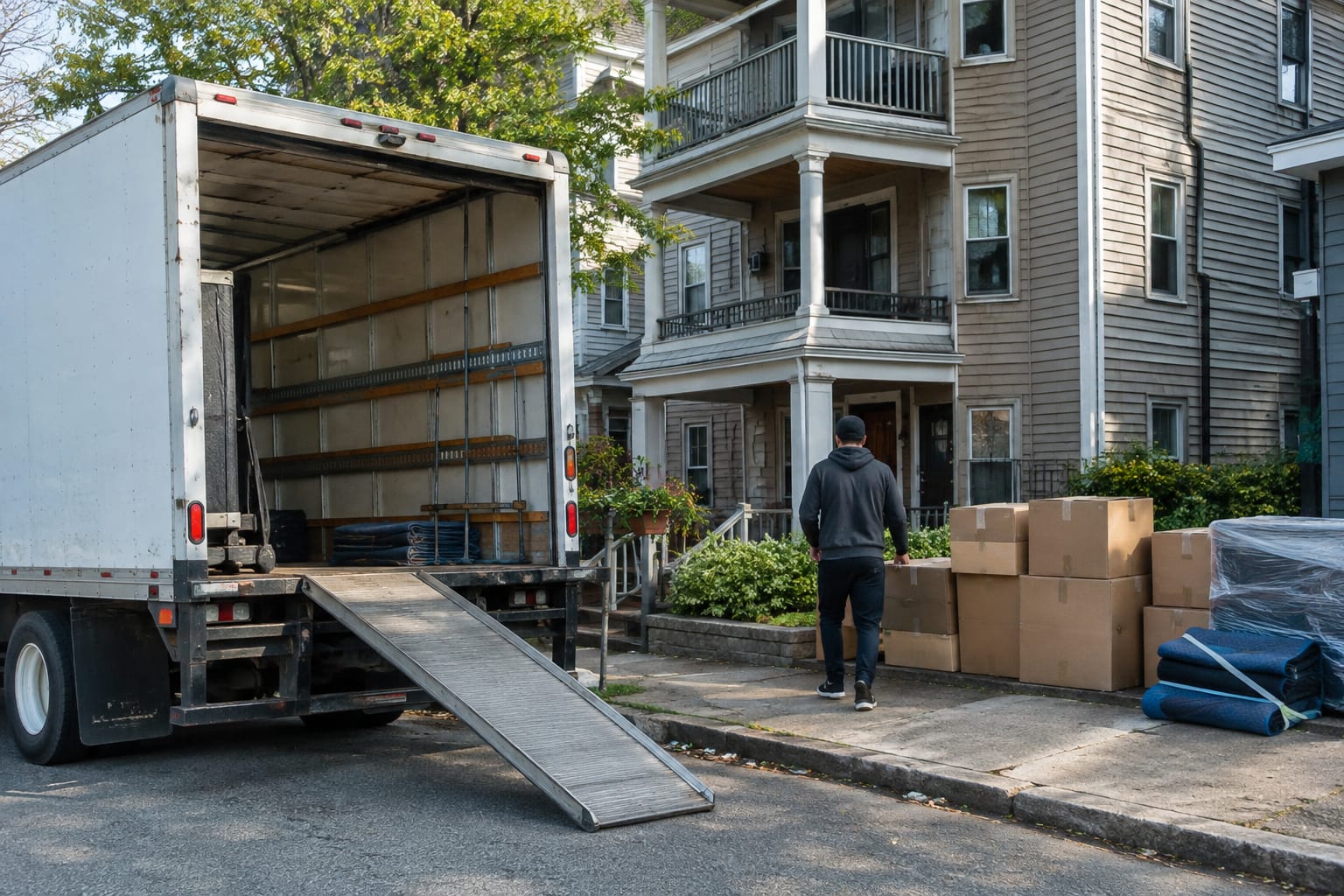
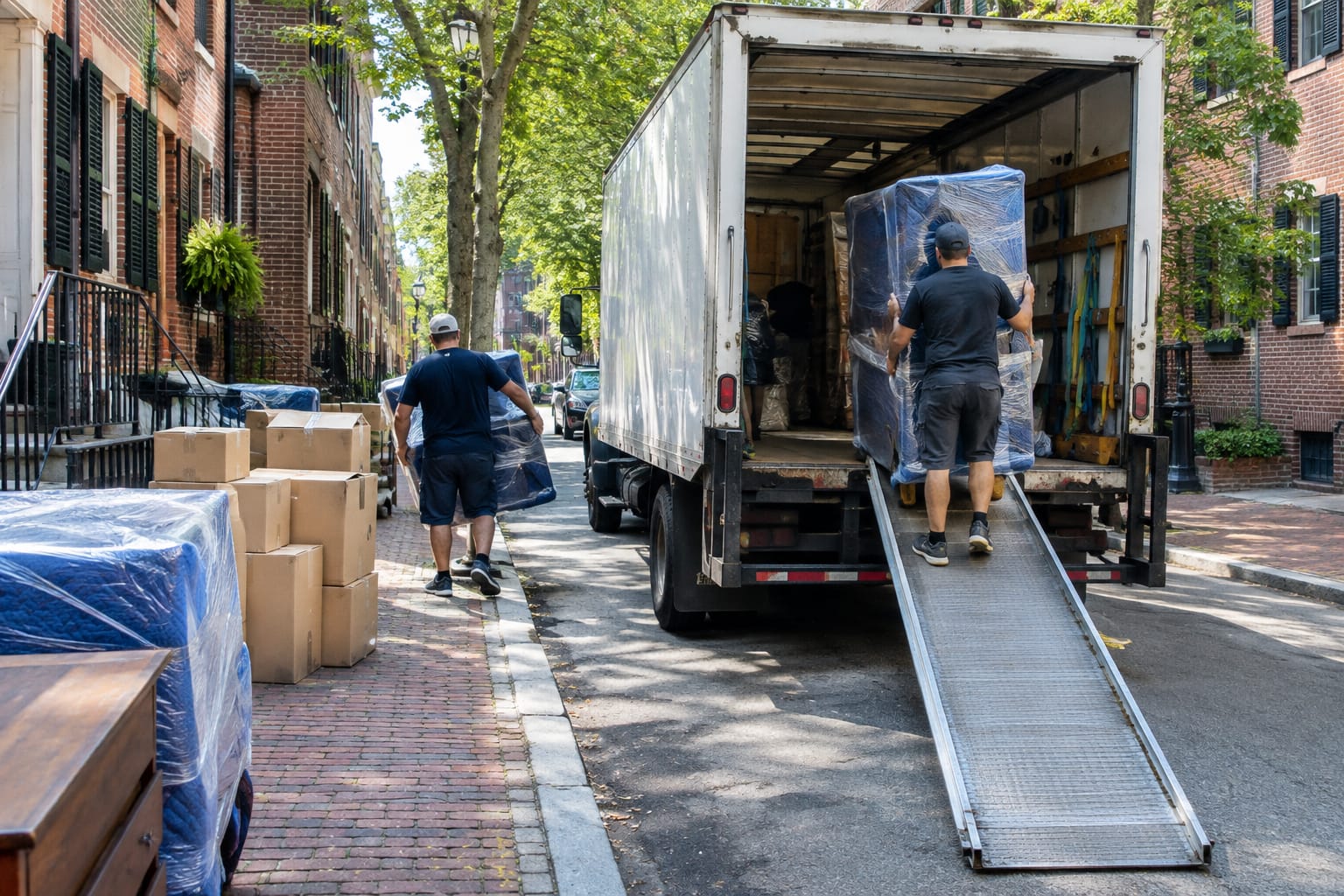
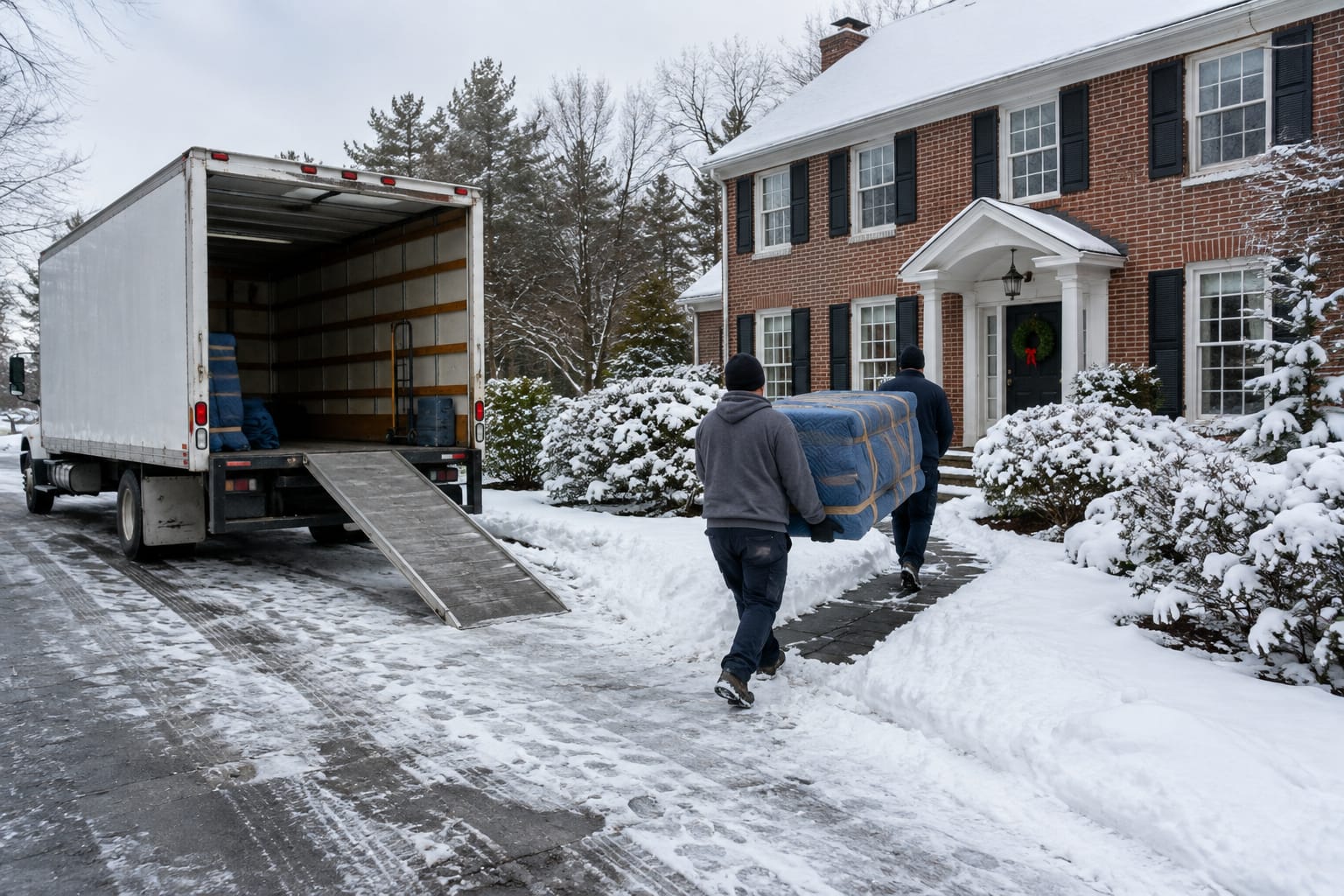
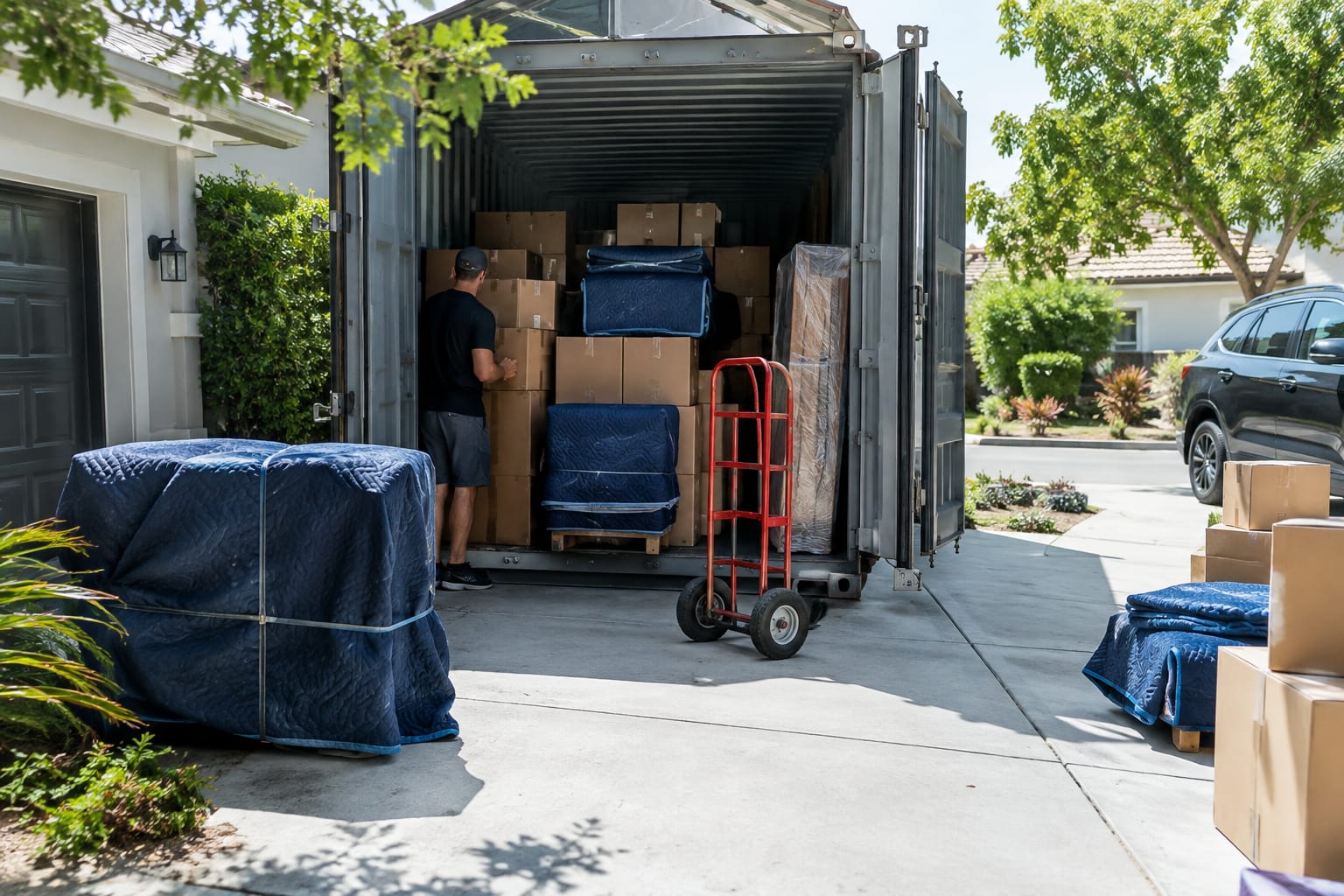
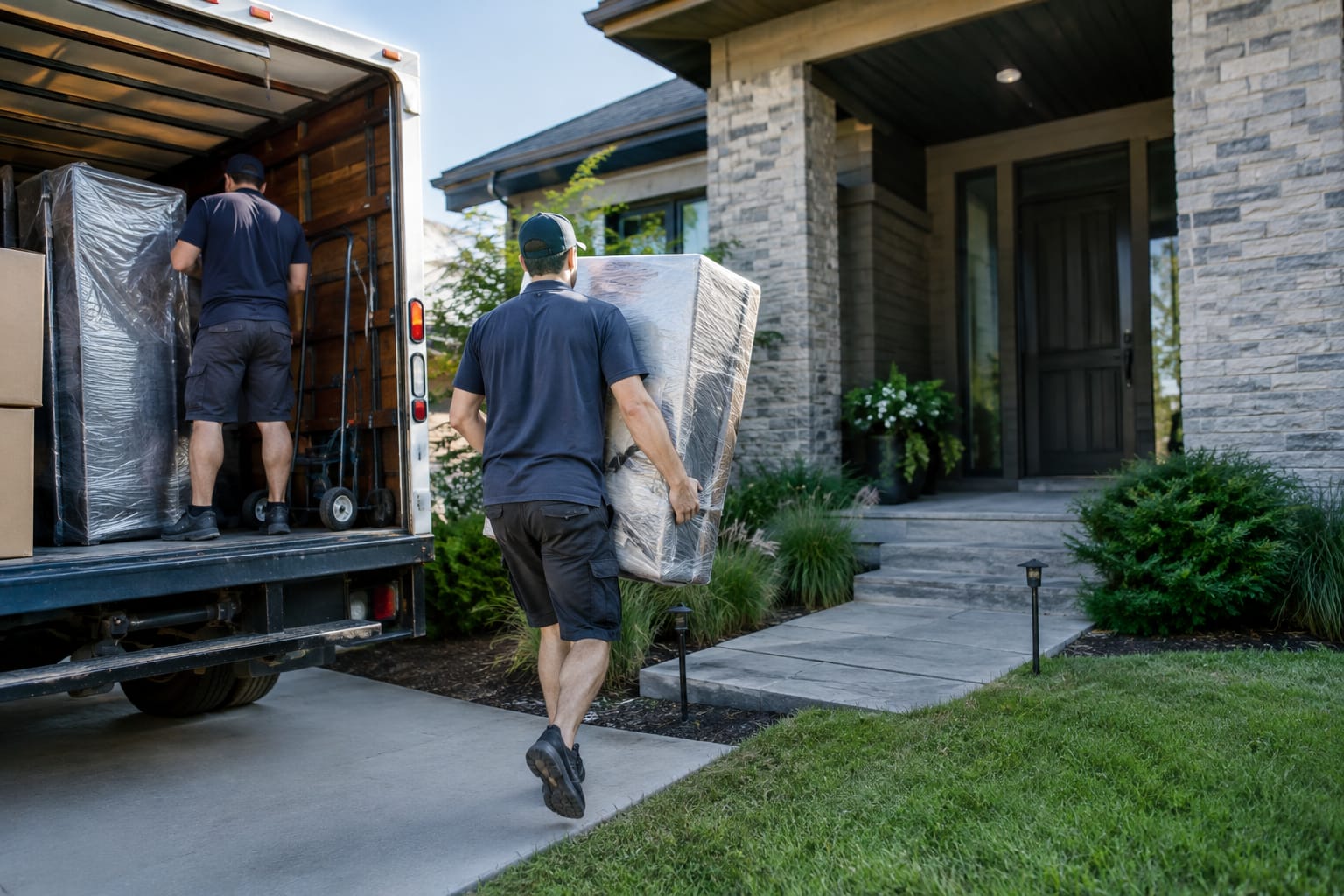
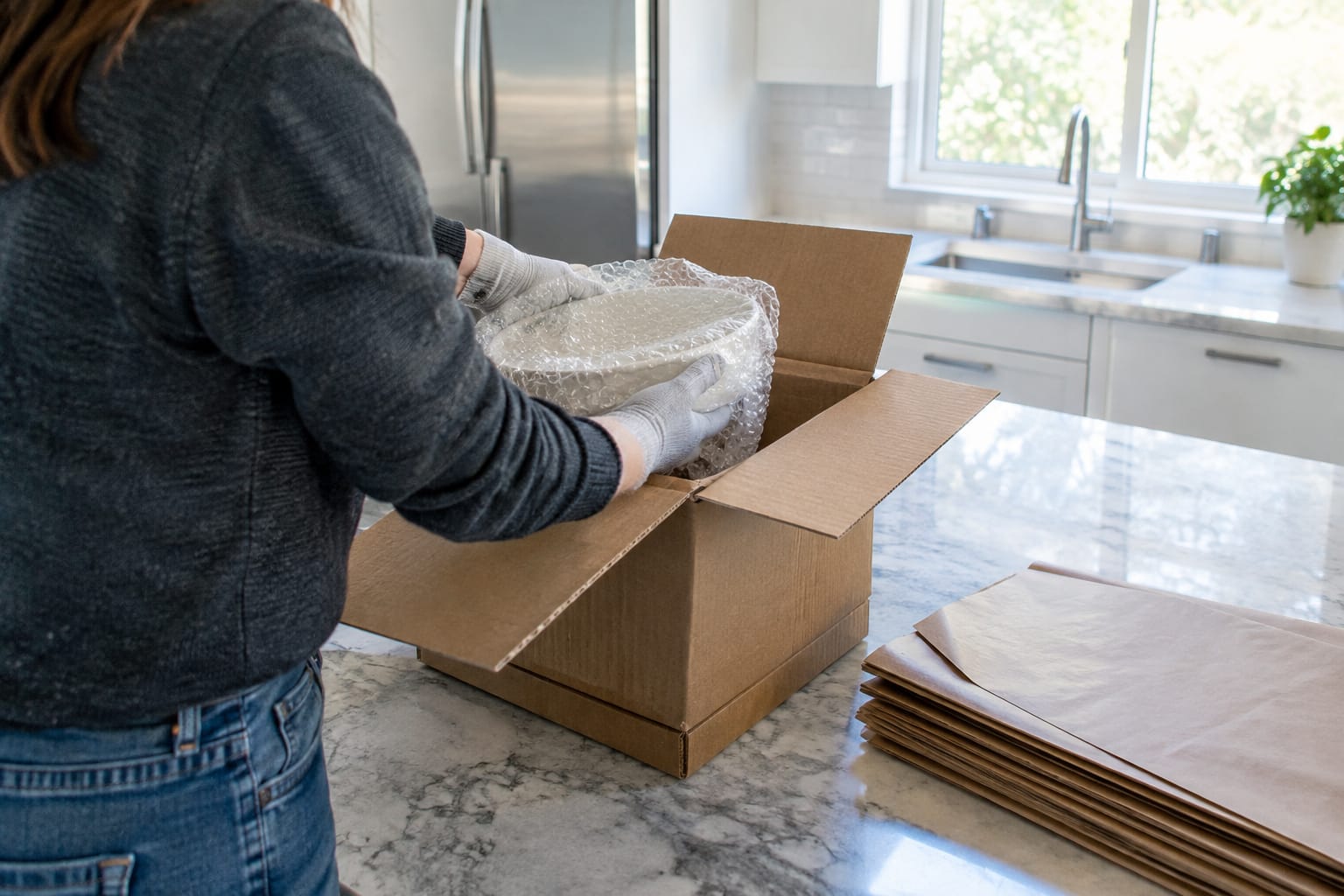
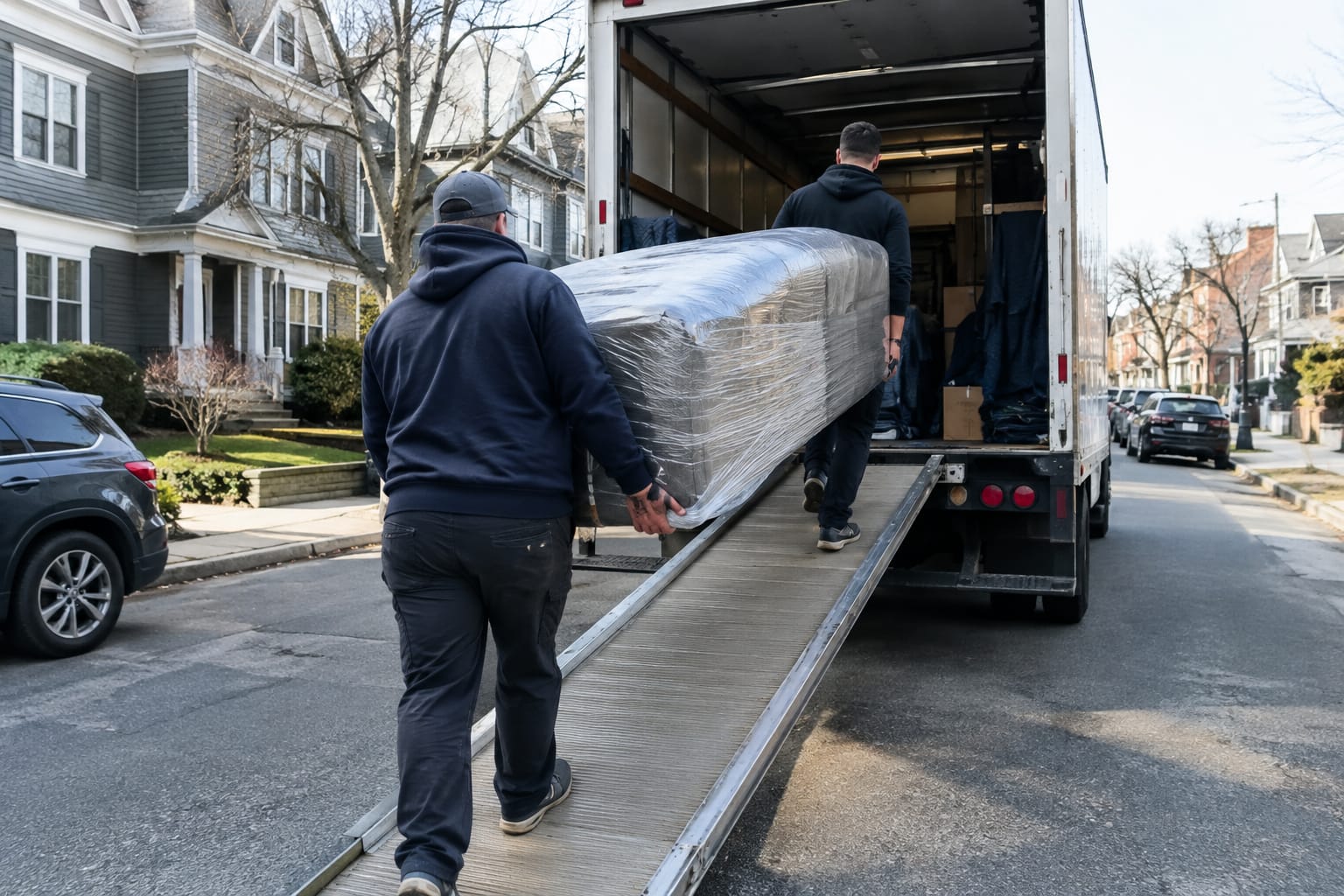
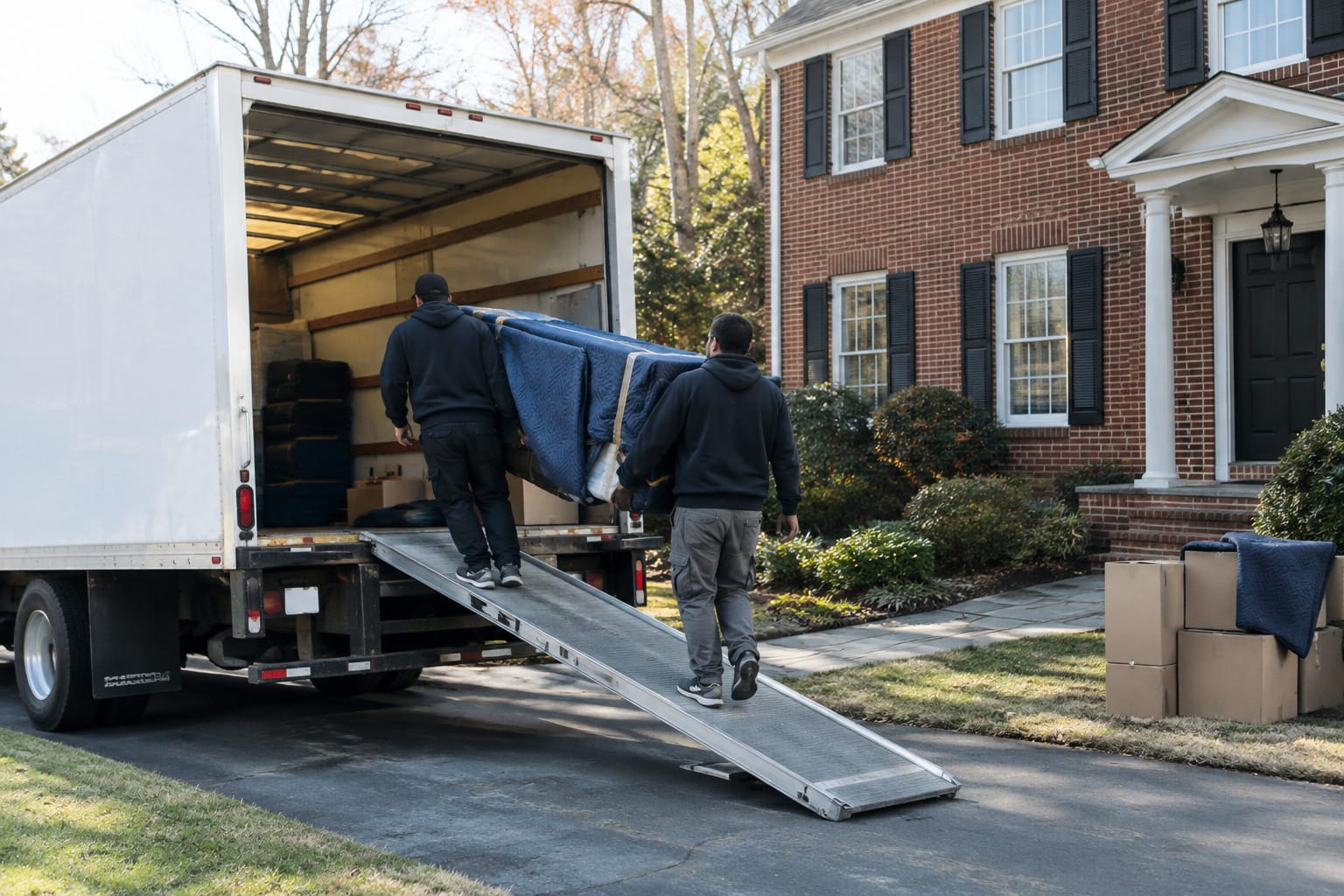
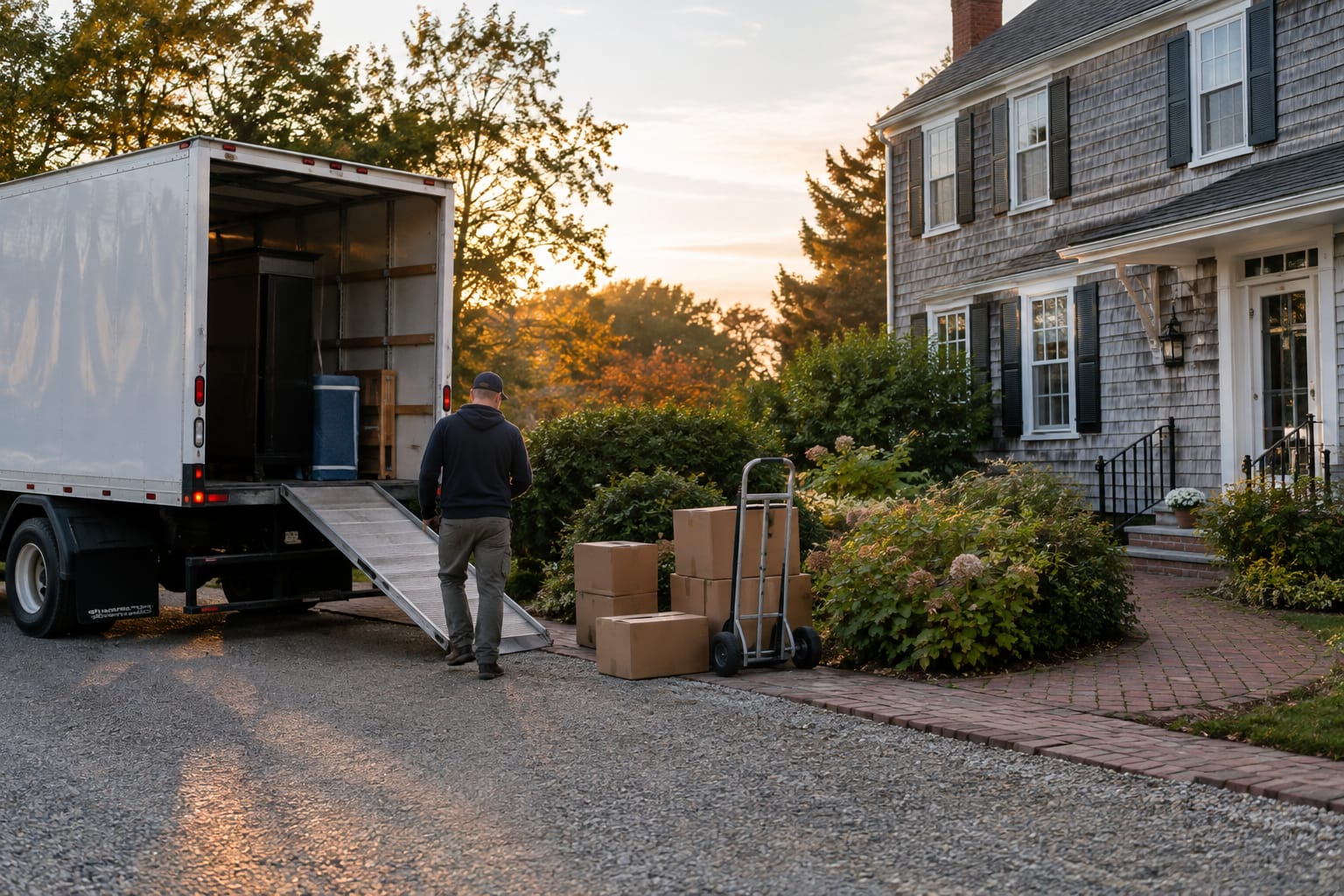
Moving out of a triple-decker comes down to four building-level decisions: how large items get down the stairs, which stairway carries the load, where the truck parks, and how many people do the carrying. Get those right and a third-floor apartment move runs like any other job. Skip them, and every extra trip up and down the stairs shows up on an hourly bill.
Somerville's stacked three-family homes share one front entry, steep turning stairs and, often, a rear porch stairway. This guide breaks the move into eight things to plan before moving day. It then compares DIY, labor-only loading help and full service for this kind of building.
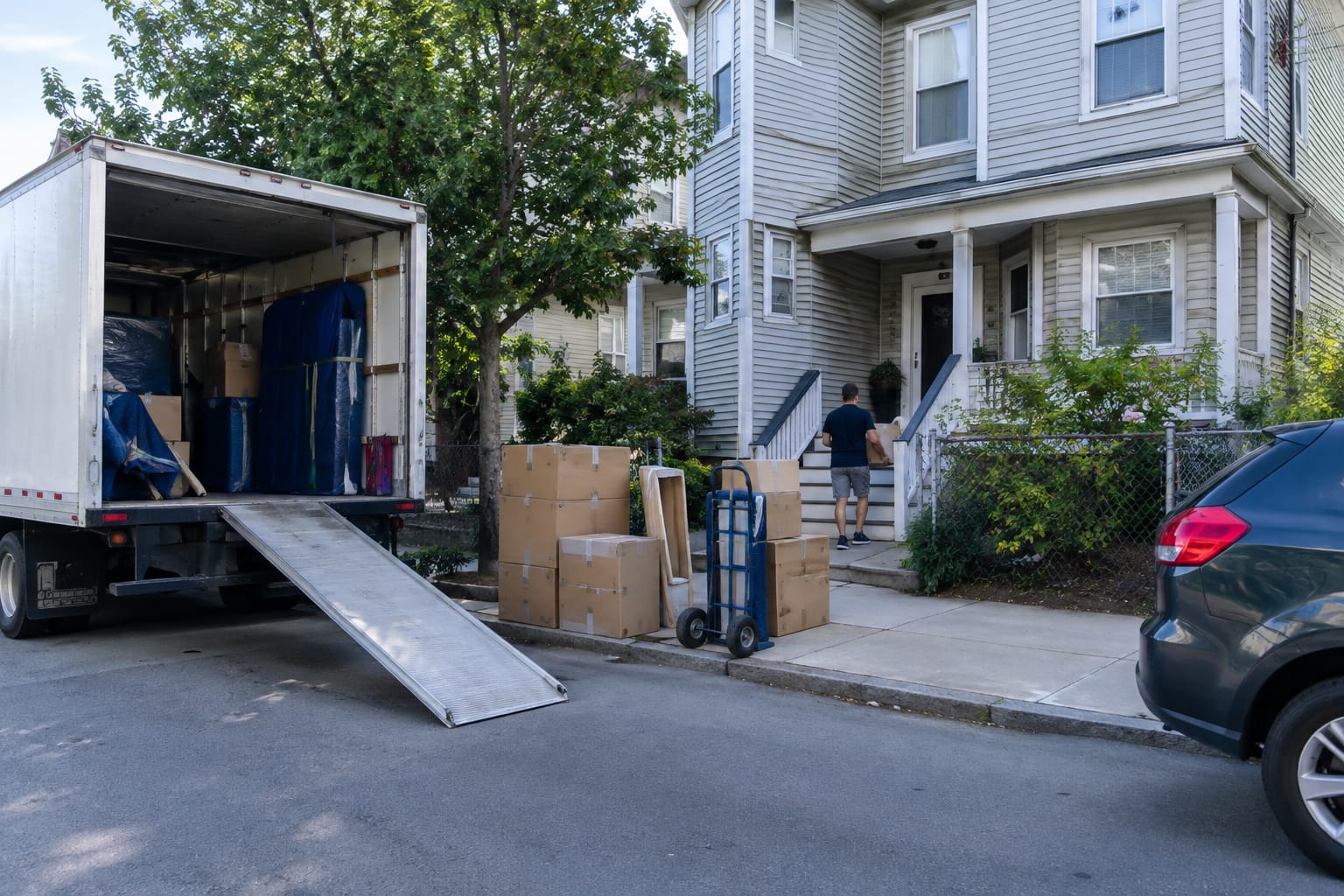
Key Takeaways: The 8-Step Triple-Decker Checklist
- Measure: Record the narrowest stair width, the ceiling height at each landing turn and every doorway, then compare them to your largest furniture.
- Route: Decide whether the front stairs, the rear porch stairs or both will carry the load, and confirm the porch is sound.
- Neighbors: Tell the landlord and the other two units your date and arrival window so the shared entry stays clear.
- Parking: Reserve curb space through the City of Somerville's permit process well before moving day.
- Crew size: Match the number of movers to the floor and the inventory, not just the bedroom count.
- Prep: Disassemble bed frames, empty drawers and finish packing before the crew arrives.
- Protect: Pad banisters and cover shared floors and door frames.
- Timing and records: Book early around September 1 lease turnover and photograph the empty unit before returning keys.
Why Triple-Decker Moves Take Longer Than Most Apartment Moves
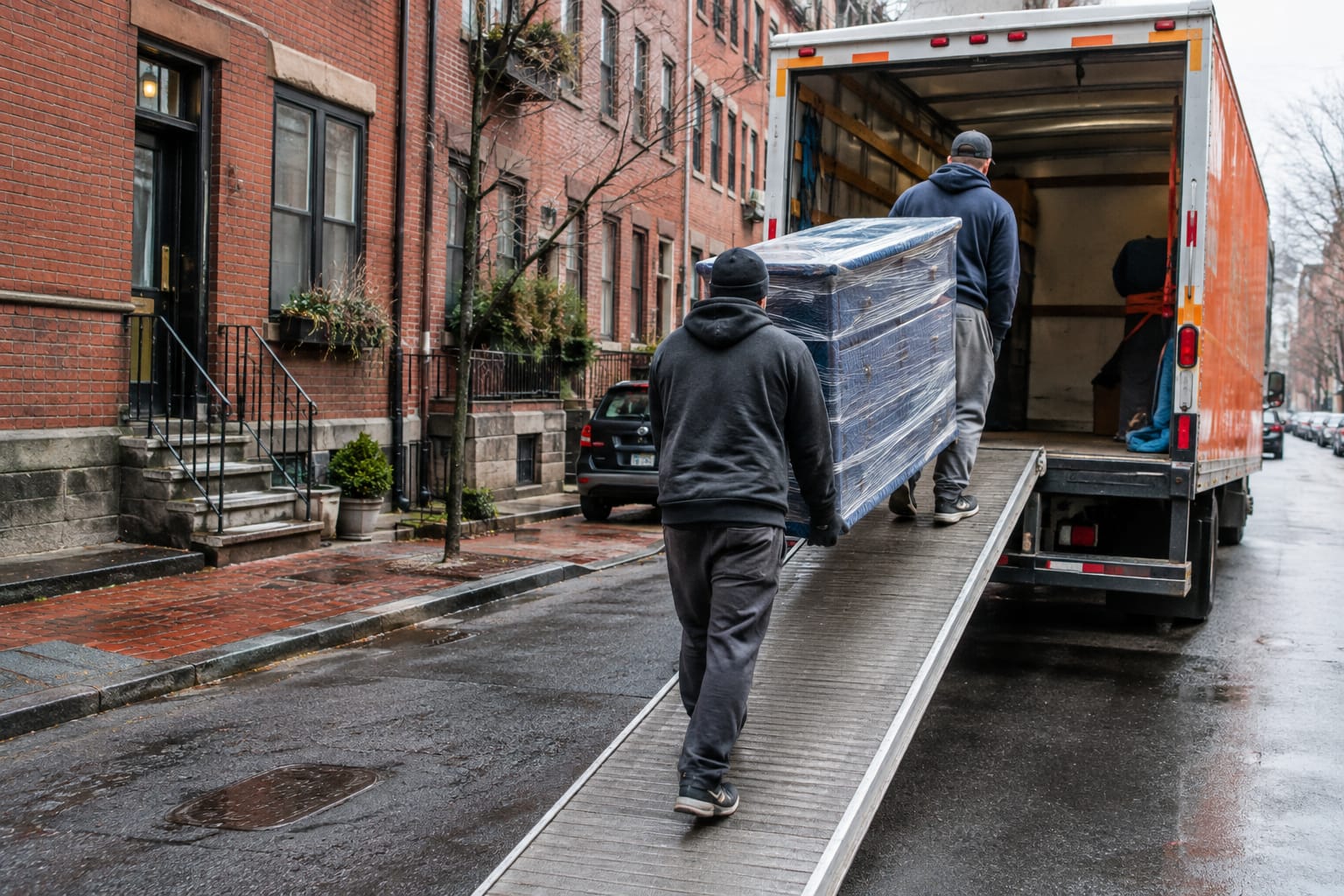
A triple-decker move takes longer because nearly every item travels down flights of stairs and around tight landings, one carry at a time. On the third floor, that distance repeats for every box, lamp and chair.
Most triple-deckers were built as three full-floor flats stacked on top of each other, joined by a shared interior stair. Those stairs are steep, turn at the landings and often have low ceilings at the turn. A dolly helps on the sidewalk, but inside the building almost everything is hand-carried.
The building adds friction too. Neighbors use the same entry, the street out front is narrow, and in late summer several households on one block often move in the same week.
Q: Why does a third-floor walk-up move cost more when movers charge by the hour?
A: Hourly billing charges for time, and a third-floor unit adds two full flights plus landings to every carry. The same inventory takes noticeably longer to load than it would from a first-floor apartment.
Here's the practical takeaway: preparation done before the crew arrives costs nothing, while problems solved on the stairs cost labor at the full crew rate. Most of the common moving day mistakes in walk-up buildings trace back to skipped planning, not slow movers.
1. Measure Stairwells, Landings and Doorways Before You Book
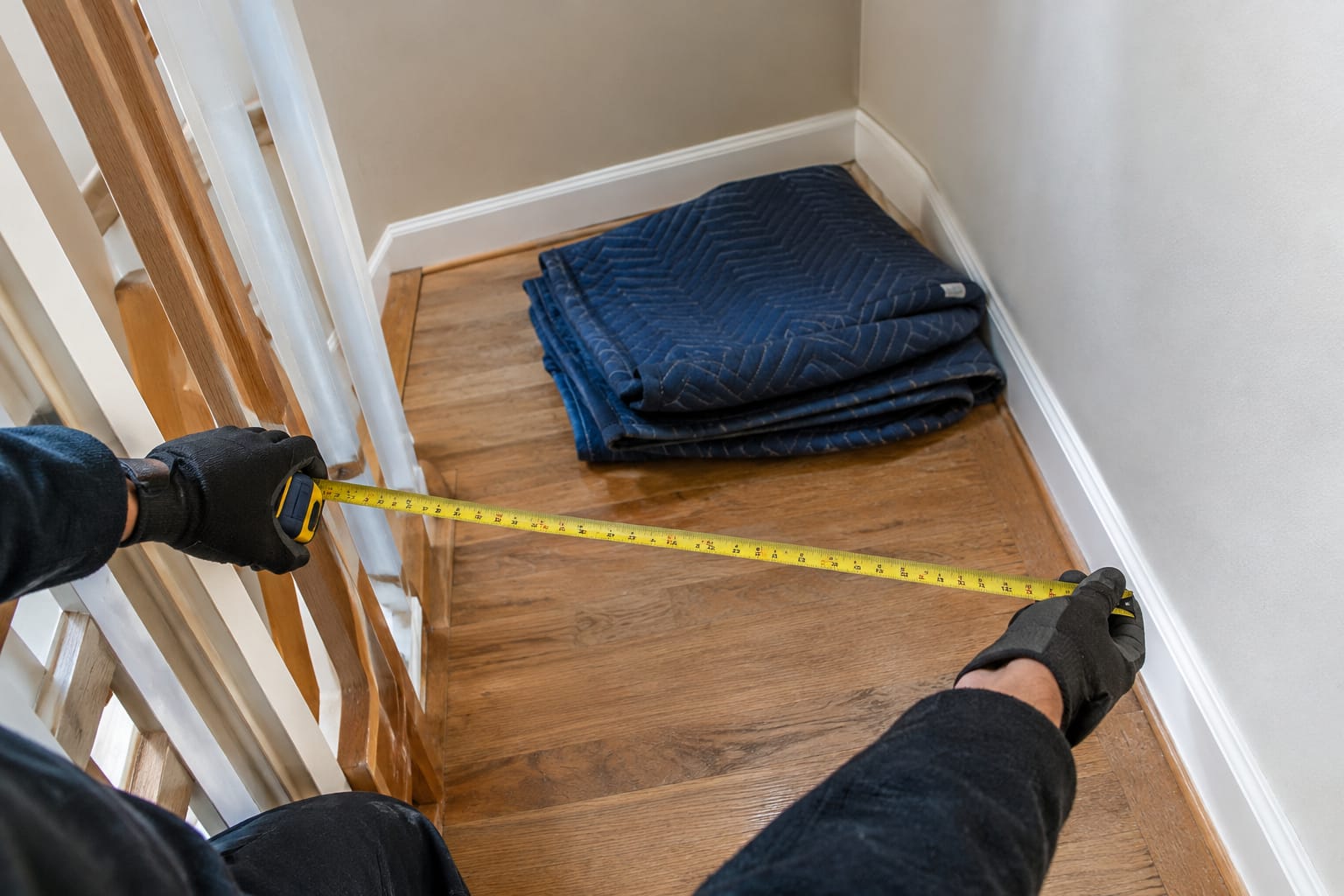
Measure the tightest point on the route, not the average. One narrow landing turn decides whether a sofa leaves in one piece.
Take these measurements with a tape measure and write them down:
- Stair width at the narrowest spot, usually between the banister and the wall
- Ceiling height directly above each landing turn
- Width of your apartment door and the building's front door
- Height, width and depth of your largest pieces, plus the diagonal depth of sofas
Watch the box spring. A standard box spring is rigid and does not bend, which makes it one of the items most likely to stall a triple-decker stairwell. If the numbers say it won't clear the turn, plan for the rear stairs or consider a split box spring at your new place.
Pro Tip: Send your measurements and a few photos of the stairwell along with your quote request. Access conditions shape how long a move takes, so movers can plan the crew and the route instead of discovering the problem on moving day.
2. Map the Carry Route: Front Stairs, Back Stairs and Porches
Pick the route before moving day, and pick it per item. Many triple-deckers have stacked rear porches linked by exterior wooden stairs, and that path is sometimes straighter than the interior front stair.
Check the rear porch stairs carefully before relying on them. Look for loose treads, wobbly railings and slick surfaces after rain. Ask the landlord whether movers can use the porches, since the porch is often shared space.
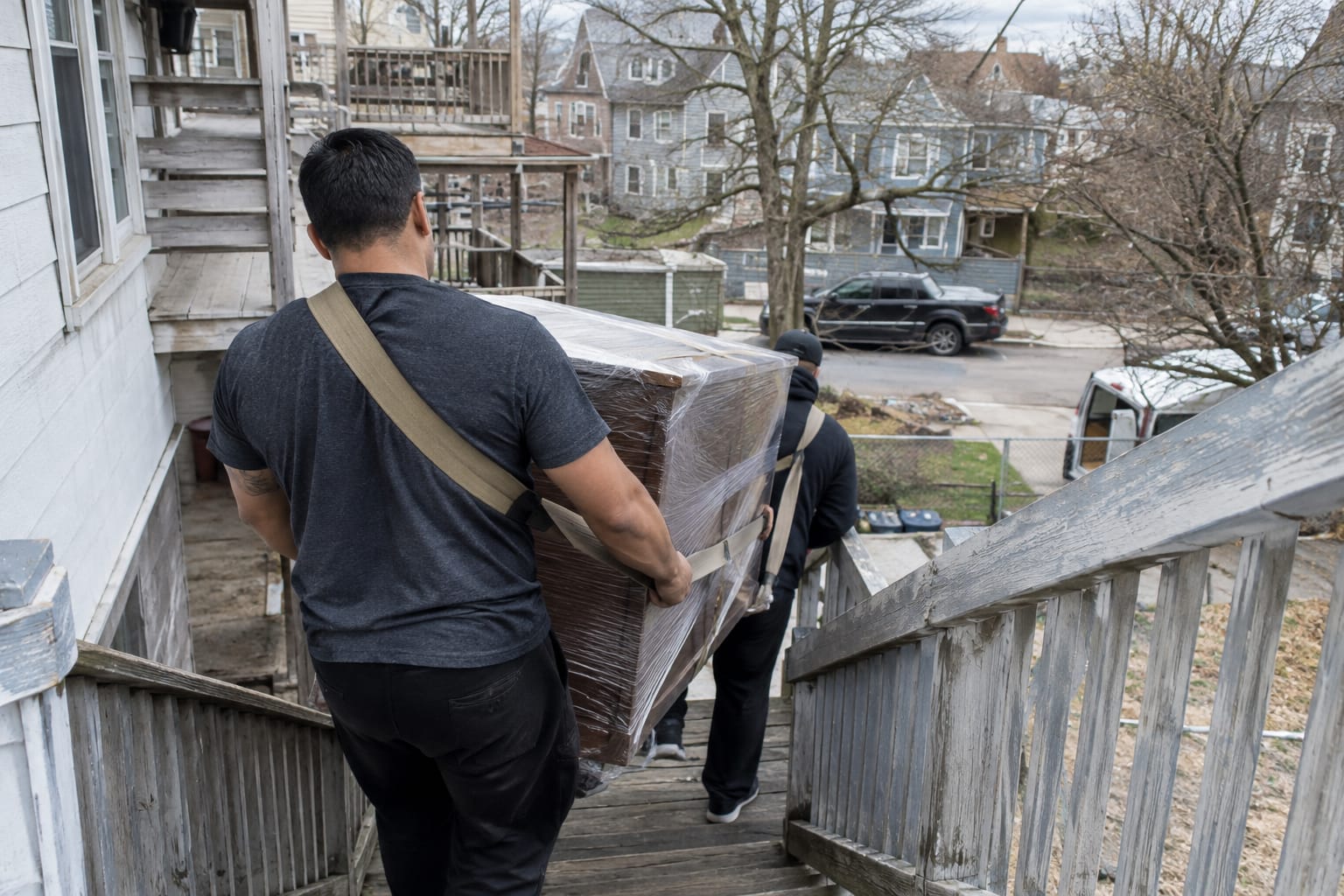
Then choose a service landing. That's a flat staging spot, usually inside the front door or at the bottom of the porch stairs, where items wait before going onto the truck. A clear staging area keeps carriers moving instead of waiting on the stairs.
3. Coordinate With Your Landlord and the Neighbors on Other Floors
Tell the people who share your stairwell exactly when you're moving. In a triple-decker, your move blocks their only way in and out for several hours.
Give the other two units your date and arrival window. Ask them to keep bikes, strollers and recycling bins off the stairs and porches that day. If another unit is moving the same week, agree on who uses the stairs when, so two crews don't meet on a landing.
With the landlord, confirm three things in writing: porch access, the move-out walkthrough time and how keys get returned. Some property managers also ask movers for proof of insurance before the move, so ask early if that applies.
4. Sort Out Truck Parking on a Narrow Somerville Street
Secure legal curb space directly in front of the building. On a narrow Somerville street lined with parked cars on both sides, a double-parked truck blocks traffic and invites a ticket.
Q: Do I need a permit to park a moving truck in Somerville?
A: Confirm the current requirement for reserving curb space for a moving truck with the City of Somerville. Check the current application, lead time and fees on the City of Somerville's official website before you lock in a moving date.
The customer arranges truck parking or the city permit, whether you drive a rental or hire a crew. Rules and fees change, so rely on the city's own page rather than older guides. If your new place is across the line in Boston, read this guide on where to park a moving truck in Boston too.
Distance matters as much as legality. Every car length between the truck and the front door adds walking to every single carry.
5. Choose a Crew Size That Fits the Floor and the Inventory
Base crew size on the floor and the inventory, not only the bedroom count. A lightly furnished third-floor one-bedroom and a packed second-floor two-bedroom need different crews.
As a rule of thumb, two movers handle a studio or a light one-bedroom. A third mover pays off on upper floors, because one person stays on the truck while two keep carrying. Four movers make sense for a full household with heavy pieces coming down several flights.
For a concrete reference point, Born to Move's published local hourly rates start from $160/hr for 2 movers and a truck, $240/hr for 3 movers and $320/hr for 4 movers. Each tier has a 3-hour minimum that includes travel time, travel time is billed at the same hourly rate, card payments add 3%, and seasonal rates apply, so confirm the current rate when you book.
That hourly rate covers labor, truck, fuel, tolls, moving blankets, floor protection and basic furniture disassembly and reassembly. It also includes basic released-value protection of $0.60 per pound, which is a liability limit, not insurance; extra coverage is optional and costs more. For a wider look at what drives the total, see this breakdown of how much movers cost.
Need help with this? Get a quote
6. Disassemble Large Furniture and Finish Packing Before the Crew Arrives
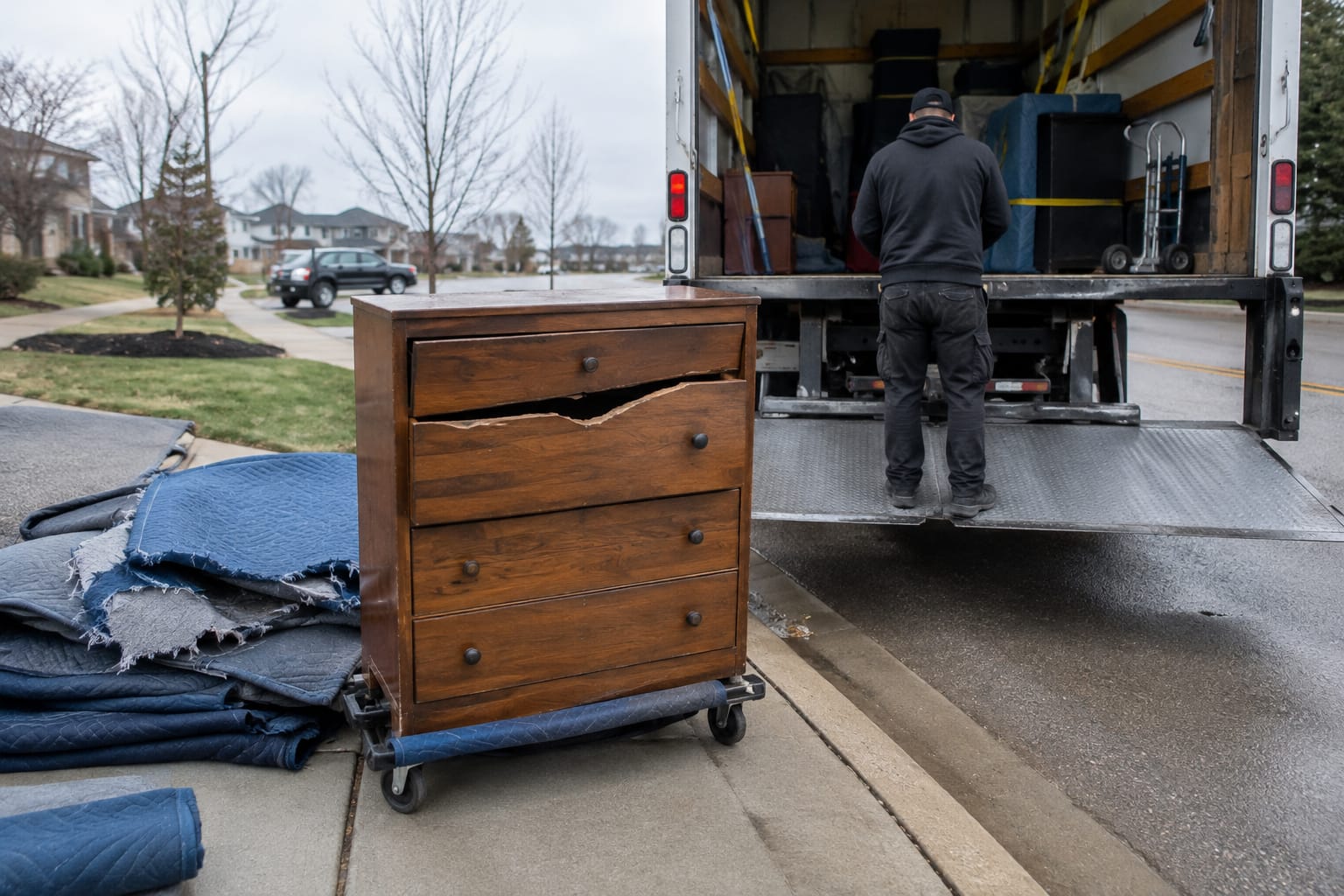
Finish packing and empty every drawer before the crew walks in. On narrow stairs, a full dresser is heavier, harder to grip and more likely to scrape a wall.
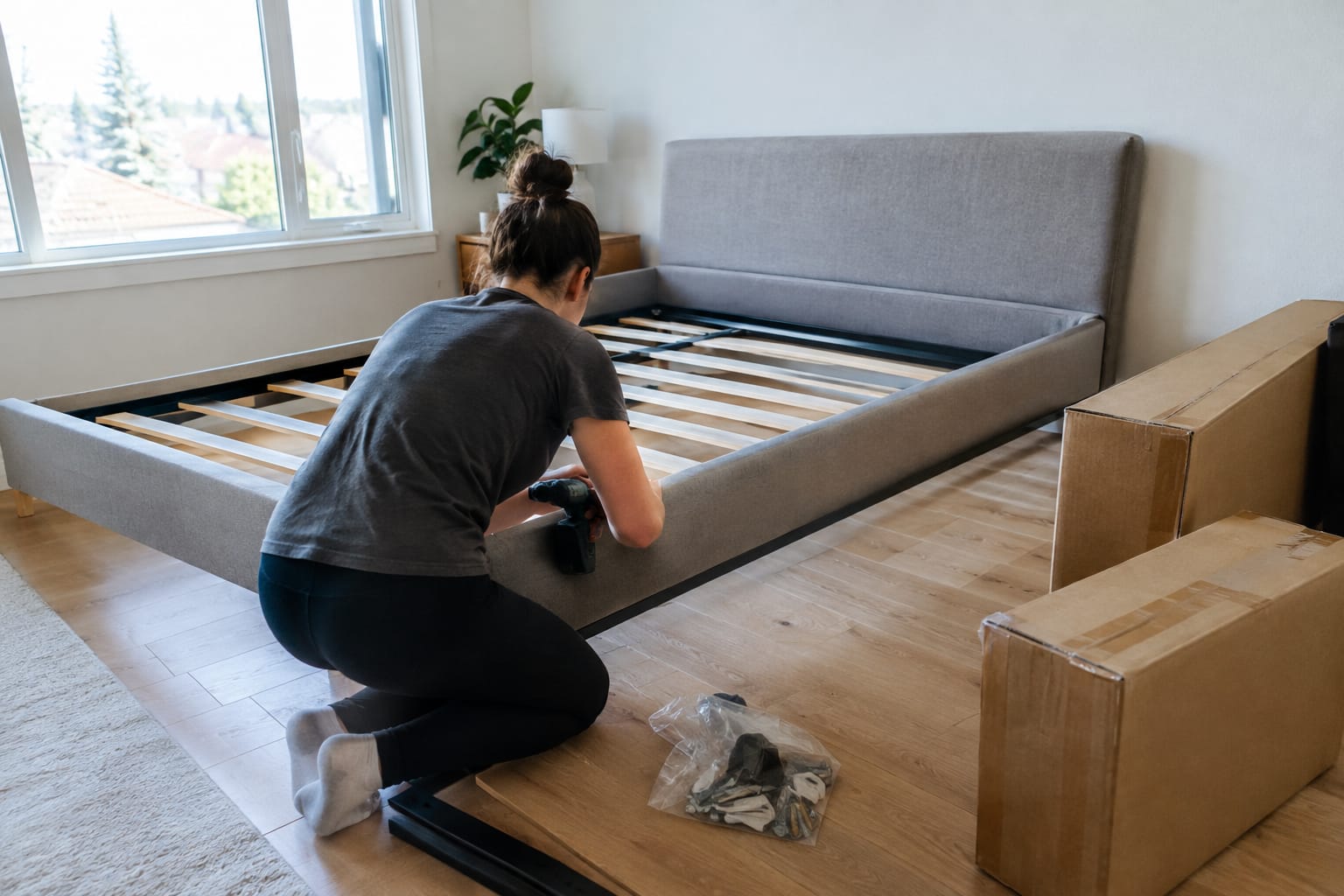
Start with bed frames, table legs and anything with removable parts. This guide to preparing furniture for disassembly covers what to take apart yourself and what to leave for the crew. Bag the screws and bolts for each piece and tape the bag to the largest part.
Boxes should be packed, taped and labeled by room before arrival. Born to Move charges packing supplies such as boxes, tape, shrink wrap and mattress bags separately, so check this list of packing supplies you need for moving and buy them ahead. If you'd rather hand packing off, a professional packing crew bills it as labor plus materials.
7. Protect Shared Hallways, Banisters and Floors
Protect the shared stairwell before the first item moves. Damage to a banister or a hallway floor affects your security deposit and your neighbors' daily route.
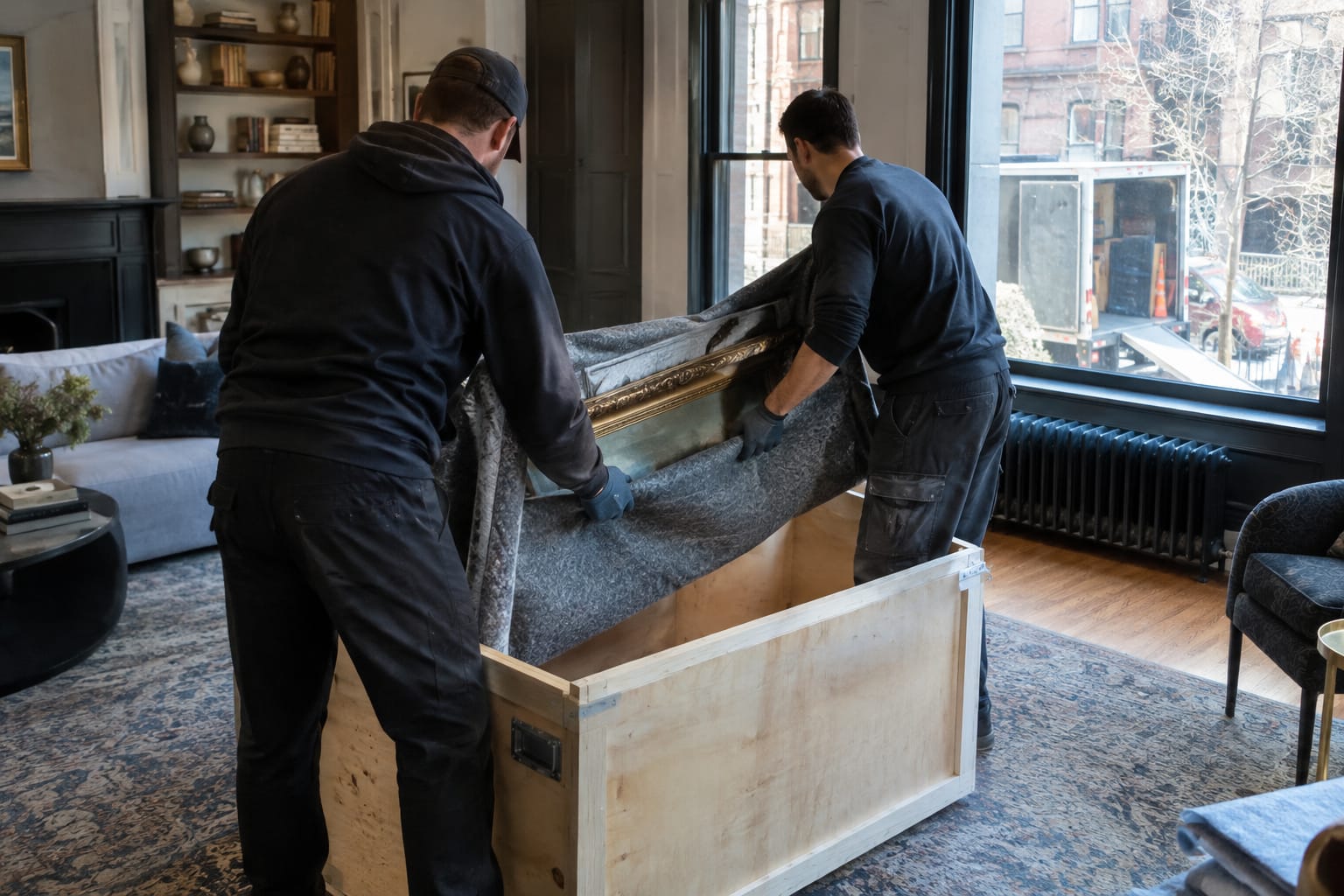
Pad the banister along its full length, lay runners over hardwood treads and landings, and cover door frames at every tight turn. This walkthrough of how movers wrap and protect furniture shows the blanket-and-shrink-wrap method that keeps edges off the walls.
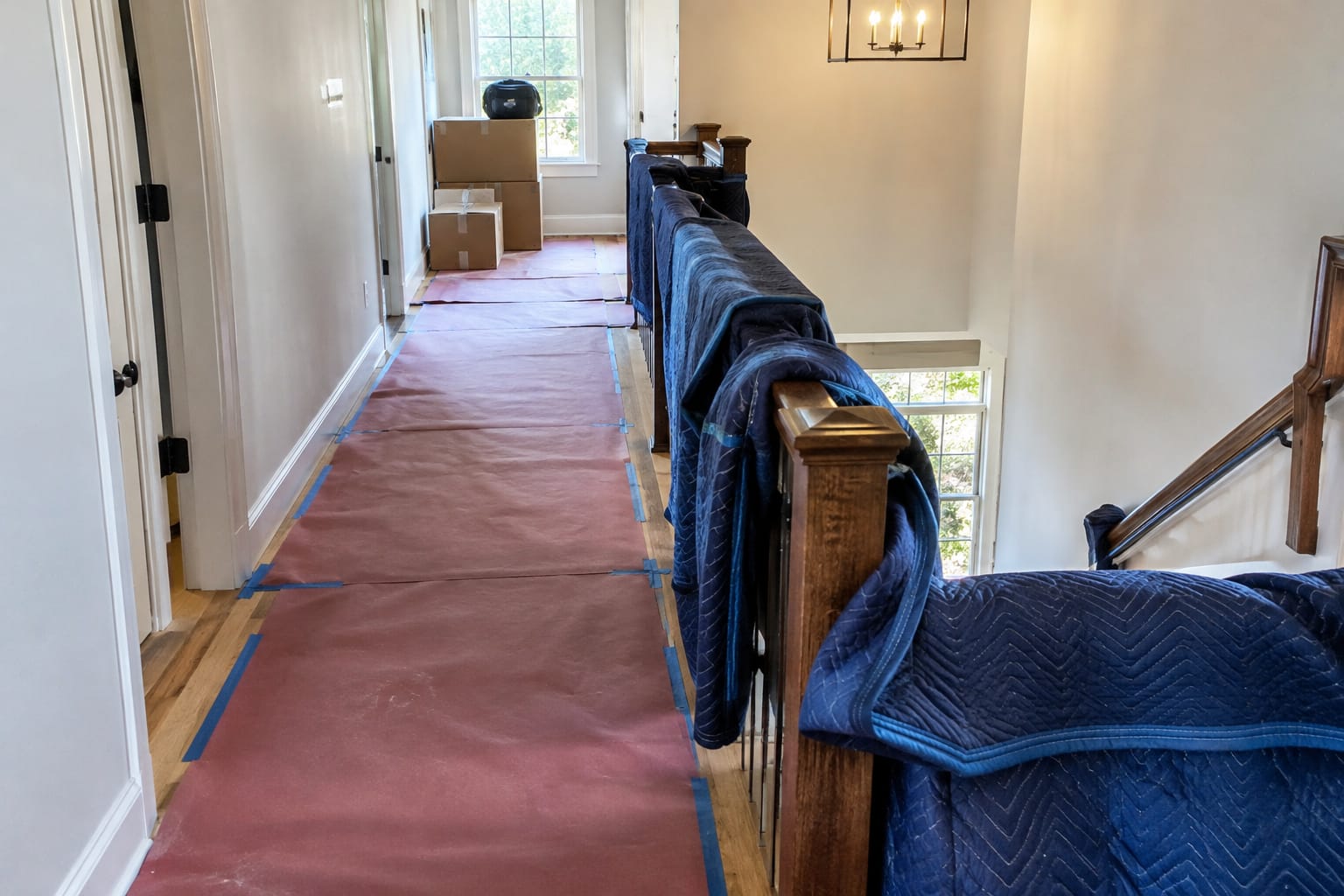
Wrapped furniture also slides more cleanly past tight corners. That saves both the walls and the time spent maneuvering on each landing.
8. Time the Move Around Lease Turnover and Document the Unit on the Way Out
Book early if your lease ends around September 1.
This guide to moving in Boston on September 1 explains what that crunch looks like in practice. If your lease allows it, moving a few days before the turnover date avoids competing with neighbors for the same stairwell and the same block of curb.
Before returning the keys, photograph or video every room of the empty unit, including floors, walls and the stairwell you used. Then set up mail forwarding through USPS official change-of-address service so deposit paperwork reaches you. For a final pass, run through these 5 things to check before the move.
DIY, Loading Help or Full Service: Which Fits a Triple-Decker Move
The right option depends on who carries the stairs and who drives the truck. In a triple-decker, the stairs are the hard part, so that's where outside help adds the most value.
| Option | Who carries the stairs | Who drives | Fits when | Watch out for |
|---|---|---|---|---|
| DIY with a rental truck | You and friends | You | Light inventory, low floor, strong helpers | Narrow streets, low-clearance roads, injury risk on steep stairs |
| Labor-only loading help | Hired crew | You | You've rented a truck or container but don't want to carry three flights | You still handle parking, driving and unloading logistics |
| Full service | Hired crew | Hired crew | Upper floor, heavy furniture, tight lease deadline | Book early around September 1 |
DIY renters using U-Haul, Penske or Budget trucks should plan the route as carefully as the stairs.
Q: Can I rent a truck myself and hire movers only to load it?
A: Yes. Labor-only loading help covers the stairs and the truck pack for a rental truck or a portable container such as PODS, while you handle the rental and the driving.
This hybrid suits many third-floor renters, since the crew takes the heaviest work off your hands. Learn more about hiring someone just to move furniture, or compare it with what full-service movers handle from start to finish.
Once your measurements, route and parking are settled, compare what local moving help for Somerville triple-deckers includes against your list. Then request a quote for your Somerville move with your stairwell photos attached, so the crew size and time estimate reflect the real building.
Whichever option you choose, the building is the planning unit: measure it, route it, share it and park in front of it. Born to Move's packing and unpacking service includes loading and unloading of rental trucks and portable containers, which fits renters who want to drive themselves but skip the stairs.
Written by Born to Move Team
Useful Links
- Get a Moving Quote
- Local Moving Rates
- How to Prepare Furniture When Relocating
- Checklist for a Hassle-Free Move
Need help with this? Somerville Movers · Get a quote · Call (617) 903-2609
Frequently Asked Questions