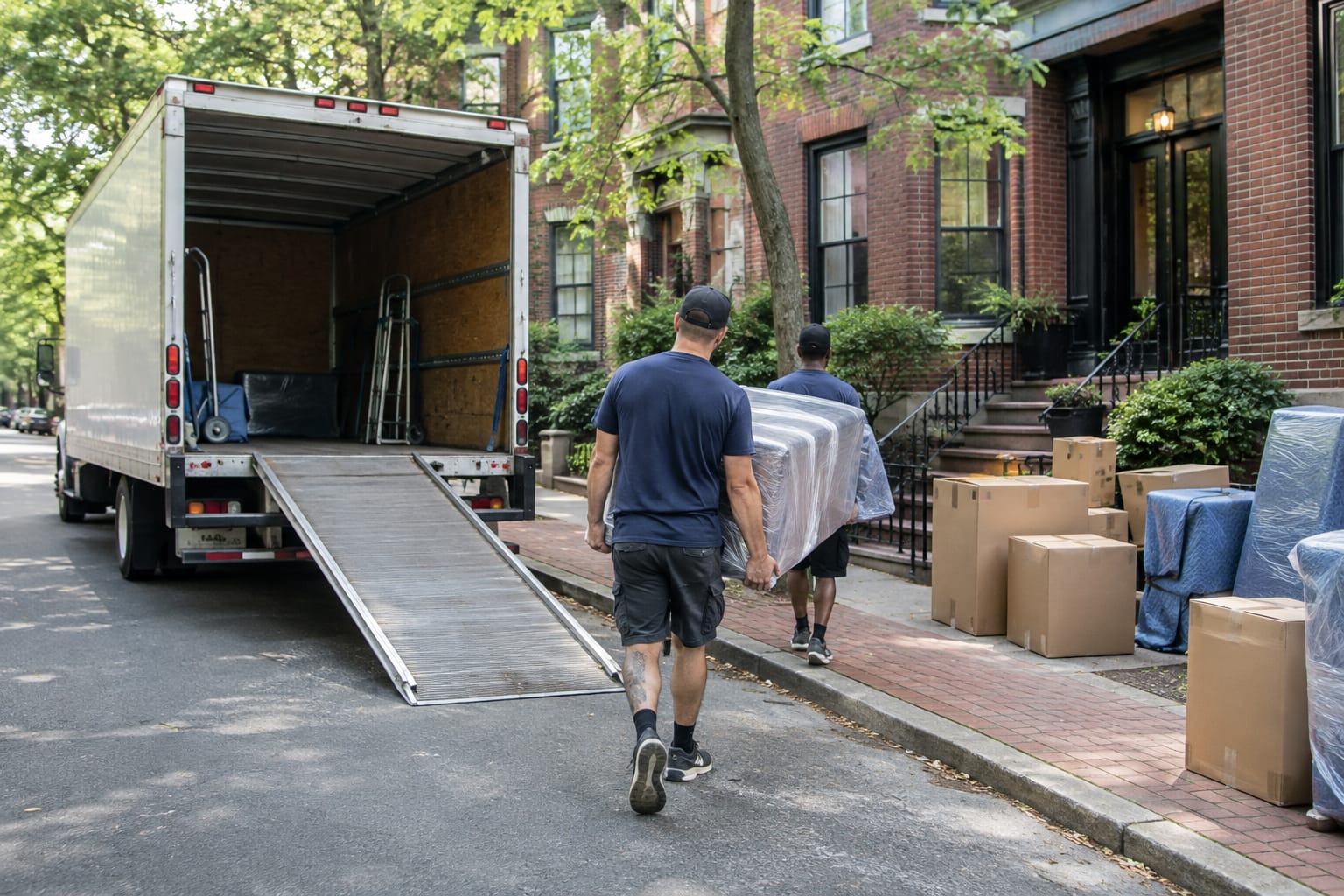
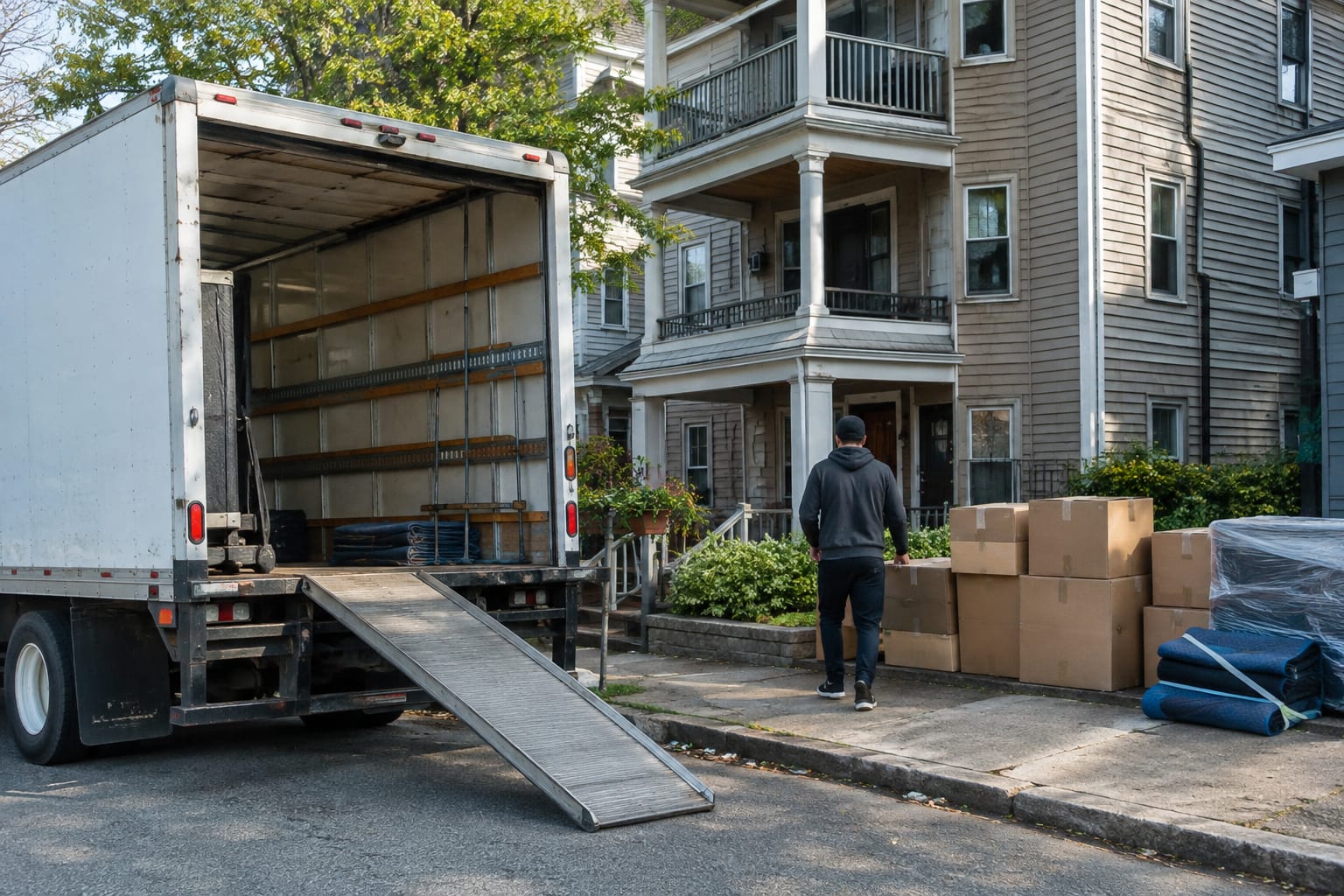
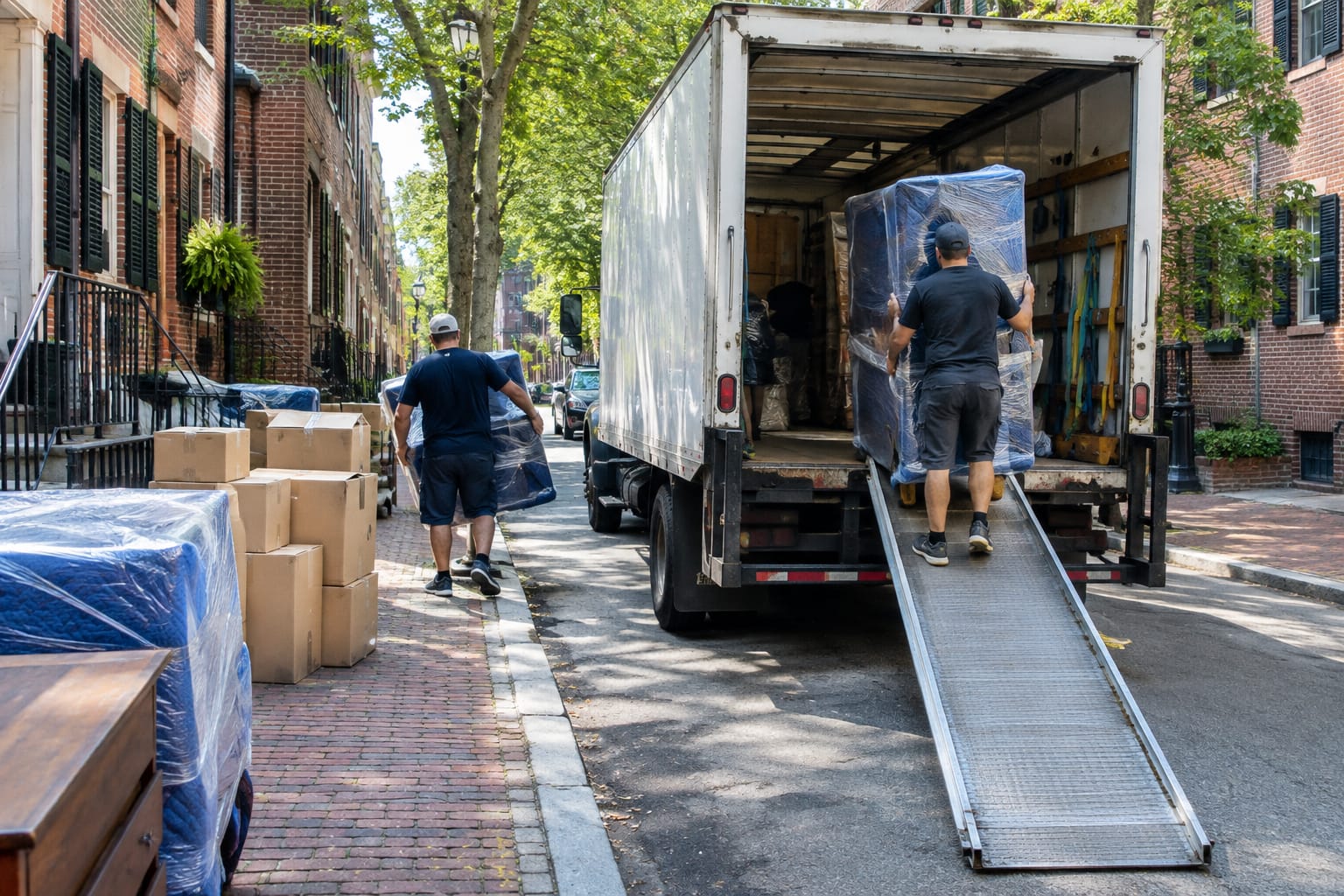
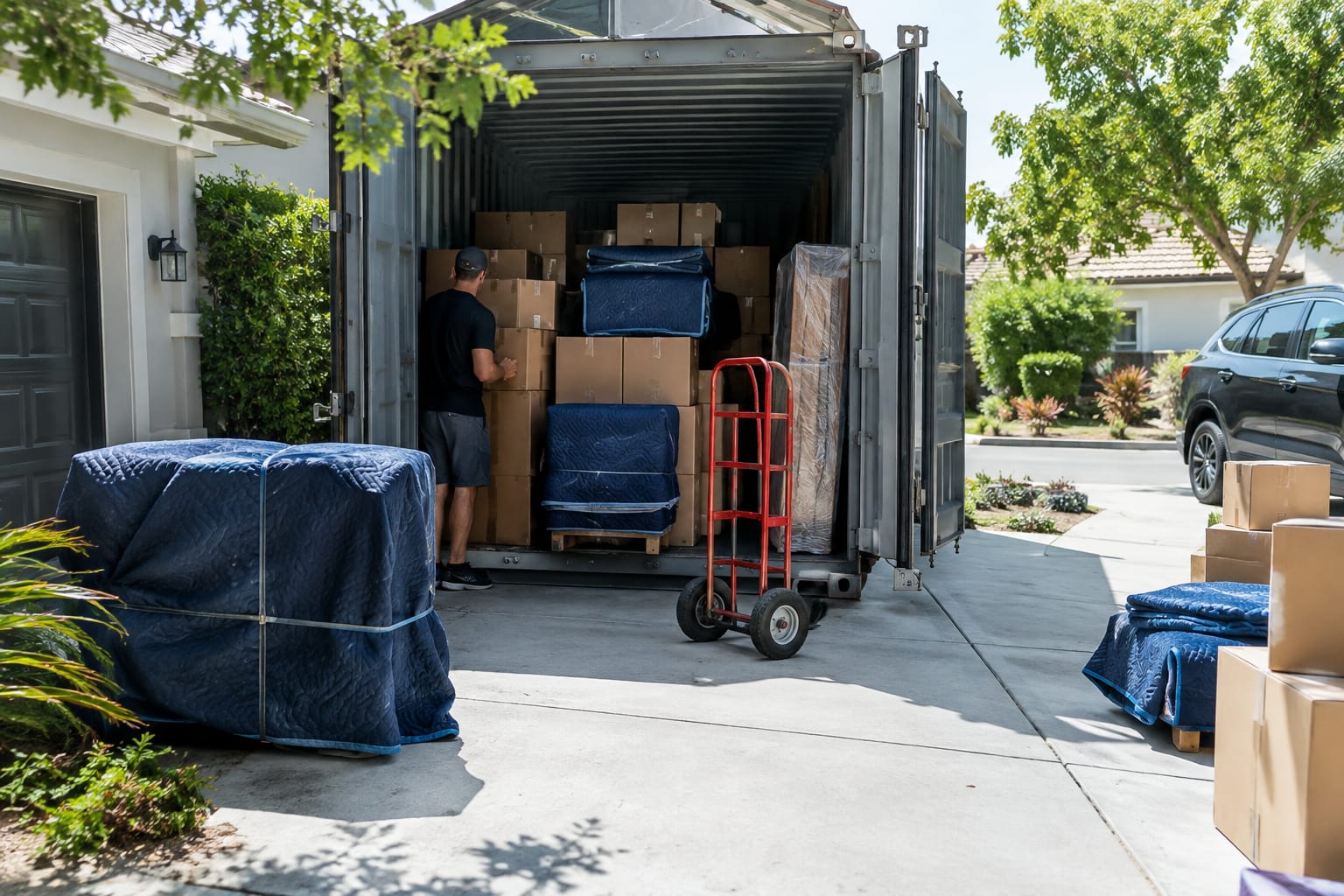
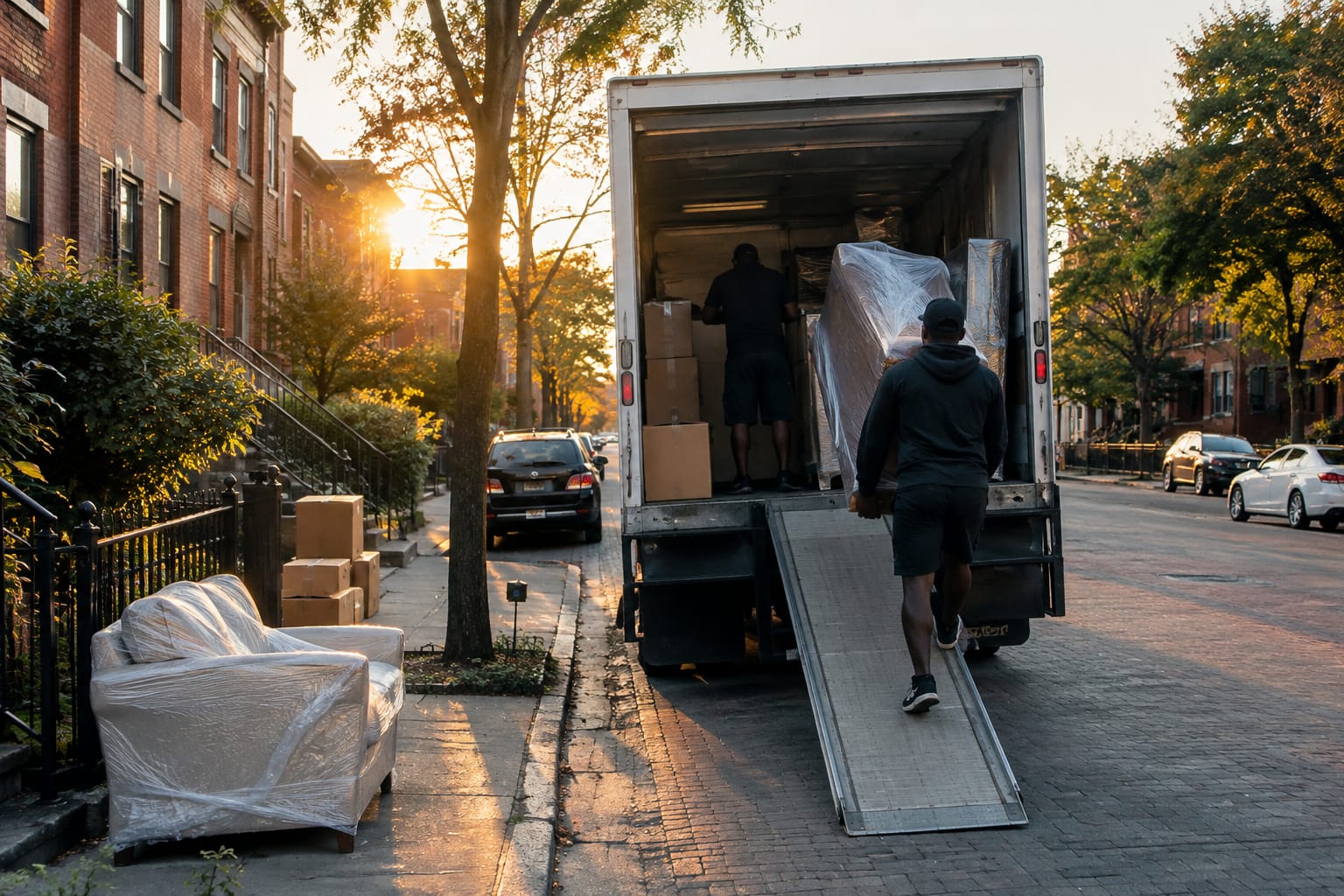
How much do movers cost for a student move? Local movers usually bill by the hour based on crew size, with a minimum that includes travel time. At Born to Move, 2 movers and a truck start from $160/hr, 3 movers from $240/hr and 4 movers from $320/hr. Each has a 3-hour minimum, packing supplies are extra, and current hourly rates by crew size vary by season.
The hourly figure is only the starting point. Dorm moves run long for predictable reasons: a missed elevator booking, a long carry from the loading zone, or boxes still unpacked when the crew arrives. This guide covers the cost formula, the crew size that fits each kind of student move, and the building checks students and parents most often miss.

Key Takeaways
- Hourly pricing with a minimum. Local student moves are usually billed per hour by crew size, with a minimum that includes travel time billed at the crew rate.
- Crew size follows access. A dorm room or studio is typically a 2-mover job; a shared 3-4 bedroom apartment often justifies 3 or 4 movers.
- Supplies are always extra. Boxes, tape, shrink wrap and mattress bags are billed separately, and a card fee applies when paying by card.
- Buildings cause most surprises. Check move-in windows, elevator reservations, COI requirements and truck parking before booking.
- Basic protection is not insurance. Released value protection pays by weight; extra coverage is optional and costs more.
Quick Answer: How Movers Price a Student Move
Most local student moves are priced as hourly labor plus a truck, not a flat fee. The clock covers the whole job: loading, the drive between addresses, unloading and the crew's travel time.
Here is the formula to apply to any hourly quote:
Estimated total = (hourly crew rate × billable hours, never below the minimum) + packing supplies used + card fee, if you pay by card
Here is the formula with the published starting inputs. The minimum job for 2 movers and a truck is 3 hours at $160/hr. That is a starting rate, before supplies and card fee. The 3-hour minimum includes travel time, travel is billed at the same hourly rate, and card payments add 3%. Seasonal rates apply, so confirm the rate for your exact date.
In practice, a small dorm move that wraps up quickly still bills the moving minimum charge. A move that runs past the minimum bills the extra time at the same hourly rate. That is why access and preparation shape your college moving cost as much as the rate itself.
What Drives the Cost: Hours, Crew Size, Travel Time and Supplies
Four things set the final number: billable hours, crew size, travel time and the supplies you use. Hours are the variable you control most.
Use this line-item checklist when you read any quote:
- Labor: billed hourly, and the rate rises with each mover you add.
- Travel time: ask whether it is counted inside the minimum and billed at the crew rate, or charged as a separate fee.
- Packing supplies: boxes, tape, shrink wrap and mattress bags are always billed separately, never included.
- Packing labor: if you book packing, the crew bills it hourly at the same crew rates.
- Card processing fee: added on top when you pay by card.
- Parking and permits: the customer arranges truck parking or a city parking permit.
- Extra coverage: optional, and priced separately from the basic protection included in the rate.
The parking line catches many students off guard in dense neighborhoods. Before you book, read up on where to park a moving truck in Boston.
For local hourly moves, the rate includes labor, the truck, fuel, tolls, moving blankets, floor protection, basic furniture disassembly and reassembly, and basic released value protection of $0.60 per pound.
Extra coverage is optional and costs extra, so keep electronics and valuables with you. For a fuller breakdown, see what an hourly moving rate includes.
Preparation is where students save the most. Unless you have booked packing, the crew expects drawers emptied and boxes packed before it arrives. Every unpacked shelf becomes billed time.
2, 3 or 4 Movers? Matching Crew Size to a Dorm, Studio or Shared Apartment
A dorm room or studio is usually a 2-mover job. A shared 3-4 bedroom student apartment often justifies 3 movers. Four movers suit large shared units with heavy furniture, walk-ups or long carries.
The trade-off is simple. A bigger crew costs more per hour but can finish sooner. An undersized crew on a large job stretches the hours. Volume and access decide the right size, not the number of roommates.
| Move size | Typical crew | What affects the hours |
|---|---|---|
| Dorm room | 2 movers | Elevator access, distance from loading zone to room, assigned move-out window |
| Studio apartment | 2 movers | Stairs or elevator, furniture to disassemble, parking near the door |
| 1-bedroom apartment | 2 movers; 3 for walk-ups or heavy pieces | Bed frame and desk disassembly, sofa size, number of flights |
| Shared 3-4 bedroom apartment | 3 movers; 4 for heavy or walk-up units | Several bedrooms of furniture, access at both buildings, how ready each room is |
Treat the table as a starting point, not a promise of hours. Your access and how ready the boxes are decide the clock.
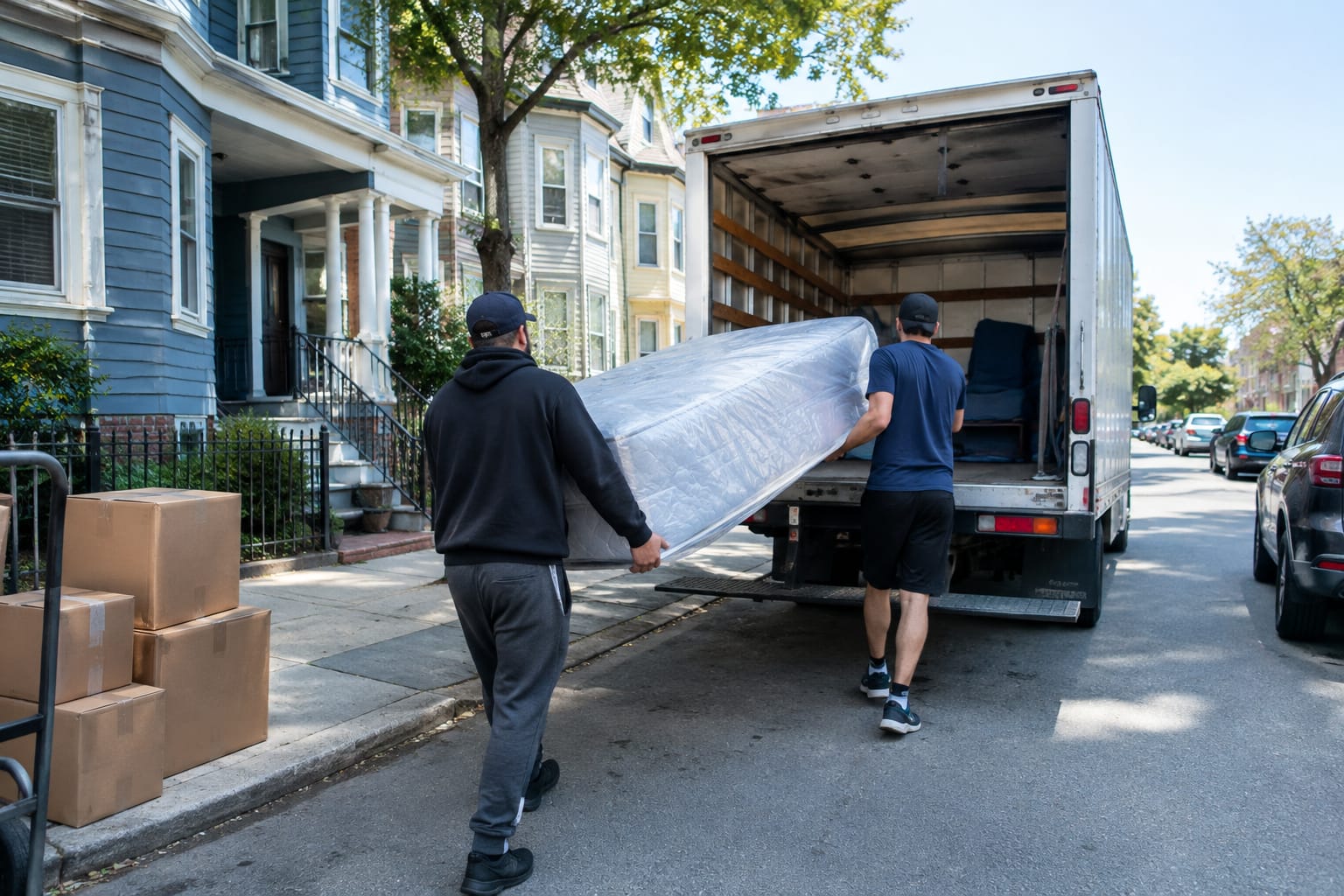
Q: How many movers do I need for a dorm room?
A: Two movers and a truck usually handle a single dorm room. Most of the load is boxes, bags, a mini-fridge and a few small furniture pieces. Elevator access and the walk to the loading zone drive the hours more than volume does.
If access changes close to moving day, call the mover right away. A broken elevator can turn an upper-floor move into a stair carry that needs another mover.
Dorm and Building Rules to Check Before You Book
Most surprise charges on student moves come from the building, not the mover. Check these four items with campus housing or property management before you book a crew.
- Move-in and move-out windows. Many campuses assign time slots, and many of those fall on weekends. Get your slot in writing and ask whether an early or weekday arrival is allowed.
- Loading zones and elevators. Ask where trucks may stop and whether the service elevator needs a reservation. The guide on how to reserve an elevator for moving day walks through the request.
- Certificate of Insurance (COI). A COI is a document from the mover's insurer that names the building or campus as certificate holder. Many managed buildings will not let a crew inside without one. Request the building's exact wording and forward it to the mover early.
- Truck parking. The customer usually arranges the parking spot or city permit. A crew circling the block still bills time.
Born to Move, for example, prepares COIs in advance for buildings that require them and plans routes around tight elevator windows. Students with a weekend-only campus slot should ask housing about a weekday option before booking.
Off-campus moves add a calendar risk. Many Boston leases turn over on September 1, which squeezes trucks, elevators and street parking. Read about moving in Boston on September 1 if your student apartment lease starts then. Use a college moving checklist for the rest of the timeline.
Hiring Movers vs Renting a Truck vs Shipping Boxes
Shipping fits a few boxes. A rental truck fits a light load with willing helpers. Hired movers fit heavy furniture, stairs and tight move-out windows, and many students choose a hybrid: rent the truck and hire help only for loading.
| Option | What you pay for | Who does the lifting | Works well for | Watch for |
|---|---|---|---|---|
| Shipping boxes | Per-box carrier rates | You pack; the carrier delivers | A few boxes, long distances, no furniture | Weight and size limits, transit time |
| Rental truck (U-Haul, Penske, Budget) | Rental fee, mileage where charged, fuel, optional damage protection | You and your friends | Light loads, short distances, flexible schedules | City driving, parking, your own time |
| Hired movers | Hourly crew and truck, plus supplies | Professional crew | Furniture, walk-ups, shared apartments, strict windows | The minimum charge, access delays |
| Hybrid (rental + loading help) | Truck rental plus hourly labor | Crew loads; you drive | Budget moves with heavy items | Timing truck pickup with crew arrival |
Rental prices change by date, truck size and pickup location. Pull current rates for your dates directly from U-Haul, Penske or Budget rather than relying on an average. Then add the costs a rental quote leaves out: fuel, your time, and the hours lost when a sofa will not clear the stairwell.

Q: Is renting a U-Haul cheaper than hiring movers for a student move?
A: The U-Haul rental itself often costs less than a crew, but it excludes labor, fuel and your own time. Compare full totals, including what you would pay helpers, before deciding.
For a deeper look at the trade-offs, see this comparison of full-service movers versus a DIY truck rental.
Need help with this? Get a quote
Storing Your Things Between Semesters
Summer storage for college students takes the least effort when you pack once. Label and inventory boxes at move-out, then have them delivered back at move-in. The two main routes are a self-storage unit you load yourself, or mover-run storage where a crew picks up, stores and redelivers.
Mover-run storage removes the second truck trip, which matters for students who leave town for the summer. In Greater Boston, Born to Move runs a private storage facility in Newton. Furniture stays wrapped in blankets and shrink wrap, every item and box is numbered on an inventory sheet, and access is by appointment.
The monthly rate depends on the volume stored, and dispatch schedules delivery out of storage. Details on storage between semesters are on the storage page.
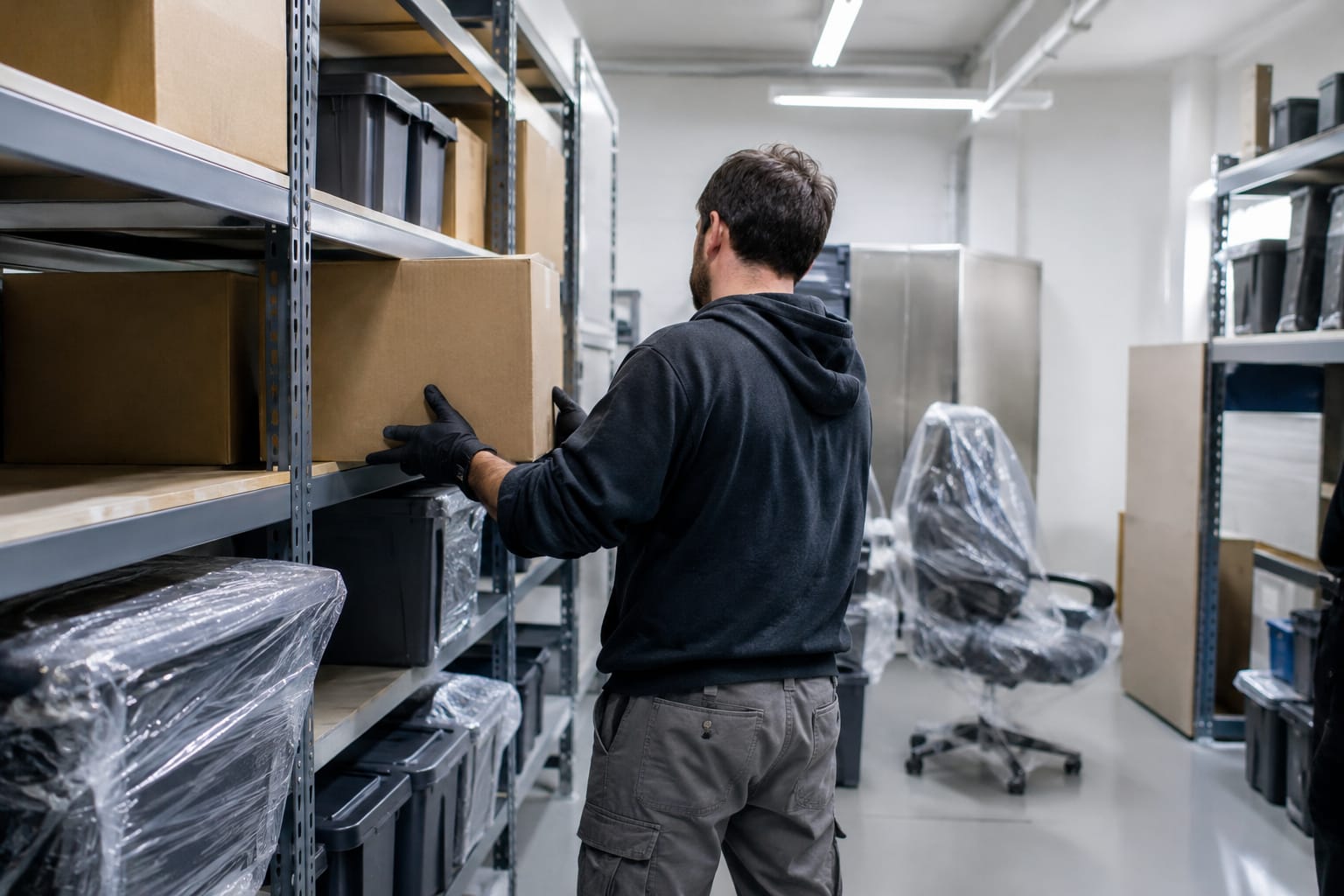
Before storing, pull out anything that should travel with you. That includes laptops, documents, cash, jewelry, medications and anything perishable. Photograph each box's contents next to its number, so finding one textbook in the fall takes minutes.
How to Get an Accurate Quote and Avoid Surprise Charges
An accurate quote comes from an accurate inventory and honest access details. Vague requests get vague numbers.
- List everything. Include the mini-fridge, bike, TV, desk chair and any furniture bought off-campus. Many movers take inventory through an online form, a phone call or a video walk-through.
- Describe both buildings. Give the floor number, elevator or stairs, the distance from truck to door, and any reserved time window.
- Ask what the rate includes. Confirm the truck, fuel, tolls, blankets and disassembly, and which supplies are billed separately.
- Ask how time is counted. Find out whether the minimum includes travel time and how time beyond the minimum is billed.
- Get it in writing. For moves across state lines, confirm the current paperwork requirements with the relevant federal authority.
- Check credentials. Ask for the mover's USDOT number and state registration. This guide's publisher, for instance, lists USDOT 2887241 and MA DPU 31826.
Most scam patterns surface at the quoting stage, so these checks double as protection. The guide to avoiding moving scams covers the warning signs in more depth. If you are comparing options for a dorm or apartment near Boston, the page on student moving in Boston explains how student bookings work.
Written by Born to Move Team
Useful Links
- Moving Prices and Hourly Rates
- Tips for a Stress-Free College Moving Experience
- Moving and Storage
- What Questions Should I Ask When Hiring a Moving Company?
- Request a Moving Quote
Need help with this? Student Moving in Boston with Born to Move · Get a quote · Call (617) 903-2609
Frequently Asked Questions