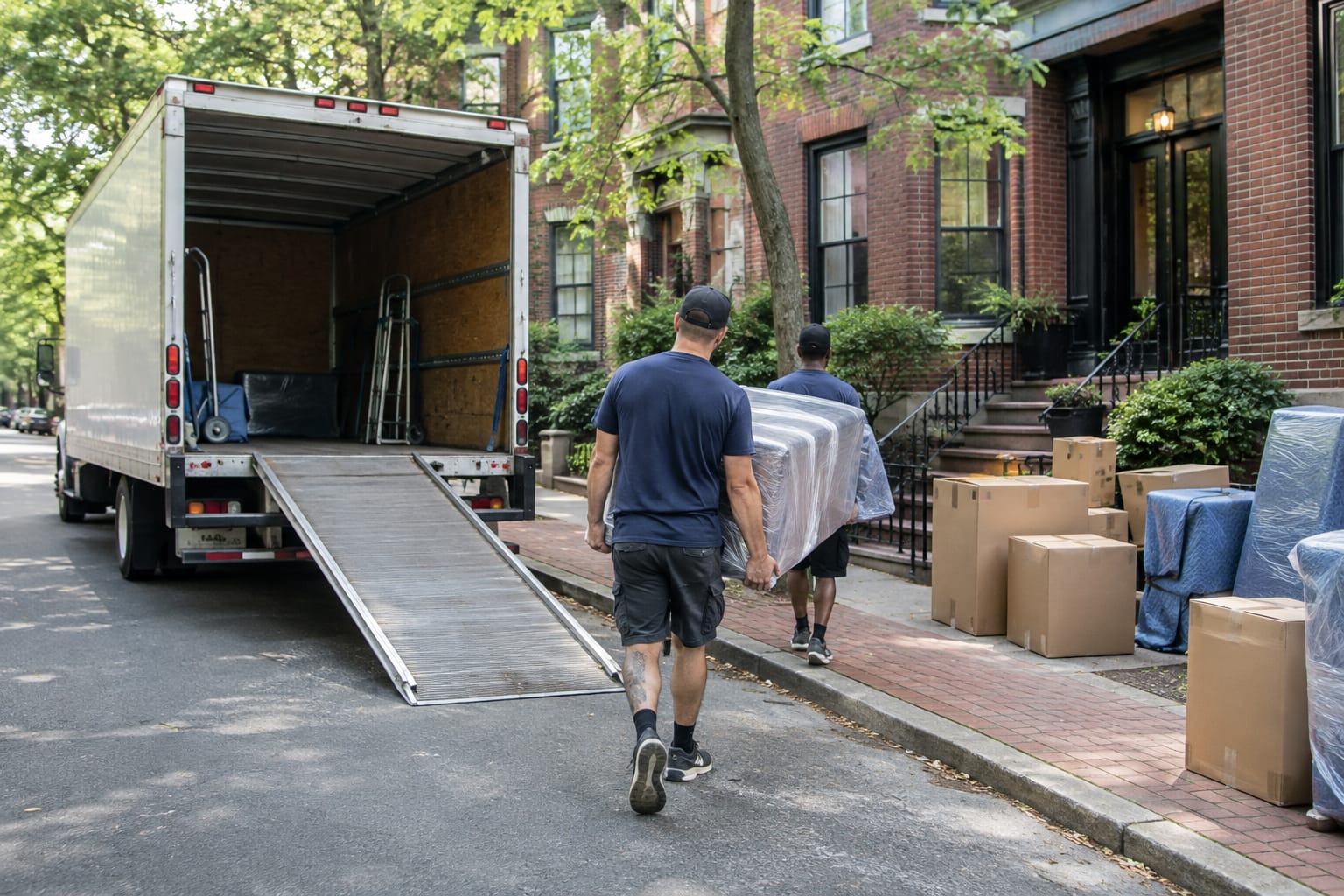
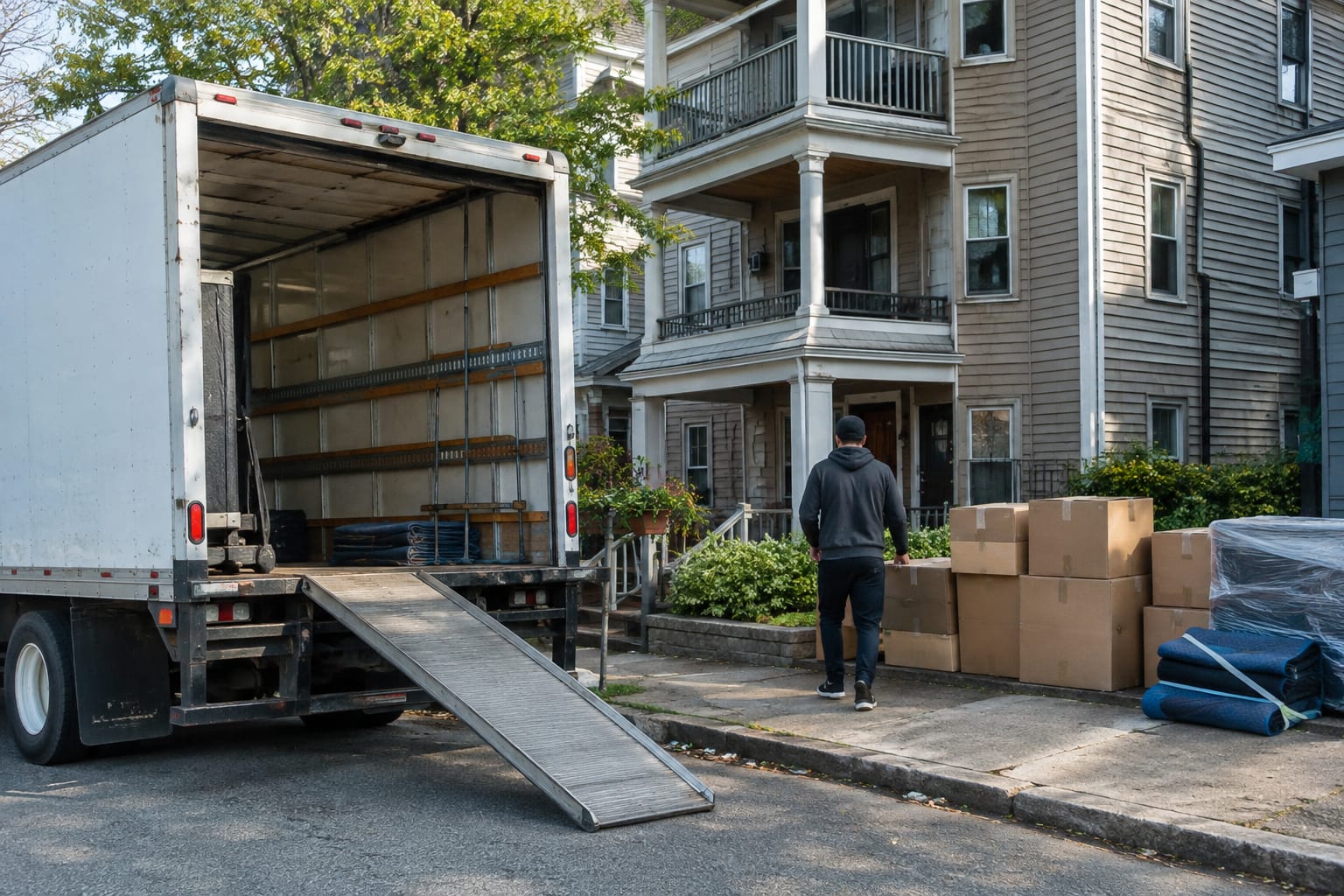
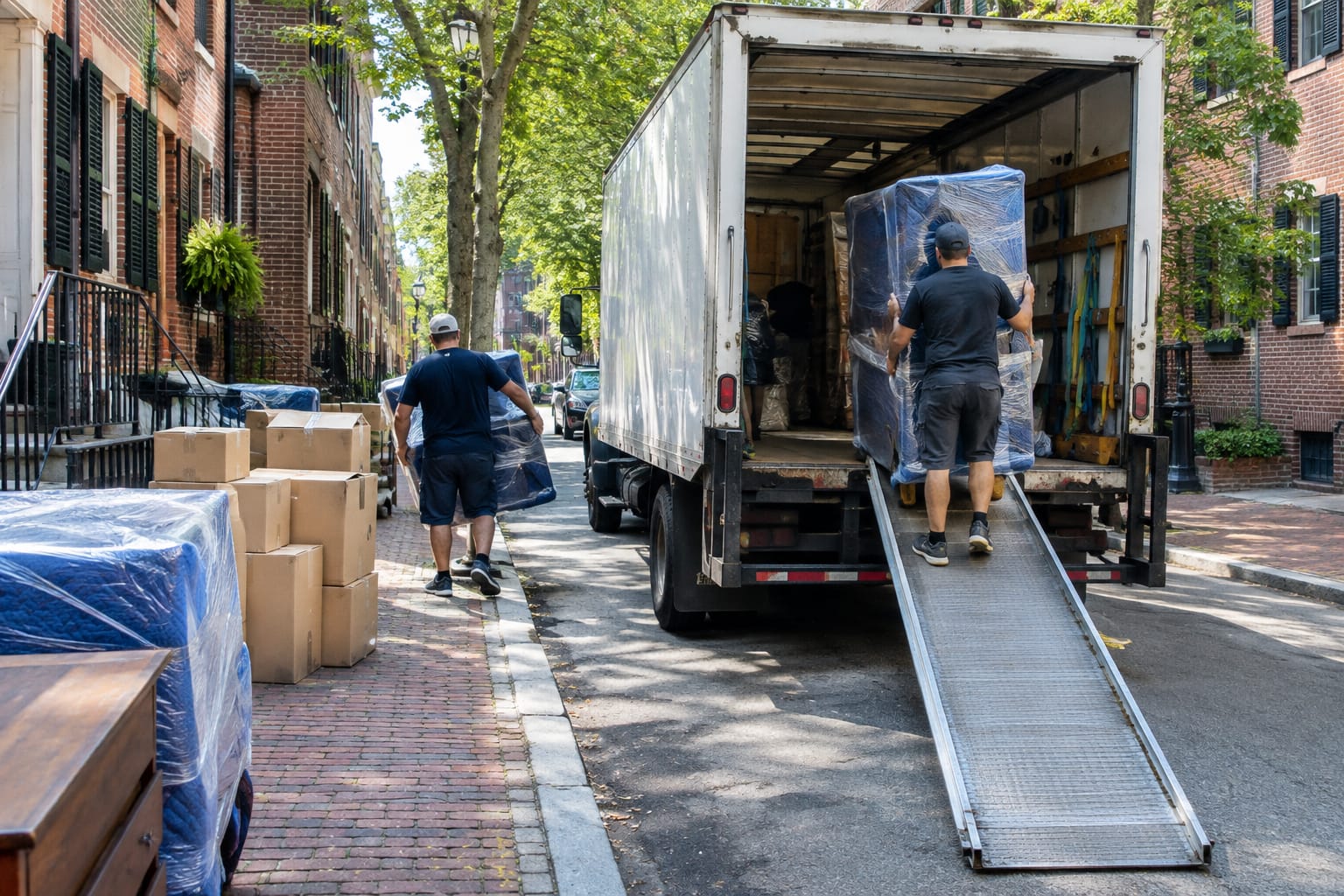
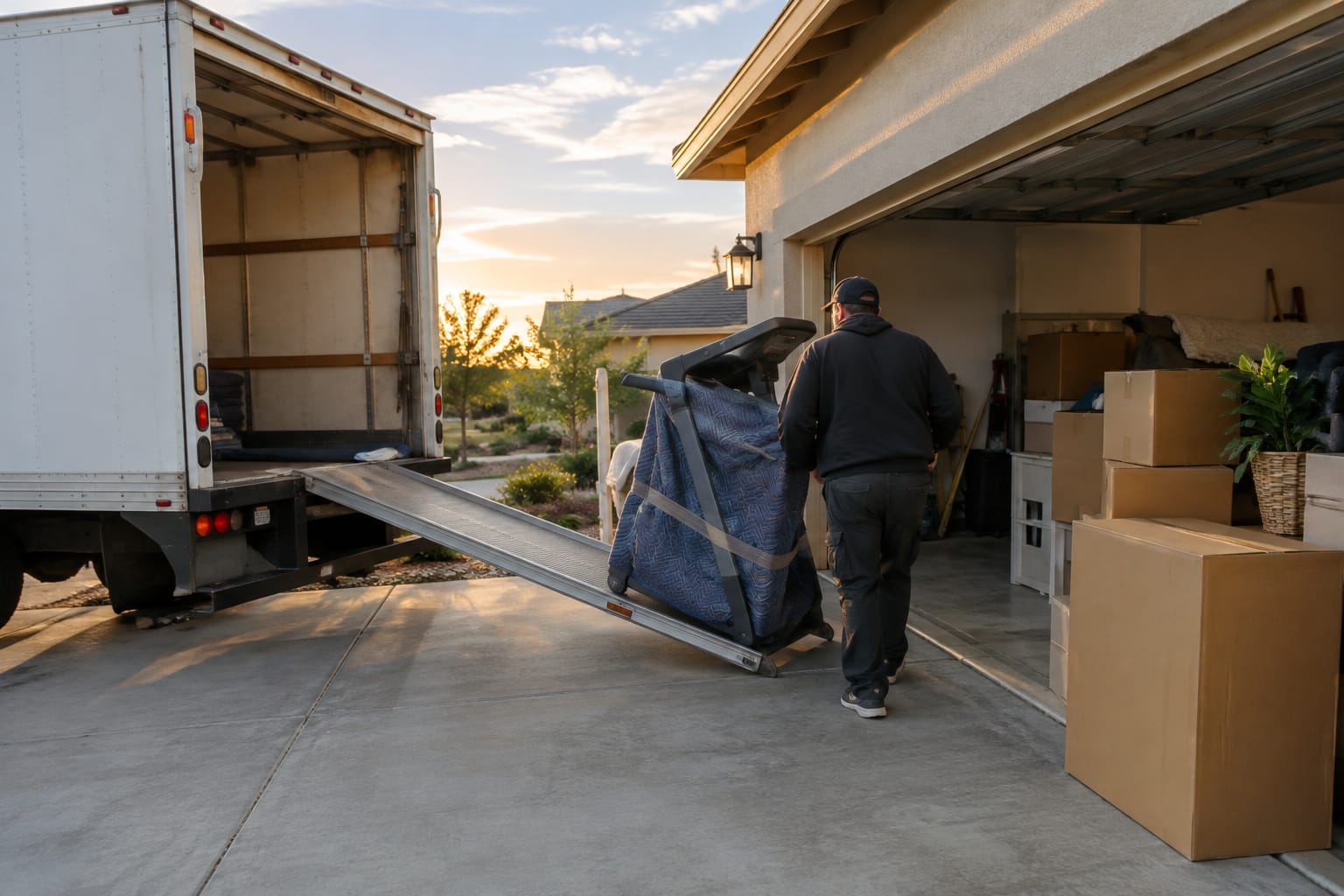
The most important step is to book your movers or rental truck, and apply for a parking permit, as soon as your new lease is signed.
Waiting until August is the most common mistake. On a September 1 move in Boston, crews, trucks, curb space and elevator slots all run short in the same 48 hours. This guide gives you a backward-planning timeline, a permit and elevator checklist, realistic workarounds and a list of what to confirm in writing.
Why So Many Boston Leases Turn Over on September 1
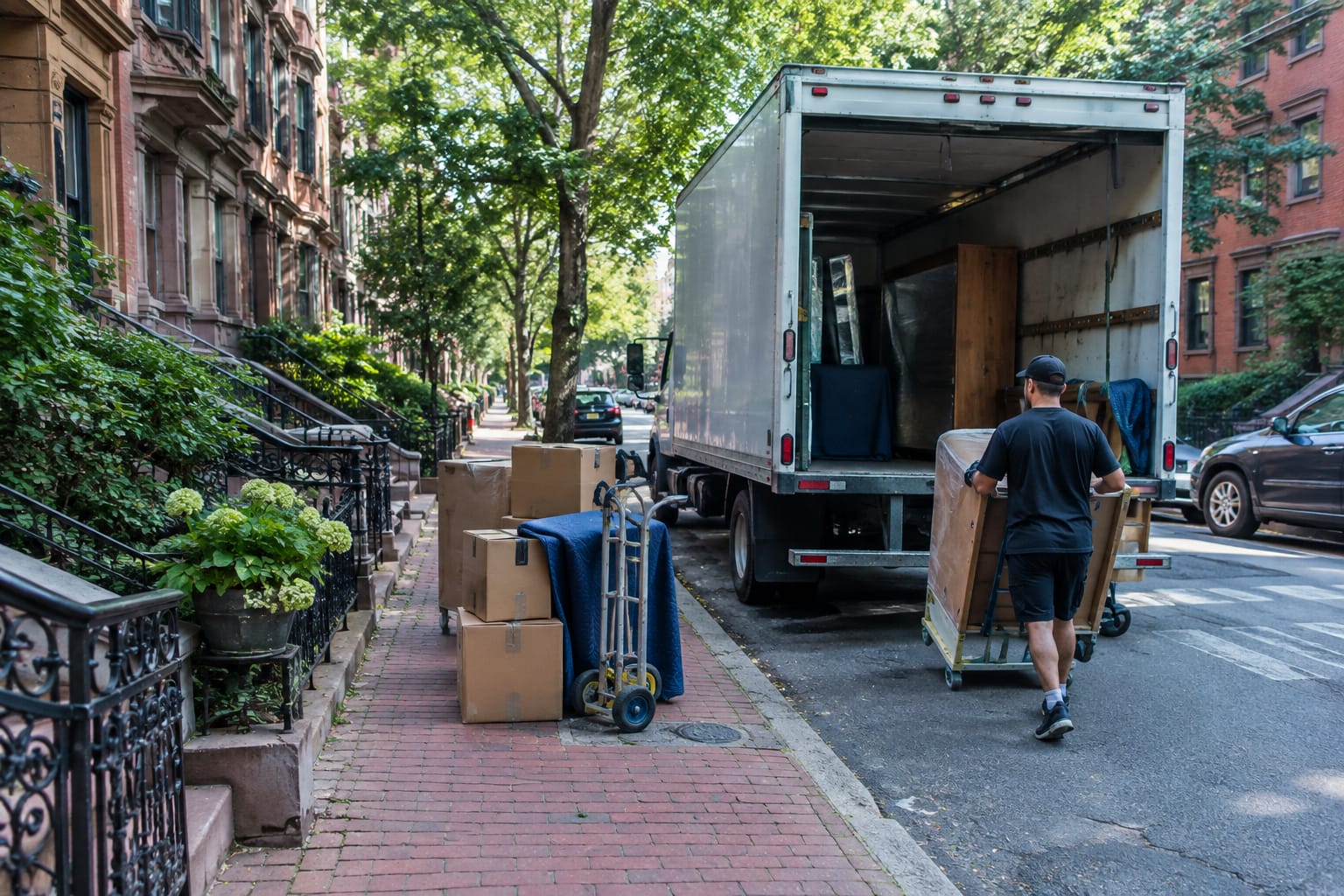
Boston's rental calendar follows its colleges. Many apartment leases run from September 1 to August 31 so students, faculty and staff can settle in before the fall semester. Plenty of landlords outside student areas follow the same cycle because that is when demand peaks.
The result is lease turnover compressed into a few days. Outgoing tenants leave on August 31, incoming tenants arrive on September 1, and the gap between them is often a matter of hours.
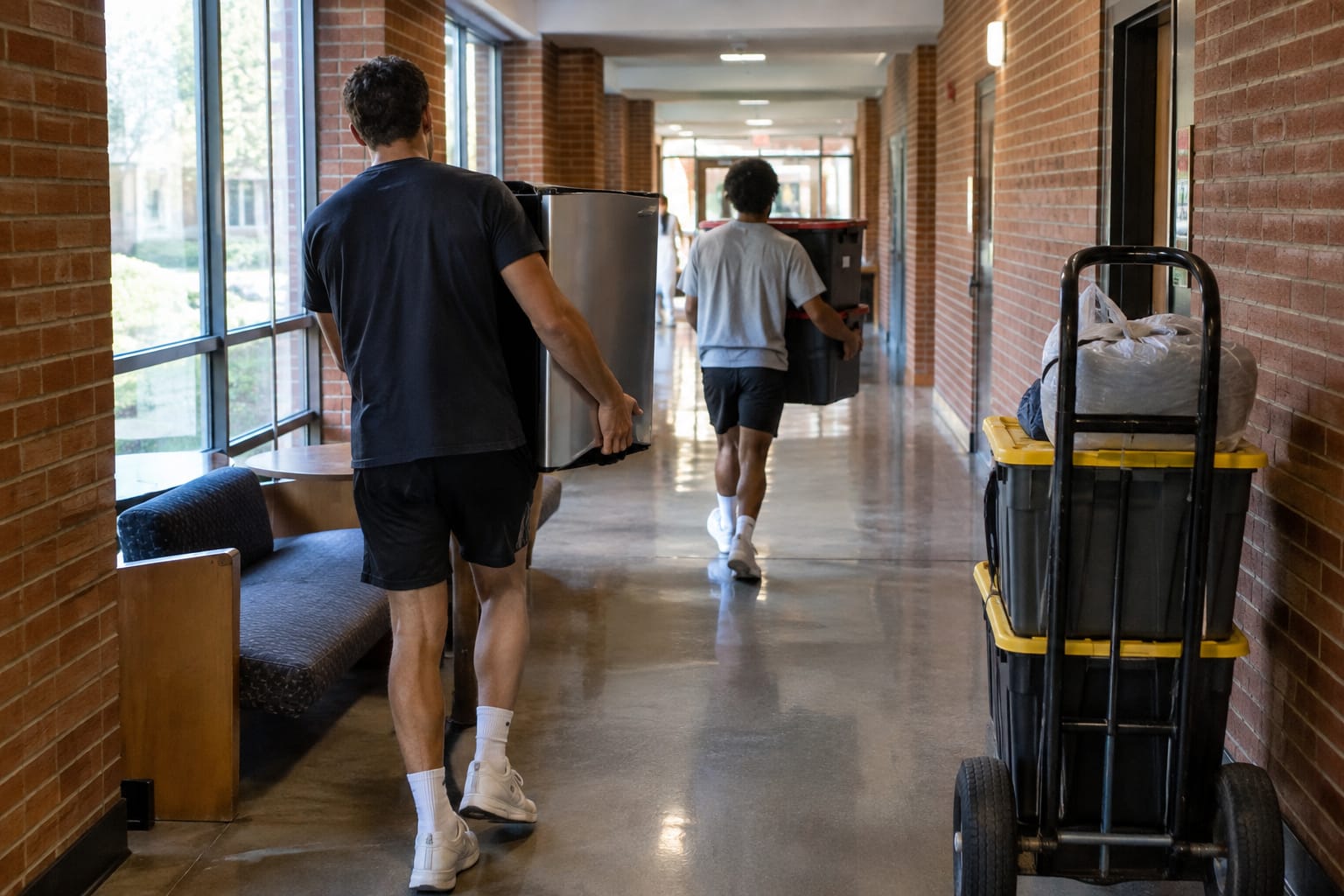
The densest student neighborhoods feel it most: Allston, Brighton, Fenway and Mission Hill. The ripple reaches across Greater Boston, including Cambridge, Somerville and Brookline. For background on the scale of student move-in Boston sees each fall, see how many students are moving to Boston. Students handling their first move can start with these college moving tips.
Q: What is Allston Christmas?
A: Allston Christmas is the local nickname for the furniture and household goods departing tenants leave on sidewalks in Allston and Brighton around September 1. Free finds are tempting, but inspect upholstered pieces and mattresses carefully before bringing them inside.
Curbside piles also narrow sidewalks and block truck access. That is one more reason to plan your loading zone early.
What Makes September 1 Moves Harder: Trucks, Crews, Streets and Elevators
Four bottlenecks stack up on the same day. Each one has a fix, but only if you act weeks ahead.
- Crews. Local moving calendars fill long before late August. Late bookers usually get whatever slot remains, often a late arrival after the crew finishes an earlier job.
- Rental trucks. Local truck inventory gets tight around the end of the month, and the size or pickup location you want goes first.
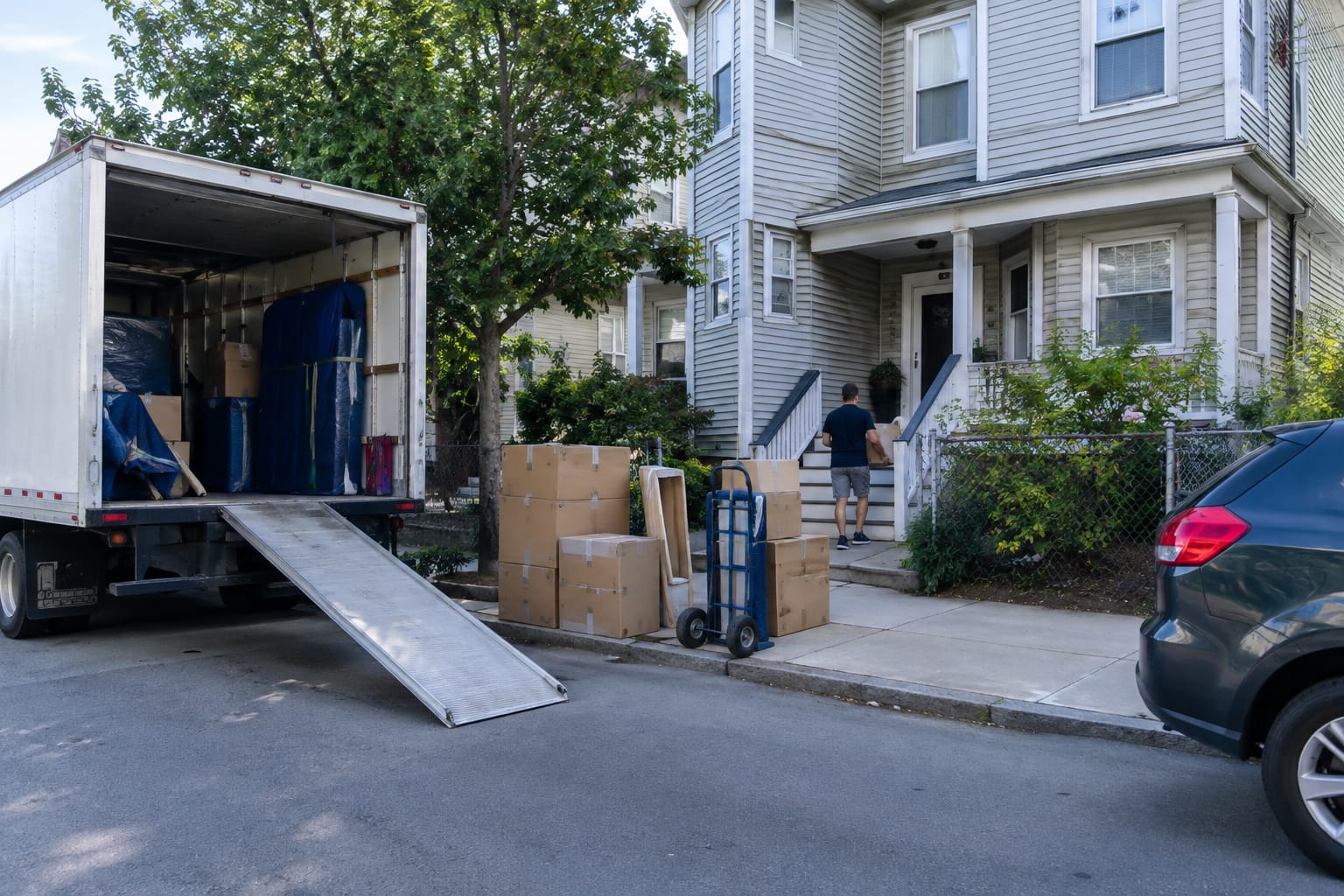
- Streets. Narrow one-way streets, double-parked trucks and posted no-parking zones slow every load, so learn how to avoid getting Storrowed before you plan a route.
- Elevators and loading docks. In larger buildings, outgoing and incoming tenants compete for the same freight elevator and the same few hours.
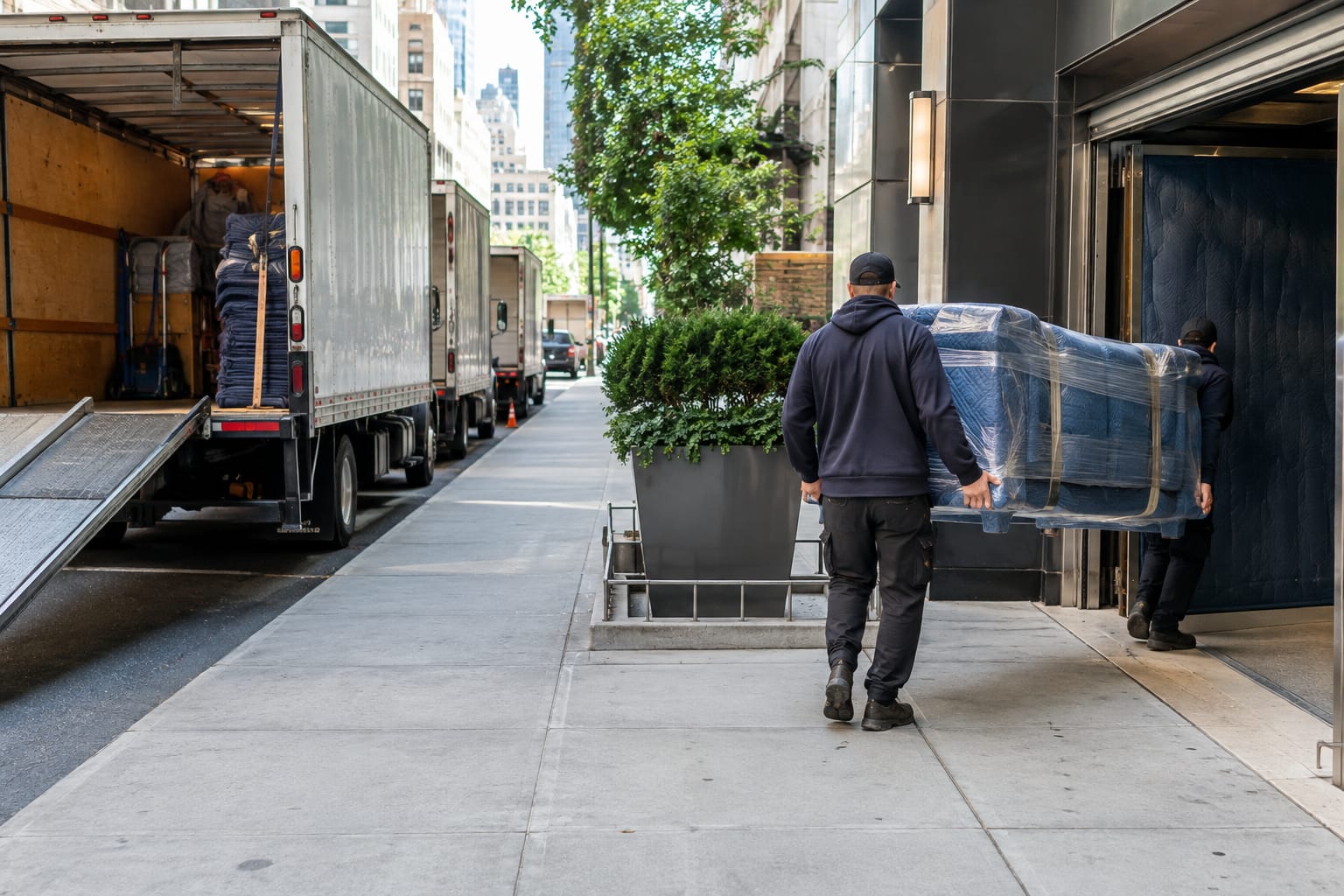
Here's the thing: delays compound. A truck that cannot park at your old address arrives late at your new one, where the elevator slot may already have passed. On an hourly move, every hour of waiting costs you money.
A Planning Timeline: What to Book and When
Q: How far in advance should I book movers for September 1 in Boston?
A: Book as soon as your new lease is signed. For a September 1 date, that usually means spring or early summer, at least two to three months before move day.
Work backward from move day. This timeline assumes a September 1 move date.
- As soon as the lease is signed (often March to June). Decide between full-service movers, a rental truck or a hybrid. Request quotes, book your date and ask both landlords about move-in rules and elevator policies.
- By early July. Reserve a rental truck if you are going DIY, and book loading help at the same time. If your leases do not line up, arrange storage now.
- Mid to late July. Apply for street occupancy permits at both addresses. Each city sets its own lead time, so check the rules early rather than guessing.
- Early August. Buy packing supplies, confirm elevator or loading dock reservations in writing, and send your mover an updated inventory.
- One to two weeks before. Confirm the arrival window, crew size, rate and permit status. Check whether the city posts the no-parking signs or you must post them, and by when.
- 48 hours before. Empty all drawers, finish packing boxes and set aside essentials, documents and valuables you will carry yourself.
- Move day. Keep permit paperwork and building contacts on your phone. Walk through both units before the crew leaves.

The first step matters most. When you request a written quote early, you lock in a crew and leave time to fix permit or elevator problems.
Securing Parking Permits and Building Reservations
Q: Do I need a parking permit for a moving truck on September 1?
A: Confirm the current requirements for reserving curb space for a moving truck with the City of Boston.
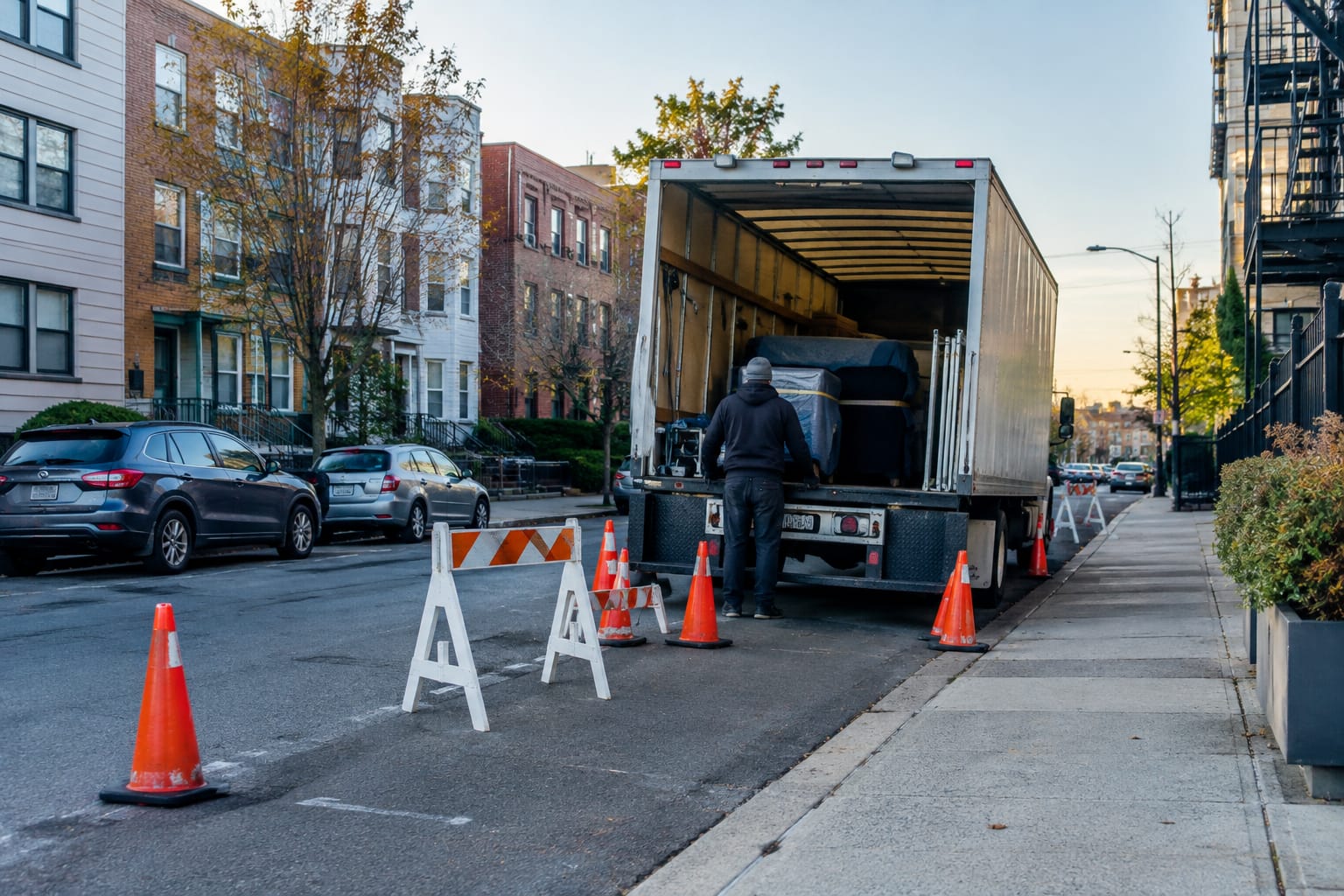
Start at boston.gov and search for the moving truck or street occupancy permit to find the current application, fees and lead time. Rules can change from year to year, so read the official page rather than relying on a neighbor's advice. Without a permit, a truck may end up double-parked or blocks away.
In most cases, the renter arranges the permit, not the mover. Ask your mover directly and get the answer in writing. For street-level considerations, read this guide on where you can park a moving truck in Boston.
Use this checklist for both addresses:
- Street occupancy permit for the old address, covering the right date and time window
- Separate permit for the new address, issued by that city if it is a different municipality
- Sign-posting rules: who posts, how far in advance, and what proof is required
- Freight elevator reservation at the old building
- Freight elevator reservation at the new building
- Certificate of insurance, if either building requires one from your mover
- Building move hours, loading dock access and floor or wall protection rules
Elevator slots go fast in late August. Learn how to reserve your building's elevator and request a slot the day your lease is signed.
Ways to Reduce Pressure: Off-Peak Dates, Lease Gaps and Short-Term Storage
The most effective workaround is to avoid the exact date. August 31 and September 2 are also busy, but moving even a few days outside the peak usually opens up more crew and truck options.
Three practical approaches:
- Shift the date. If your new lease starts earlier or your old one ends later, move a few days before or after the rush. Get any early move-in or late move-out agreement from your landlord in writing.
- Overlap leases briefly. A few extra days of rent can cost less than a rushed, delayed move.
- Bridge a gap with storage. If your old lease ends August 31 and your new one starts later, move out on schedule and store your belongings until you can get in.
A move-out, store and deliver plan turns one stressful day into two calmer ones. Born to Move, for example, keeps stored furniture wrapped in blankets and shrink wrap, and numbers every item and box on an inventory sheet. Access is by appointment, and the monthly rate depends on the volume stored, so it is quoted on request. Details are on the page for short-term storage between leases.

Keep in mind that a two-stage move means two loading sessions. Weigh that extra labor against the cost of overlapping rent.
Need help with this? Get a quote
DIY on September 1: Renting a Truck vs Hiring Loading Help
A rental truck works on September 1 only if you reserve early and plan the route. Rental brands such as U-Haul take reservations online; confirm the truck size, pickup location and pickup time in writing, since peak-date inventory is tight. This overview of rental truck moving services explains how rentals generally work.
Driving is the other risk. A box truck on narrow Boston streets, with parkways off-limits and parking scarce, is a different job from a highway drive.
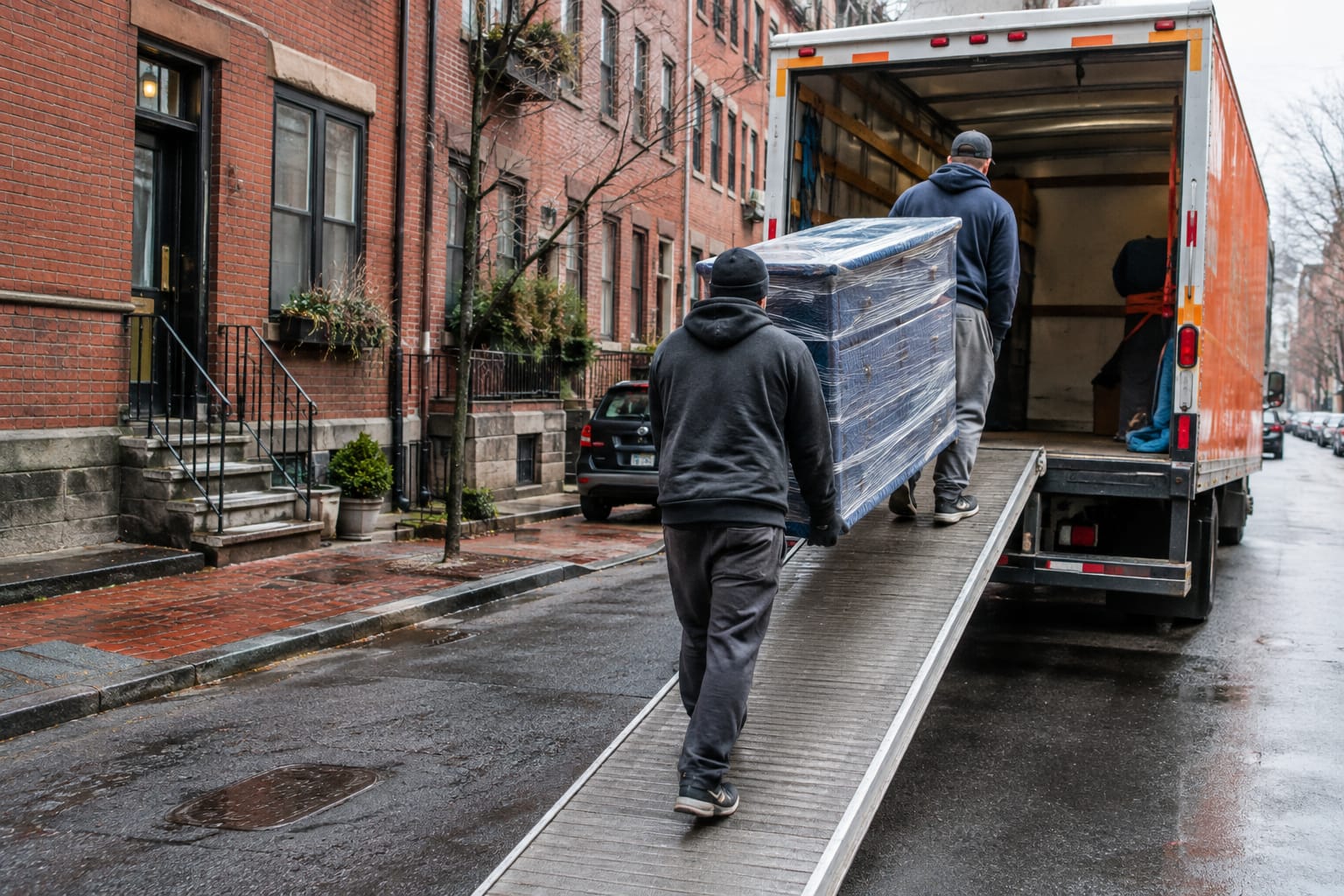
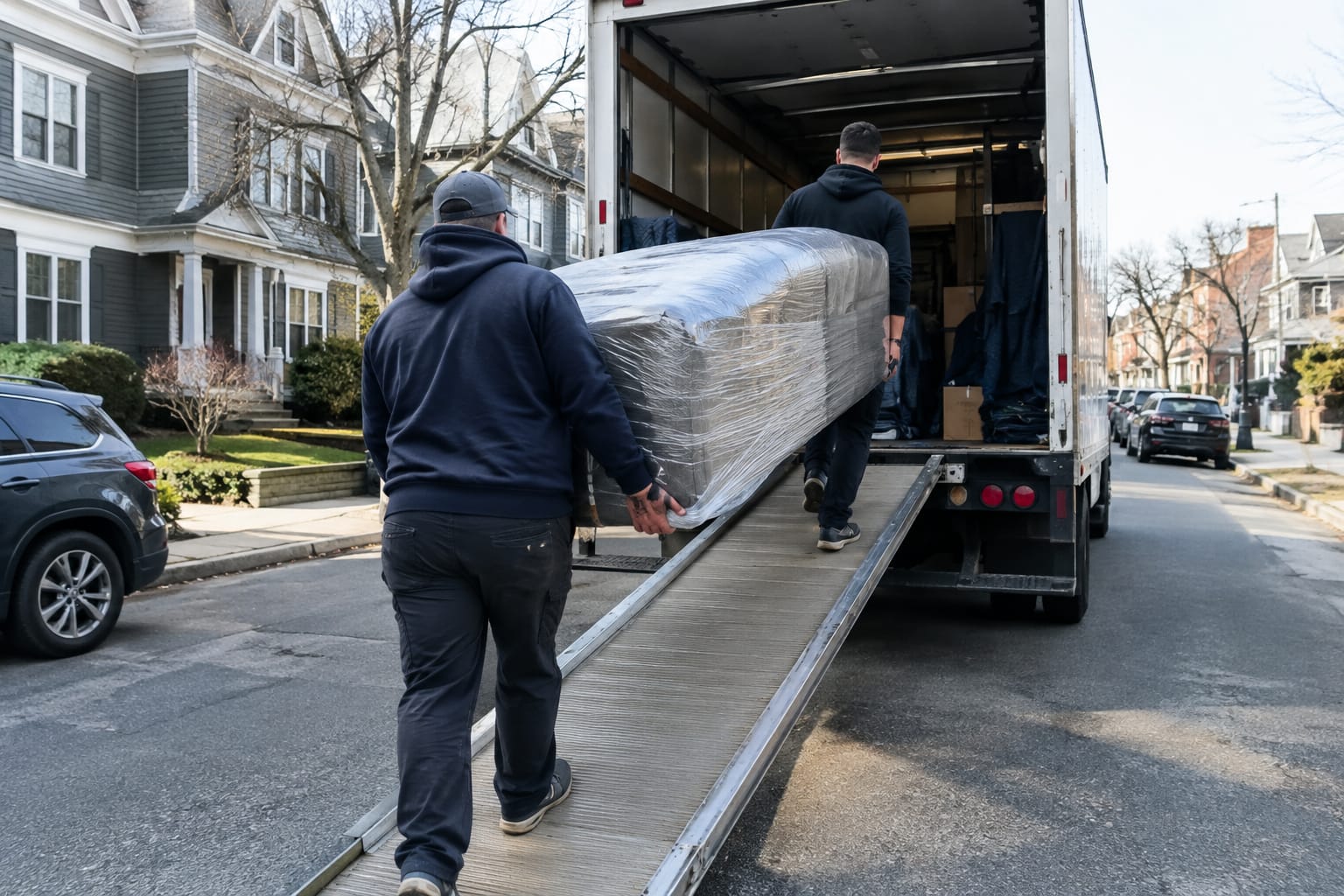
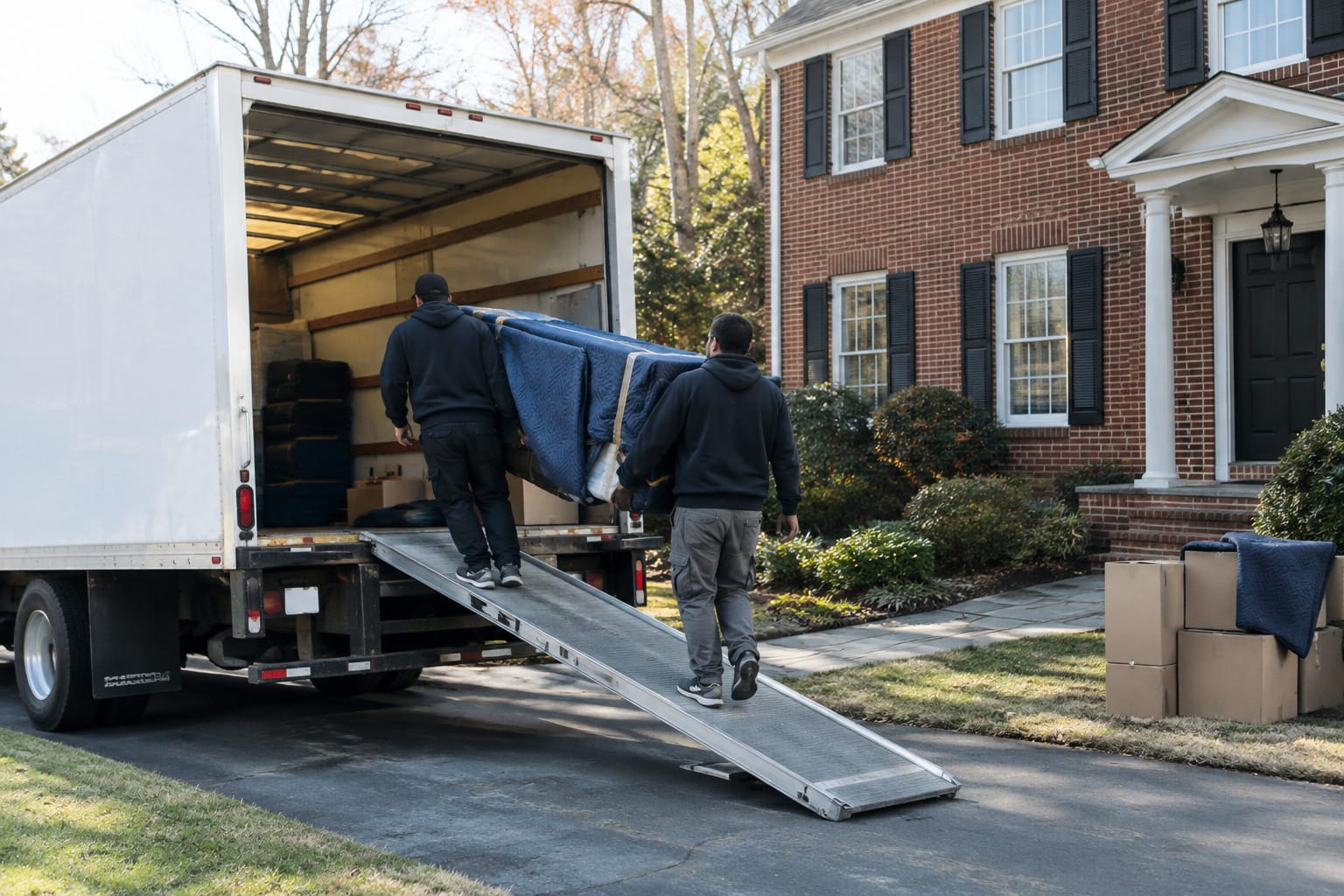
A hybrid move splits the difference: you rent the truck, and a crew handles the heavy lifting. This explainer on hiring someone to move furniture covers what labor-only help involves.
| Option | Who drives | Who lifts | Main September 1 risk |
|---|---|---|---|
| DIY rental truck | You | You and friends | Truck availability, parking, fatigue |
| Rental truck + loading help | You | Hired crew | Booking both truck and crew early |
| Full-service movers | Moving crew | Moving crew | Booking a crew early enough |
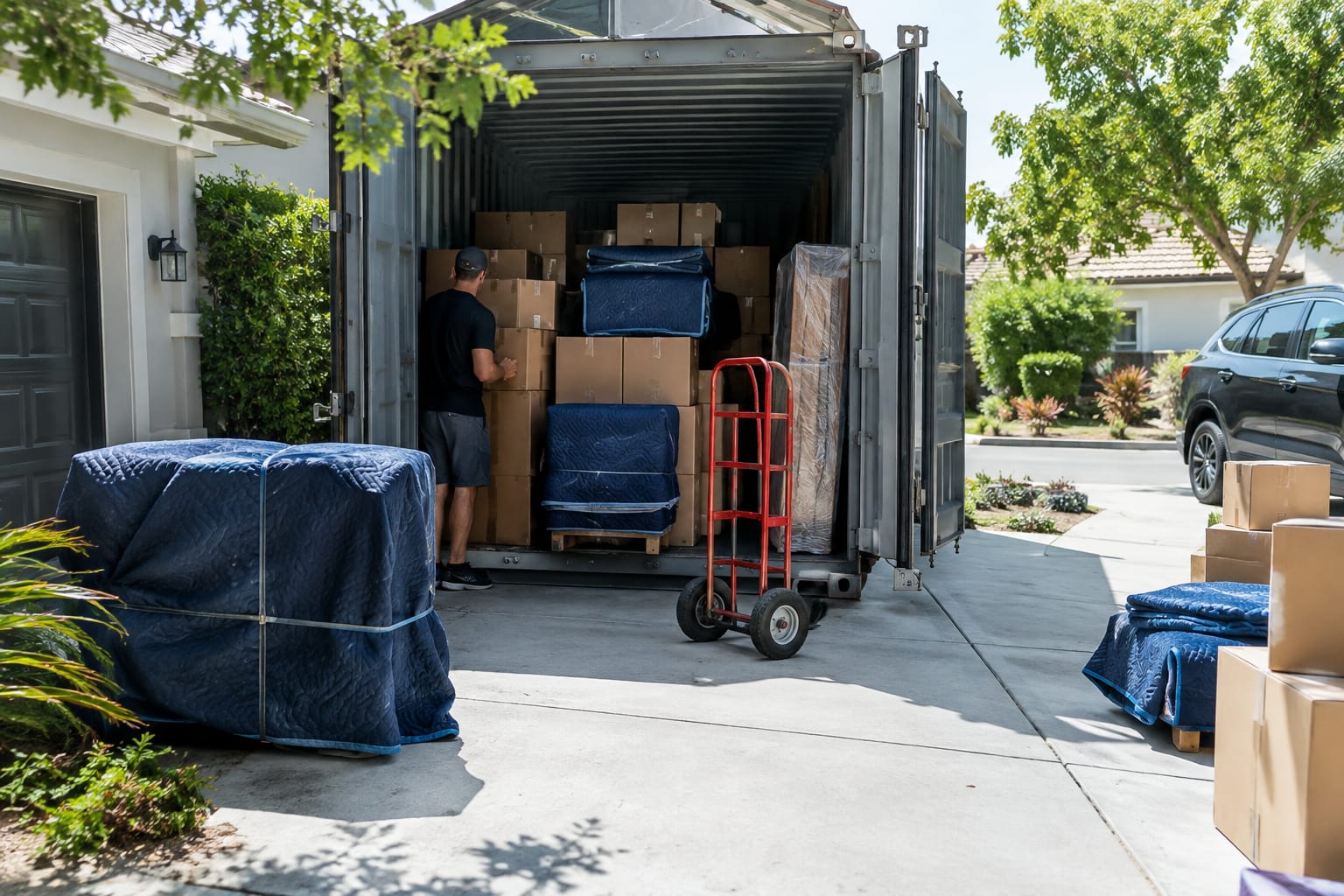
As one reference point, Born to Move's crews also load and unload rental trucks and portable containers, billed hourly. Per its published local rates, full local moves start from $160/hr for 2 movers and a truck, $240/hr for 3 movers and $320/hr for 4 movers, with a 3% card processing fee. A 3-hour minimum including travel time applies, travel time is billed at the same hourly rate, and seasonal rates apply, so confirm the current late-summer rate.
Packing supplies such as boxes, tape, shrink wrap and mattress bags are charged separately by most movers, so budget for them. Use this list of what packing supplies you need to buy them in early August.
Heavy appliances add time on a crowded day. If you are bringing a washer, dryer or refrigerator, review the page on appliance movers in Greater Boston. Schedule a licensed technician to disconnect gas, water or electrical lines before the crew arrives.
What to Confirm in Writing With Your Movers
Verbal promises do not hold up on the busiest day of the year. Before you book, get these details by email or on paper:
- Date and arrival window, plus what happens if the crew runs late from an earlier job
- Crew size and truck, matched to your inventory
- Rate structure: hourly rate, minimum hours, how travel time is billed and any payment fees
- What is included and what costs extra, such as packing supplies, disassembly or heavy items
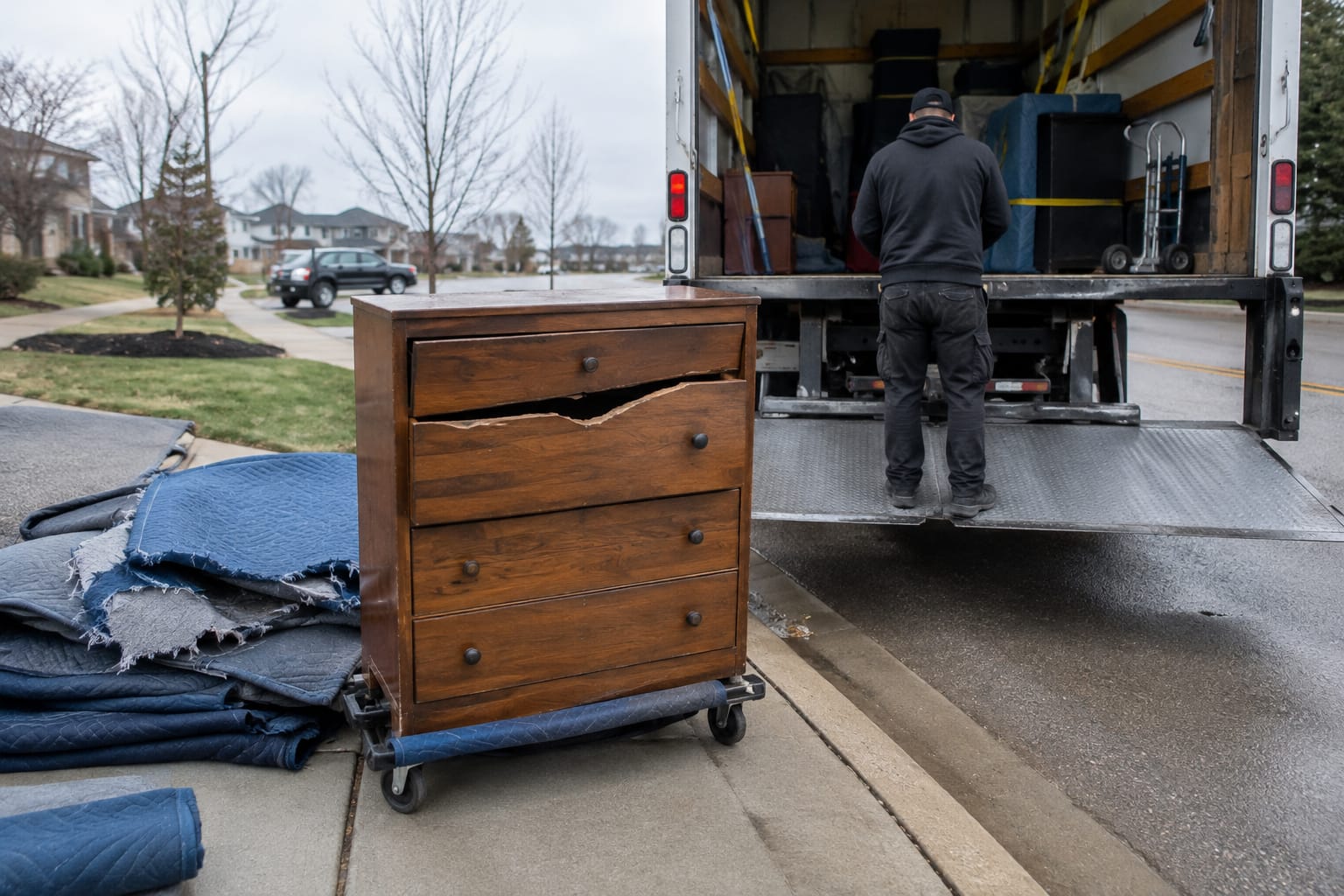
- Valuation level, and what optional extra coverage costs
- Permit responsibility: who applies, who posts signs and what happens if the space is blocked
- Building requirements: elevator times and any certificate of insurance
- Company credentials, using this guide to verifying a mover's USDOT number
Valuation is the item renters misunderstand most. It is not insurance, and extra protection costs more.
If you are moving into Boston from another state, federal rules apply. Confirm the current paperwork requirements for interstate moves with the FMCSA. The FMCSA booklet Your Rights and Responsibilities When You Move explains each document.
For a broader screening process, see how to find a reputable moving company and this breakdown of what movers typically cost.
Key Takeaways
- Book at lease signing. Crews, trucks and elevator slots for September 1 fill months ahead.
- Permits are usually your job. Boston, Cambridge, Somerville and Brookline each run their own process; check official lead times early.
- Reserve both elevators. Outgoing and incoming tenants compete for the same freight elevator.
- Use workarounds. Shift a few days off peak, overlap leases briefly or bridge a gap with storage.
- Go hybrid if you DIY. Keep the rental truck but book loading help, and plan a truck-legal route that avoids Storrow Drive.
- Get everything in writing. Rate, minimums, arrival window, valuation, permits and building rules.
Written by Born to Move Team
Useful Links
- Where Can I Park My Moving Truck in Boston?
- Moving and Storage Services
- 5 Things You Need to Check Before the Move
- How to Find a Reputable Moving Company
- Get a Moving Quote
Need help with this? Appliance Movers Boston · Get a quote · Call (617) 903-2609
Frequently Asked Questions