When you book with us!

You can reschedule your move at anytime

No deposit required to schedule a move!

No cancelation policy

Free visual estimate via FaceTime and on site
COI (certificate of insurance included)
-
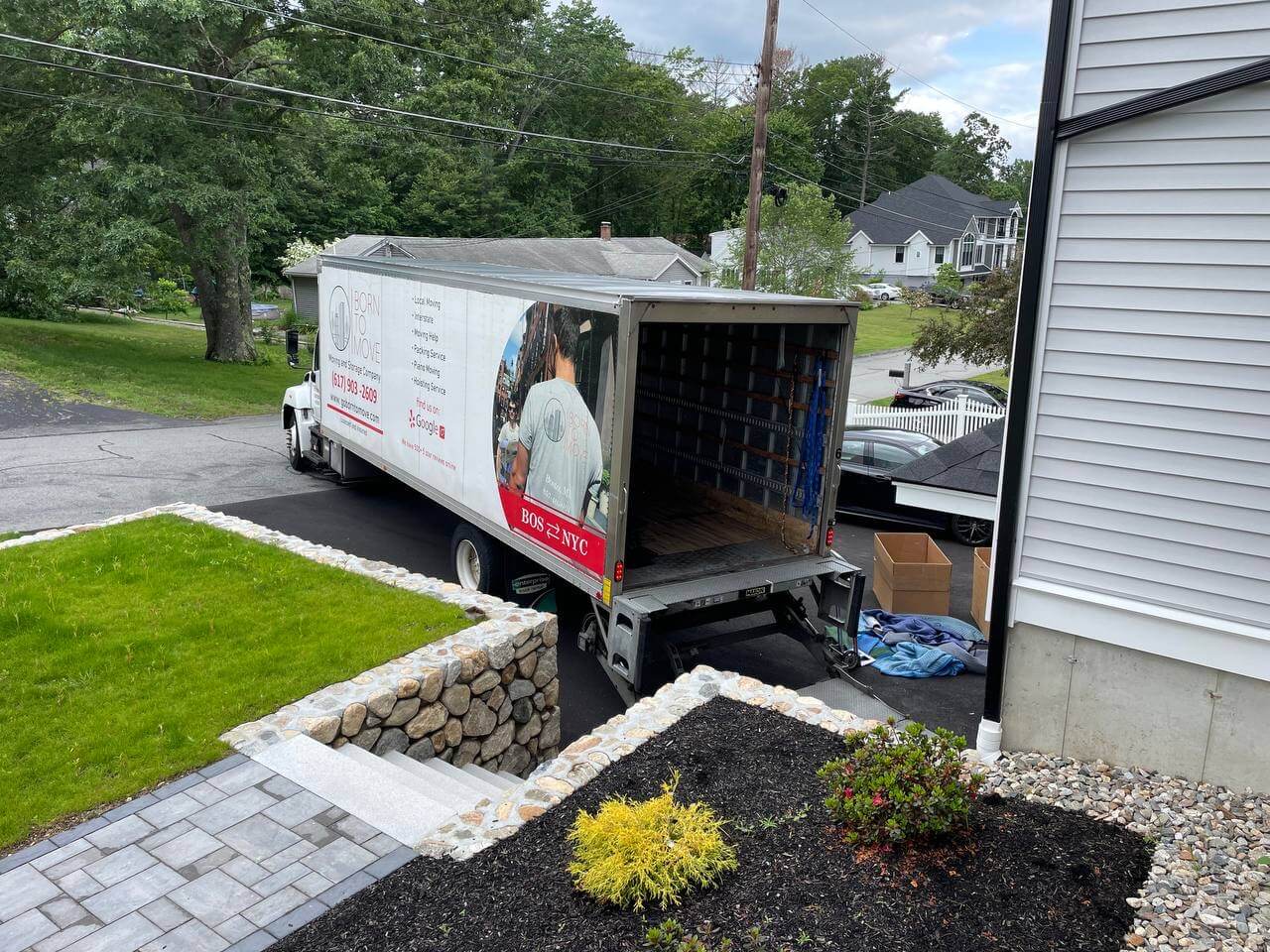
 Truck
Truck -
 Movers
 -
 Gas
Gas -
 Tolls
Tolls -
 Mileage
 -
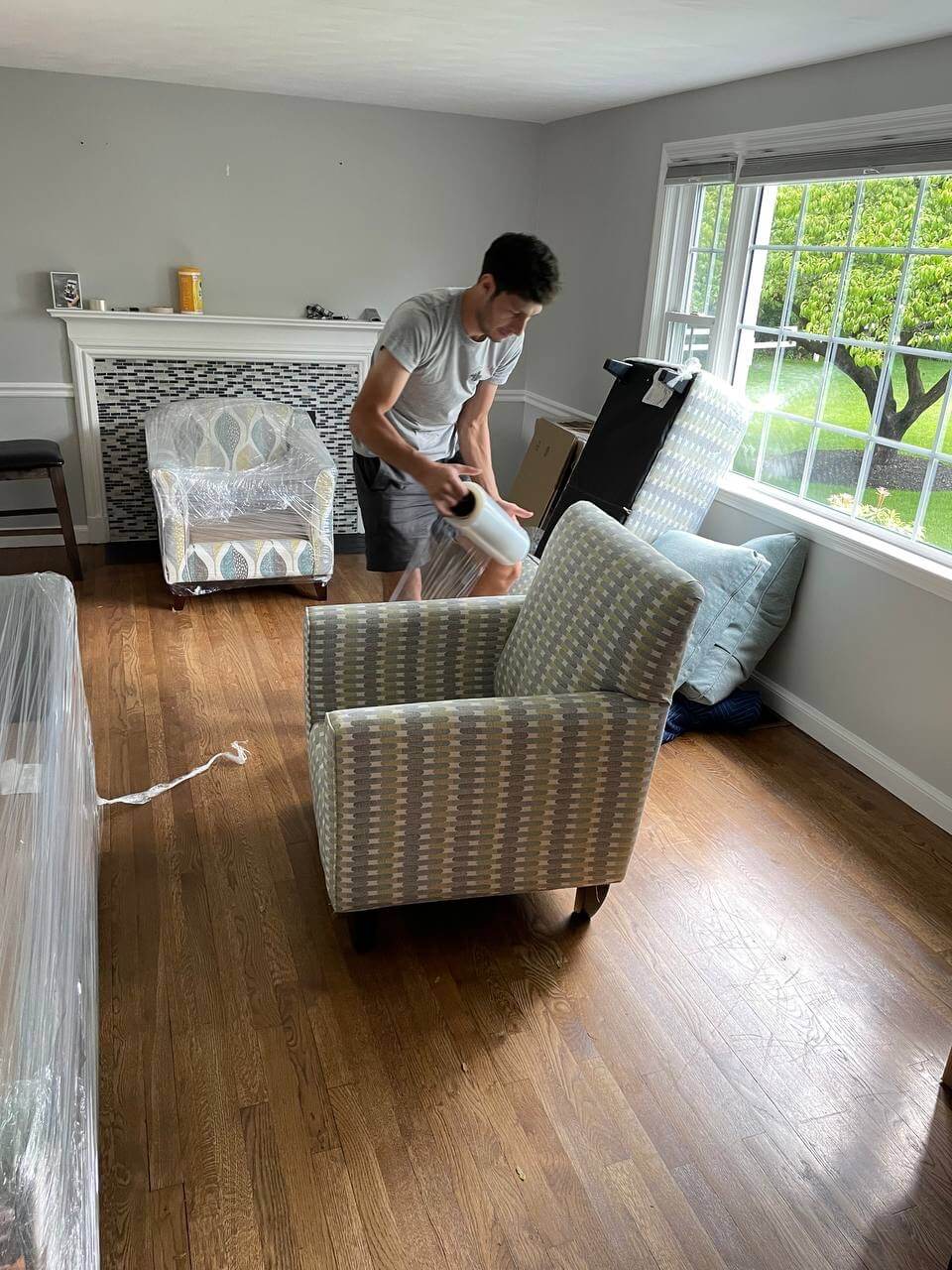
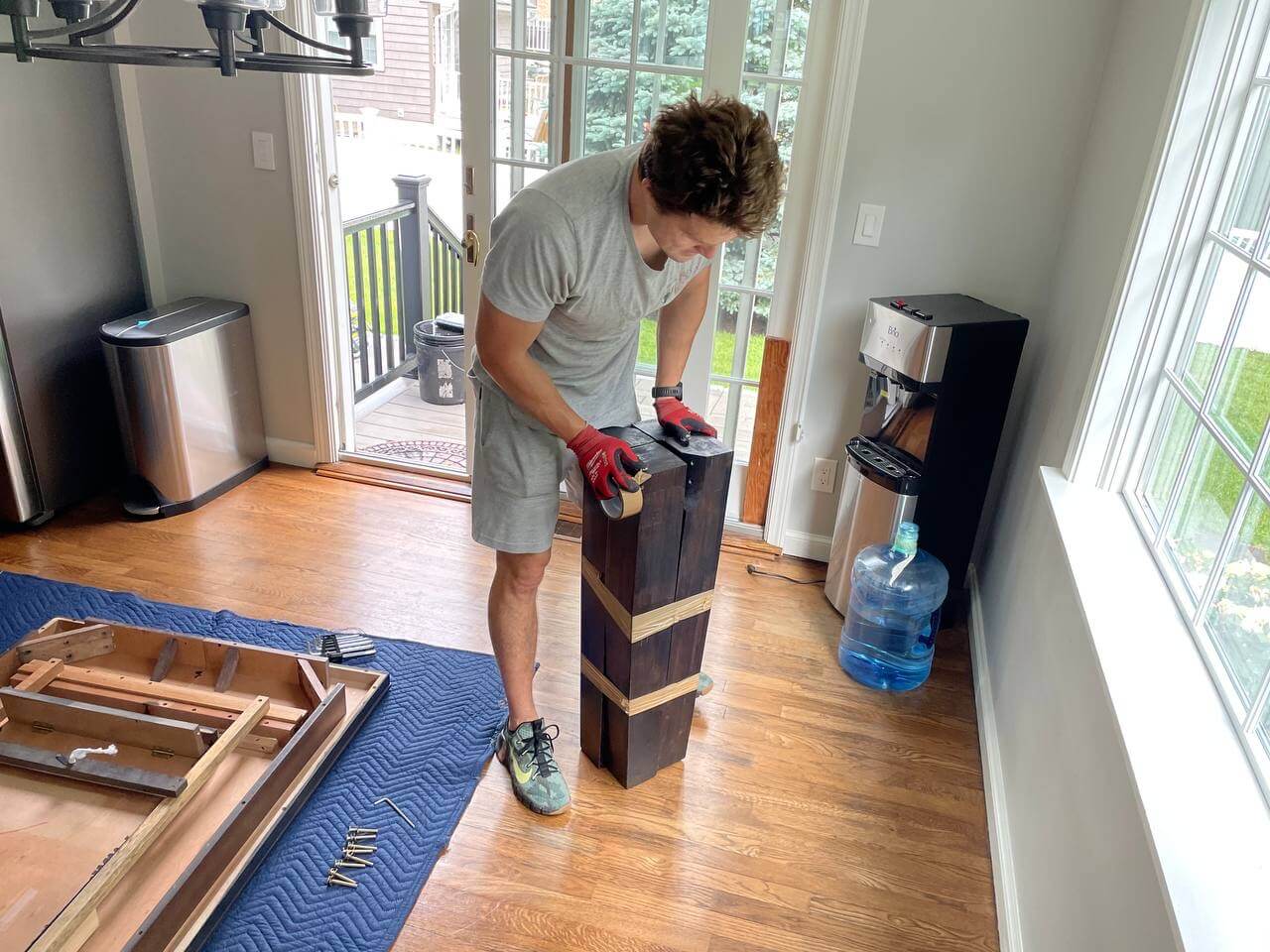
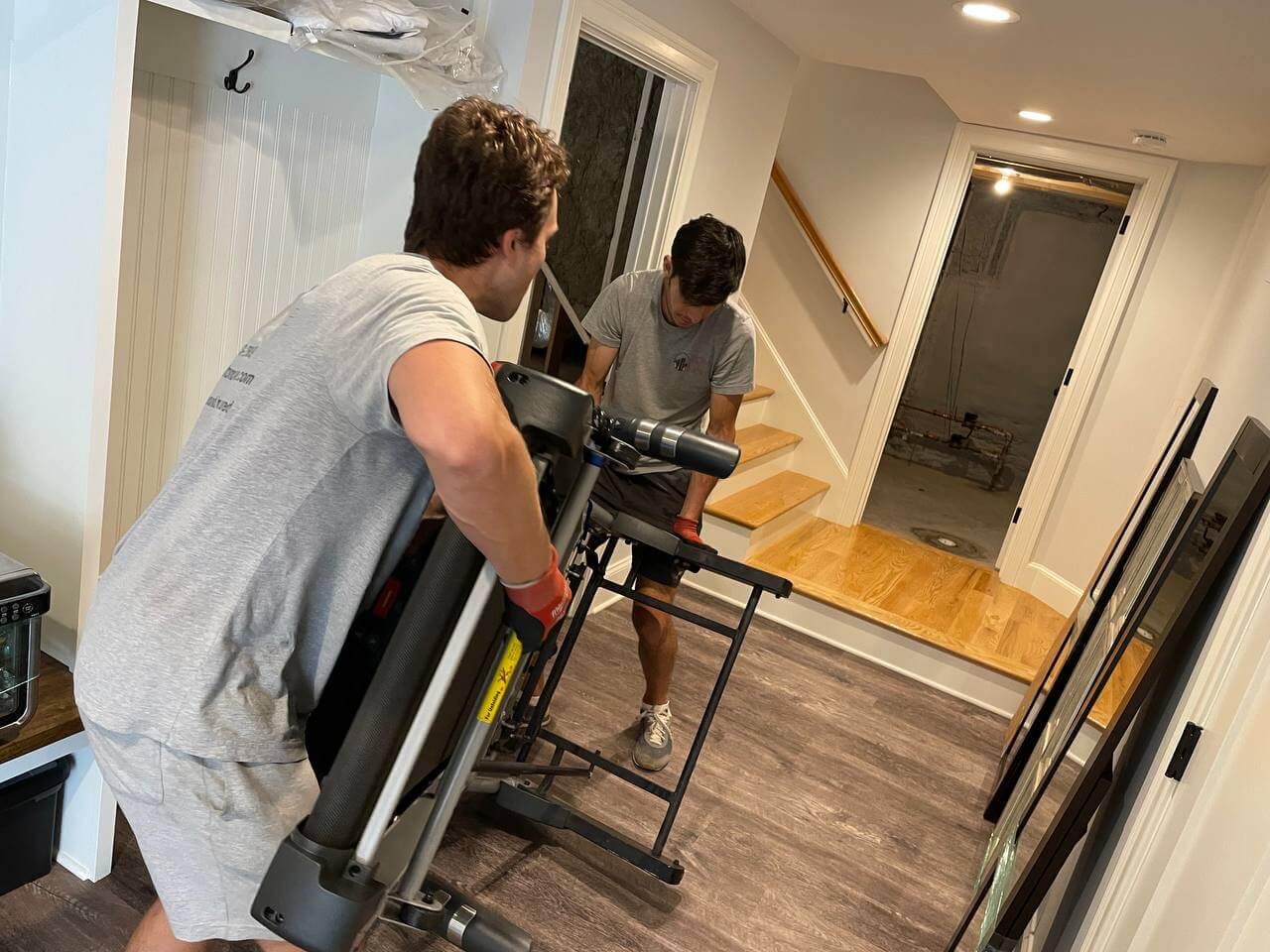
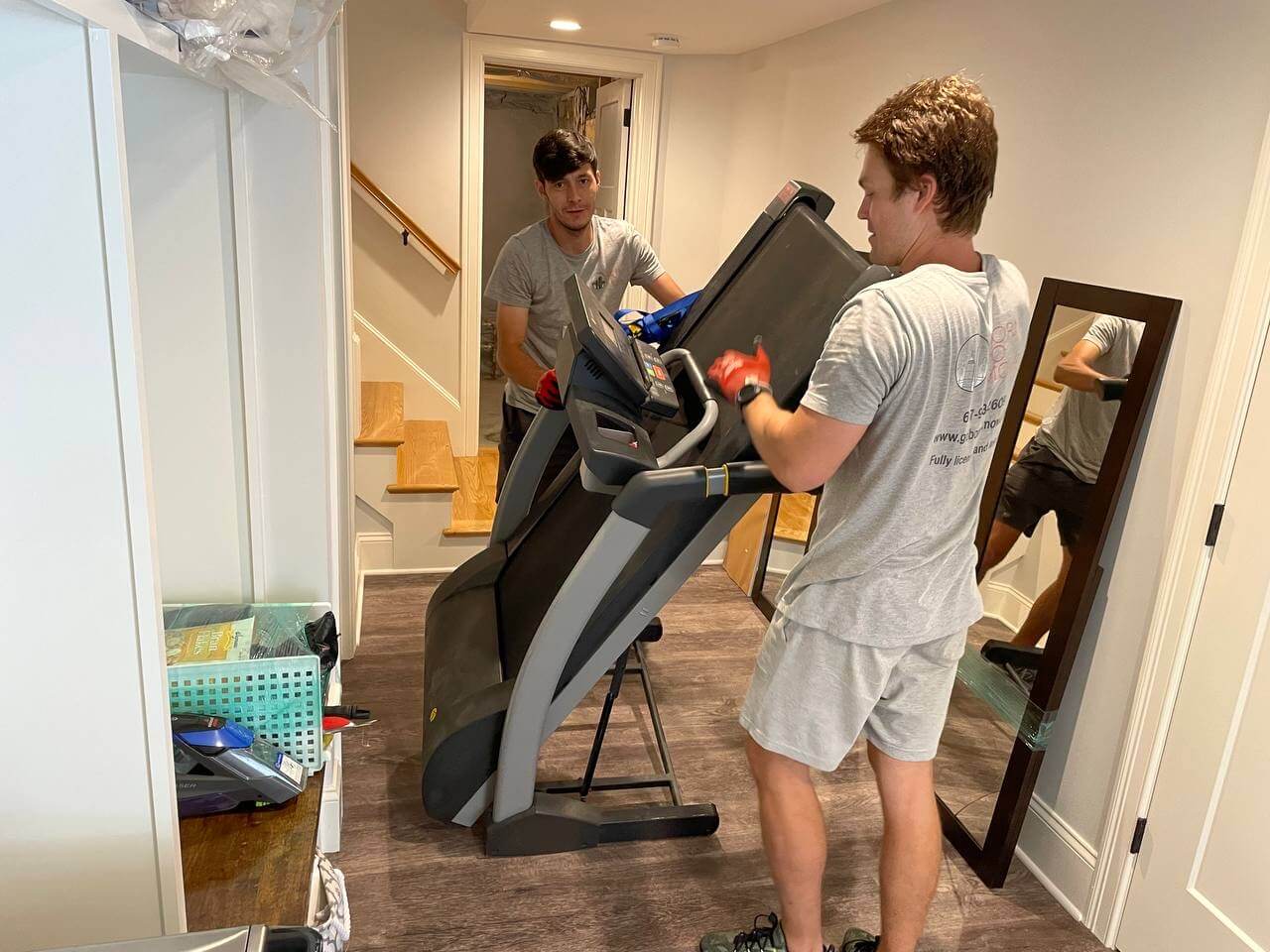
 Furniture packing/unpacking
Long Distance Movers from San Francisco to San Diego
Planning a long-distance relocation and comparing san francisco to san diego movers? The practical difference is not the mileage alone. It is planning: route timing, access coordination, load stabilisation, inventory control, and delivery scheduling that matches building rules on both ends. Born To Move supports long-distance relocations with structured packing, regulated transport, and documented handoff at arrival.
Distance and Moving Time Required Between SF and SD
SF and SD are roughly 502 miles apart. Typical drive time is around 7–8 hours in clear traffic, but a long-distance relocation is not a “single-day drive” task. It involves:
- timing the truck’s arrival around access windows
- confirming loading zones and parking restrictions
- planning for elevator bookings or stair carries
- protecting items for vibration and shifting during extended highway travel
When people search moving from san francisco to san diego, they are usually trying to reduce uncertainty: “How long will it take?” and “What can go wrong?” The answer depends on access conditions, inventory volume, packing scope, and delivery constraints more than the posted mileage.
Why a Long-Distance SF to SD Move Is Operationally Different
Local relocations are often built around short trips and quick adjustments. Long-distance work requires fewer improvisations and more verified steps.
Route planning is not just navigation
Professional crews plan around realistic choke points and delivery windows rather than assuming a clean freeway run. Dispatch planning typically includes buffer time for:
- peak traffic bands
- road works and detours
- time needed for secure re-checks during transit
- legally required breaks for commercial driving
Access conditions decide the pace
Two moves with the same inventory can vary widely if one has a narrow driveway, long carry distance, tight stair turns, or building rules that limit working hours.
Packing has to survive distance
Extended highway travel changes how items need to be packed. The goal is not “wrapped once” but stabilised, layered, and protected for vibration and shifting.

Who Uses Long-Distance Services Between SF and SD
People book long-distance services for different reasons, but the operational needs are similar: clear scope, predictable timing, and reduced handling risk.
Common scenarios include:
- professionals relocating for work
- families changing housing size or school district
- students relocating between campuses or programmes
- retirees transitioning to a different climate and pace
- remote workers moving for lifestyle reasons
- time-sensitive housing changes that require fast coordination
What Born To Move Covers in SF to SD Relocations
Born To Move offers full-scope relocation support with optional add-ons, so the plan matches the property type and the client’s timeline.
Residential relocation
Residential moves can include apartments, condos, townhomes, and single-family homes. Core steps generally include:
- inventory walk-through or video assessment
- packing plan (client-packed, partial packing, or full packing)
- protective preparation for furniture and fragile items
- structured loading sequence (heavy base, stable middle, protected top)
- arrival placement per room or per label plan
White-glove handling for delicate belongings
For clients with high-value or fragile items, white-glove handling focuses on reduced contact points and controlled placement. Typical measures include:
- custom padding for edges and corners
- reinforced wrapping for glass and framed items
- separate staging for artwork and electronics
- careful placement at destination to reduce re-handling
Storage options when timing does not align
If the destination is not ready on delivery day, storage can be integrated as a planned step rather than a last-minute scramble. This is particularly useful when lease dates, renovation schedules, or building booking slots do not match the pickup date.
Load Security and Item Protection for Long Highway Travel
Long-distance transport introduces predictable stresses: vibration, micro-shifts, and repeated braking/acceleration. The packing method has to account for that.
Practical safeguards often include:
- tight void fill to prevent internal box collapse
- strapping strategies that minimise shifting in transit
- separate zones for fragile cartons to avoid compression
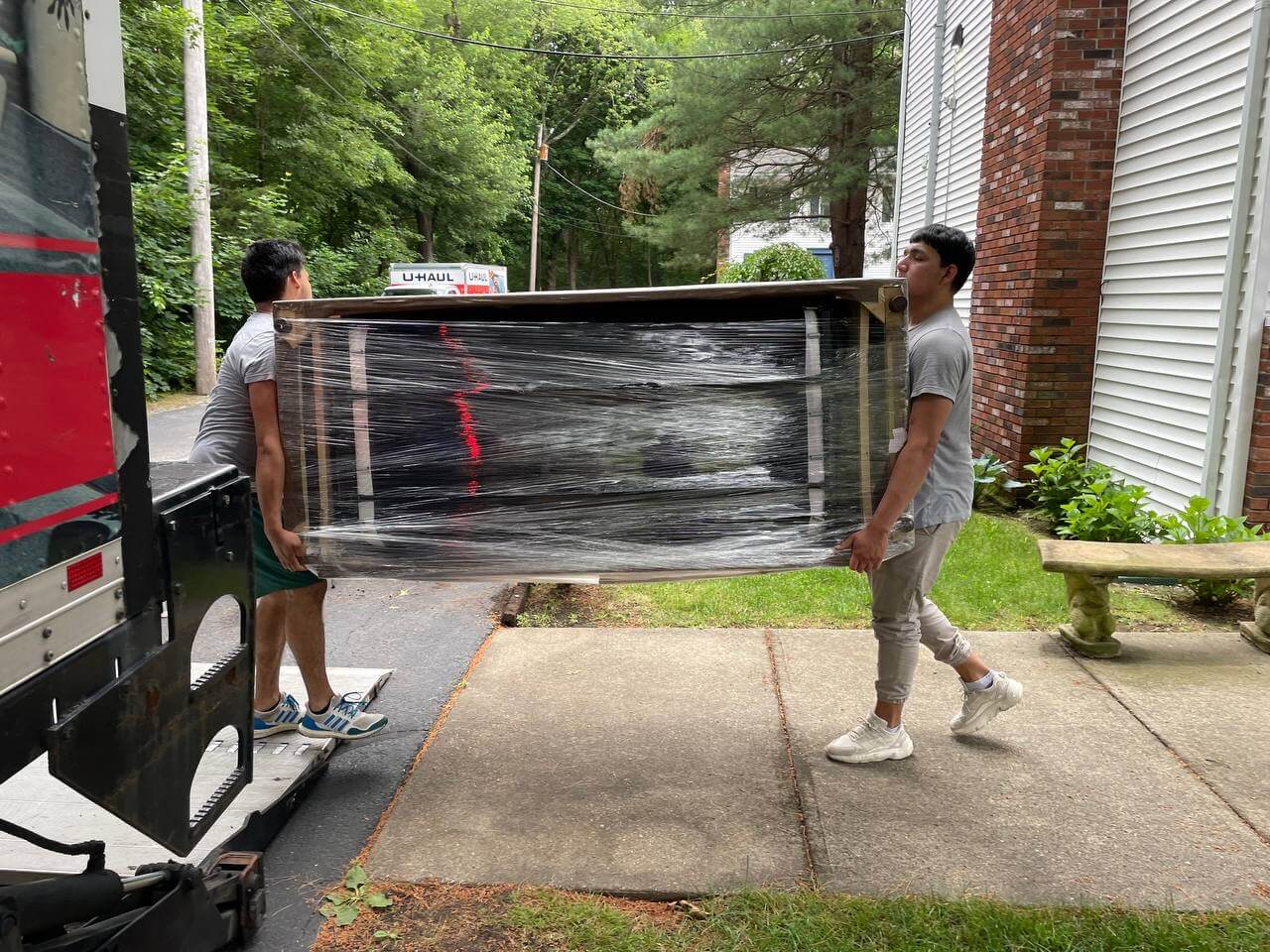
- wrapping furniture to reduce abrasion and scuffing
- using a consistent labelling logic to reduce “search handling” during unloading
This is one reason clients prefer professional support for moving from sf to san diego rather than treating it like a short local project.
Scheduling, Building Rules, and Delivery Windows
A smooth long-distance relocation depends on two confirmations that people often overlook:
- Departure access
- Arrival access
Many apartment buildings require elevator reservations, proof of insurance, or approved time windows. Some HOAs limit truck size, restrict parking, or require protective floor coverings in common areas. When these constraints are confirmed early, the plan is cleaner and the day runs more predictably.
Cost and Budgeting for a Long-Distance Relocation
Clients usually want a direct number, but long-distance pricing is scope-based. The cost of moving from san francisco to san diego depends on practical drivers such as:
- inventory volume and weight range
- packing level (none, partial, full packing)
- stairs, elevators, and long carry distances
- specialty items (pianos, large mirrors, fragile art, safes)
- whether storage is needed between dates
Many readers ask the same question in plain terms: how much does it cost to move from san francisco to san diego.The most accurate answer comes from an inventory-based estimate, because scope matters more than a generic “per-mile” idea.
A Clear Booking Process for Long-Distance Relocation
Born To Move follows a structured workflow so the plan is defined before the truck arrives.
Step 1: Quote and scope confirmation
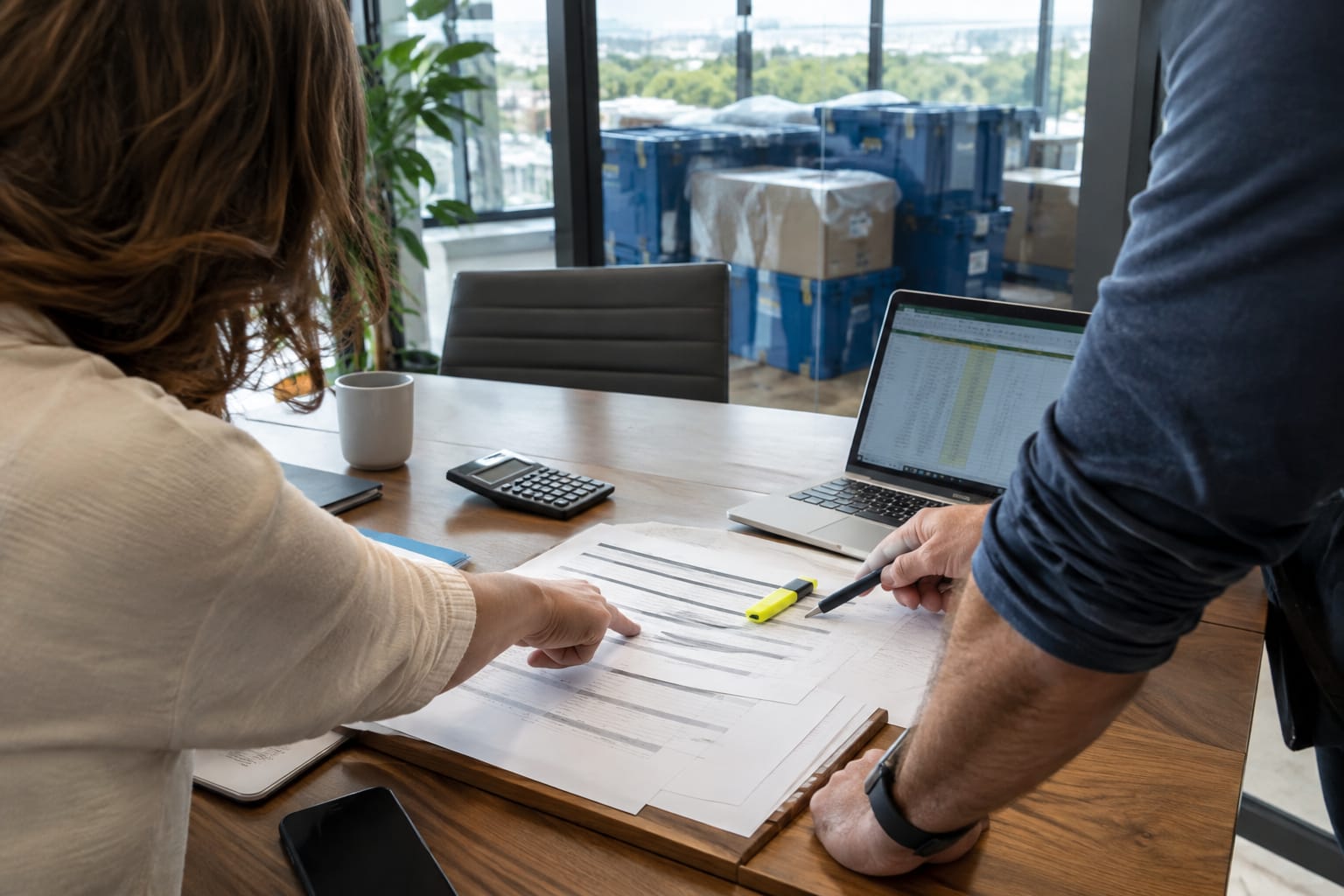
A quote is prepared based on inventory, access notes, packing needs, timing constraints, and any special handling. Video estimates can be used when an on-site visit is not practical.
Step 2: Preparation and packing plan
If packing is included, materials and packing order are scheduled. Items are protected with a consistent method to reduce damage risk during loading and transit.
Step 3: Loading, transport, and delivery placement
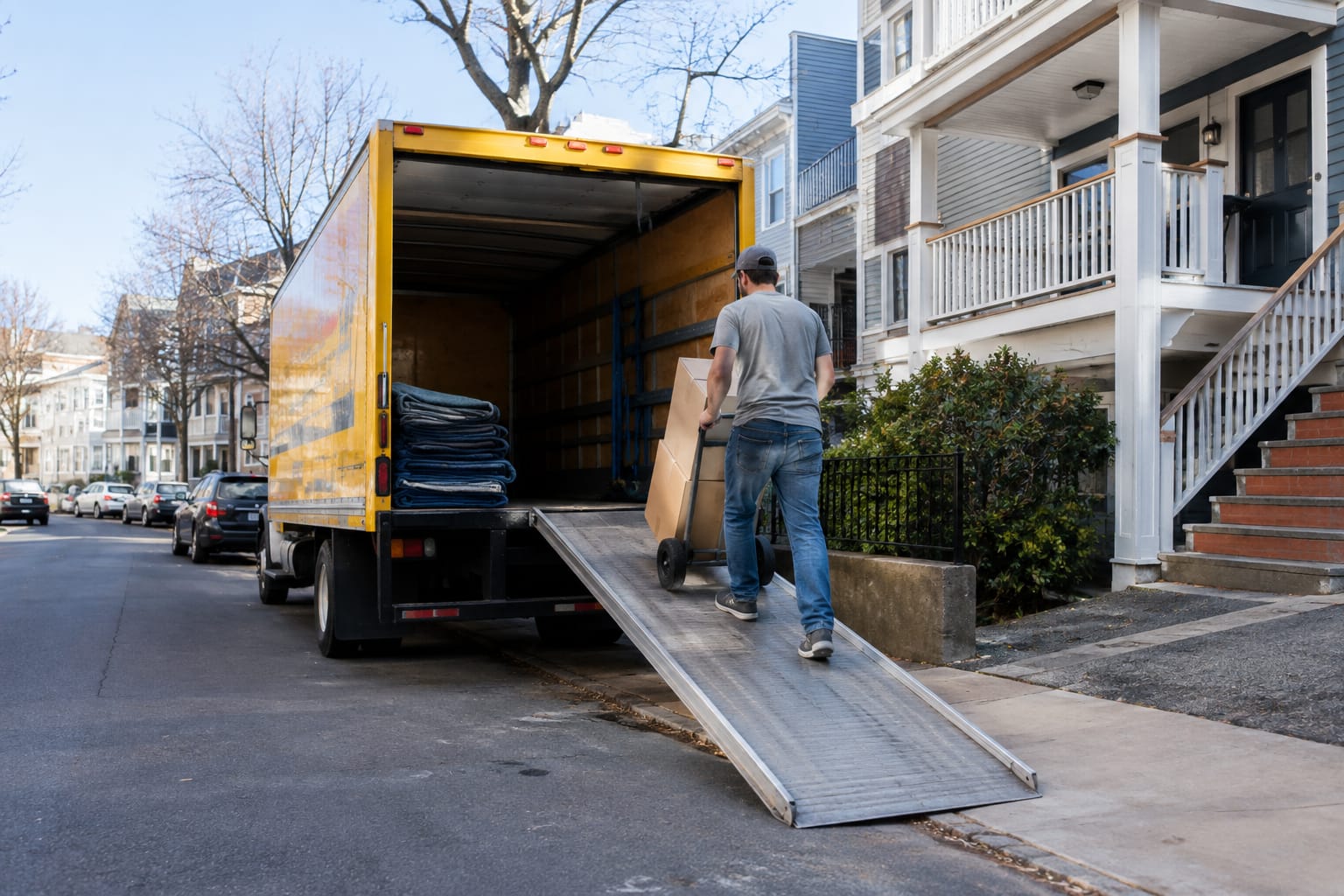
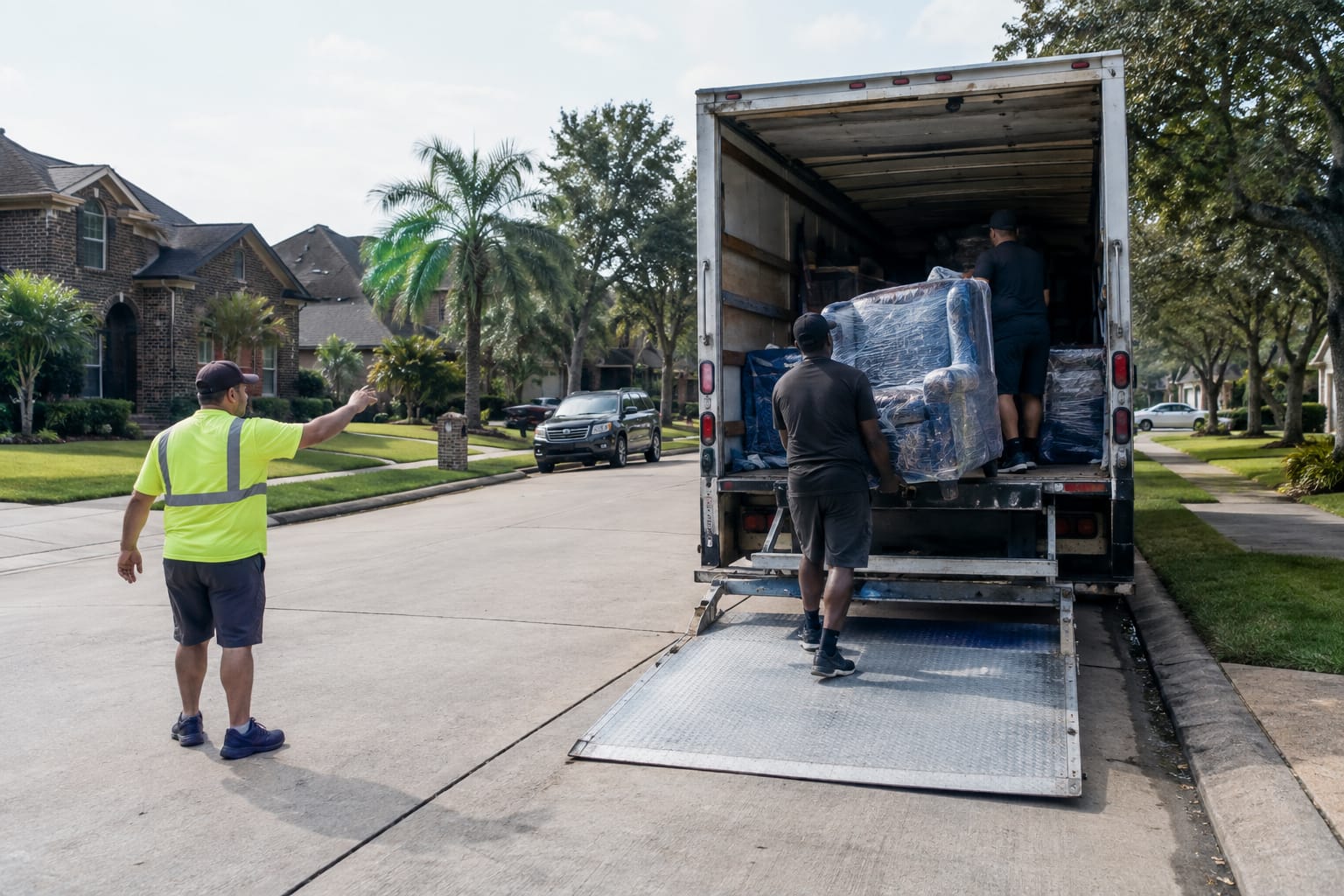
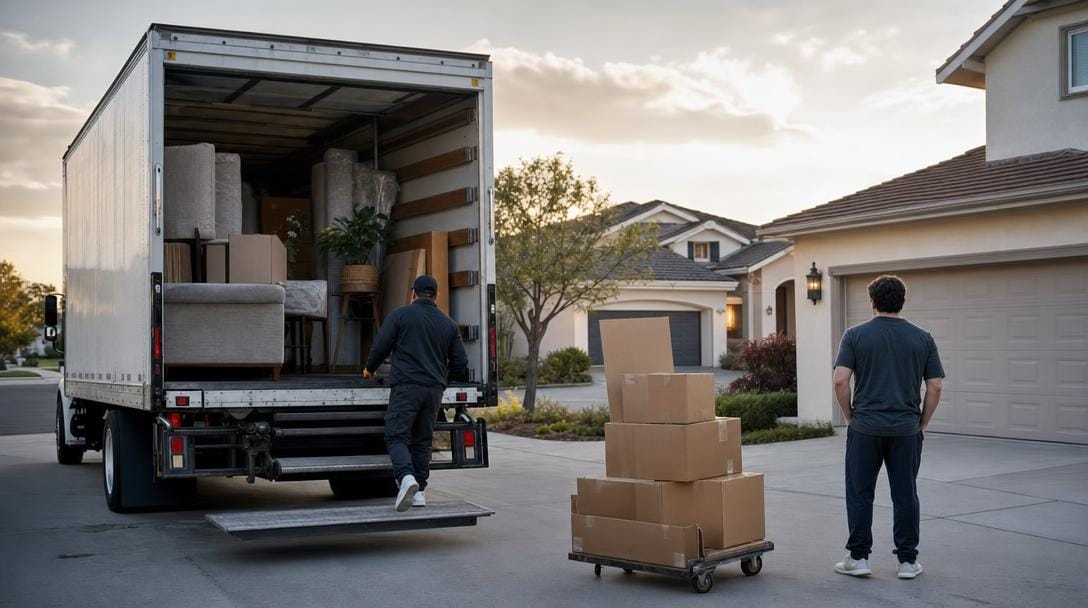
The crew loads in a controlled sequence and confirms stability before departure. On arrival, items are unloaded according to the label plan and placed as requested to reduce unnecessary re-handling.
What Makes a Long-Distance Move Lower-Risk
A lower-risk relocation is not defined by optimistic promises. It is defined by fewer unknowns on move day.
A practical checklist before pickup:
- confirm truck access (street width, driveway clearance, loading zone rules)
- confirm building booking requirements (elevator slot, COI, working hours)
- separate valuables and essentials for personal transport
- identify fragile/high-value items for dedicated protection
- confirm arrival contact details and placement preferences
Summary for People Comparing Options
If you are researching moving from san francisco to san diego, the most useful comparison is not marketing language. It is process clarity: how the company evaluates scope, how it protects items for long-distance travel, and how it coordinates access and timing on both ends.
If you want, I can also format the same content into your preferred “AI Overview-friendly” blocks (short answer + bullets + one table) while keeping the “san” density under 3% and maintaining the exact key phrases above.