'%3E%3Cpath%20fill='%231B2A47'%20d='M1.605%2016.263c.03-1.139.059-2.482.088-3.971.03-1.49.03-2.832.03-4.03%200-.758%200-1.576-.03-2.51%200-.905-.03-1.84-.03-2.803%200-.496-.028-.964-.028-1.43%200-.468%200-.906-.03-1.315h6.858q2.188%200%203.589.35c.963.234%201.663.643%202.13%201.198.496.555.73%201.372.73%202.394%200%20.788-.176%201.46-.497%201.985-.32.526-.846.935-1.575%201.197-.73.292-1.693.468-2.918.526v.263c1.313.087%202.334.263%203.122.525.758.263%201.342.672%201.692%201.197.35.526.525%201.197.525%202.044%200%201.08-.233%201.927-.67%202.57-.468.642-1.139%201.08-2.102%201.343-.933.262-2.159.408-3.705.408H1.605zm6.537-9.197q1.882%200%202.713-.526c.555-.35.817-.934.817-1.752%200-.905-.292-1.547-.846-1.927s-1.459-.554-2.655-.554H4.757v4.759zm.204%206.92c.934%200%201.663-.088%202.217-.263.555-.176.934-.438%201.197-.818s.38-.876.38-1.518c0-.876-.322-1.49-.934-1.84-.643-.35-1.635-.525-3.035-.525H4.757v4.963zM21.038%2016.555c-1.576%200-2.801-.292-3.618-.905-.817-.614-1.284-1.519-1.372-2.745-.087-1.226.205-2.774.847-4.613s1.43-3.358%202.392-4.584c.963-1.226%202.043-2.131%203.298-2.744C23.839.292%2025.24%200%2026.786%200c1.576%200%202.772.321%203.59.934.816.613%201.283%201.548%201.37%202.774s-.203%202.774-.845%204.613c-.642%201.81-1.43%203.358-2.393%204.584s-2.072%202.132-3.297%202.745a9.8%209.8%200%200%201-4.173.905m.788-2.278c.642%200%201.138-.058%201.371-.116.205-.059.496-.117.847-.322.262-.146.437-.292.554-.408.204-.175.32-.292.438-.41.204-.203.35-.408.496-.583.35-.438.642-.876.963-1.402.233-.408.466-.817.67-1.284.205-.438.38-.905.555-1.372.438-1.198.671-2.278.671-3.183s-.204-1.606-.612-2.131c-.409-.497-1.051-.76-1.897-.76-.467%200-.934.059-1.43.205h-.03c-1.02.292-1.925%201.226-2.042%201.372-.116.117-.467.526-.963%201.343a15.5%2015.5%200%200%200-1.342%202.92c-.408%201.197-.642%202.277-.671%203.182-.03.906.175%201.636.584%202.161q.611.788%201.838.788M14.853%2038.54c-1.576%200-2.802-.292-3.619-.905s-1.284-1.518-1.371-2.744c-.088-1.227.204-2.774.846-4.614s1.43-3.357%202.393-4.584%202.042-2.13%203.297-2.744c1.255-.613%202.655-.905%204.173-.905%201.575%200%202.772.321%203.589.934s1.284%201.548%201.371%202.774c.088%201.226-.204%202.774-.846%204.613-.642%201.81-1.43%203.358-2.393%204.584s-2.072%202.131-3.297%202.745c-1.226.613-2.626.846-4.143.846m.787-2.277c.642%200%201.138-.059%201.372-.117.204-.058.496-.117.846-.321.263-.146.438-.292.554-.409.205-.175.321-.292.438-.409.204-.204.35-.408.496-.584a13%2013%200%200%200%201.634-2.686c.204-.438.38-.905.555-1.372.437-1.197.67-2.277.67-3.182%200-.906-.203-1.606-.612-2.132-.409-.496-1.05-.759-1.897-.759-.467%200-.934.058-1.43.204h-.029c-1.021.292-1.925%201.227-2.042%201.373-.117.116-.467.525-.963%201.343a15.5%2015.5%200%200%200-1.342%202.92c-.409%201.196-.642%202.277-.671%203.182s.175%201.635.583%202.16q.613.789%201.838.789'/%3E%3Cpath%20fill='%23FF515E'%20d='M55.966%2038.57c-1.576%200-2.801-.293-3.618-.906s-1.284-1.518-1.372-2.744c-.087-1.227.204-2.774.846-4.613s1.43-3.358%202.393-4.584c.963-1.227%202.043-2.132%203.297-2.745s2.656-.905%204.173-.905c1.576%200%202.772.321%203.589.934s1.284%201.548%201.371%202.774c.088%201.226-.204%202.774-.846%204.613-.642%201.81-1.43%203.358-2.393%204.584s-2.071%202.131-3.297%202.745c-1.225.613-2.626.846-4.143.846m.788-2.249c.642%200%201.138-.058%201.371-.117.204-.058.496-.116.846-.32.263-.147.438-.293.555-.41a7%207%200%200%200%20.437-.408c.205-.205.35-.41.496-.584a13%2013%200%200%200%201.634-2.686c.205-.438.38-.905.555-1.373.438-1.197.671-2.277.671-3.182s-.204-1.606-.613-2.131c-.408-.497-1.05-.76-1.896-.76-.467%200-.934.059-1.43.205h-.03c-1.02.292-1.925%201.226-2.042%201.372-.117.117-.467.526-.963%201.343a15.5%2015.5%200%200%200-1.342%202.92c-.409%201.197-.642%202.277-.671%203.182s.175%201.635.583%202.16q.614.79%201.839.79'/%3E%3Cpath%20fill='%231B2A47'%20d='M33.06%2016.263c0-.35%200-.935.03-1.81.029-1.051.058-2.103.058-3.154s.03-2.073.03-3.007c0-1.606-.03-3.27-.06-4.993%200-.554-.028-1.08-.028-1.606%200-.525-.03-1.021-.03-1.46h6.828c1.46%200%202.685.117%203.59.38q1.4.394%202.1%201.314.7.963.7%202.628c0%20.992-.174%201.81-.554%202.452-.35.643-.904%201.11-1.604%201.431s-1.576.467-2.627.496v.263q2.058.087%203.064.876c.671.525%201.138%201.372%201.43%202.51.087.41.233%201.023.467%201.84.233.818.408%201.431.554%201.84h-3.414a11%2011%200%200%200-.262-1.022c-.321-1.314-.526-2.19-.584-2.628a5%205%200%200%200-.642-1.46%202.13%202.13%200%200%200-.963-.73c-.408-.146-.934-.233-1.605-.233h-3.326v6.0440000000000005H33.06zm6.332-8.292c1.343%200%202.276-.205%202.86-.613.554-.41.846-1.11.846-2.073%200-.73-.146-1.314-.408-1.723-.263-.409-.671-.7-1.197-.876q-.788-.263-2.1-.263h-3.181v5.519h3.18zM49.4%2016.263l.03-2.745c.029-2.452.029-4.905.029-7.416q0-2.101-.088-5.868h4.085l5.924%2010.335c.087.234.204.438.291.643.117.204.205.408.321.613.38.788.613%201.255.672%201.372h.262c0-.058-.03-.146-.03-.204%200-.059-.028-.117-.028-.175a75%2075%200%200%201-.175-1.314%2010%2010%200%200%201-.088-1.285c0-1.547%200-3.737-.029-6.57V1.84c0-.584-.03-1.11-.03-1.576h2.977c-.03%202.482-.058%205.08-.058%207.766%200%201.694%200%204.438.029%208.292h-4.027l-5.573-9.43c-.875-1.81-1.226-2.511-1.05-2.132-.263-.613-.467-1.08-.613-1.46h-.263c.058.35.117.876.175%201.548.059.7.117%201.168.117%201.46%200%202.978%200%206.306.029%209.985H49.4zM4.698%2038.277c.029-2.627.058-5.255.058-7.883%200-1.576%200-3.503-.029-5.752-1.109%200-2.684%200-4.727.03v-2.453h12.664v2.453c-1.955-.03-3.53-.03-4.756-.03%200%20.584-.03%201.227-.03%201.957s0%201.46-.029%202.218v1.84c0%202.57.03%205.11.059%207.62z'/%3E%3Cpath%20fill='%23FF515E'%20d='M29.441%2038.277c.409-1.05.788-2.102%201.168-3.182s.787-2.16%201.167-3.241c.613-1.693%201.05-2.949%201.342-3.766l1.255-3.65c.116-.38.262-.788.379-1.139.117-.38.263-.73.38-1.05h4.61l-.671%2012.904h.262l8.316-12.905h4.669l-.7%201.869c-.876%202.452-1.343%203.766-1.43%204a501%20501%200%200%200-3.385%2010.16h-2.947c.292-.846.788-2.219%201.459-4.087.175-.526.35-1.08.554-1.606.175-.526.38-1.08.555-1.577.642-1.81%201.342-3.825%202.072-6.014h-.234l-8.724%2013.314h-2.86l.554-13.314h-.175c-.175.496-.38.992-.554%201.489-.175.496-.38%201.022-.555%201.547a163%20163%200%200%200-1.08%203.008c-.145.38-.262.759-.408%201.138-.117.38-.262.73-.408%201.11-.7%201.898-1.284%203.59-1.751%205.05h-2.86zM68.047%2038.277c.175-2.19.32-4.525.467-7.007.058-.905.204-3.912.467-9.051h3.151c-.03.438-.058.934-.088%201.46s-.058%201.08-.087%201.693a264%20264%200%200%201-.409%206.657c-.145%201.986-.35%203.591-.583%204.788h.175Q72.147%2034.892%2073.94%2032a562%20562%200%200%201%204.465-7.066c.32-.496.641-.992.933-1.46s.555-.875.817-1.255h3.268q-.568.832-1.138%201.752c-.408.613-.787%201.255-1.196%201.927-3.88%206.014-6.478%2010.131-7.85%2012.35h-5.193zM79.106%2038.277c.32-.788.758-2.014%201.37-3.65a287%20287%200%200%200%201.577-4.32c.437-1.256.904-2.628%201.4-4.088s.934-2.774%201.313-3.97h11.322l-.846%202.364H87.1l-1.664%204.847%207.645-.088-.612%201.694-7.587-.088-1.75%204.934h8.286l-.846%202.365z'/%3E%3C/g%3E%3Cdefs%3E%3CclipPath%20id='a'%3E%3Cpath%20fill='%23fff'%20d='M0%200h96v40H0z'/%3E%3C/clipPath%3E%3C/defs%3E%3C/svg%3E)
Moving truck permits in Boston are not legally required, but a permit is how you secure a legal parking spot for your truck on moving day. According to the City of Boston Parking Clerk, you request it through the city's "Reserve A Parking Spot for Your Moving Truck" process. Apply early and confirm current fees there.
Boston's dense neighborhoods, one-way blocks and resident-only parking make an unplanned move risky. One car parked in the space you needed can force a crew to carry everything farther or wait, and on an hourly move that time is billed. This guide covers what the permit does, how to request it, what to check on cost and timing, and the local hazards to plan around.
| Point | Details |
|---|---|
| Is a permit required? | No. The City of Boston Parking Clerk states a moving truck permit is not required, but it guarantees you a legal parking spot for the day of the move. |
| Where to start | The Parking Clerk page links to "Reserve A Parking Spot for Your Moving Truck" and the city's Moving Truck Permit FAQs. |
| Right permit type | Check the Parking Clerk page to make sure you request the right permit. |
| Lead time | Check the city's FAQs for current timing and apply as early as you can. |
| Fees | Confirm the current fee on the city's page before you budget. |
Key Takeaways
- A permit is optional but useful. The City of Boston Parking Clerk says a moving truck permit is not required, but it guarantees you a legal parking spot for the day of the move.
- Start on the official city page. Use the Parking Clerk page’s "Reserve A Parking Spot for Your Moving Truck" link and Moving Truck Permit FAQs. Street Occupancy is listed separately.
- Apply early. Processing takes time, and you place the permits on the street yourself, so check the city’s FAQs for current lead times.
- Access drives hourly cost. Parking distance, stairs, elevators, minimum hours and travel time all affect the final bill on an hourly move.
- Plan overnight parking and routes separately. Check posted street rules or arrange a truck-friendly lot, and check clearance signs before routing a truck near Boston’s parkways.
What a Boston Moving Truck Permit Is and Why It Helps
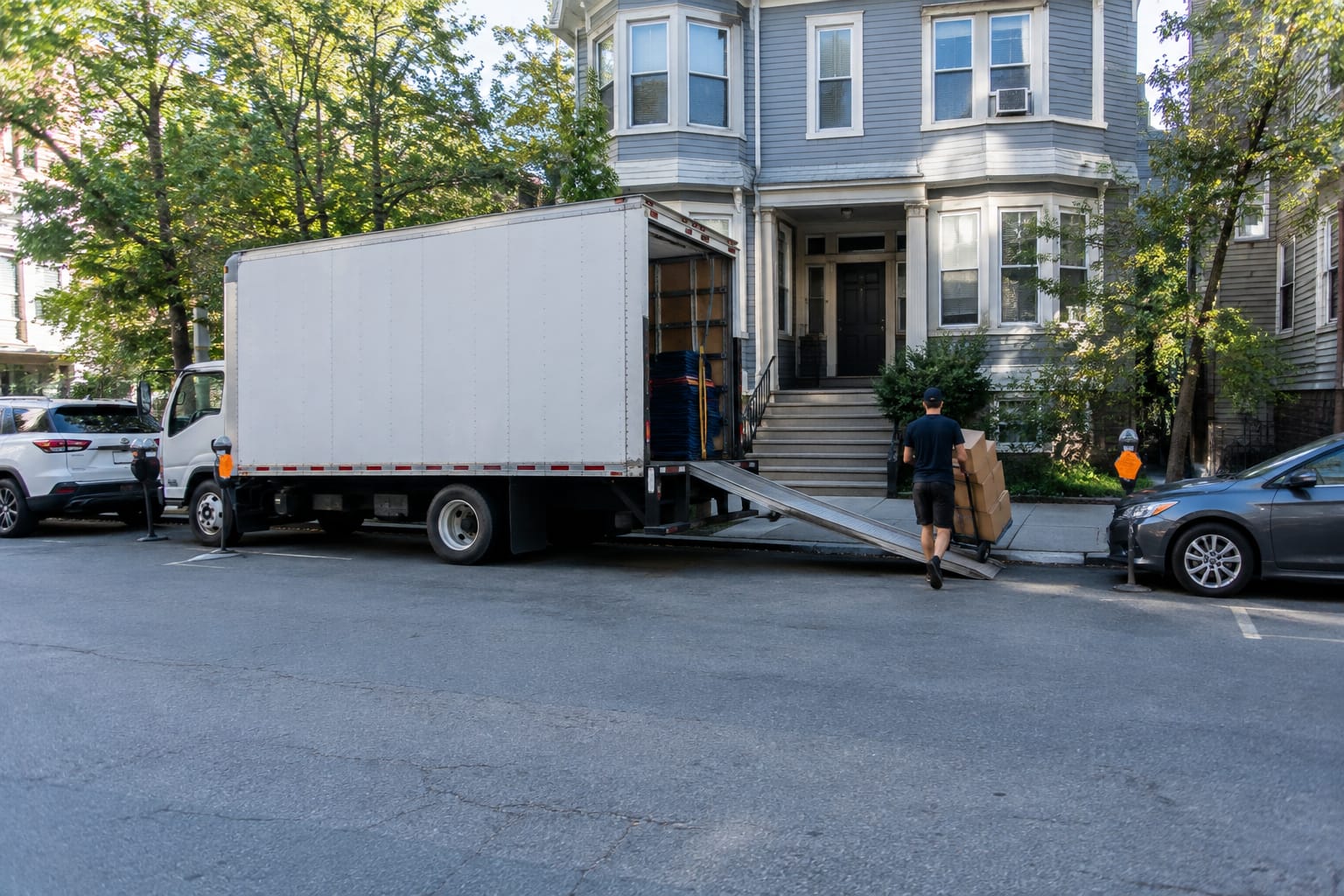
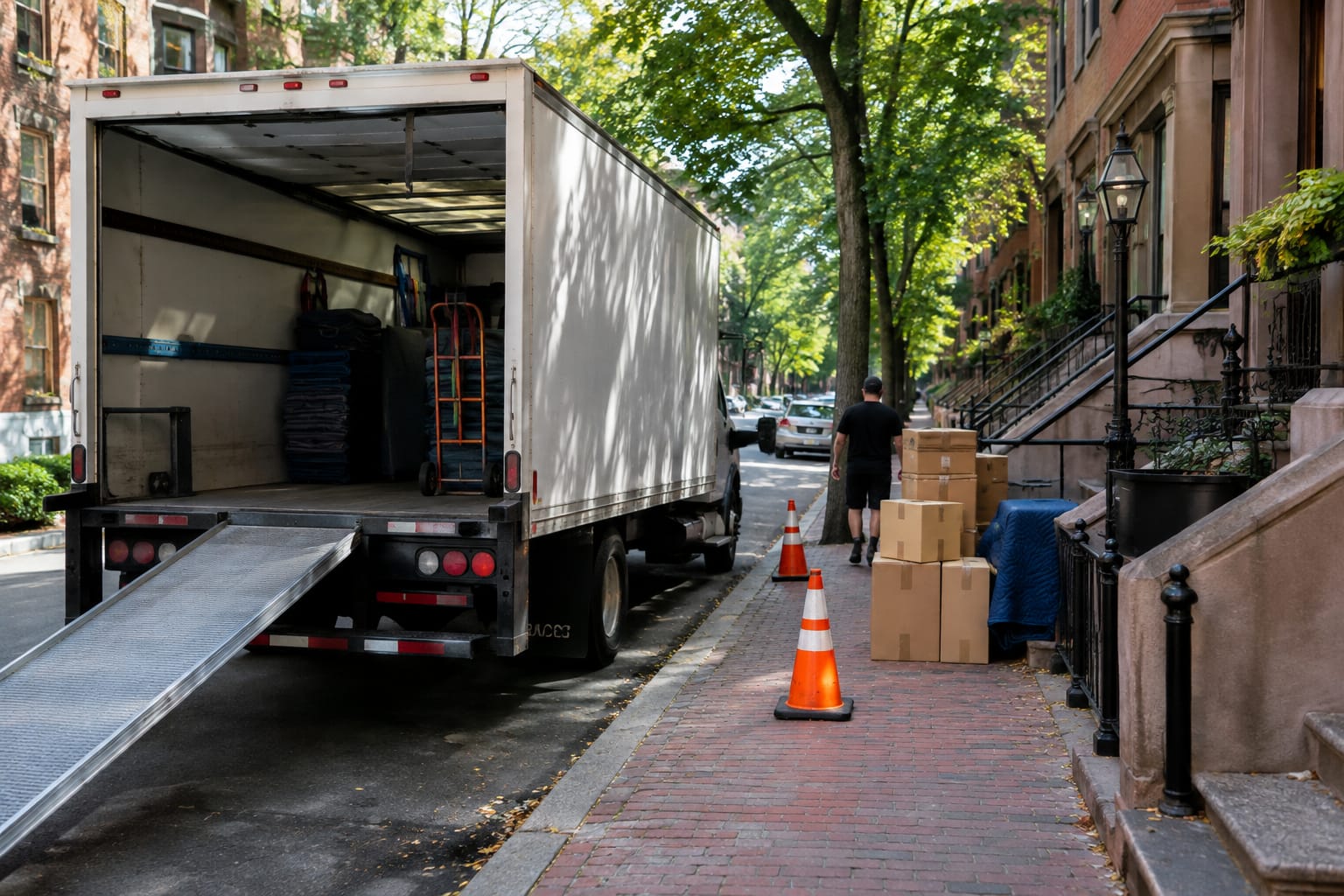
A Boston moving truck permit reserves a legal parking spot for your moving vehicle on a specific date. The city is clear that you do not need one to move. What the permit gives you is certainty: a space set aside for your truck on the day, so you are not searching for curb space when the crew arrives.
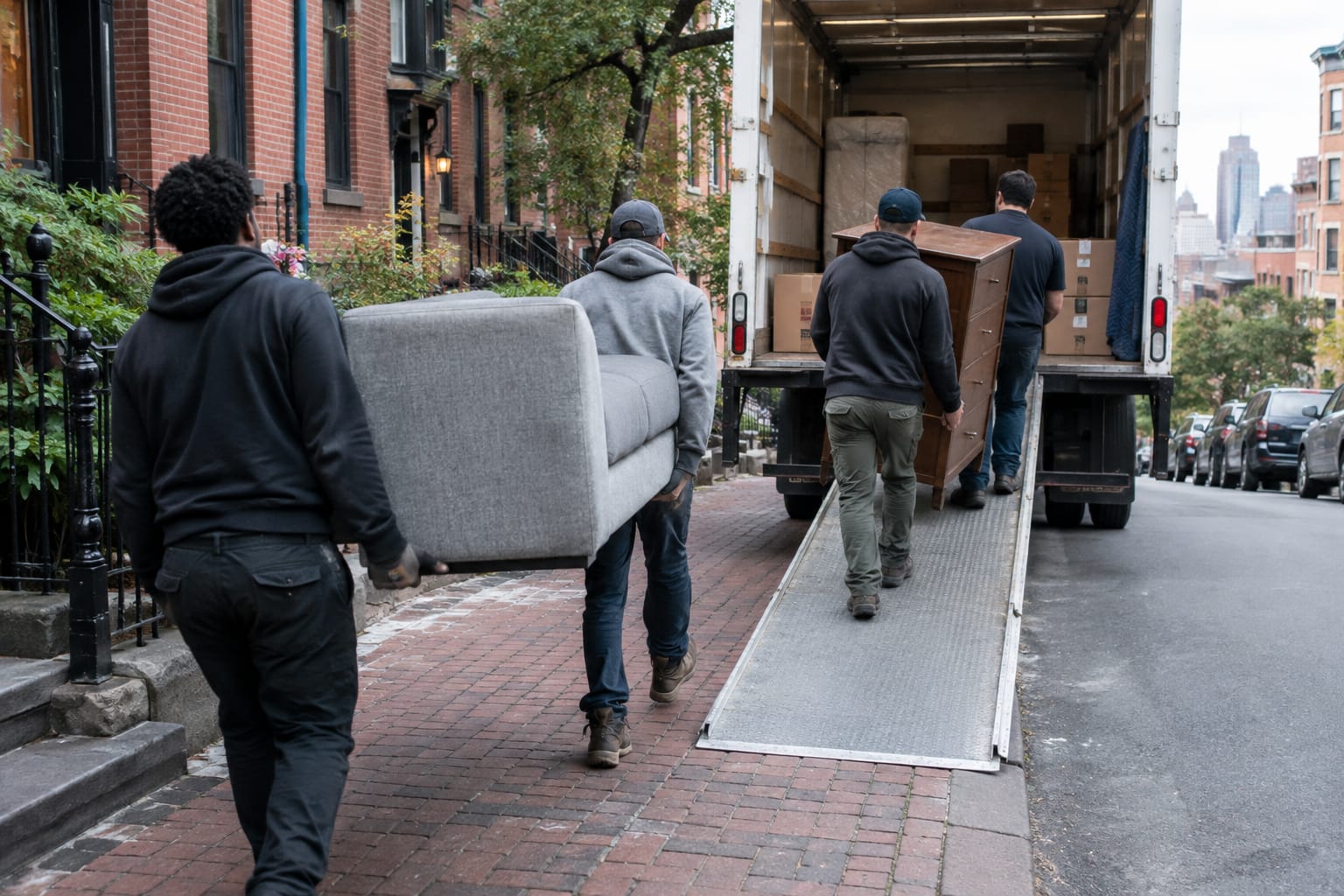
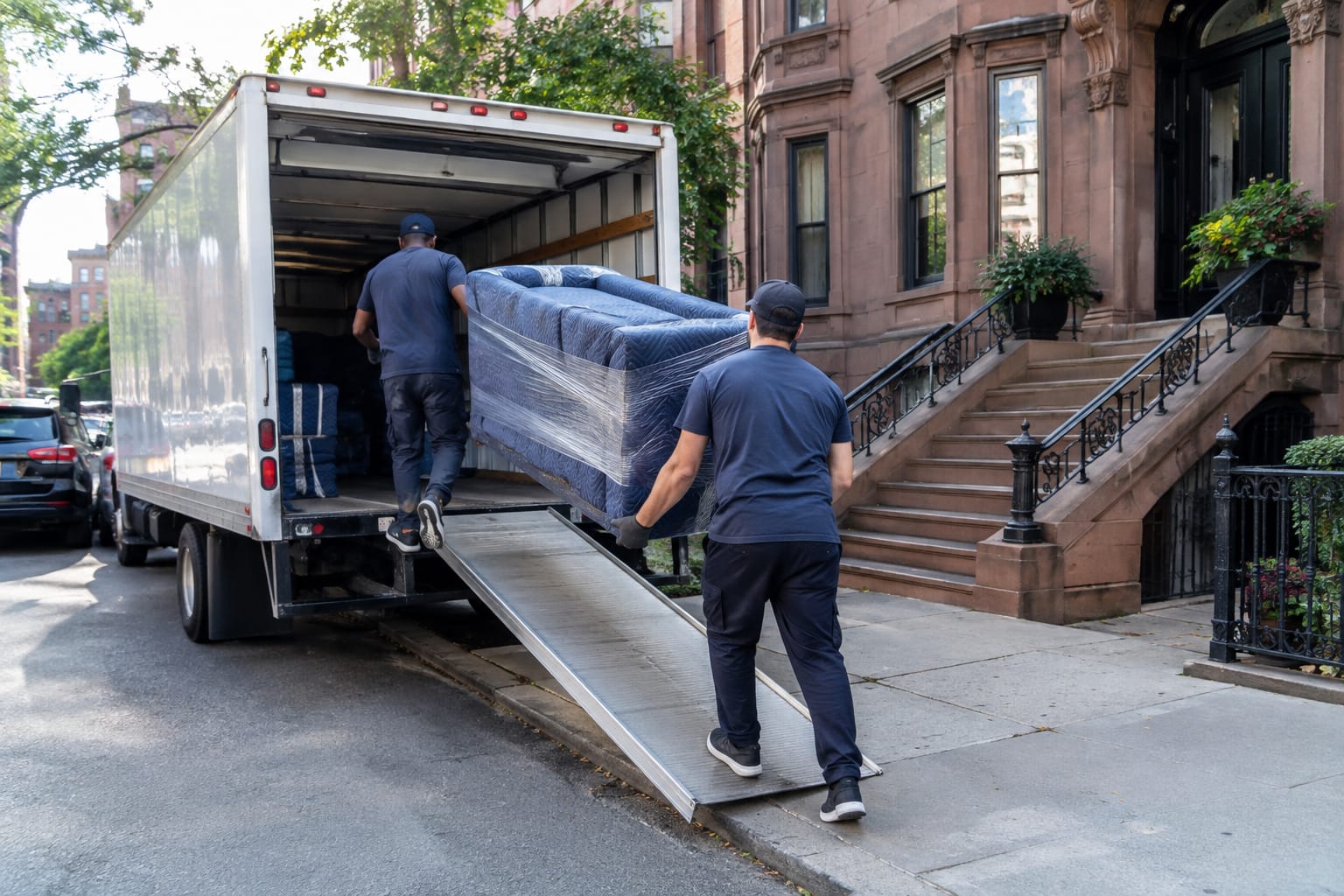
That certainty matters in Boston. On many streets, legal spaces are taken early in the morning. Without a reserved spot, a truck may end up far from your door. A longer carry slows the job, increases the chance of bumps and scrapes, and on an hourly move adds to the bill.
Curb access also shapes how the truck is loaded. If you are packing a truck yourself for a longer haul, this guide on how to pack a truck for a long-distance move pairs well with a reserved spot.
Q: Do you legally need a permit to park a moving truck in Boston?
A: No. The City of Boston Parking Clerk says a permit for your moving truck is not required. It does guarantee you a legal parking spot for the day of the move, which is why many people request one.
Step 1: Decide Whether a Permit Makes Sense for Your Move
Start with access. If your building has a private driveway, a loading dock or an off-street lot you are allowed to use, you may not need curb space at all. Those setups are uncommon in older, denser neighborhoods, where the truck usually has to use the street.
Ask yourself three questions:
- Will the truck need to park on a public street at either address?
- Is legal parking near your door usually full at the time you plan to load?
- Is your move close to a high-turnover date, when demand for curb space spikes?
If the answer to any of these is yes, reserving a spot is worth considering. Remember that you have two addresses: pickup and delivery. A reserved spot at one end does not help at the other.
If you are hiring a crew, agree on who handles the permit before the date. Many movers expect the customer to arrange parking or a city permit, so ask rather than assume. For a broader look at how local moves are organized, see this guide to Boston moving companies and how they work.
Pro Tip: Check the parking rules posted on your block before you apply. Street cleaning days, resident-only zones and posted time limits all affect when and where a truck can sit.
Step 2: Requesting Your Moving Truck Permit
Go to the City of Boston Parking Clerk page and follow the link for "Reserve A Parking Spot for Your Moving Truck." Read the Moving Truck Permit FAQs on the same page before you submit.
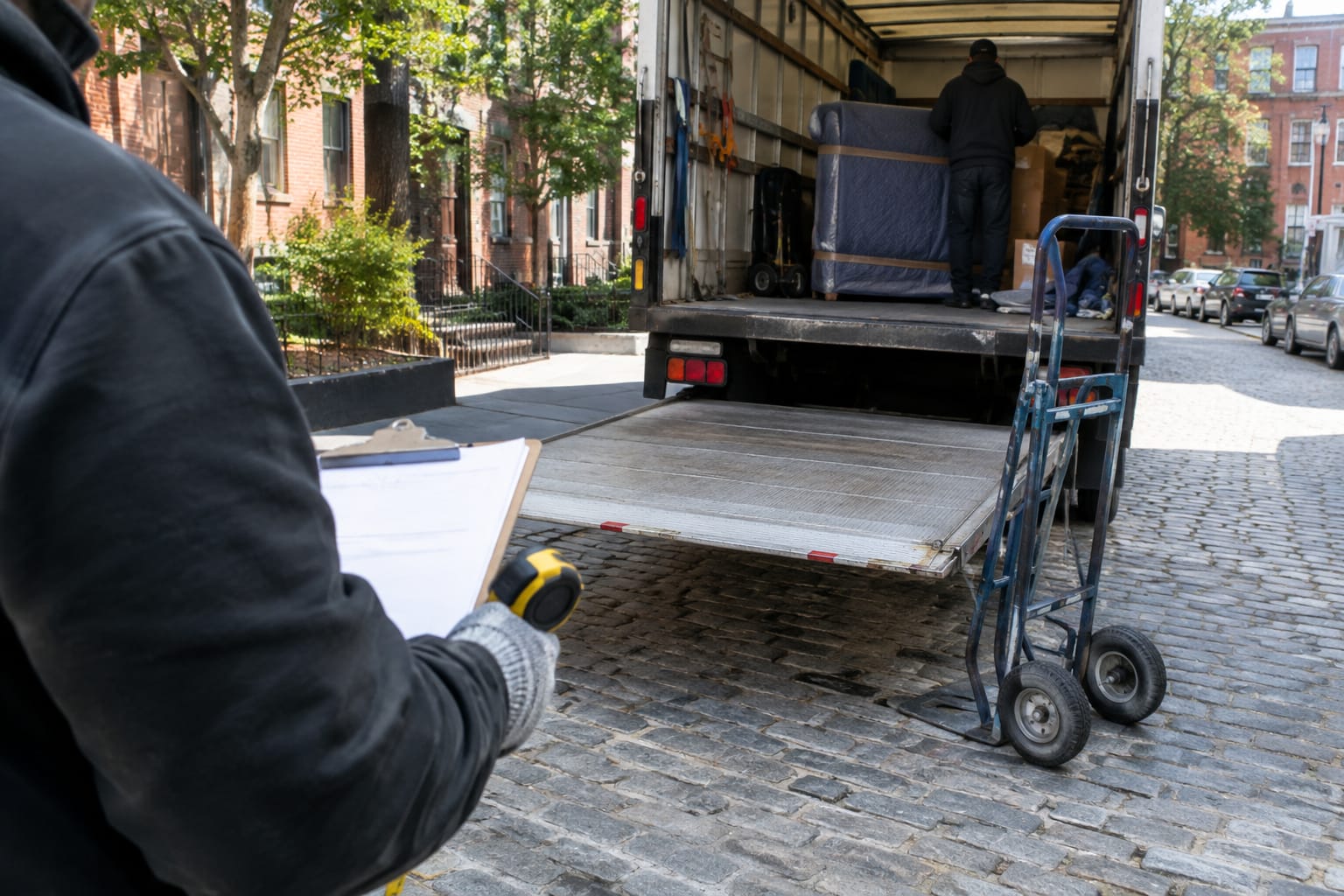
Have your details ready before you start:
- The exact street address where the truck will park
- Your moving date and a backup date if your plans could shift
- Roughly how much curb you need, which depends on the length of the truck you are renting or the crew is bringing
If you are unsure about truck size, ask your mover or the rental company for the vehicle's length. Reserving too little space can leave the back of the truck sticking out where it should not be.
Check which permit you are requesting. The Parking Clerk page lists Street Occupancy as a separate item from the moving truck permit, so confirm you are using the moving truck process.
Q: How do I apply for a Boston moving truck permit?
A: Start on the City of Boston Parking Clerk page, follow "Reserve A Parking Spot for Your Moving Truck," and read the Moving Truck Permit FAQs for current steps, fees and timing.
Step 3: Getting the Permit in Place Before Moving Day
Our own guide to parking a moving truck in Boston explains that once you receive your permits you place them on the street yourself, so build that errand into your plan.
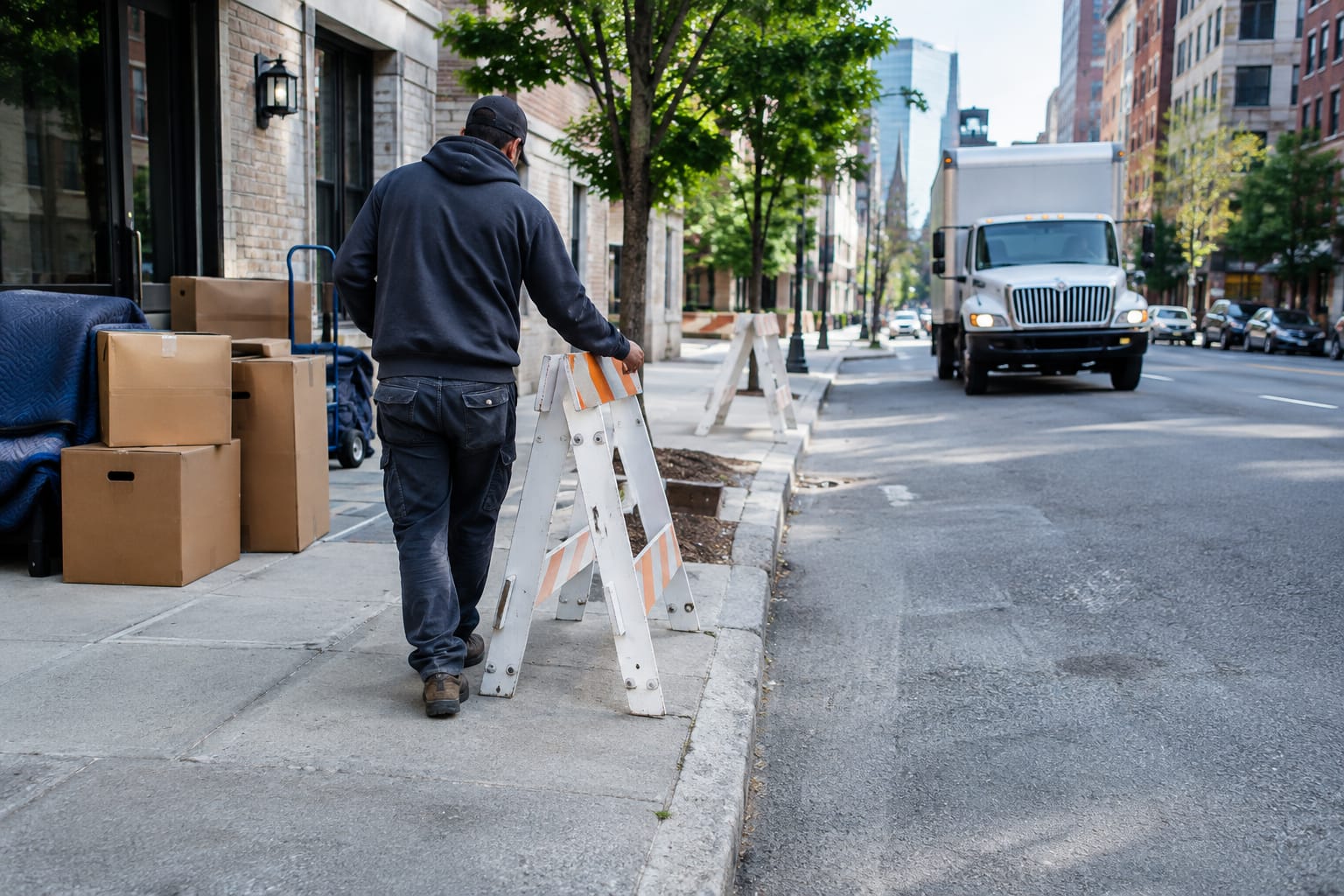
For details such as how far in advance permits must be displayed and what to do if a vehicle is in your reserved space, rely on the city's Moving Truck Permit FAQs rather than secondhand advice. Rules can change, and the official page is the one to follow.
Pro Tip: Photograph your permits with a timestamp once they are up. A dated photo is a simple record of what you did and when, which helps if anything about the space is questioned on moving day.
Step 4: Costs, Timing and What Can Go Wrong
The city sets the permit fee. Check the current amount on the Parking Clerk page, because municipal fees change. Treat it as one line item beside truck rental or crew labor.
Timing deserves more attention than cost. Permits take time to process, so apply as early as you can and check the city's FAQs for current lead times. Waiting until the last week is the most common way people end up without a reserved spot.
The real cost of skipping a permit is usually time. If the space near your door is taken, the truck parks farther away or the crew waits. On an hourly move, both show up on your invoice. September 1, Boston's peak turnover date, puts extra pressure on curb space. This breakdown of moving in Boston on September 1 explains why.
How hourly moving costs are built
Knowing what drives the bill shows why curb access matters:
- Crew size and hourly rate. More movers cost more per hour but can finish faster.
- Minimum hours. Many local movers set a minimum booking length.
- Travel time. Some companies bill travel time at the hourly rate.
- Access. Long carries, stairs, elevators and parking distance all add time.
- Packing supplies. Boxes, tape, shrink wrap and mattress bags are often charged separately.
- Payment method. Ask whether card payments carry a processing fee.
For example, Born to Move's local hourly rates start from $160/hr for 2 movers and a truck, $240/hr for 3 movers and $320/hr for 4 movers. Each has a 3-hour minimum including travel time, with travel billed at the same hourly rate. Card payments add 3%, packing supplies are charged separately, and seasonal rates apply, so confirm the current rate when you request a quote. For more on how local pricing works, see this guide to the cost of local moving services.
Need help with this? Get a quote
Where to Park a Moving Truck Overnight in Boston
A moving truck permit is about your spot on moving day. If the truck has to stay somewhere overnight between loading and unloading, plan that separately and before the date. Our guide on where to park a moving truck in Boston walks through the options.
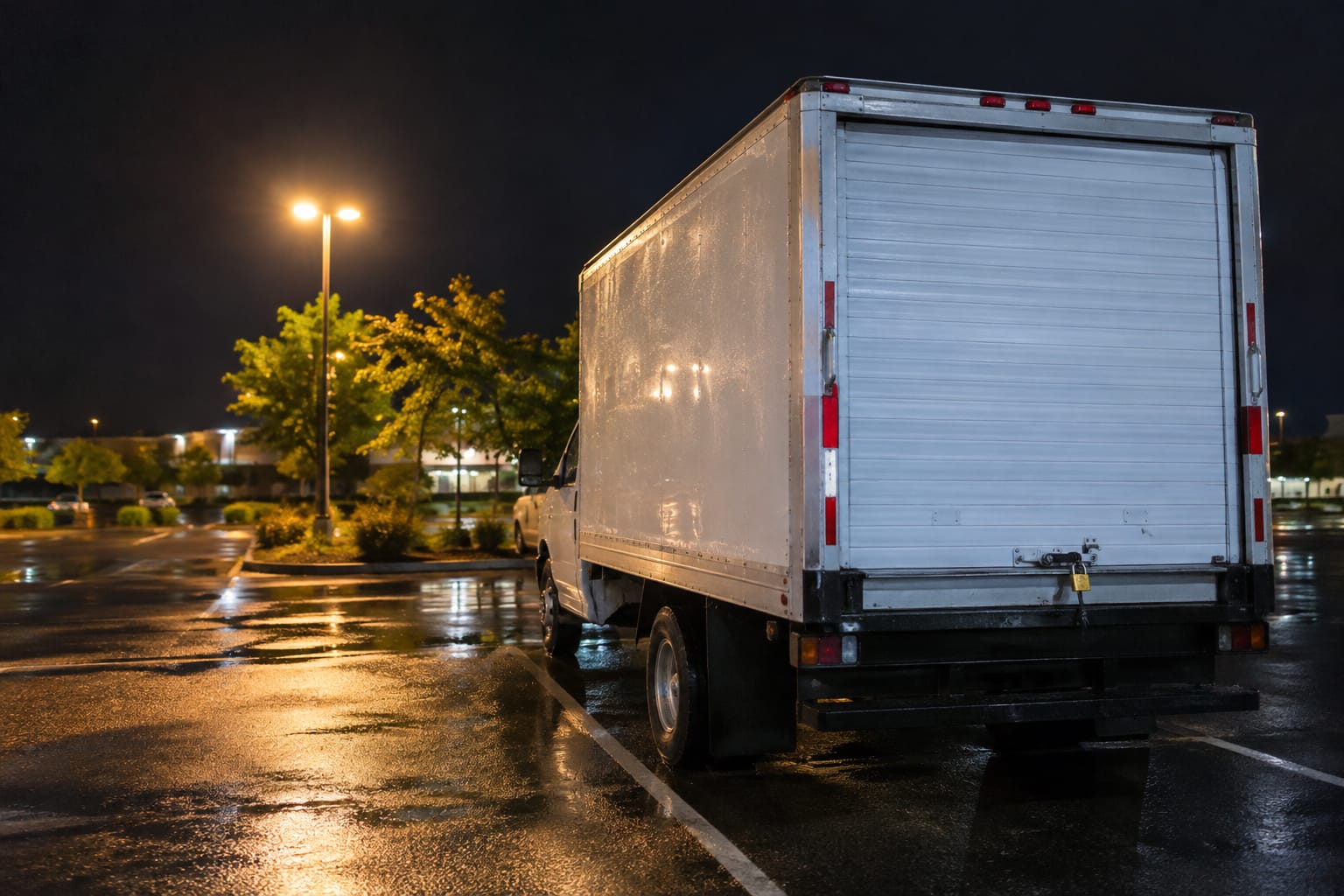
Before you settle on a location, check:
- Posted street signs. Read every sign on the block, including street cleaning and resident-only rules.
- Lot rules. Confirm the lot accepts trucks of your size and allows overnight parking.
- Height clearance. Box trucks are taller than passenger vehicles, so check clearance at any garage entrance.
- Security. Your belongings are inside the truck, so choose a location you are comfortable leaving it in.
Q: Can you park a moving truck on the street overnight in Boston?
A: It depends on the street and its posted rules. Check every sign on the block and the city's parking rules, or arrange an off-street lot that accepts trucks and confirms overnight parking in advance.
How to Avoid Getting Storrowed and Other Boston Hazards
"Getting Storrowed" is Boston slang for driving a truck that is too tall under one of Storrow Drive's low overpasses. Boston's parkways were built with low bridges, and a standard moving truck can be taller than the clearance.
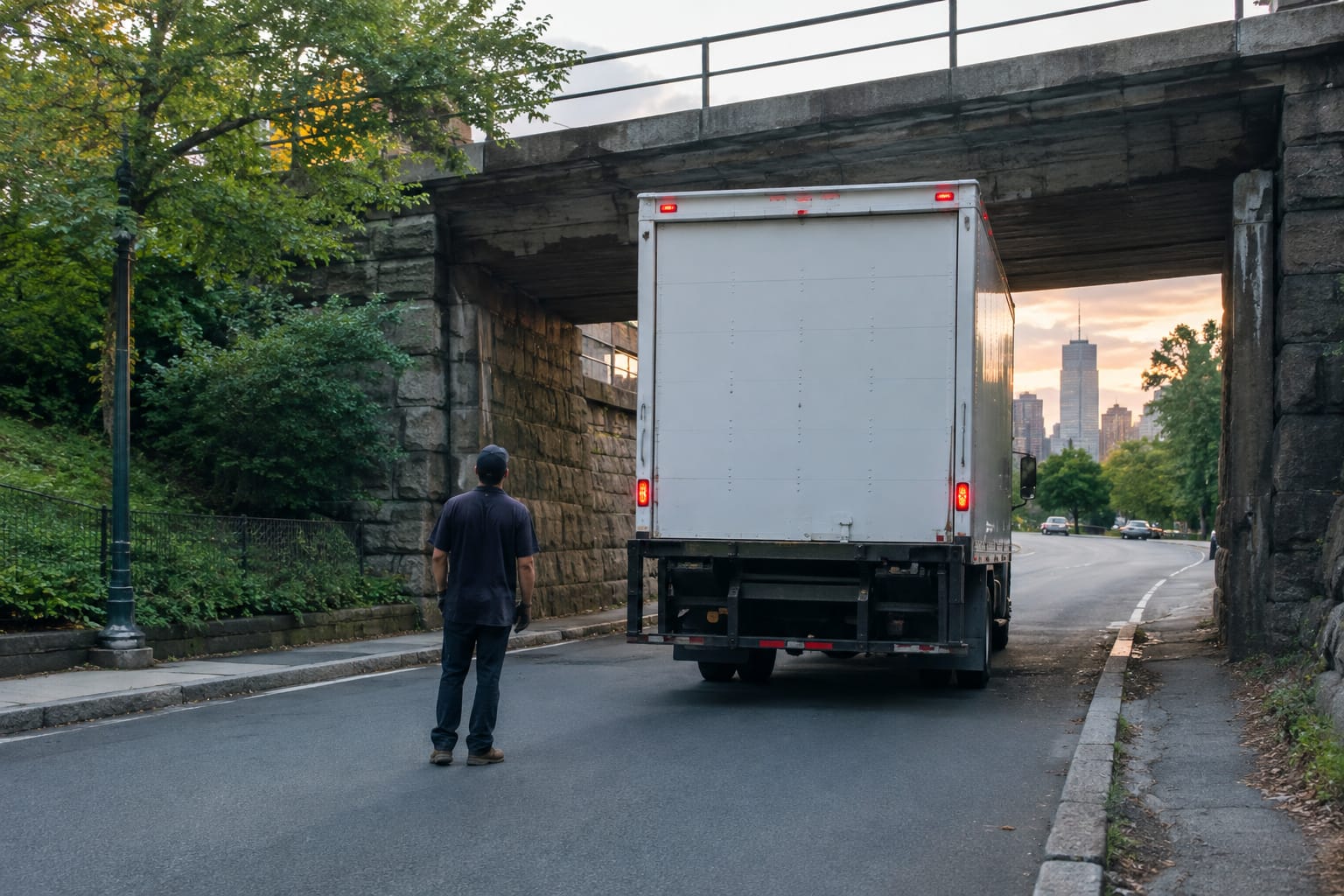
The fix is planning. Check posted vehicle restrictions and clearance signs on any parkway before routing a truck. Use navigation that supports truck routing or vehicle height settings where available, and do not rely on a car-mode route.
For a working-mover playbook, this guide on how to avoid getting Storrowed covers safer ways across the city.
Pro Tip: Excluding highways in a navigation app does not mean it will avoid parkways. Some apps send you onto them instead. Review the full route before you leave the curb.
Can a Moving Company Handle the Permit for You?
Sometimes, but many movers expect the customer to arrange parking or a city permit. Ask directly and get the answer in writing when you book.
Questions to ask before you hire
- Who arranges the parking permit, and is the fee included in your quote?
- Is travel time billed, and at what rate?
- Is there a minimum number of hours?
- Are packing supplies included or charged separately?
- Is there a card processing fee?
- What protection applies to my belongings, and what does extra coverage cost?
- Can you provide a certificate of insurance (COI) if my building requires one?
- What are your license numbers?
Red flags
-
No written estimate, or vague answers about what the hourly rate covers.
-
Reluctance to share licence numbers you can check with the issuing agency.
-
No plan for parking, elevators or building rules when you raise them.
The street permit is only one part of access. If you live in a high-rise, you will also need to reserve your building elevator, which runs on a separate schedule. As one example of how a crew prepares, Born to Move plans routes to avoid traffic and meet tight elevator windows, and prepares a COI in advance for buildings that require one. Customers arrange truck parking or the city permit themselves.
Recommended Reading
- Where Can I Park My Moving Truck in Boston?
- Avoid Getting Storrowed in Boston
- Moving in Boston on September 1 or August 31
- How to Reserve an Elevator for Your Move
If you'd like to talk through access, parking or timing for your move, you can request a quote. Born to Move is a licensed and insured company (MA DPU 31826, USDOT 2887241), and fees are explained before booking.
Need help with this? Get a quote · Call (617) 903-2609
Frequently Asked Questions