'%3E%3Cpath%20fill='%231B2A47'%20d='M1.605%2016.263c.03-1.139.059-2.482.088-3.971.03-1.49.03-2.832.03-4.03%200-.758%200-1.576-.03-2.51%200-.905-.03-1.84-.03-2.803%200-.496-.028-.964-.028-1.43%200-.468%200-.906-.03-1.315h6.858q2.188%200%203.589.35c.963.234%201.663.643%202.13%201.198.496.555.73%201.372.73%202.394%200%20.788-.176%201.46-.497%201.985-.32.526-.846.935-1.575%201.197-.73.292-1.693.468-2.918.526v.263c1.313.087%202.334.263%203.122.525.758.263%201.342.672%201.692%201.197.35.526.525%201.197.525%202.044%200%201.08-.233%201.927-.67%202.57-.468.642-1.139%201.08-2.102%201.343-.933.262-2.159.408-3.705.408H1.605zm6.537-9.197q1.882%200%202.713-.526c.555-.35.817-.934.817-1.752%200-.905-.292-1.547-.846-1.927s-1.459-.554-2.655-.554H4.757v4.759zm.204%206.92c.934%200%201.663-.088%202.217-.263.555-.176.934-.438%201.197-.818s.38-.876.38-1.518c0-.876-.322-1.49-.934-1.84-.643-.35-1.635-.525-3.035-.525H4.757v4.963zM21.038%2016.555c-1.576%200-2.801-.292-3.618-.905-.817-.614-1.284-1.519-1.372-2.745-.087-1.226.205-2.774.847-4.613s1.43-3.358%202.392-4.584c.963-1.226%202.043-2.131%203.298-2.744C23.839.292%2025.24%200%2026.786%200c1.576%200%202.772.321%203.59.934.816.613%201.283%201.548%201.37%202.774s-.203%202.774-.845%204.613c-.642%201.81-1.43%203.358-2.393%204.584s-2.072%202.132-3.297%202.745a9.8%209.8%200%200%201-4.173.905m.788-2.278c.642%200%201.138-.058%201.371-.116.205-.059.496-.117.847-.322.262-.146.437-.292.554-.408.204-.175.32-.292.438-.41.204-.203.35-.408.496-.583.35-.438.642-.876.963-1.402.233-.408.466-.817.67-1.284.205-.438.38-.905.555-1.372.438-1.198.671-2.278.671-3.183s-.204-1.606-.612-2.131c-.409-.497-1.051-.76-1.897-.76-.467%200-.934.059-1.43.205h-.03c-1.02.292-1.925%201.226-2.042%201.372-.116.117-.467.526-.963%201.343a15.5%2015.5%200%200%200-1.342%202.92c-.408%201.197-.642%202.277-.671%203.182-.03.906.175%201.636.584%202.161q.611.788%201.838.788M14.853%2038.54c-1.576%200-2.802-.292-3.619-.905s-1.284-1.518-1.371-2.744c-.088-1.227.204-2.774.846-4.614s1.43-3.357%202.393-4.584%202.042-2.13%203.297-2.744c1.255-.613%202.655-.905%204.173-.905%201.575%200%202.772.321%203.589.934s1.284%201.548%201.371%202.774c.088%201.226-.204%202.774-.846%204.613-.642%201.81-1.43%203.358-2.393%204.584s-2.072%202.131-3.297%202.745c-1.226.613-2.626.846-4.143.846m.787-2.277c.642%200%201.138-.059%201.372-.117.204-.058.496-.117.846-.321.263-.146.438-.292.554-.409.205-.175.321-.292.438-.409.204-.204.35-.408.496-.584a13%2013%200%200%200%201.634-2.686c.204-.438.38-.905.555-1.372.437-1.197.67-2.277.67-3.182%200-.906-.203-1.606-.612-2.132-.409-.496-1.05-.759-1.897-.759-.467%200-.934.058-1.43.204h-.029c-1.021.292-1.925%201.227-2.042%201.373-.117.116-.467.525-.963%201.343a15.5%2015.5%200%200%200-1.342%202.92c-.409%201.196-.642%202.277-.671%203.182s.175%201.635.583%202.16q.613.789%201.838.789'/%3E%3Cpath%20fill='%23FF515E'%20d='M55.966%2038.57c-1.576%200-2.801-.293-3.618-.906s-1.284-1.518-1.372-2.744c-.087-1.227.204-2.774.846-4.613s1.43-3.358%202.393-4.584c.963-1.227%202.043-2.132%203.297-2.745s2.656-.905%204.173-.905c1.576%200%202.772.321%203.589.934s1.284%201.548%201.371%202.774c.088%201.226-.204%202.774-.846%204.613-.642%201.81-1.43%203.358-2.393%204.584s-2.071%202.131-3.297%202.745c-1.225.613-2.626.846-4.143.846m.788-2.249c.642%200%201.138-.058%201.371-.117.204-.058.496-.116.846-.32.263-.147.438-.293.555-.41a7%207%200%200%200%20.437-.408c.205-.205.35-.41.496-.584a13%2013%200%200%200%201.634-2.686c.205-.438.38-.905.555-1.373.438-1.197.671-2.277.671-3.182s-.204-1.606-.613-2.131c-.408-.497-1.05-.76-1.896-.76-.467%200-.934.059-1.43.205h-.03c-1.02.292-1.925%201.226-2.042%201.372-.117.117-.467.526-.963%201.343a15.5%2015.5%200%200%200-1.342%202.92c-.409%201.197-.642%202.277-.671%203.182s.175%201.635.583%202.16q.614.79%201.839.79'/%3E%3Cpath%20fill='%231B2A47'%20d='M33.06%2016.263c0-.35%200-.935.03-1.81.029-1.051.058-2.103.058-3.154s.03-2.073.03-3.007c0-1.606-.03-3.27-.06-4.993%200-.554-.028-1.08-.028-1.606%200-.525-.03-1.021-.03-1.46h6.828c1.46%200%202.685.117%203.59.38q1.4.394%202.1%201.314.7.963.7%202.628c0%20.992-.174%201.81-.554%202.452-.35.643-.904%201.11-1.604%201.431s-1.576.467-2.627.496v.263q2.058.087%203.064.876c.671.525%201.138%201.372%201.43%202.51.087.41.233%201.023.467%201.84.233.818.408%201.431.554%201.84h-3.414a11%2011%200%200%200-.262-1.022c-.321-1.314-.526-2.19-.584-2.628a5%205%200%200%200-.642-1.46%202.13%202.13%200%200%200-.963-.73c-.408-.146-.934-.233-1.605-.233h-3.326v6.0440000000000005H33.06zm6.332-8.292c1.343%200%202.276-.205%202.86-.613.554-.41.846-1.11.846-2.073%200-.73-.146-1.314-.408-1.723-.263-.409-.671-.7-1.197-.876q-.788-.263-2.1-.263h-3.181v5.519h3.18zM49.4%2016.263l.03-2.745c.029-2.452.029-4.905.029-7.416q0-2.101-.088-5.868h4.085l5.924%2010.335c.087.234.204.438.291.643.117.204.205.408.321.613.38.788.613%201.255.672%201.372h.262c0-.058-.03-.146-.03-.204%200-.059-.028-.117-.028-.175a75%2075%200%200%201-.175-1.314%2010%2010%200%200%201-.088-1.285c0-1.547%200-3.737-.029-6.57V1.84c0-.584-.03-1.11-.03-1.576h2.977c-.03%202.482-.058%205.08-.058%207.766%200%201.694%200%204.438.029%208.292h-4.027l-5.573-9.43c-.875-1.81-1.226-2.511-1.05-2.132-.263-.613-.467-1.08-.613-1.46h-.263c.058.35.117.876.175%201.548.059.7.117%201.168.117%201.46%200%202.978%200%206.306.029%209.985H49.4zM4.698%2038.277c.029-2.627.058-5.255.058-7.883%200-1.576%200-3.503-.029-5.752-1.109%200-2.684%200-4.727.03v-2.453h12.664v2.453c-1.955-.03-3.53-.03-4.756-.03%200%20.584-.03%201.227-.03%201.957s0%201.46-.029%202.218v1.84c0%202.57.03%205.11.059%207.62z'/%3E%3Cpath%20fill='%23FF515E'%20d='M29.441%2038.277c.409-1.05.788-2.102%201.168-3.182s.787-2.16%201.167-3.241c.613-1.693%201.05-2.949%201.342-3.766l1.255-3.65c.116-.38.262-.788.379-1.139.117-.38.263-.73.38-1.05h4.61l-.671%2012.904h.262l8.316-12.905h4.669l-.7%201.869c-.876%202.452-1.343%203.766-1.43%204a501%20501%200%200%200-3.385%2010.16h-2.947c.292-.846.788-2.219%201.459-4.087.175-.526.35-1.08.554-1.606.175-.526.38-1.08.555-1.577.642-1.81%201.342-3.825%202.072-6.014h-.234l-8.724%2013.314h-2.86l.554-13.314h-.175c-.175.496-.38.992-.554%201.489-.175.496-.38%201.022-.555%201.547a163%20163%200%200%200-1.08%203.008c-.145.38-.262.759-.408%201.138-.117.38-.262.73-.408%201.11-.7%201.898-1.284%203.59-1.751%205.05h-2.86zM68.047%2038.277c.175-2.19.32-4.525.467-7.007.058-.905.204-3.912.467-9.051h3.151c-.03.438-.058.934-.088%201.46s-.058%201.08-.087%201.693a264%20264%200%200%201-.409%206.657c-.145%201.986-.35%203.591-.583%204.788h.175Q72.147%2034.892%2073.94%2032a562%20562%200%200%201%204.465-7.066c.32-.496.641-.992.933-1.46s.555-.875.817-1.255h3.268q-.568.832-1.138%201.752c-.408.613-.787%201.255-1.196%201.927-3.88%206.014-6.478%2010.131-7.85%2012.35h-5.193zM79.106%2038.277c.32-.788.758-2.014%201.37-3.65a287%20287%200%200%200%201.577-4.32c.437-1.256.904-2.628%201.4-4.088s.934-2.774%201.313-3.97h11.322l-.846%202.364H87.1l-1.664%204.847%207.645-.088-.612%201.694-7.587-.088-1.75%204.934h8.286l-.846%202.365z'/%3E%3C/g%3E%3Cdefs%3E%3CclipPath%20id='a'%3E%3Cpath%20fill='%23fff'%20d='M0%200h96v40H0z'/%3E%3C/clipPath%3E%3C/defs%3E%3C/svg%3E)
Renting a U-Haul almost always wins on sticker price. Hiring movers costs more per hour but usually delivers less total effort, fewer surprise fees, and far lower risk of injury or damaged furniture. Which option is right for your move comes down to three variables: how much you own, how far you're going, and how many hours of your own labor you're willing to spend. This guide breaks down both paths honestly — the real cost lines, the hidden effort a rental counter never mentions, and a side-by-side worksheet so you can compare a truck rental and a mover's quote on identical assumptions.

What a U-Haul Move Actually Costs (Truck, Mileage, Fuel, Tolls, Supplies)
A truck rental looks cheap because the advertised rate is only the base. The real cost is a stack of separate line items, and most first-time renters underestimate three or four of them.
Here is the full list you need to add up before calling a DIY move "cheaper":
- Base truck rate — the daily rate for the vehicle size you reserve.
- Mileage — most one-way and in-town rentals charge per mile on top of the base.
- Fuel — you return the truck full, and box trucks are heavy on gas.
- Damage protection — optional coverage the counter offers at pickup.
- Equipment — furniture dollies, moving blankets, and straps are usually extra.
- Tolls and parking — Boston's tolls, permits, and tight streets add up fast.
- Supplies — boxes, tape, and wrap you buy separately.
Q: Is it cheaper to rent a U-Haul than hire movers?
A: For a small studio or a short move where you supply all the labor, yes — a rental is usually the lower out-of-pocket number. The gap narrows sharply once you own a one-bedroom's worth of furniture or add stairs, distance, or a tight timeline.
The honest way to price a rental is to build your own estimate rather than trust the headline rate. Add every line above, then add the value of your own time. For a deeper look at how rental operators structure their charges, see this guide on how rental truck moving companies price their services.
What Hiring Movers Costs in Boston: How Hourly Rates and Estimates Work
Most reputable Boston movers charge a transparent hourly rate that bundles the crew, the truck, basic equipment, and the labor of loading, driving, and unloading. That single rate is the biggest reason a professional move is simpler to budget than a rental with a dozen separate line items.

The hourly clock typically covers the crew size you book plus the truck. Watch for two add-ons that are standard across the industry: travel time (a charge for the crew getting to your origin and back to the yard) and specialty handling for pianos, safes, or oversized items. A clear breakdown of the factors that move the number is laid out in this explainer on how movers calculate what a move costs.
Before any hourly rate matters, you need an accurate scope. Many companies now run a video survey — you walk your phone through each room while an estimator builds the inventory live. It takes minutes and produces a far tighter quote than a phone guess.

Pro Tip: Always confirm what the hourly rate includes before booking — crew size, truck, fuel, basic wrapping, and whether travel time is billed at the same rate. A slightly higher "all-in" rate often beats a low rate with fees stacked on top.
Reading the Estimate: Binding, Non-Binding, and Binding Not-to-Exceed
The single most valuable skill in comparing movers is reading the estimate document itself. Federal rules define three types, and knowing which one you're holding tells you exactly who absorbs the risk if the price is wrong.
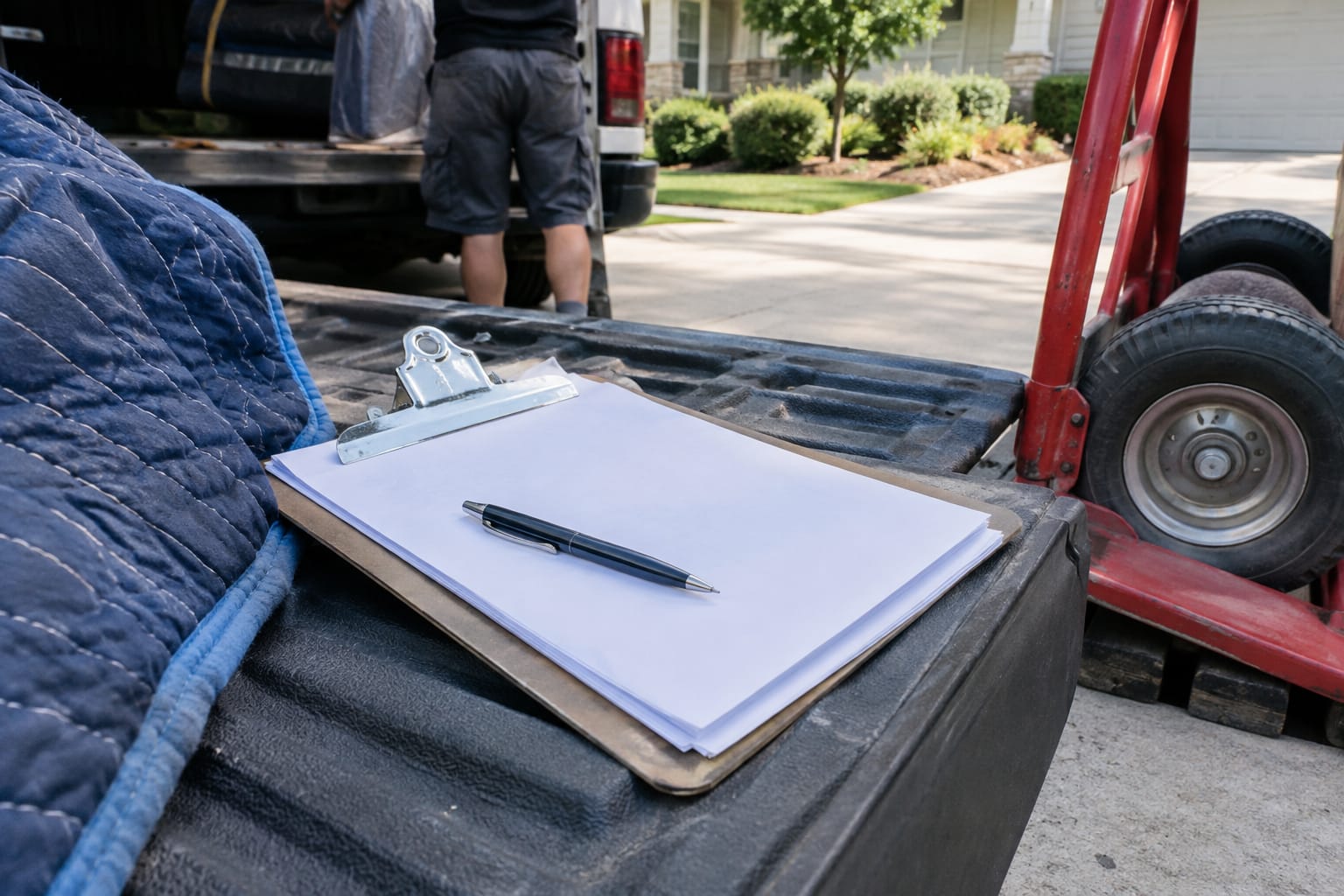
Per the FMCSA "Your Rights and Responsibilities When You Move" booklet, here is what each type means:
- Binding estimate — a fixed price for the services and inventory listed. The number won't change unless you add items or services. Best when your inventory is settled and you want price certainty.
- Non-binding estimate — a good-faith guess of the final charges based on weight or hours. The final bill can differ. This is where the a significant share rule protects you: a mover cannot require you to pay more than 110% of a non-binding estimate at delivery, with the rest billed later.
- Binding not-to-exceed estimate — the most customer-friendly option. If the actual weight or hours come in lower, you pay less; if they come in higher, you still pay only the estimate. The mover carries the risk.
Q: Can movers charge more than the quote?
A: On a binding not-to-exceed estimate, no — the quote is a ceiling. On a non-binding estimate, a mover can bill above the estimate, but under FMCSA rules cannot demand more than a significant share at delivery for the covered services.
These definitions apply to interstate moves under FMCSA (49 CFR Part 375). For moves that stay inside Massachusetts, household-goods carriers are regulated by the Massachusetts Department of Public Utilities, which sets the tariff rules intrastate movers must follow.
Whatever type you're quoted, insist on it in writing. A legitimate estimate and the accompanying bill of lading — the contract and receipt for your shipment — should clearly show the fields below.
Written estimate & bill of lading checklist:
- Mover's legal name, address, and US DOT number
- The type of estimate (binding, non-binding, or not-to-exceed)
- A complete inventory or hours/weight basis
- The order for service (what you agreed to have done)
- Pickup and delivery dates or windows
- The valuation coverage level you selected
- Total charges and payment terms
- Signatures from both you and the carrier
Understand valuation before you sign. Released value protection is the free default and pays only a minimal amount per pound — pennies on real value. Full value protection costs more but covers repair or replacement. The tradeoff is explained plainly in this overview of what to look for in a moving company.
Verify the carrier yourself. Run their US DOT number through the FMCSA mover search tool before booking, and walk through the steps in this guide on how to check a moving company's US DOT number.
Hidden Costs and Effort a Truck Rental Doesn't Show You
The rental counter sells you a vehicle. It does not sell you the reality of a Boston move, and that reality is where a DIY budget quietly balloons.

Access conditions are the biggest hidden variable. A third-floor Somerville triple-decker, a long carry from the truck to the door, a narrow staircase, or a building that requires a reserved freight elevator all add hours and physical toll. If your building needs an elevator booking, start early using this walkthrough on how to reserve the elevator.
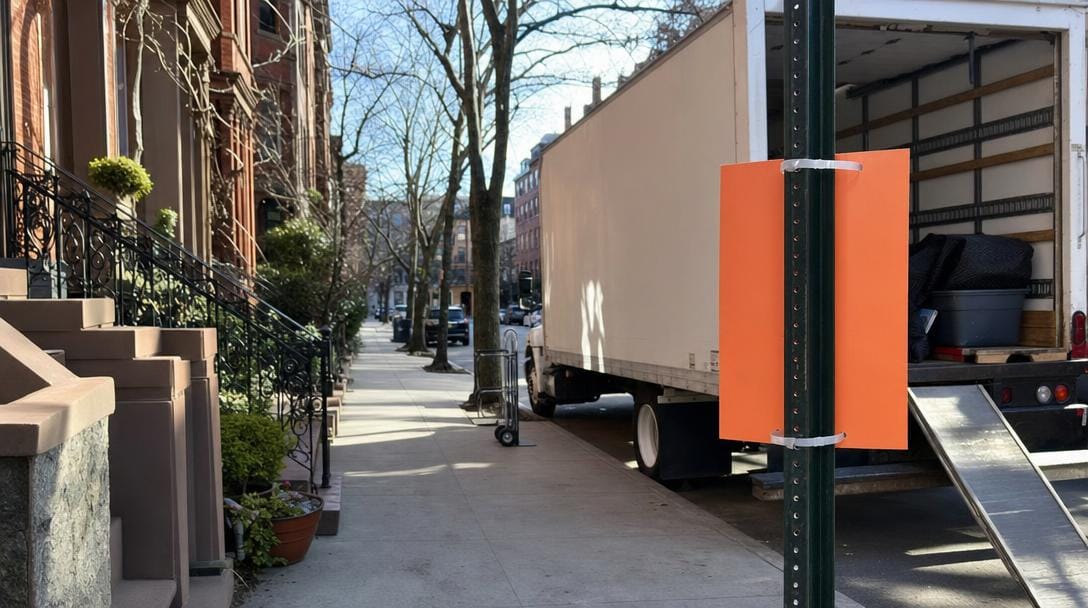
Parking is a genuine Boston tax on DIY moves. You may need a street-occupancy permit and a legal spot for a box truck, covered in this guide to parking a moving truck in Boston. Then there's the low-clearance trap: Storrow Drive and its parkways shear the roofs off rental trucks every year, and the advice in how not to get "Storrowed" is required reading before you drive one.
The costs that never appear on the rental invoice are just as real:
- Your own hours — packing, loading, driving, unloading, returning the truck.
- Recruiting friends, and the food and favors that come with it.
- Injury risk from lifting heavy furniture without training or equipment.
- Damage to items you'd otherwise be reimbursed for under a mover's valuation.
The Hybrid Option: Rent the Truck, Hire Loading Help
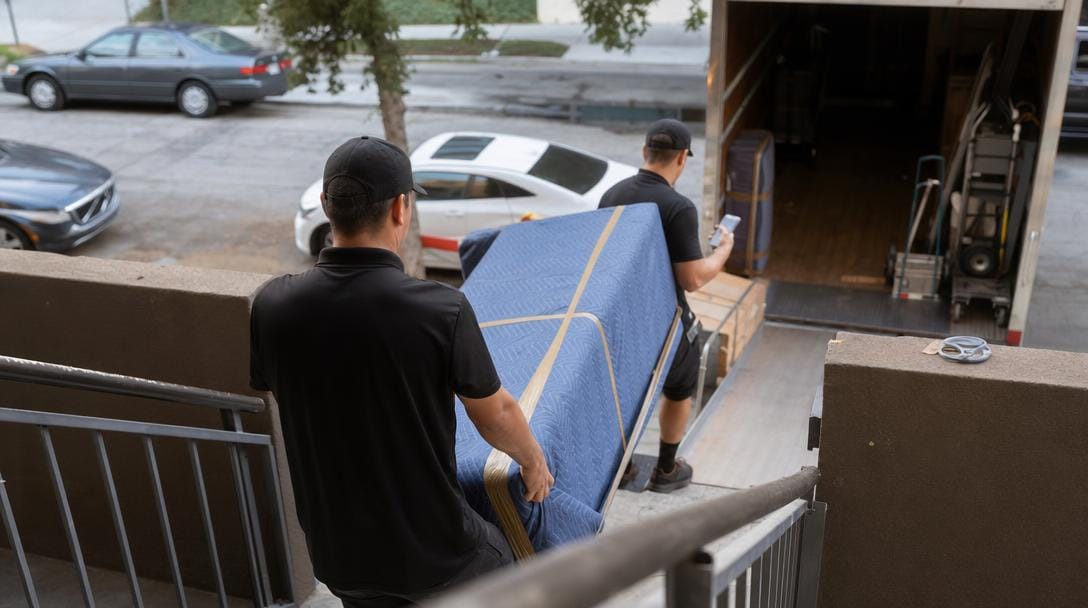
There's a middle path most people miss: rent the truck yourself, then hire a crew for the heavy lifting only. You control the vehicle and the drive; professionals handle the back-breaking, high-risk part — loading and unloading.
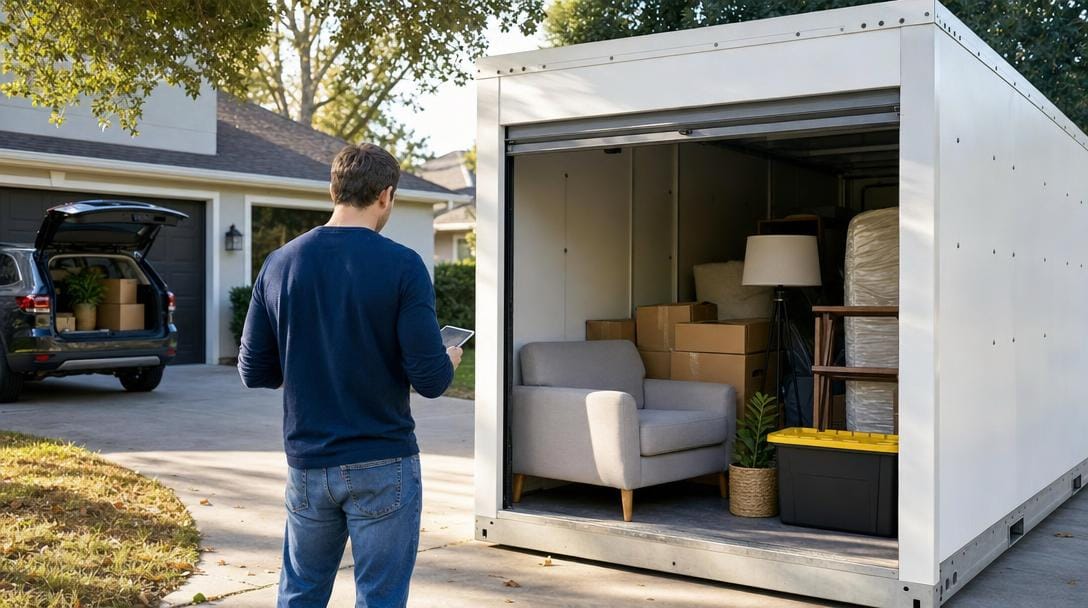
This labor-only approach keeps the rental's low base cost while removing the two moments where DIY movers get hurt or damage things: carrying furniture down stairs and packing the truck so nothing shifts. If you've already booked a container or truck, you can hire someone to move furniture for just those hours.
Done right, loading is a skill. A well-loaded truck fits more, shifts less, and protects fragile items — the technique is detailed in this guide on how to pack a truck for a long-distance move. The hybrid model tends to win for one-bedroom and studio moves with tricky access but a manageable distance.
How to Decide: A Side-by-Side Worksheet
Stop comparing a rental's base rate against a mover's total — that's the mistake that makes DIY look cheaper than it is. Normalize both to the same assumptions: same inventory, same access conditions, same packing scope, same coverage level. Then fill in the blanks.
| Cost & effort factor | Your U-Haul / DIY number | Your movers quote |
|---|---|---|
| Vehicle / truck base | (included in hourly) | |
| Mileage | (included) | |
| Fuel | (included) | |
| Equipment (dolly, blankets) | (included) | |
| Tolls & parking permit | ||
| Packing supplies | ||
| Damage protection / valuation | ||
| Loading/unloading labor | (your hours or hired help) | (included) |
| Your own time (hours × your value) | (minimal) | |
| Injury / damage risk | (uninsured) | (covered by valuation) |
| Total |
Work top to bottom for both columns using the same inventory count and the same building access. When the two totals land close, the deciding factor is effort and risk — and that's where hiring a crew, or at least loading help, usually pays for itself. To make sure whoever you hire is legitimate, screen them with this checklist on how to find a reputable moving company.
Is U-Haul cheaper than movers for a studio apartment?
Usually yes, if the access is easy and you supply all the labor. A studio's light inventory is where DIY wins most clearly; the advantage shrinks with stairs, distance, or a tight schedule.
What licenses should a legitimate Boston mover have?
Interstate movers must hold an active US DOT number you can verify through the FMCSA mover search tool. Movers operating within Massachusetts fall under the Massachusetts Department of Public Utilities and its tariff rules.
Does hiring loading help void my rental's coverage?
No. You keep your rental agreement and any damage protection you bought; the hired crew simply handles loading and unloading. Confirm each party's coverage in writing before the move.
Written by GoBorn Team, Moving Company Experts
Useful Links
- How much do movers cost — the factors that determine an hourly moving quote.
- Rental truck moving companies: services and operation — how DIY truck rentals are structured and priced.
- Can I hire someone to move furniture — how labor-only loading help works.
- How to check a moving company's US DOT number — verify any carrier before you book.
- How to find a reputable moving company — red flags and vetting steps.
Frequently Asked Questions