'%3E%3Cpath%20fill='%231B2A47'%20d='M1.605%2016.263c.03-1.139.059-2.482.088-3.971.03-1.49.03-2.832.03-4.03%200-.758%200-1.576-.03-2.51%200-.905-.03-1.84-.03-2.803%200-.496-.028-.964-.028-1.43%200-.468%200-.906-.03-1.315h6.858q2.188%200%203.589.35c.963.234%201.663.643%202.13%201.198.496.555.73%201.372.73%202.394%200%20.788-.176%201.46-.497%201.985-.32.526-.846.935-1.575%201.197-.73.292-1.693.468-2.918.526v.263c1.313.087%202.334.263%203.122.525.758.263%201.342.672%201.692%201.197.35.526.525%201.197.525%202.044%200%201.08-.233%201.927-.67%202.57-.468.642-1.139%201.08-2.102%201.343-.933.262-2.159.408-3.705.408H1.605zm6.537-9.197q1.882%200%202.713-.526c.555-.35.817-.934.817-1.752%200-.905-.292-1.547-.846-1.927s-1.459-.554-2.655-.554H4.757v4.759zm.204%206.92c.934%200%201.663-.088%202.217-.263.555-.176.934-.438%201.197-.818s.38-.876.38-1.518c0-.876-.322-1.49-.934-1.84-.643-.35-1.635-.525-3.035-.525H4.757v4.963zM21.038%2016.555c-1.576%200-2.801-.292-3.618-.905-.817-.614-1.284-1.519-1.372-2.745-.087-1.226.205-2.774.847-4.613s1.43-3.358%202.392-4.584c.963-1.226%202.043-2.131%203.298-2.744C23.839.292%2025.24%200%2026.786%200c1.576%200%202.772.321%203.59.934.816.613%201.283%201.548%201.37%202.774s-.203%202.774-.845%204.613c-.642%201.81-1.43%203.358-2.393%204.584s-2.072%202.132-3.297%202.745a9.8%209.8%200%200%201-4.173.905m.788-2.278c.642%200%201.138-.058%201.371-.116.205-.059.496-.117.847-.322.262-.146.437-.292.554-.408.204-.175.32-.292.438-.41.204-.203.35-.408.496-.583.35-.438.642-.876.963-1.402.233-.408.466-.817.67-1.284.205-.438.38-.905.555-1.372.438-1.198.671-2.278.671-3.183s-.204-1.606-.612-2.131c-.409-.497-1.051-.76-1.897-.76-.467%200-.934.059-1.43.205h-.03c-1.02.292-1.925%201.226-2.042%201.372-.116.117-.467.526-.963%201.343a15.5%2015.5%200%200%200-1.342%202.92c-.408%201.197-.642%202.277-.671%203.182-.03.906.175%201.636.584%202.161q.611.788%201.838.788M14.853%2038.54c-1.576%200-2.802-.292-3.619-.905s-1.284-1.518-1.371-2.744c-.088-1.227.204-2.774.846-4.614s1.43-3.357%202.393-4.584%202.042-2.13%203.297-2.744c1.255-.613%202.655-.905%204.173-.905%201.575%200%202.772.321%203.589.934s1.284%201.548%201.371%202.774c.088%201.226-.204%202.774-.846%204.613-.642%201.81-1.43%203.358-2.393%204.584s-2.072%202.131-3.297%202.745c-1.226.613-2.626.846-4.143.846m.787-2.277c.642%200%201.138-.059%201.372-.117.204-.058.496-.117.846-.321.263-.146.438-.292.554-.409.205-.175.321-.292.438-.409.204-.204.35-.408.496-.584a13%2013%200%200%200%201.634-2.686c.204-.438.38-.905.555-1.372.437-1.197.67-2.277.67-3.182%200-.906-.203-1.606-.612-2.132-.409-.496-1.05-.759-1.897-.759-.467%200-.934.058-1.43.204h-.029c-1.021.292-1.925%201.227-2.042%201.373-.117.116-.467.525-.963%201.343a15.5%2015.5%200%200%200-1.342%202.92c-.409%201.196-.642%202.277-.671%203.182s.175%201.635.583%202.16q.613.789%201.838.789'/%3E%3Cpath%20fill='%23FF515E'%20d='M55.966%2038.57c-1.576%200-2.801-.293-3.618-.906s-1.284-1.518-1.372-2.744c-.087-1.227.204-2.774.846-4.613s1.43-3.358%202.393-4.584c.963-1.227%202.043-2.132%203.297-2.745s2.656-.905%204.173-.905c1.576%200%202.772.321%203.589.934s1.284%201.548%201.371%202.774c.088%201.226-.204%202.774-.846%204.613-.642%201.81-1.43%203.358-2.393%204.584s-2.071%202.131-3.297%202.745c-1.225.613-2.626.846-4.143.846m.788-2.249c.642%200%201.138-.058%201.371-.117.204-.058.496-.116.846-.32.263-.147.438-.293.555-.41a7%207%200%200%200%20.437-.408c.205-.205.35-.41.496-.584a13%2013%200%200%200%201.634-2.686c.205-.438.38-.905.555-1.373.438-1.197.671-2.277.671-3.182s-.204-1.606-.613-2.131c-.408-.497-1.05-.76-1.896-.76-.467%200-.934.059-1.43.205h-.03c-1.02.292-1.925%201.226-2.042%201.372-.117.117-.467.526-.963%201.343a15.5%2015.5%200%200%200-1.342%202.92c-.409%201.197-.642%202.277-.671%203.182s.175%201.635.583%202.16q.614.79%201.839.79'/%3E%3Cpath%20fill='%231B2A47'%20d='M33.06%2016.263c0-.35%200-.935.03-1.81.029-1.051.058-2.103.058-3.154s.03-2.073.03-3.007c0-1.606-.03-3.27-.06-4.993%200-.554-.028-1.08-.028-1.606%200-.525-.03-1.021-.03-1.46h6.828c1.46%200%202.685.117%203.59.38q1.4.394%202.1%201.314.7.963.7%202.628c0%20.992-.174%201.81-.554%202.452-.35.643-.904%201.11-1.604%201.431s-1.576.467-2.627.496v.263q2.058.087%203.064.876c.671.525%201.138%201.372%201.43%202.51.087.41.233%201.023.467%201.84.233.818.408%201.431.554%201.84h-3.414a11%2011%200%200%200-.262-1.022c-.321-1.314-.526-2.19-.584-2.628a5%205%200%200%200-.642-1.46%202.13%202.13%200%200%200-.963-.73c-.408-.146-.934-.233-1.605-.233h-3.326v6.0440000000000005H33.06zm6.332-8.292c1.343%200%202.276-.205%202.86-.613.554-.41.846-1.11.846-2.073%200-.73-.146-1.314-.408-1.723-.263-.409-.671-.7-1.197-.876q-.788-.263-2.1-.263h-3.181v5.519h3.18zM49.4%2016.263l.03-2.745c.029-2.452.029-4.905.029-7.416q0-2.101-.088-5.868h4.085l5.924%2010.335c.087.234.204.438.291.643.117.204.205.408.321.613.38.788.613%201.255.672%201.372h.262c0-.058-.03-.146-.03-.204%200-.059-.028-.117-.028-.175a75%2075%200%200%201-.175-1.314%2010%2010%200%200%201-.088-1.285c0-1.547%200-3.737-.029-6.57V1.84c0-.584-.03-1.11-.03-1.576h2.977c-.03%202.482-.058%205.08-.058%207.766%200%201.694%200%204.438.029%208.292h-4.027l-5.573-9.43c-.875-1.81-1.226-2.511-1.05-2.132-.263-.613-.467-1.08-.613-1.46h-.263c.058.35.117.876.175%201.548.059.7.117%201.168.117%201.46%200%202.978%200%206.306.029%209.985H49.4zM4.698%2038.277c.029-2.627.058-5.255.058-7.883%200-1.576%200-3.503-.029-5.752-1.109%200-2.684%200-4.727.03v-2.453h12.664v2.453c-1.955-.03-3.53-.03-4.756-.03%200%20.584-.03%201.227-.03%201.957s0%201.46-.029%202.218v1.84c0%202.57.03%205.11.059%207.62z'/%3E%3Cpath%20fill='%23FF515E'%20d='M29.441%2038.277c.409-1.05.788-2.102%201.168-3.182s.787-2.16%201.167-3.241c.613-1.693%201.05-2.949%201.342-3.766l1.255-3.65c.116-.38.262-.788.379-1.139.117-.38.263-.73.38-1.05h4.61l-.671%2012.904h.262l8.316-12.905h4.669l-.7%201.869c-.876%202.452-1.343%203.766-1.43%204a501%20501%200%200%200-3.385%2010.16h-2.947c.292-.846.788-2.219%201.459-4.087.175-.526.35-1.08.554-1.606.175-.526.38-1.08.555-1.577.642-1.81%201.342-3.825%202.072-6.014h-.234l-8.724%2013.314h-2.86l.554-13.314h-.175c-.175.496-.38.992-.554%201.489-.175.496-.38%201.022-.555%201.547a163%20163%200%200%200-1.08%203.008c-.145.38-.262.759-.408%201.138-.117.38-.262.73-.408%201.11-.7%201.898-1.284%203.59-1.751%205.05h-2.86zM68.047%2038.277c.175-2.19.32-4.525.467-7.007.058-.905.204-3.912.467-9.051h3.151c-.03.438-.058.934-.088%201.46s-.058%201.08-.087%201.693a264%20264%200%200%201-.409%206.657c-.145%201.986-.35%203.591-.583%204.788h.175Q72.147%2034.892%2073.94%2032a562%20562%200%200%201%204.465-7.066c.32-.496.641-.992.933-1.46s.555-.875.817-1.255h3.268q-.568.832-1.138%201.752c-.408.613-.787%201.255-1.196%201.927-3.88%206.014-6.478%2010.131-7.85%2012.35h-5.193zM79.106%2038.277c.32-.788.758-2.014%201.37-3.65a287%20287%200%200%200%201.577-4.32c.437-1.256.904-2.628%201.4-4.088s.934-2.774%201.313-3.97h11.322l-.846%202.364H87.1l-1.664%204.847%207.645-.088-.612%201.694-7.587-.088-1.75%204.934h8.286l-.846%202.365z'/%3E%3C/g%3E%3Cdefs%3E%3CclipPath%20id='a'%3E%3Cpath%20fill='%23fff'%20d='M0%200h96v40H0z'/%3E%3C/clipPath%3E%3C/defs%3E%3C/svg%3E)
To wrap and protect furniture for a move, disassemble what you can, pad every hard surface with moving blankets, lock those blankets in place with stretch film, and shield upholstery and mattresses in plastic. Done right, this stops the scratches, dents, and torn fabric that cause most furniture damage in transit.
Knowing how to wrap furniture for moving comes down to five repeatable steps professional crews use on every job. Learning how to protect furniture when moving is less about muscle and more about method. Furniture rarely breaks because a box "falls"—it breaks because unprotected surfaces rub, shift, and knock together for hours on the road.
This guide walks through the full process: the exact materials, disassembly, blanket-wrapping technique, fragile items, and truck loading. Follow it and your pieces arrive looking the way they left.
| Point | Details |
|---|---|
| Wrapping prevents most damage | Scratches, dents, and torn upholstery come from surface-to-surface contact—padding removes that contact. |
| Blankets + film are the core combo | Moving blankets absorb impact; stretch film holds them and keeps doors and drawers shut. |
| Default insurance covers little | FMCSA's standard released-value protection pays only 60 cents per pound—pennies against real replacement value. |
| Disassembly lowers the risk | Removing legs, glass, and shelves cuts the odds of snapped joints and cracked panels. |
| Fragile items need boxes, not blankets | Mirrors, glass tops, and lamps require cartons and cell packing, not padding alone. |
Why Furniture Gets Damaged During a Move (and How Wrapping Prevents It)
Furniture gets damaged during a move mainly from friction and shifting, not dramatic drops. Over a multi-hour drive, unprotected wood rubs against metal, upholstery snags on straps, and unsecured doors swing open. Wrapping builds a padded barrier that absorbs vibration and keeps every surface separated from its neighbor.
The stakes are higher than most people expect. FMCSA's default free coverage pays just 60 cents per pound, so a heavy dresser that arrives cracked is worth only a few dollars in a claim. Prevention beats paperwork every time.
Volume matters too. Tens of millions of Americans relocate each year, and self-move damage is one of the most common—and avoidable—costs. A written inventory and estimate, which the FTC recommends for any move, also gives you a record of each item's condition.
Q: What causes the most furniture damage when moving?
A: Friction and shifting during transit cause the majority of damage, not falls—which is why padding and securing every surface matters more than lifting technique.
Pro Tip: Photograph high-value pieces from several angles before wrapping. Time-stamped photos document pre-move condition and settle any dispute over whether a scratch is new.
What You'll Need: Moving Blankets, Plastic Wrap, Straps, and Dollies
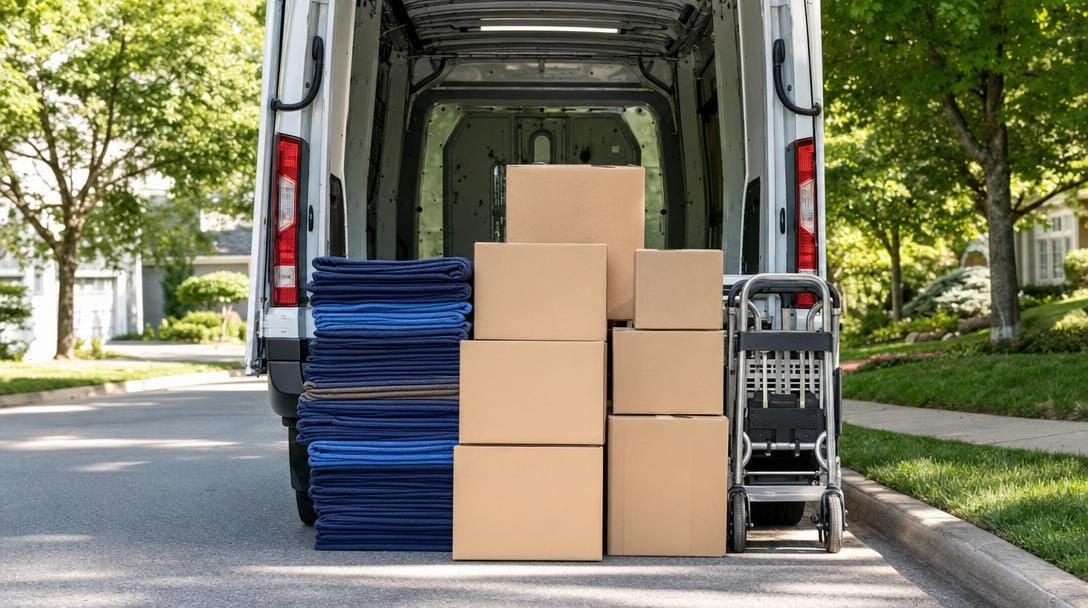
The core kit is short: moving blankets and plastic wrap do roughly 80 percent of the work, backed by straps, a dolly, and tape. Blankets cushion hard surfaces; stretch film binds them and seals drawers shut.
Gather everything before you touch a single piece. Stopping mid-wrap to hunt for tape is how corners get skipped. A full list of essential packing materials and supplies helps you buy once instead of running back to the store.
| Supply | What it does | Reusable? |
|---|---|---|
| Moving blankets (furniture pads) | Cushion hard surfaces, absorb impact | Yes |
| Stretch / plastic wrap | Holds blankets, keeps doors and drawers shut, blocks moisture | No |
| Ratchet & webbing straps | Anchor items to the truck wall | Yes |
| Furniture dolly / hand truck | Move heavy pieces without dragging | Yes |
| Corner protectors & bubble wrap | Guard edges and fragile faces | Partly |
| Painter's tape & marker | Bag and label hardware | No |
Rent or borrow blankets rather than substituting bedsheets—thin fabric offers no impact protection. Buy stretch film in both narrow (5-inch) and wide (18-inch) rolls so you can bundle chair legs and encase a whole sofa.
Disassemble Furniture First and Keep Hardware Organized
Furniture disassembly for moving is the step most people skip and later regret. Taking a bed frame, table, or shelving unit apart shrinks its footprint, removes fragile protrusions, and lets you wrap flat panels far more securely than an assembled shape.
Work in a clear order and bag as you go:
- Remove cushions, glass inserts, and loose shelves first.
- Unscrew legs from tables, sofas, and bed frames.
- Detach headboards and take doors off large wardrobes if possible.
- Keep each piece's manual or snap a photo of joints before separating them.
The hardware is what gets lost. Drop every bolt, screw, and Allen key into a labeled zip bag, then tape that bag directly to the underside of the piece it belongs to. For a deeper walkthrough, see this guide on how to prepare furniture when relocating.
Q: Should you take furniture apart before moving it?
A: Yes—disassembling beds, tables, and modular units reduces breakage risk and can free up meaningful truck space, making the load safer and cheaper to transport.
Pad and Blanket-Wrap Tables, Dressers, and Cabinets
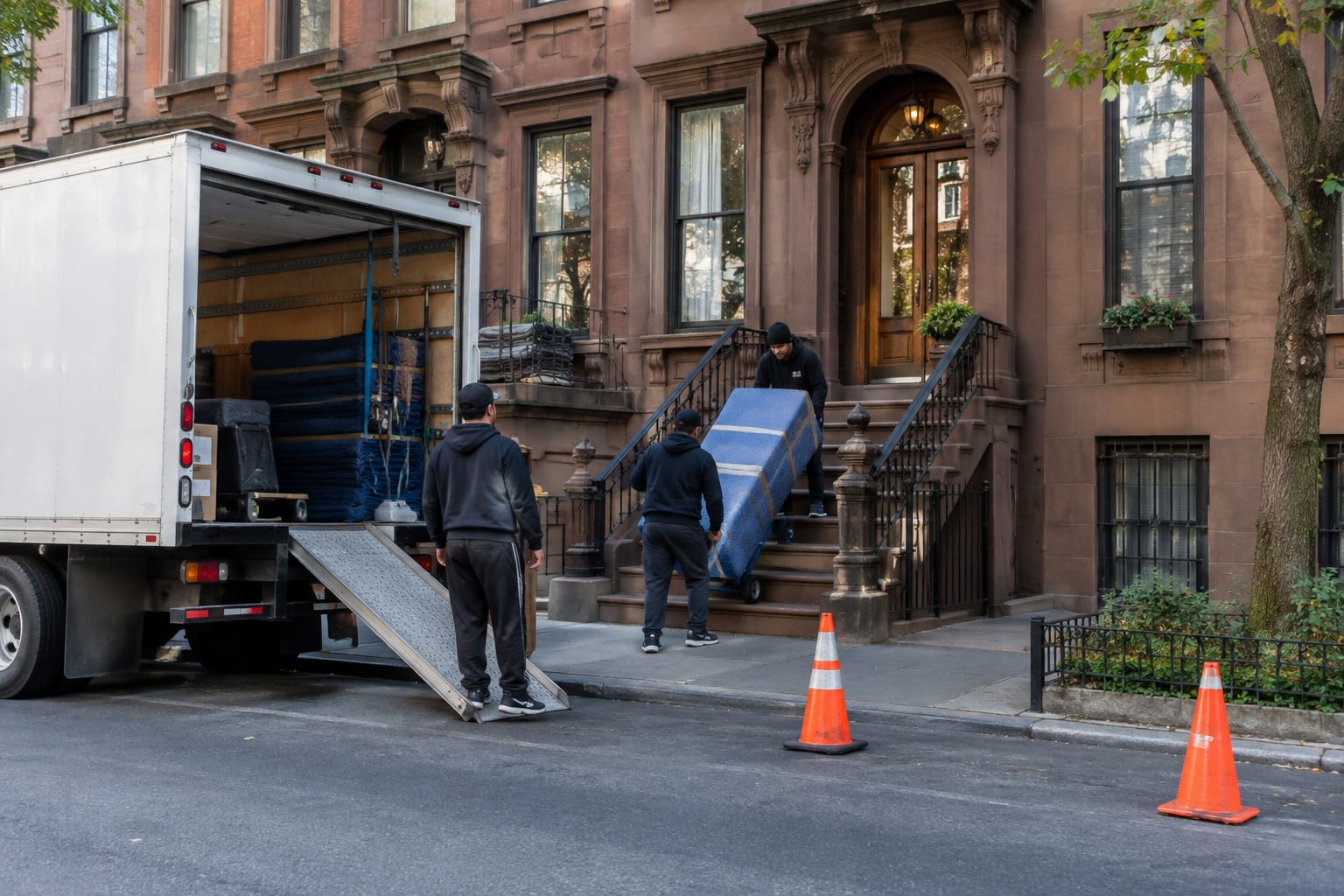
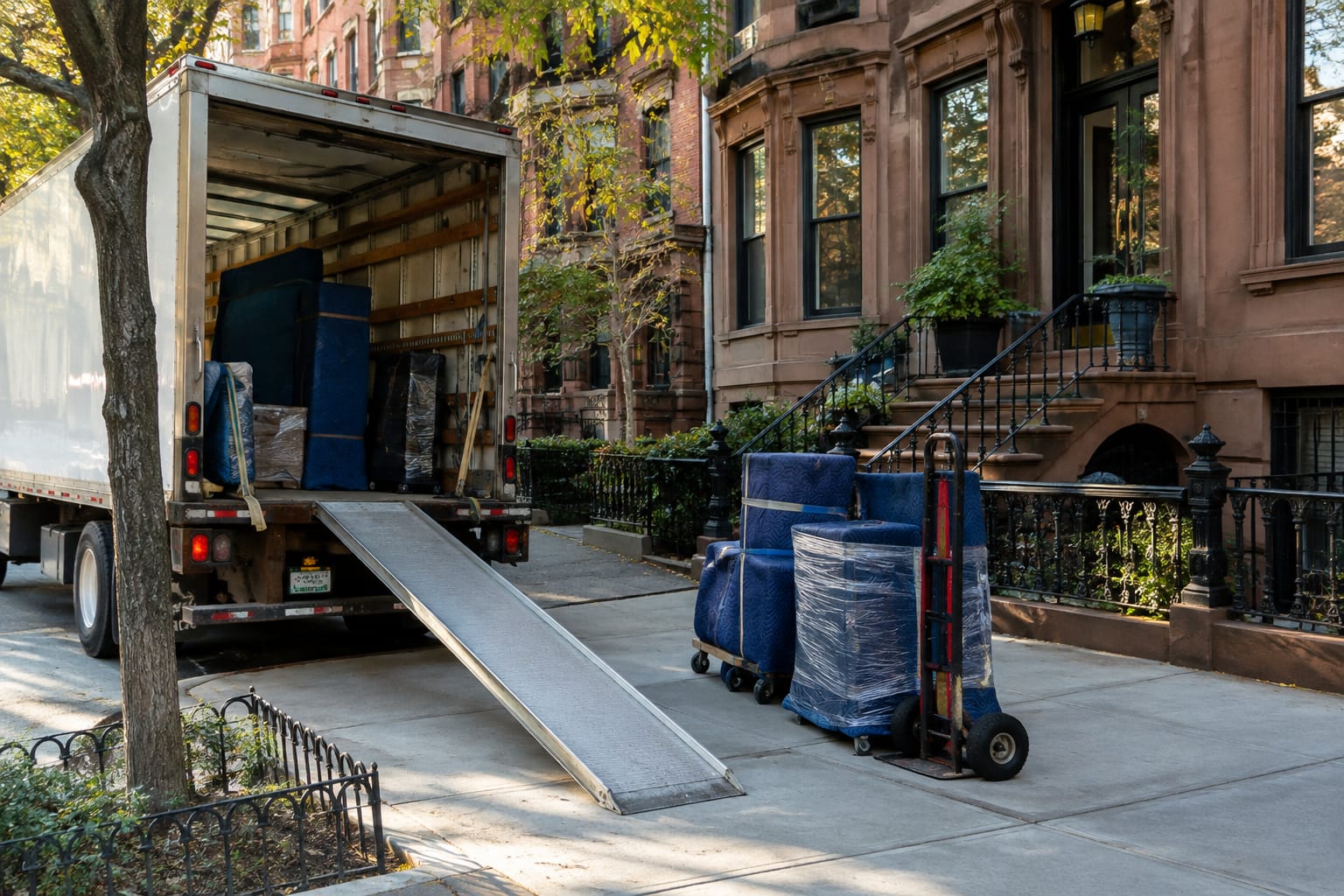
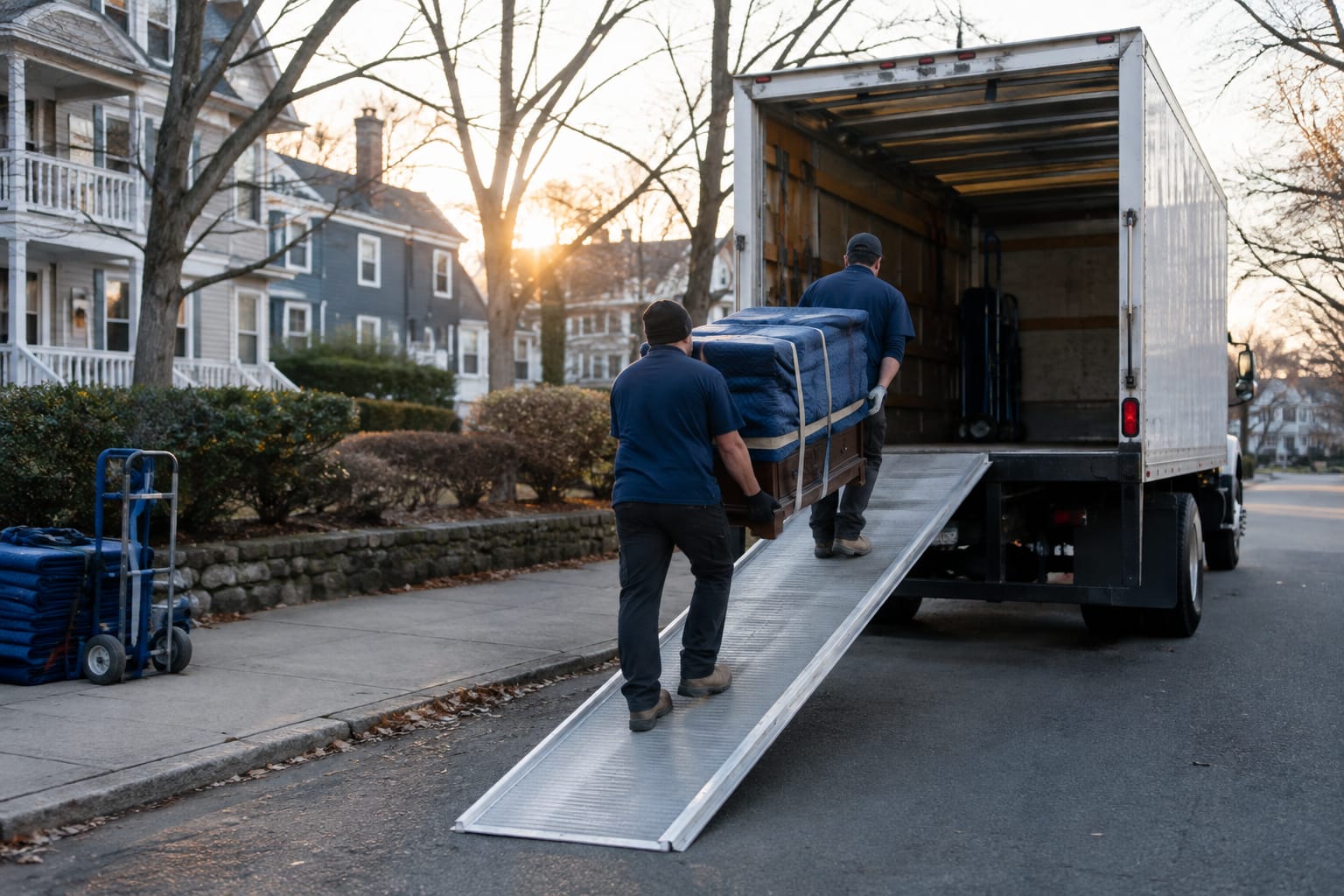
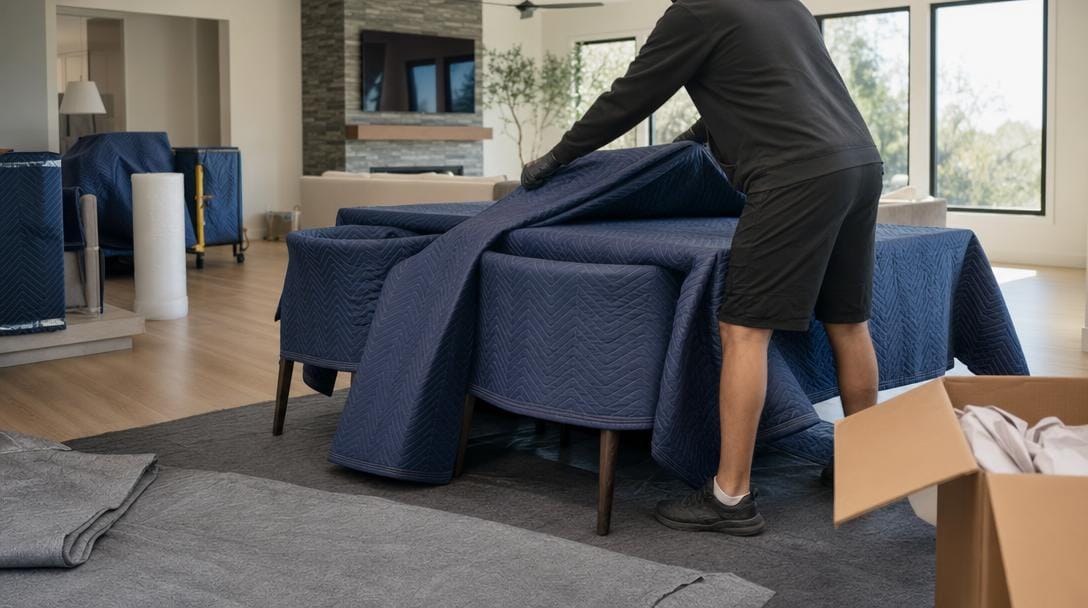
Hard-surfaced wood furniture needs full blanket coverage before it ever leaves the room. Drape a moving blanket over the top, tuck it down each side, and pay special attention to corners and legs—the first points to hit a doorframe.
Once the blanket is positioned, wrap stretch film around the whole piece in overlapping bands. The film compresses the padding and keeps it from sliding. Never apply plastic directly to bare or waxed wood, though—trapped moisture and adhesive residue can cloud the finish.
For dressers and cabinets, film also holds drawers and doors closed so they can't fly open on a turn. Crews from movers with packing services use double bands at the top and bottom of every tall cabinet for exactly this reason.
Pro Tip: Wrap table legs individually with narrow film and a strip of blanket before wrapping the tabletop. Legs snap where they meet the apron, and individual padding stops them from levering against each other in transit.
Plastic-Wrap Upholstery, Mattresses, and Drawers
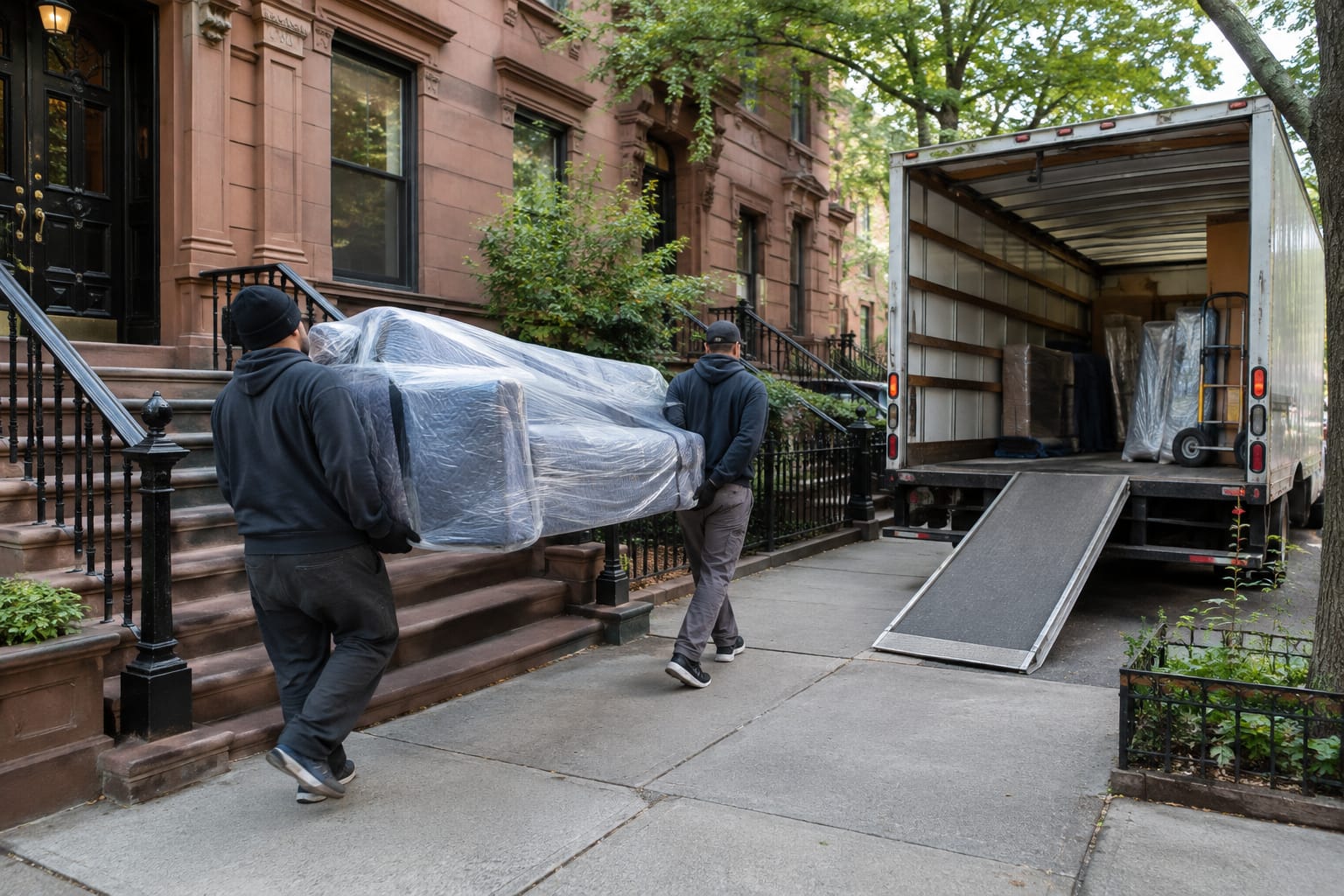
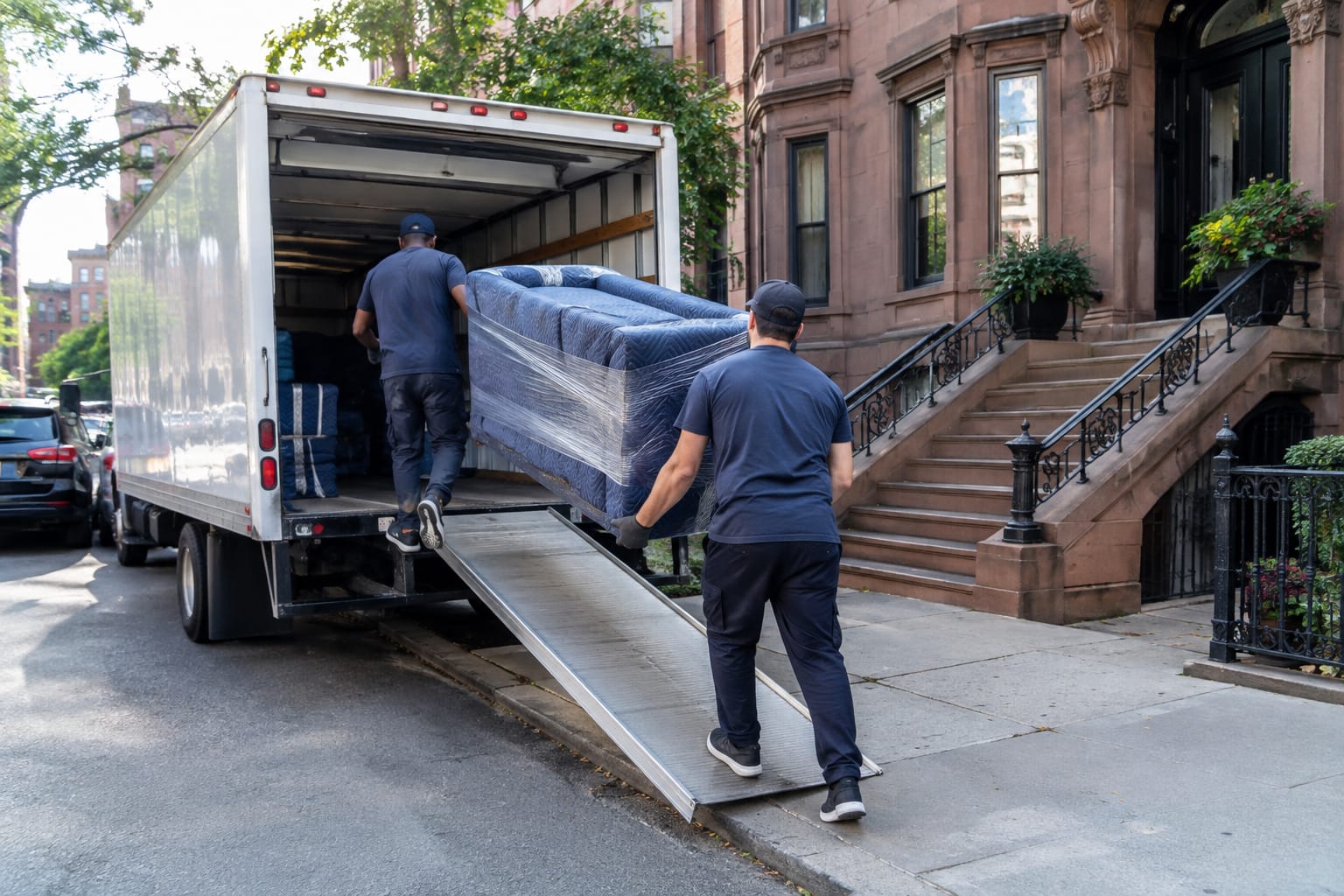
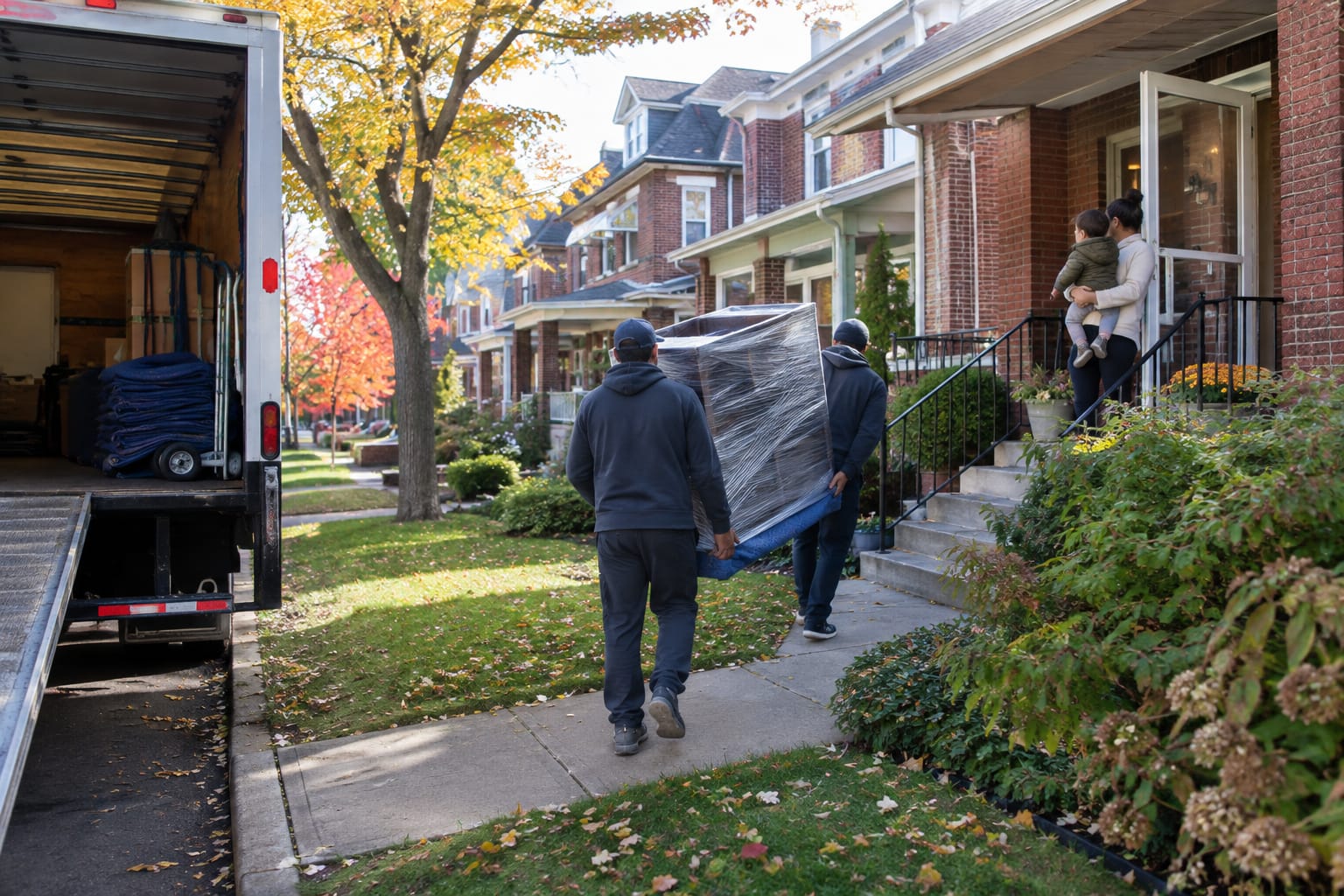
Soft goods need a moisture and dirt barrier more than impact padding. Here's how to wrap a couch for moving: vacuum it, tuck a blanket over the arms and back, then encase the entire sofa in stretch film so fabric stays clean and cushions stay put.
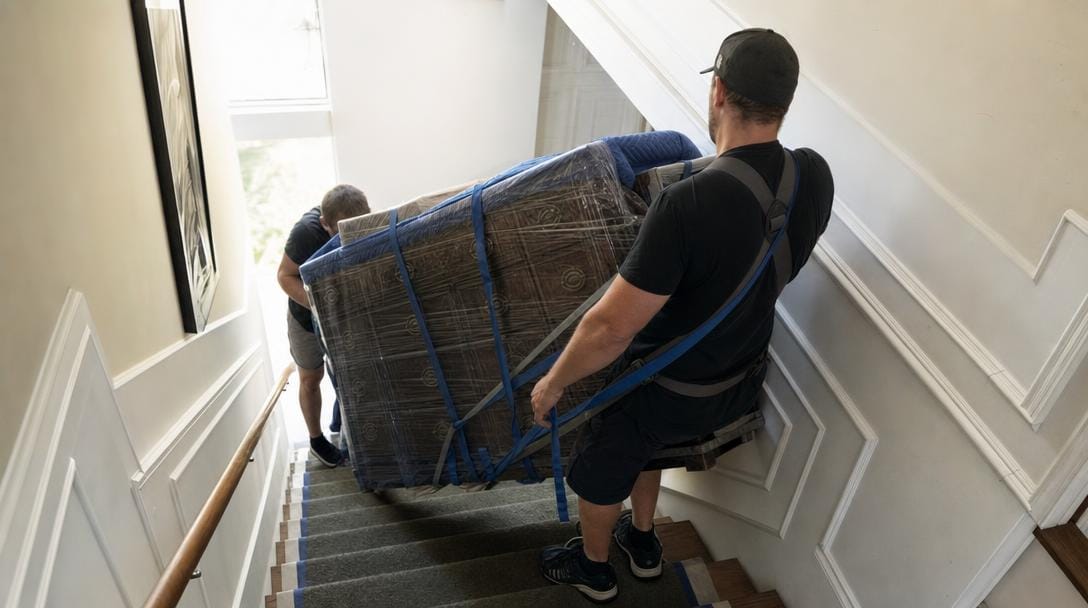
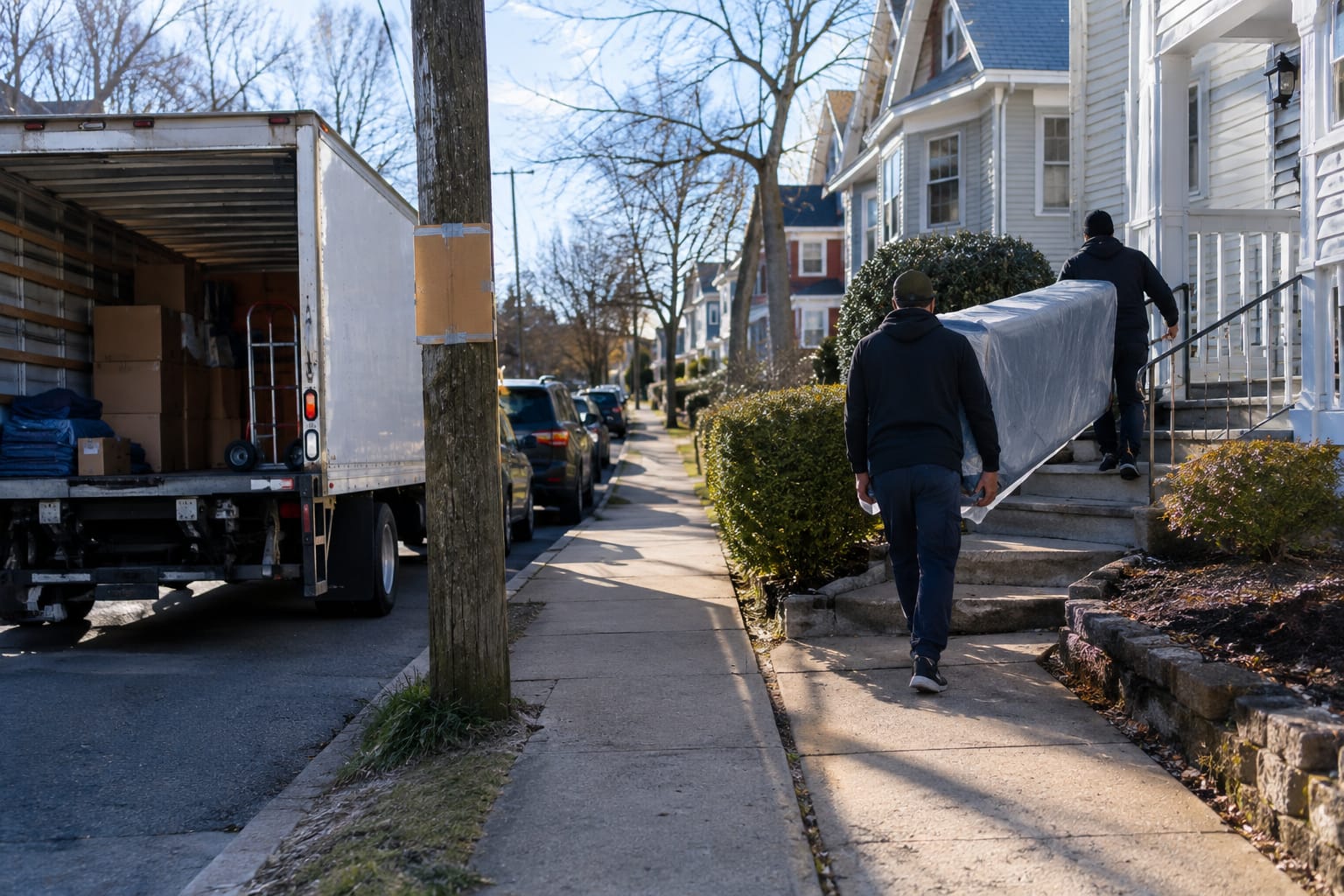
Mattresses ride best inside a dedicated mattress bag, then flat against a truck wall—never folded. Sealing them in plastic blocks the road grime and humidity that leave permanent stains, a real concern on longer routes handled by long-distance moving companies.
Loose drawers can stay filled with lightweight, non-fragile items to save box space. Wrap each drawer in film so the contents don't spill, or remove and stack them separately. Leather and antique upholstery are the exception—leave a breathable blanket layer against the surface before any plastic touches it.
How to Protect Fragile Items: Glass, Mirrors, Lamps, and Aquariums
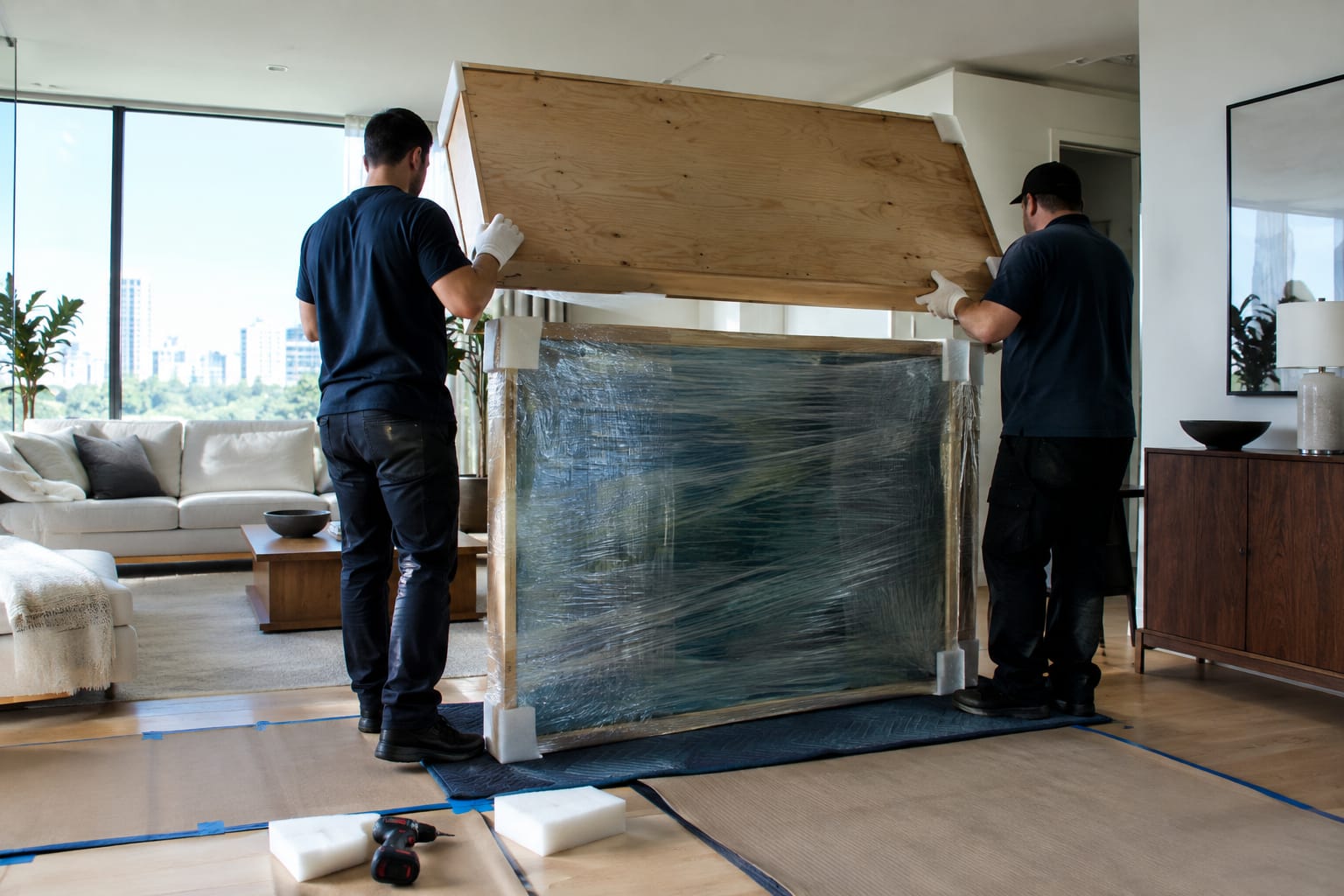
Fragile items require boxing and cell packing, not blankets alone. Glass, mirrors, and ceramics survive a move only when they're rigid, edge-protected, and stood on end rather than laid flat under weight.
Match each item to the right method:
| Fragile item | Best protection | Avoid |
|---|---|---|
| Wall mirror / framed art | Mirror carton + corner protectors | Loose against hard surfaces |
| Glass table top | Cardboard sandwich + blanket, stood on edge | Laying flat under load |
| Lamps (base + shade) | Shade boxed separately, base bubble-wrapped | Plastic film on the shade |
| Aquarium (drained) | Empty fully, towel-line, box | Moving with water or gravel |
| Antiques / heirlooms | Acid-free paper, custom crate | Stretch film on bare finish |
Protecting antiques during a move is its own discipline: use acid-free paper, breathable padding, and, for the most valuable pieces, a wooden crate. When the replacement value climbs, weigh that against professional handling—this breakdown of how much do movers cost puts crating fees in context.
For cushioning technique, this guide on types of bubble wrap and ways to use it covers small-bubble versus large-bubble choices for delicate surfaces.
Pro Tip: Mark fragile cartons on the top and all four sides, not just the lid. Once boxes are stacked, a side-facing label is the only one a loader can actually see.
Loading a Rented Truck So Nothing Shifts or Breaks
A perfectly wrapped piece still breaks if the truck is loaded loose. The goal is a tight, tiered wall of items that can't slide, tip, or crush each other over the drive.
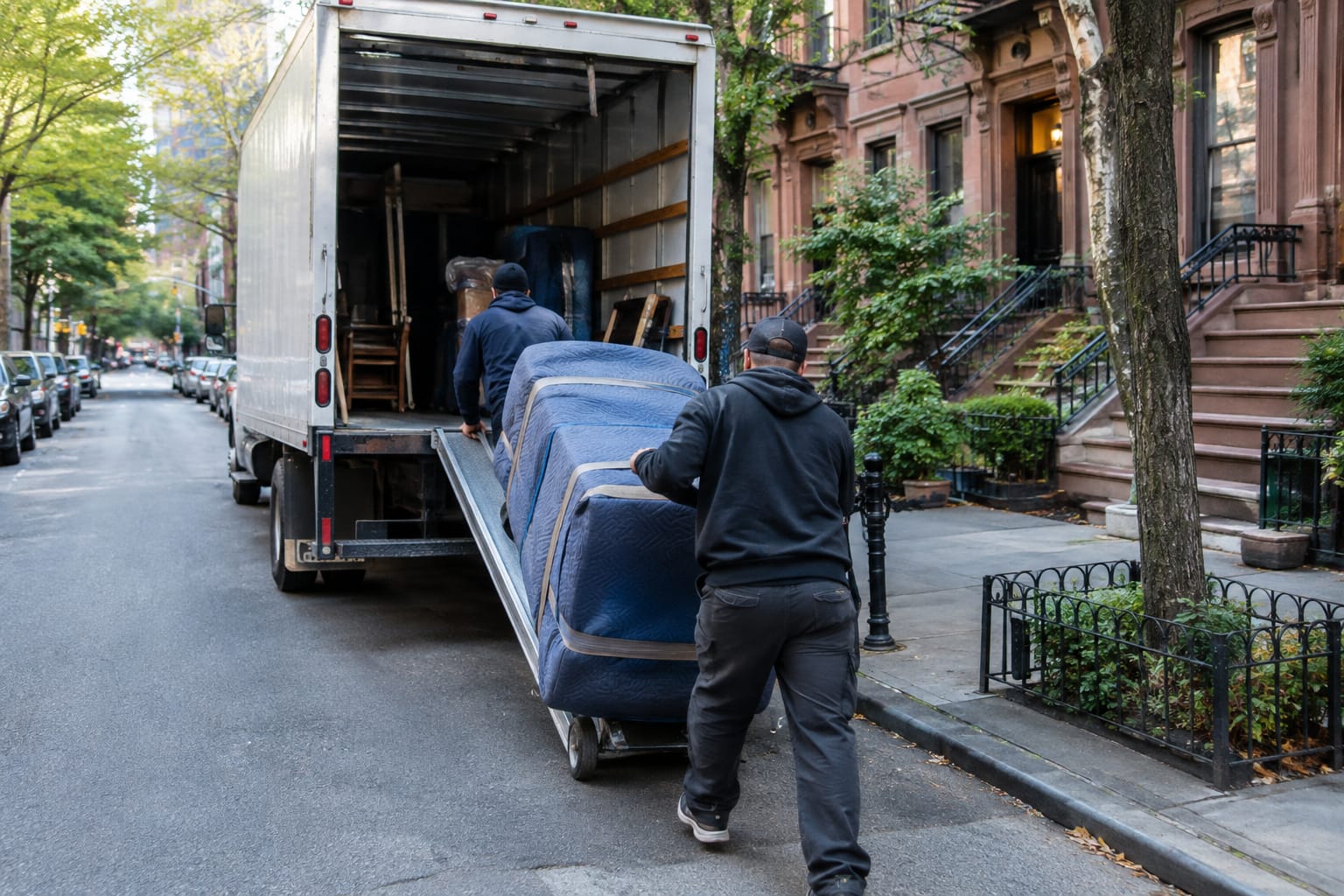
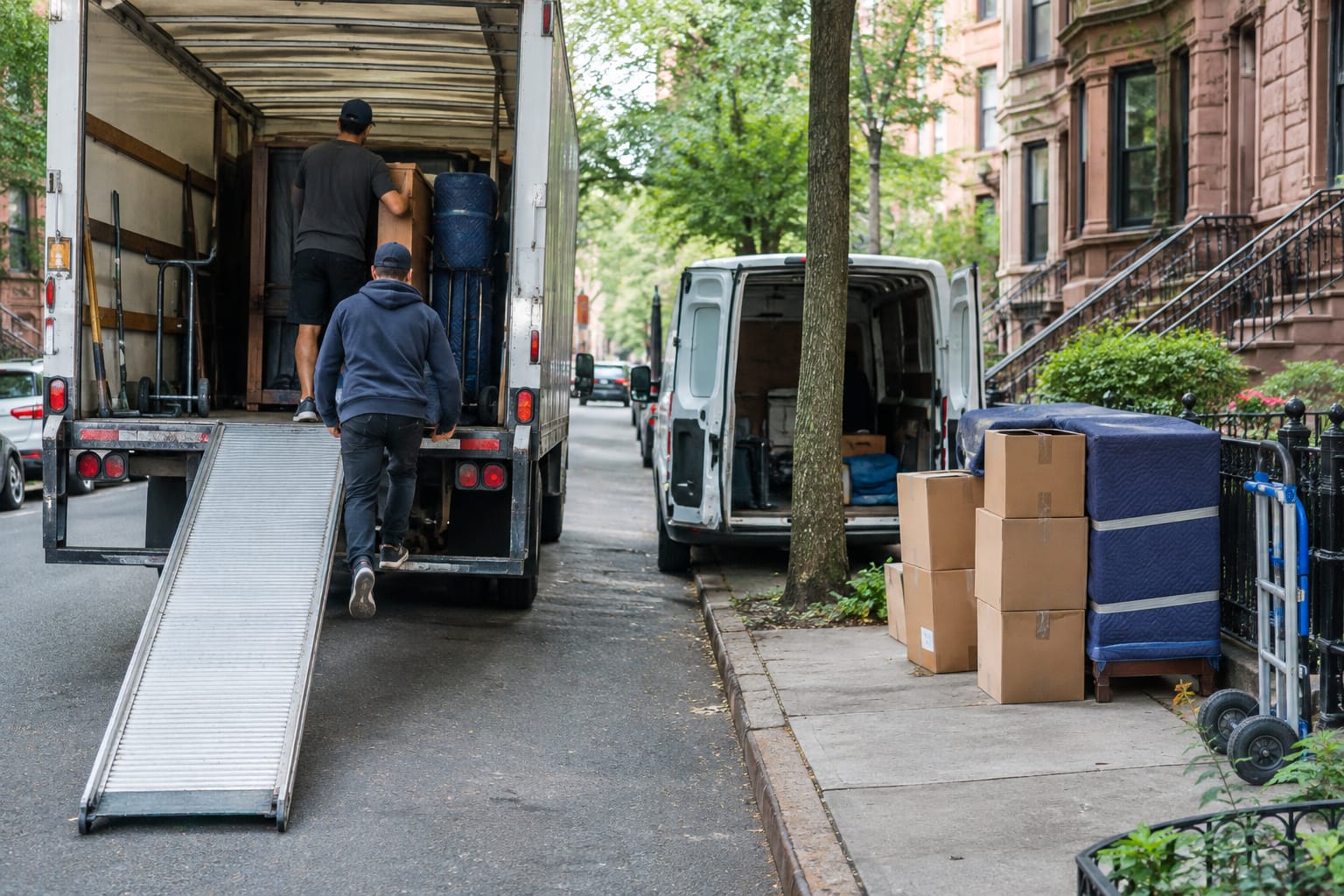
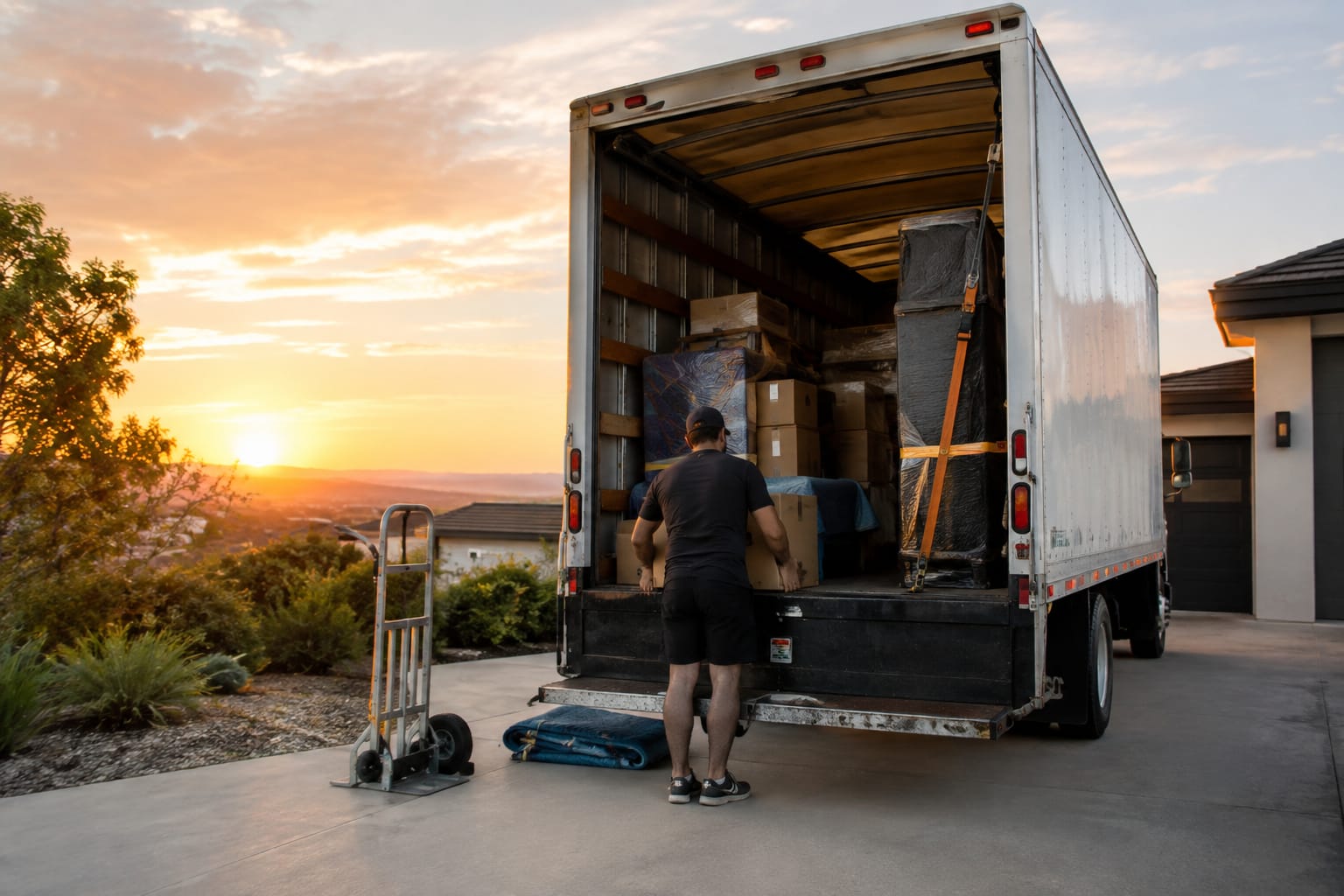
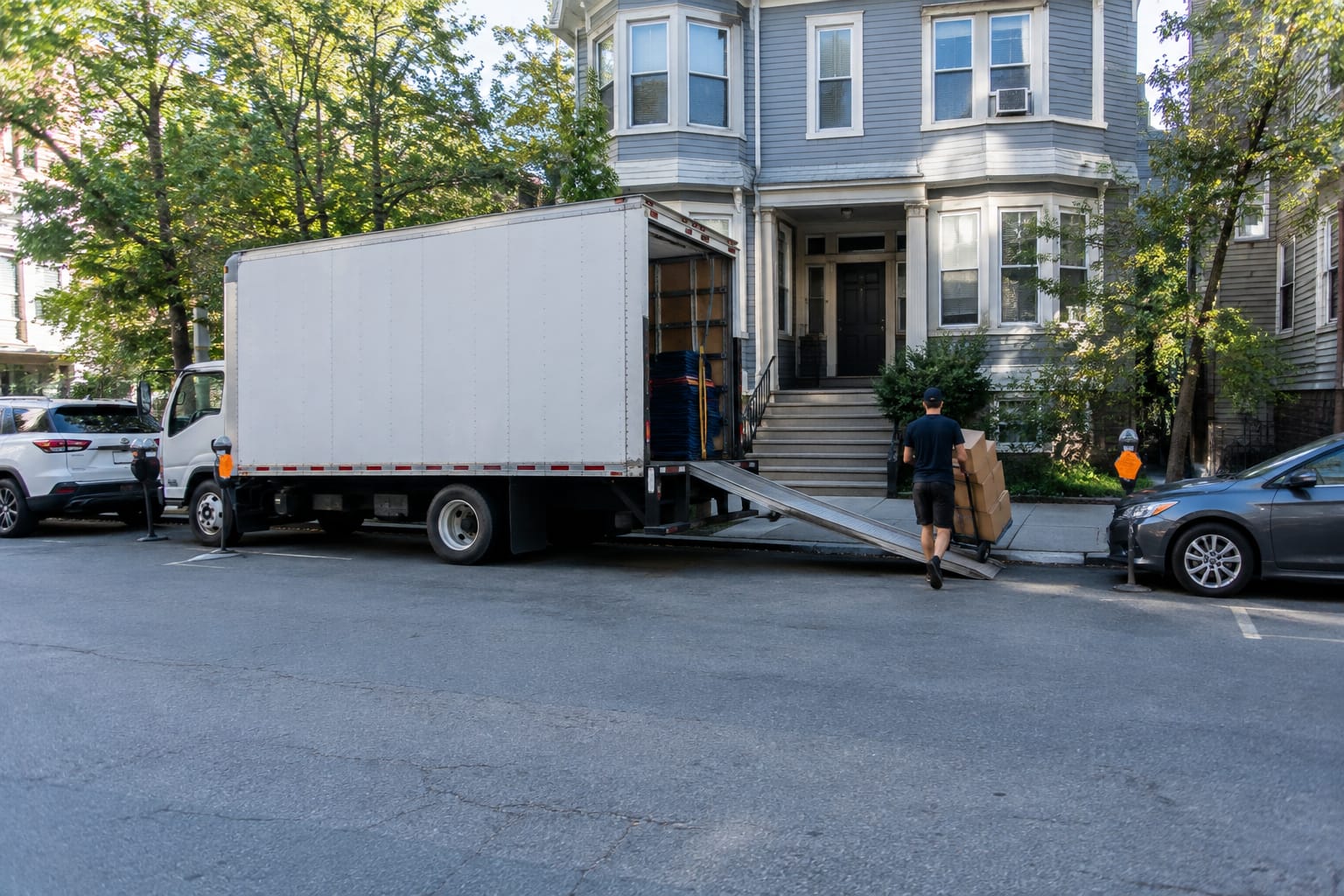
Load heaviest and largest first—dressers, appliances, and the mattress flat against the walls. Fill gaps with soft items and boxes so nothing has room to travel. Strap each tier to the truck's anchor points before building the next.
Keep fragile boxes and lamps for the top layer, never the bottom. For a full loading sequence, see this walkthrough on how to pack a truck for a long distance. If you'd rather hand off the heavy staging, it's straightforward to find packers and movers near you for load-only labor.
Q: How do you keep furniture from shifting in a moving truck?
A: Load heavy items low and against the walls, fill every gap with soft goods, and ratchet-strap each tier to the truck's anchor rails before adding the next layer.
When to Call in Loading Help: Stairs, Tight Windows, and High-Value Pieces
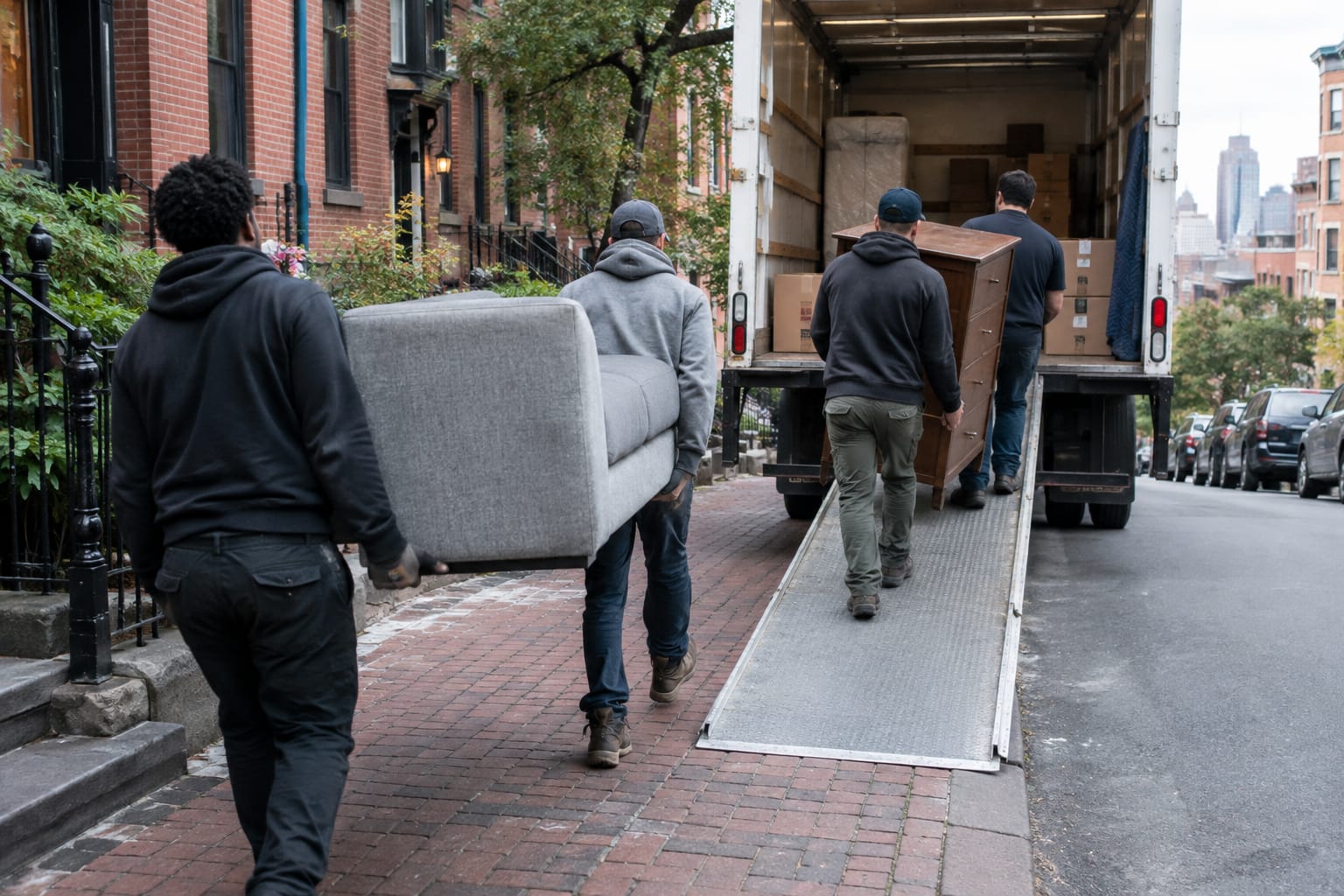
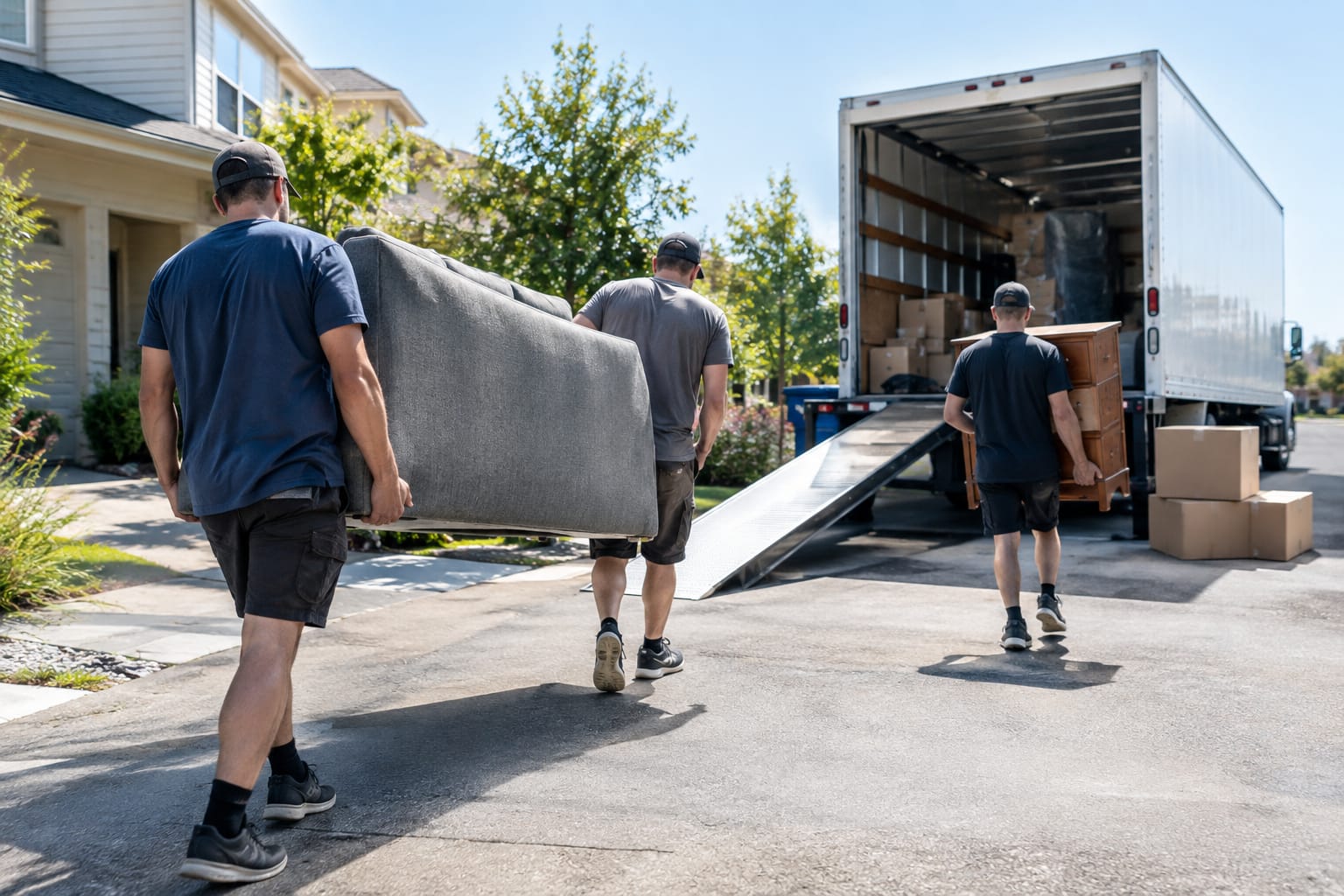
Some pieces are worth a professional's hands. Narrow stairwells, tight window turns, and heavy or high-value items are where DIY moves cause the most damage—and injuries.
Call in help when any of these apply:
- The piece weighs more than two people can safely carry up stairs.
- Doorways or landings force an awkward pivot with no clearance.
- The item is a piano, safe, or irreplaceable antique.
- Replacement value exceeds what you'd comfortably self-insure.
Pianos in particular need specialists; this guide on tips for moving a piano explains why. Professional movers train for exactly these scenarios—the trade employs a large, specialized workforce precisely because leverage and technique protect both people and property. If you're unsure, this overview of whether you can hire someone to move furniture covers load-only and full-service options.
Related Articles
- Moving from Boston to NYC: Costs, Timelines, and What to Expect — Understand the pricing and scheduling behind a common intercity route.
- PODS Moving Cost vs Full-Service Movers: Price Compared — Weigh container moves against full-service crews on cost and effort.
- Movers Near Me: How to Find Reliable Local Movers — Learn how to vet local companies before you book.
- Moving Quotation Guide: How to Read a Moving Estimate — Decode line items so no fee surprises you on moving day.
Recommended Reading
- Types of tape for packing when moving house
- The use of packing paper when moving house
- 8 common issues with moving and how to avoid them
- What packing supplies do I need for moving
- Full-service movers explained
Frequently Asked Questions