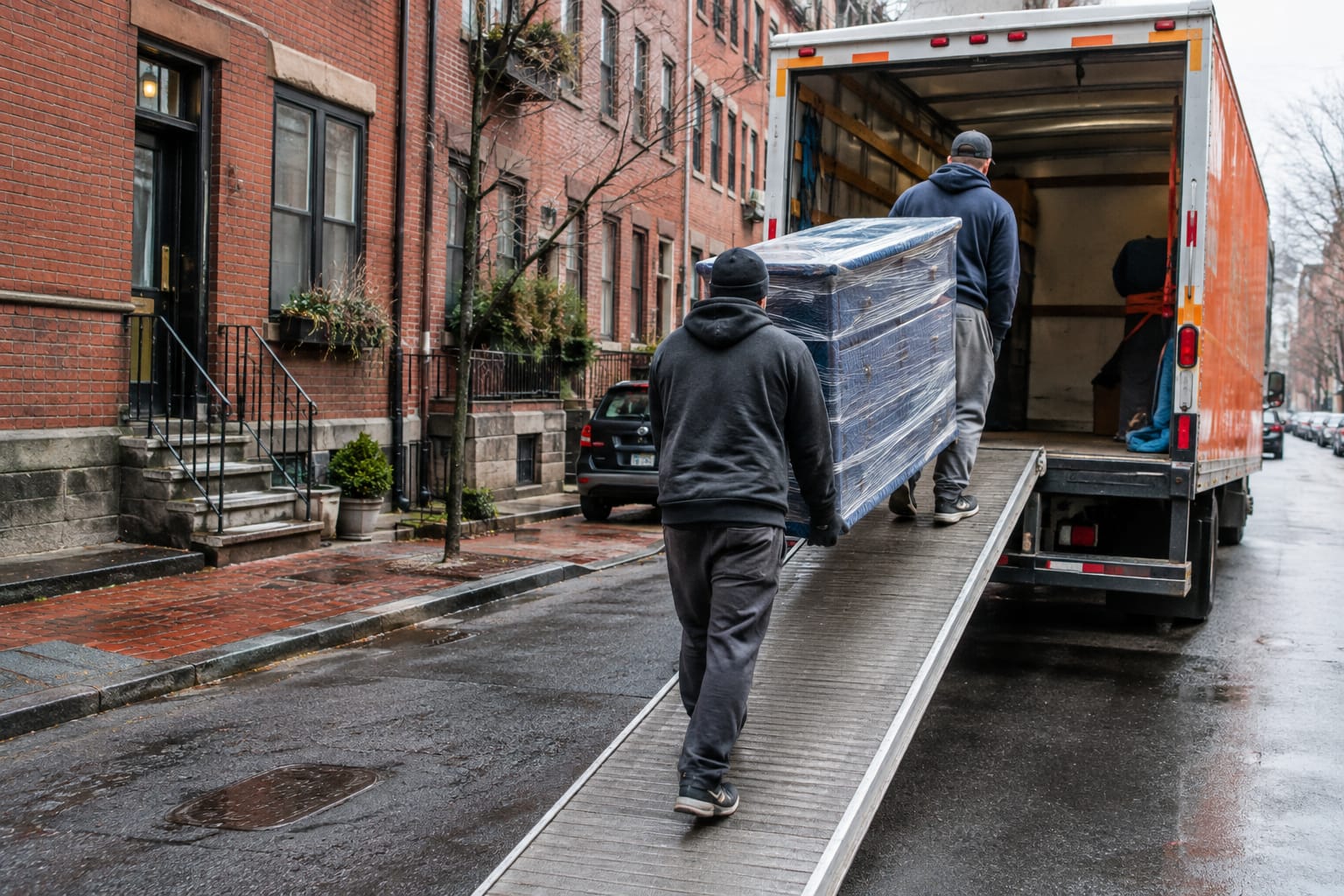
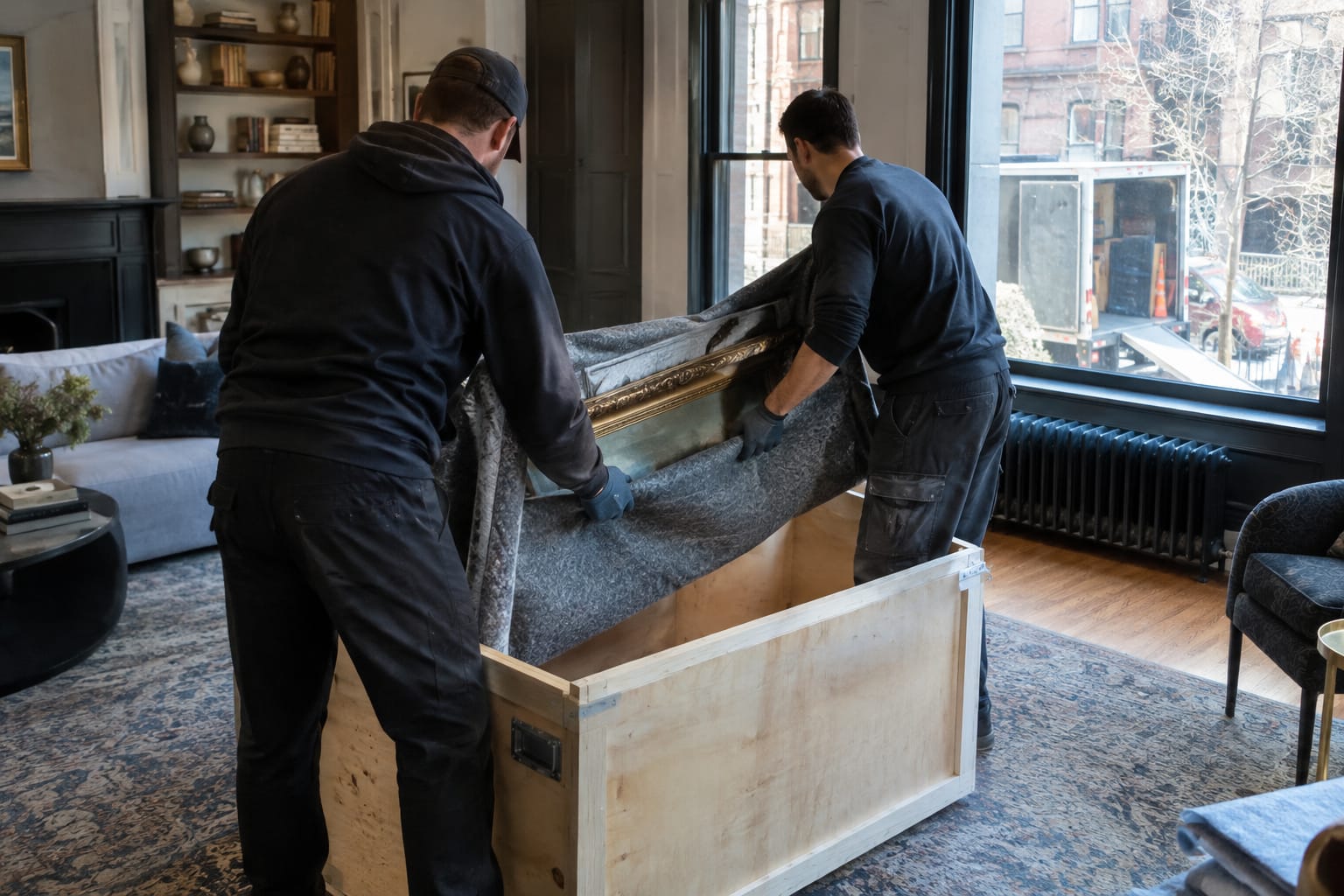
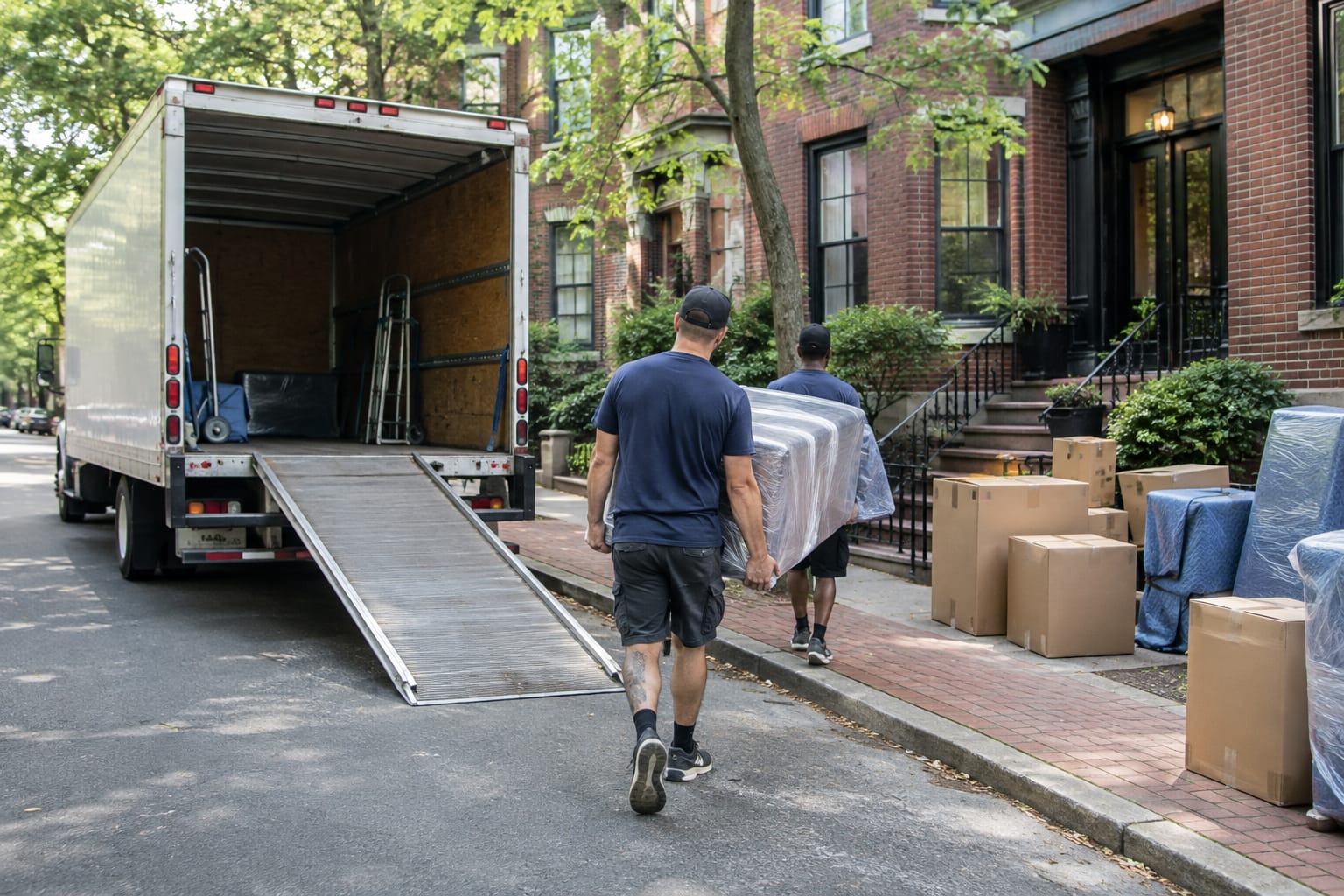
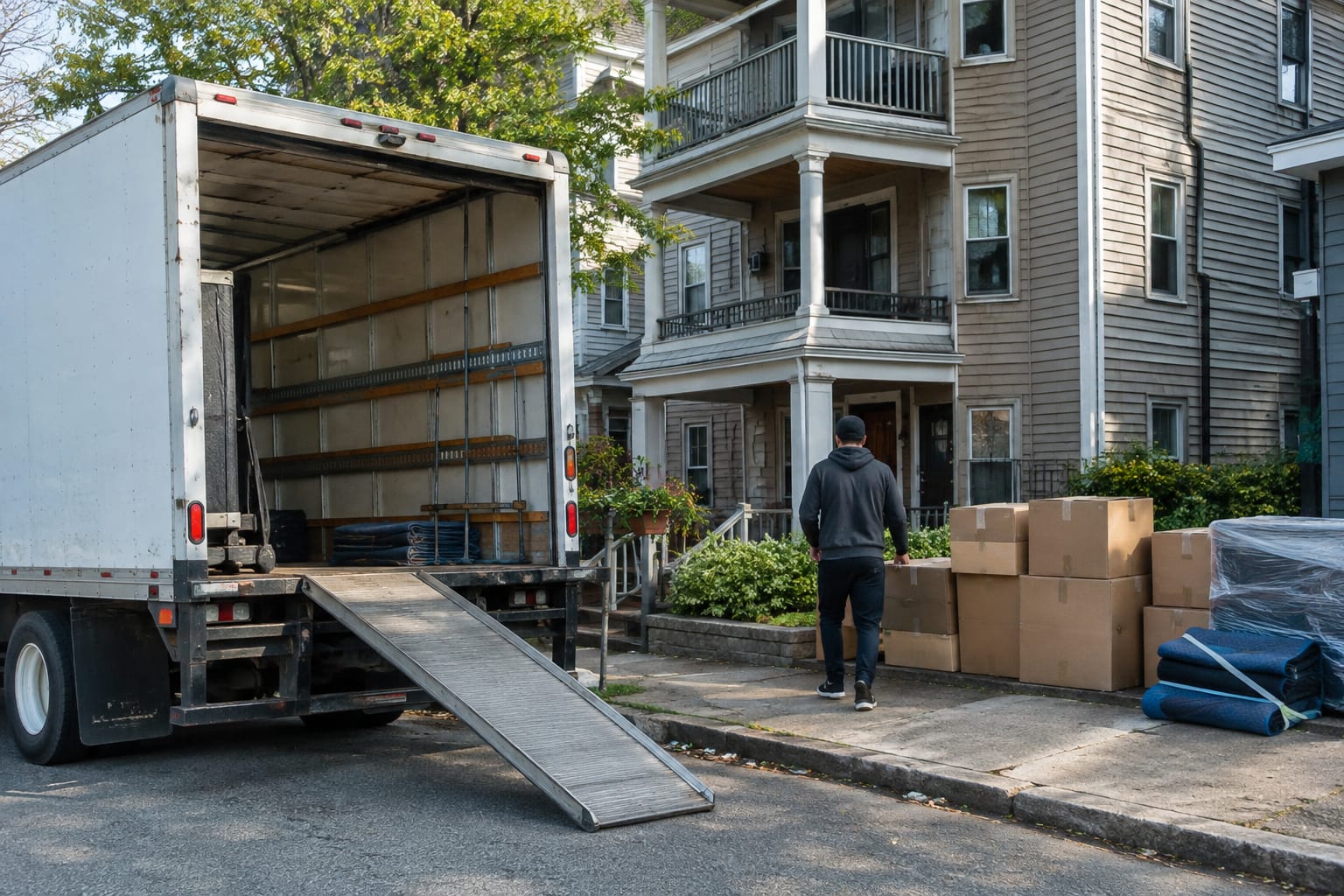
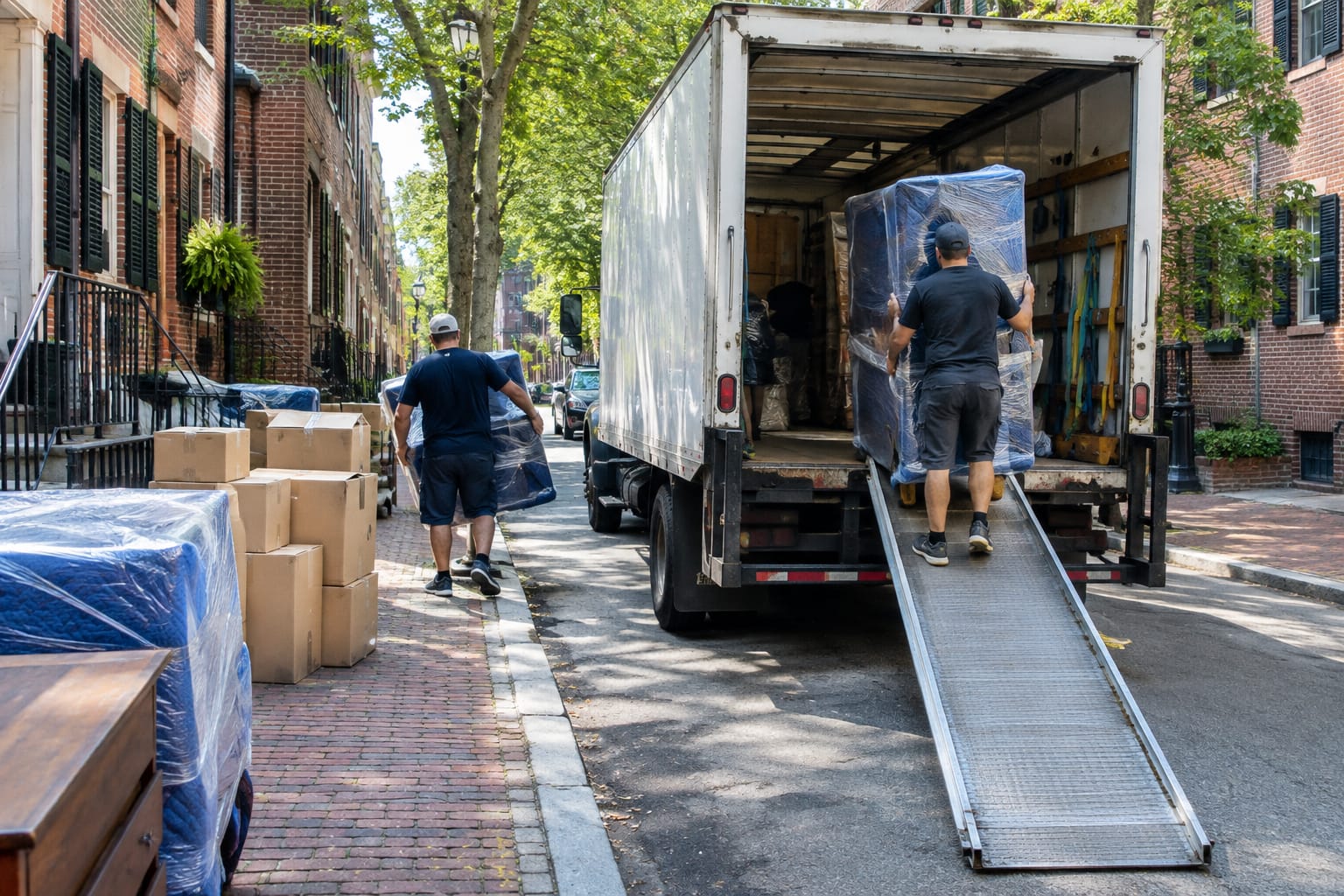
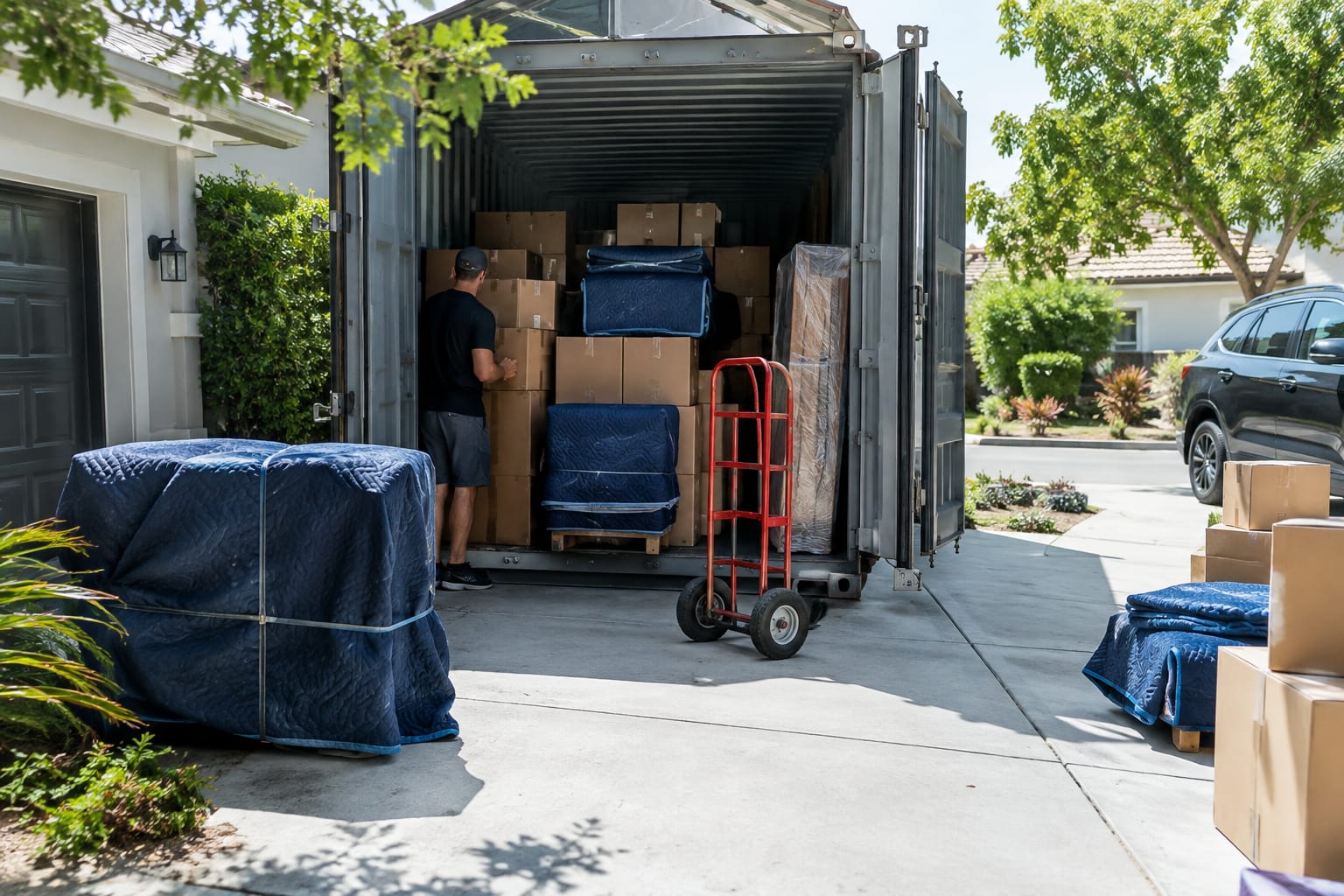
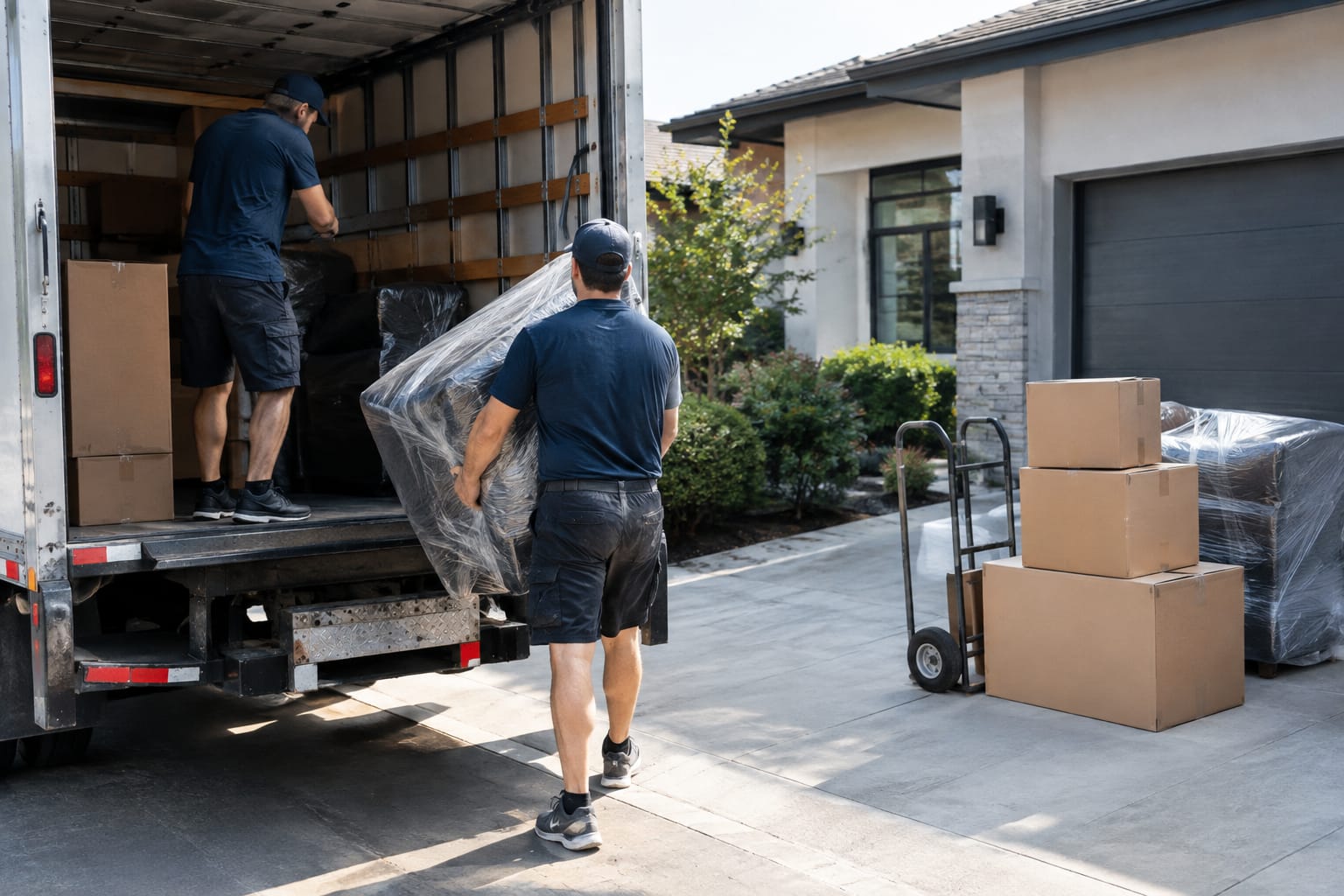
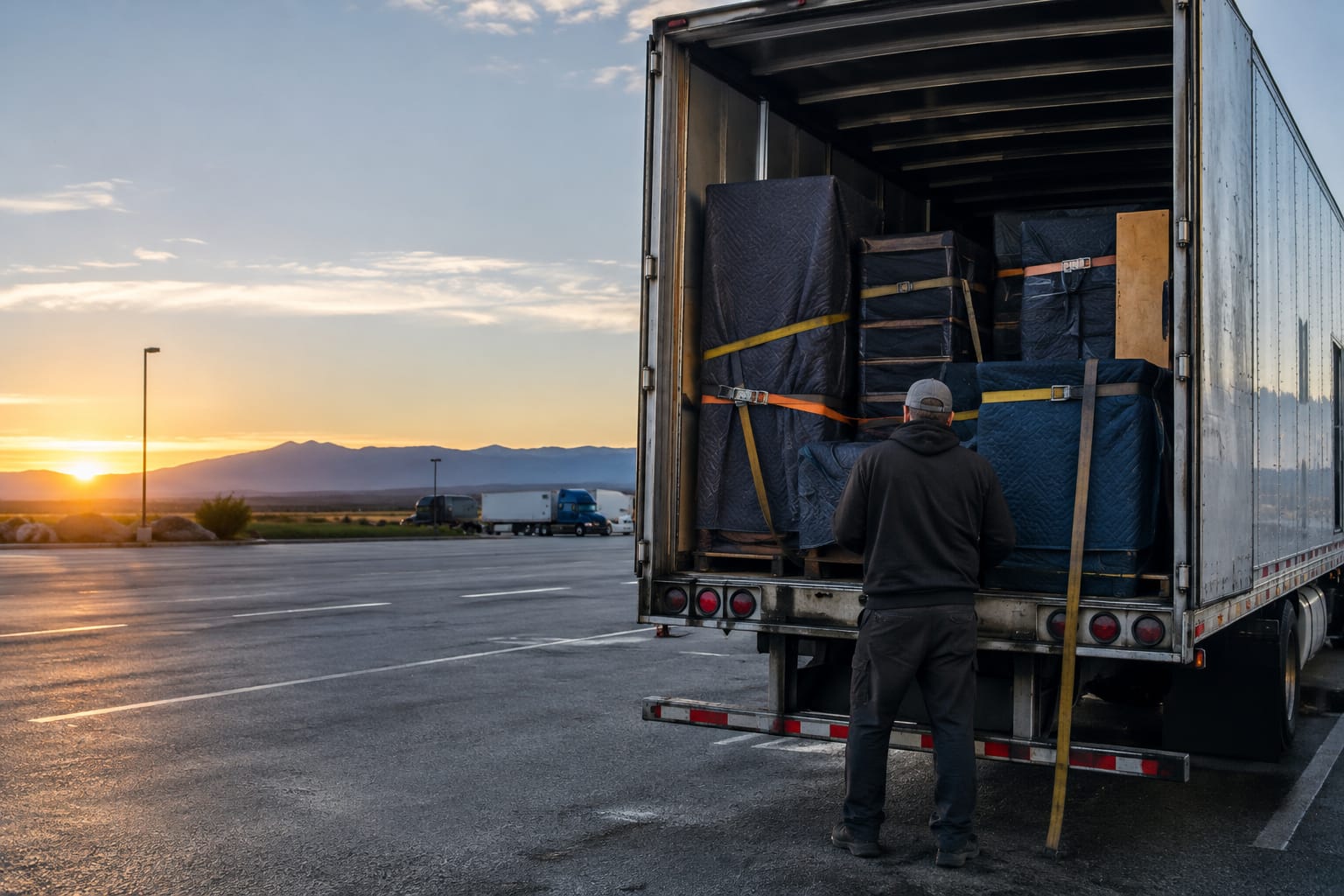
The moving broker vs carrier difference comes down to who does the work. A household goods carrier performs your move with its own crews and trucks. A household goods broker sells and arranges the move, then hands it to a carrier.
That difference decides who shows up on moving day and whose name appears on your paperwork. This guide shows how to read a company's federal record in a few minutes, and which questions reveal who will actually load, drive and deliver your belongings.
Key Takeaways
- Carrier vs broker: a carrier moves your goods itself; a broker arranges the move and relies on a carrier to perform it.
- The record is public: FMCSA's SAFER Company Snapshot shows whether a company is listed as a carrier, a broker, or both.
- Two numbers matter: ask every interstate mover for its USDOT number and MC number in writing, then look them up yourself.
- Names must match: the company on your quote, your paperwork and the truck should match the company on the federal record.
- Direct questions work: a short phone script reveals who employs the crew and who owns the truck.
Broker vs Carrier: The Difference in One Minute
Here's the short version. If you book a carrier, the company you hired sends its own people and equipment. If you book a broker, the company you hired finds a carrier to do the job.
| Household goods carrier | Household goods broker | |
|---|---|---|
| Main role | Loads, transports and delivers your belongings | Sells the move and arranges it with a carrier |
| Trucks and crews | Operates its own | Relies on the carrier's |
| How SAFER lists it | Entity type: CARRIER | Entity type: BROKER |
| Who you meet on moving day | The company you booked | A carrier the broker selected |
In that case, ask which role the company will play on your specific move.
What Federal Broker Rules Mean for You
What does this mean in practice? A broker's website, ads and quote should make its broker status clear. If a company talks about our trucks and our crews but the federal record lists it only as a broker, treat that mismatch as a question to resolve before you sign.
Q: Does a moving broker own trucks or employ movers?
A: Not in its role as a broker.
Booking through a broker is not wrong in itself. The point is to know which arrangement you are buying, so you can verify the company that will physically handle your things.
How to Check a Company on FMCSA SAFER, Step by Step
The FMCSA SAFER lookup takes about five minutes and costs nothing. Use this sequence for any interstate move.
- Get both numbers in writing. Ask for the company's USDOT number and MC number on the quote or in an email, not just over the phone.
- Search the record. Enter either number on the FMCSA SAFER Company Snapshot search page.
- Match the name and address. The legal name, any DBA (doing business as) name and the physical address should match the company you are talking to.
- Read the entity type and operating status.
- Confirm the authority type. Confirm the company's current authority directly with the FMCSA Licensing and Insurance system.
To practice reading a real record, search USDOT 2887241 or MC 985934, the numbers registered to Born to Move, and walk through each field yourself. For more detail, see this step-by-step USDOT number check.
Q: What does an MC number mean for a moving company?
A: Confirm the current definition directly with the Federal Motor Carrier Safety Administration (FMCSA). Looking it up in the FMCSA Licensing and Insurance system shows whether that authority is for a carrier, a broker, or both.
Questions That Reveal Who Will Load, Drive and Deliver
The federal record tells you what a company is allowed to do. Direct questions tell you what will actually happen on your move. Ask these on the phone and request the answers in writing.
- Will your own employees load my belongings, or will another company do it?
- Whose truck will arrive, and what name and USDOT number will be on the door?
- Will the same company drive the truck and deliver at the destination?
- If another company performs any part of the move, what is its legal name and USDOT number?
- Whose name will appear on my bill of lading, the contract and receipt for the shipment?
- Who do I call on moving day, and who answers if something goes wrong in transit?
Clear, specific answers are a good sign. Vague replies such as we work with a network of partners deserve a follow-up question. For a broader list covering pricing, scheduling and access, review these questions to ask before hiring a mover.
Match the Names on Your Paperwork
Every document in an interstate move should point back to a company you have already verified. That includes the written estimate, the order for service and the bill of lading.
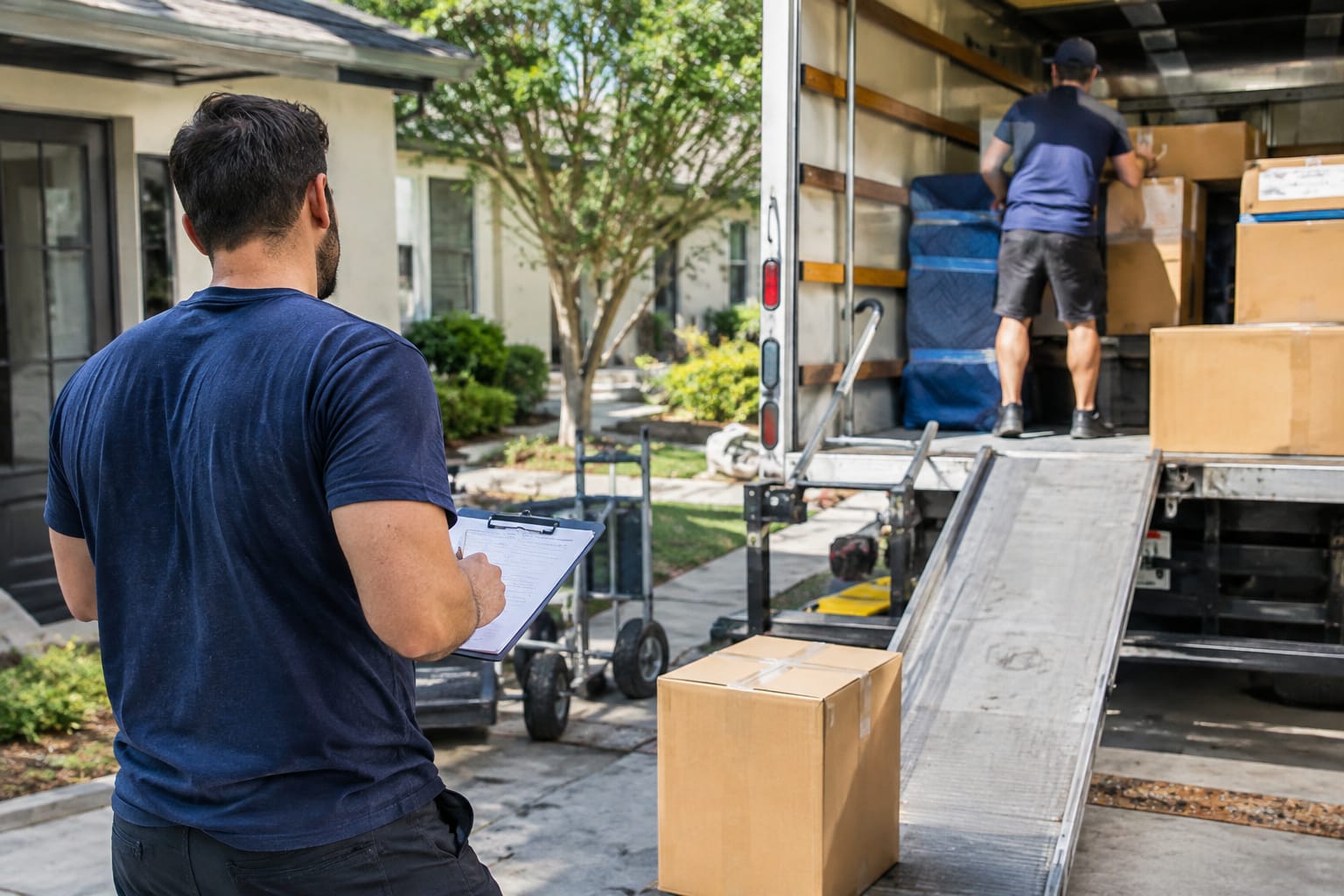
Before loading begins, compare the company name and USDOT number on the paperwork with the truck and with the SAFER record. If a different company's name appears, ask who that company is and look it up before anything goes on the truck.
Read it before moving day, since it explains each document in the regulator's own words.
More about the service: Houston Long Distance Movers
Red Flags to Watch for Before You Sign
Most problems on long-distance moves show warning signs early. Watch for these red flags for moving companies, whether the company is a broker or a carrier.
- No numbers, or numbers that do not match. The company cannot give a USDOT or MC number, or the record belongs to a different name.
- Status contradictions. The company says it runs its own trucks, but SAFER lists it only as a broker.
- Not Authorized status. The record shows inactive or revoked authority for interstate household goods.
- No written quote. Pricing arrives only by phone, or the company quotes without asking about your inventory.
- Pressure to commit. A large deposit is demanded immediately, or the offer expires within hours.
- A changing cast. A new company name shows up on the paperwork or the truck with no explanation.
Any one of these is a reason to pause and verify. For more warning signs and how to respond to them, read this guide to avoiding moving scams.
Choosing Your Next Step
Once you know which arrangement you want, the decision gets simpler. Verify every company on your shortlist in SAFER, ask the crew questions above, and compare written quotes built from your actual inventory.
If you are planning an interstate move from New England, you can compare those checks against interstate moving with Born to Move, where long-distance moves are quoted from a confirmed inventory with the delivery window agreed in writing. Readers starting from southern New Hampshire can also review long-distance moving quotes out of Nashua, NH.
Is it a problem to book through a broker?
Not by itself. A broker can be a legitimate way to arrange a move. Ask which carrier will perform the work so you can verify that carrier too.
Can one company be both a broker and a carrier?
Yes. SAFER lists such companies with the entity type CARRIER/BROKER. Ask which role the company will play on your move, and get that answer in writing.
Written by Born to Move Team
Related Articles
- Help Loading a U-Haul in Boston: How Labor-Only Movers Work — how labor-only loading crews work if you decide to drive the truck yourself.
Useful Links
- How to Check a Moving Company's US DOT Number
- How to Hire an Interstate Moving Company
- Long-Distance Moving Companies: How to Choose the Right Mover
- Interstate and Long-Distance Moving – Born to Move
- Get a Moving Quote – Born to Move
Need help with this? Houston Long Distance Movers · Get a quote · Call (617) 903-2609
Frequently Asked Questions