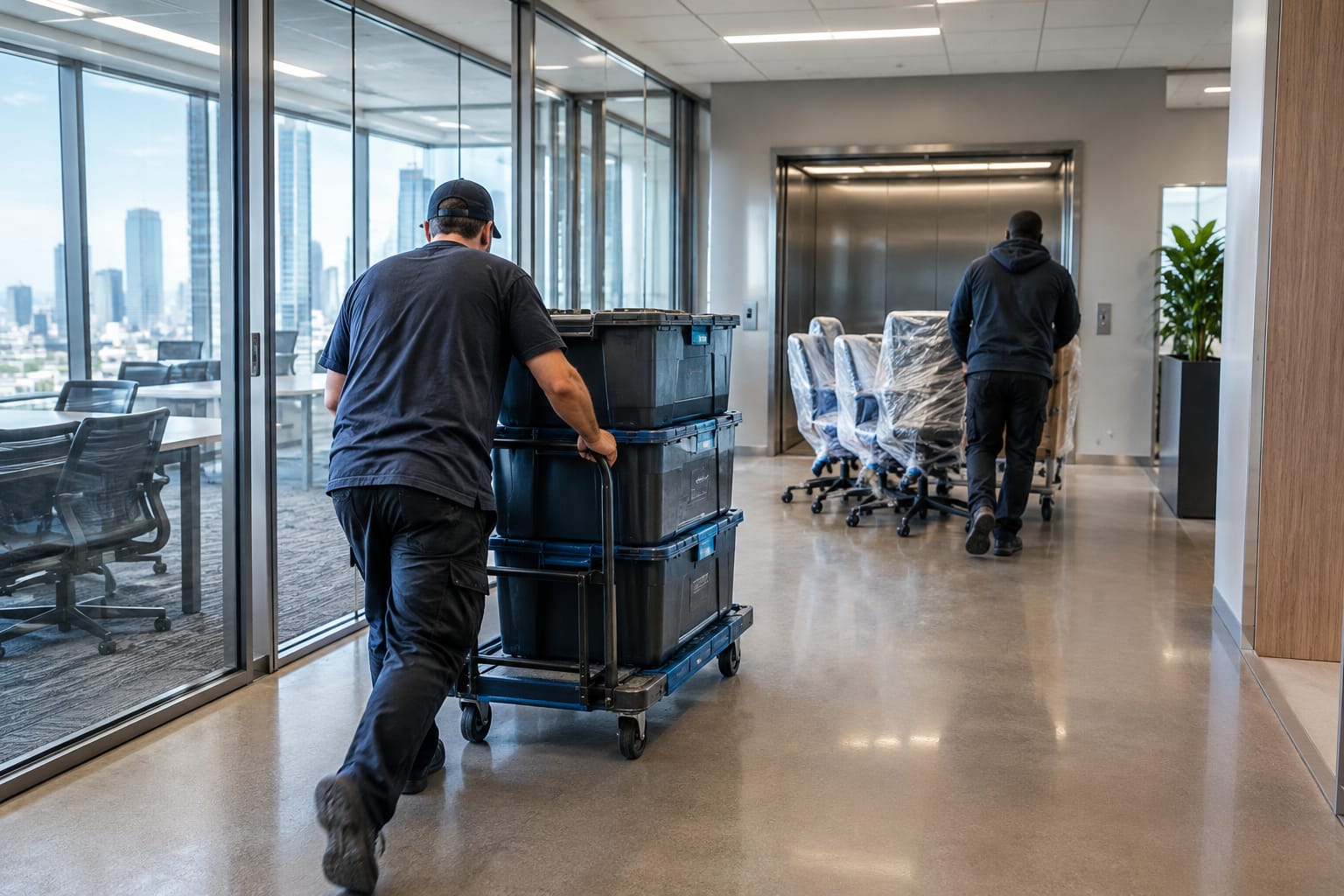
For a studio or small one-bedroom, renting a U-Haul is usually cheaper than hiring movers. For a two-bedroom walk-up in Greater Boston, the gap shrinks quickly once mileage, fuel, equipment, supplies, parking and a full day of your own labor reach the bill. The uhaul vs movers choice is a total-cost question, not a sticker-price one.
This guide breaks down every cost line on both sides and runs an illustrative side-by-side example using real hourly crew rates. It also covers the Boston-specific risks that national comparisons skip, including truck-banned parkways, low bridges and narrow streets. Finally, it explains the hybrid move, a middle path many Boston renters overlook.
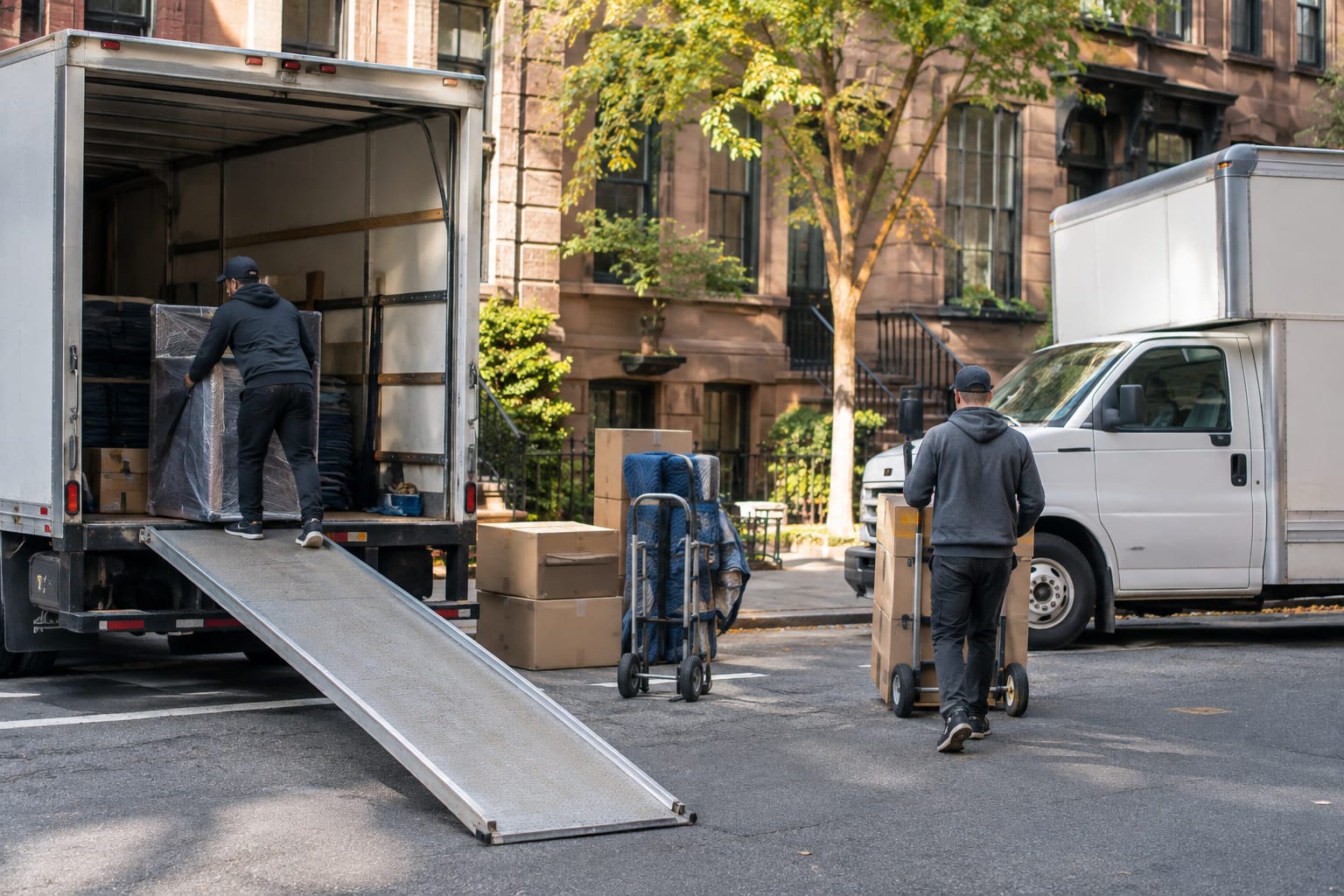
The Short Answer: When Each Option Makes Sense
Three models cover nearly every local move. Choose based on how much you own, how many stairs you face, and how much risk you will accept behind the wheel.
- DIY move with a rental truck: Fits a studio or small one-bedroom with ground-floor or elevator access and two or three reliable friends.
- Hybrid move: You rent and drive the truck, and a labor-only crew loads and unloads. This suits heavy furniture or walk-ups when you still want to control costs.
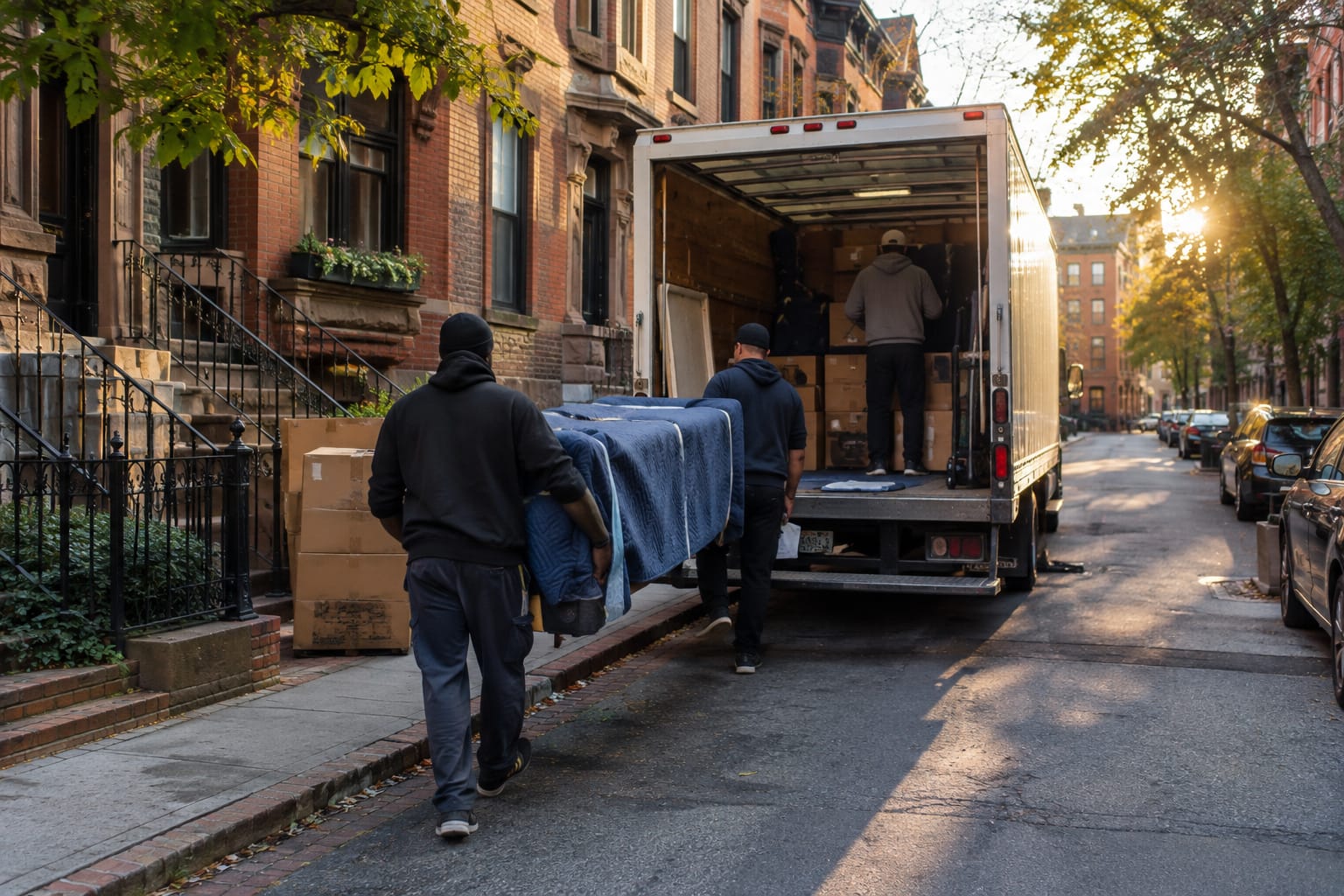
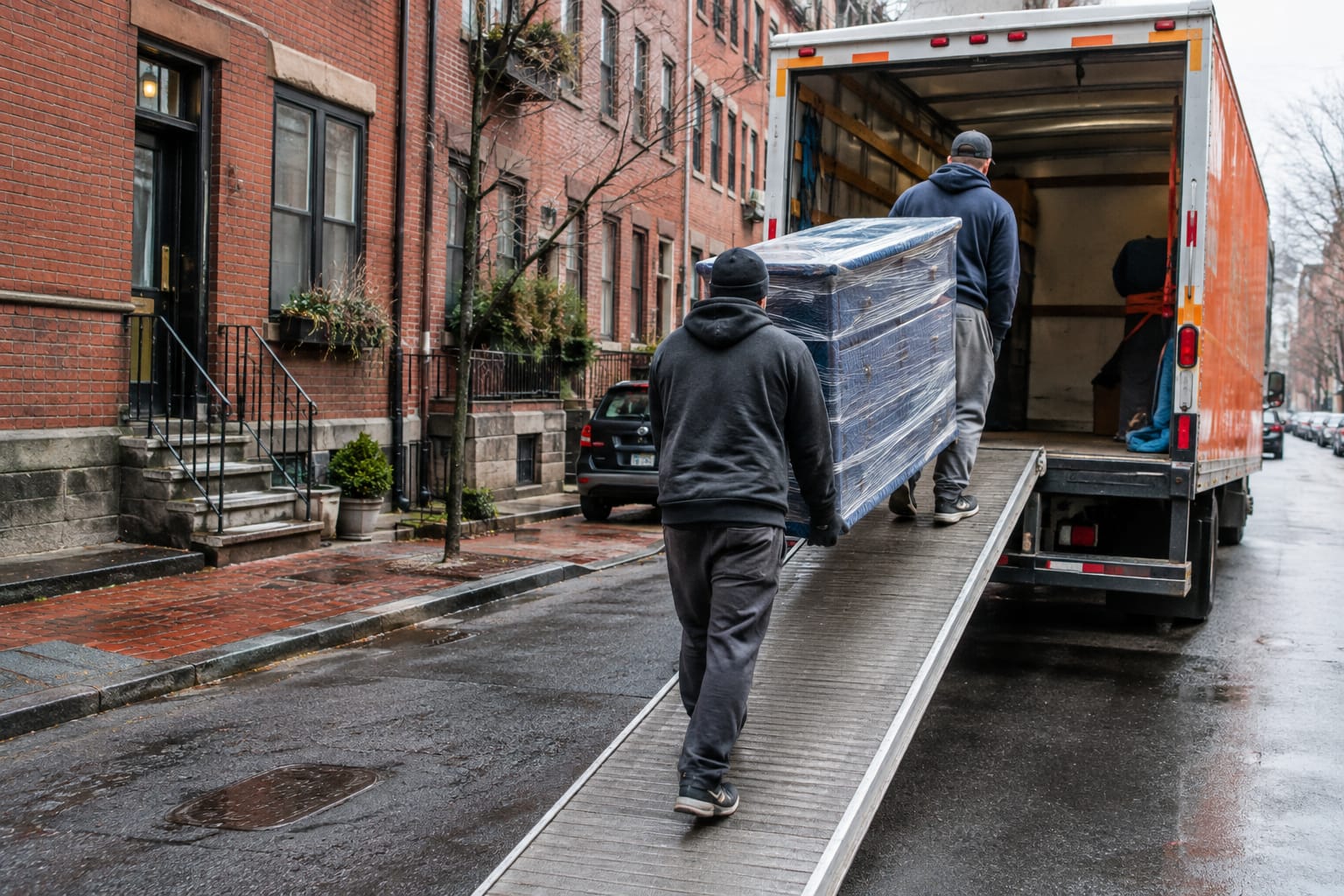
- Full-service movers: A crew brings the truck, loads, drives and unloads. This makes sense for two bedrooms and up, several flights of stairs, tight deadlines, or no available helpers.
Q: Is it cheaper to rent a U-Haul or hire movers in Boston?
A: Usually yes for a studio or small one-bedroom, where friends do the lifting and the route stays off Storrow Drive. For a two-bedroom walk-up, mileage, fuel, equipment, supplies and a lost workday narrow the difference considerably.
The rest of this guide shows how to run that math for your own move.
What a U-Haul Move Really Costs: Rental, Mileage, Fuel and Extras
The advertised truck price is a starting point, not the final bill. U-Haul prices in-town truck rentals as a base rate plus a per-mile fee. Both charges vary by pickup location, date and truck size, so the only reliable number is the quote for your exact location and day.
Here is what goes on a typical DIY bill:
- Base rental. The daily rate for the truck size you reserve.
- Mileage fee. Charged on every mile: from the rental location to your old home, the move itself, any second trip, and the drive back to return the truck.
- Fuel. Box trucks burn far more fuel than a car, so check current New England gasoline prices from the U.S. Energy Information Administration when you budget.
- Optional damage coverage. Sold at the counter. Read what it covers before you accept or decline it.
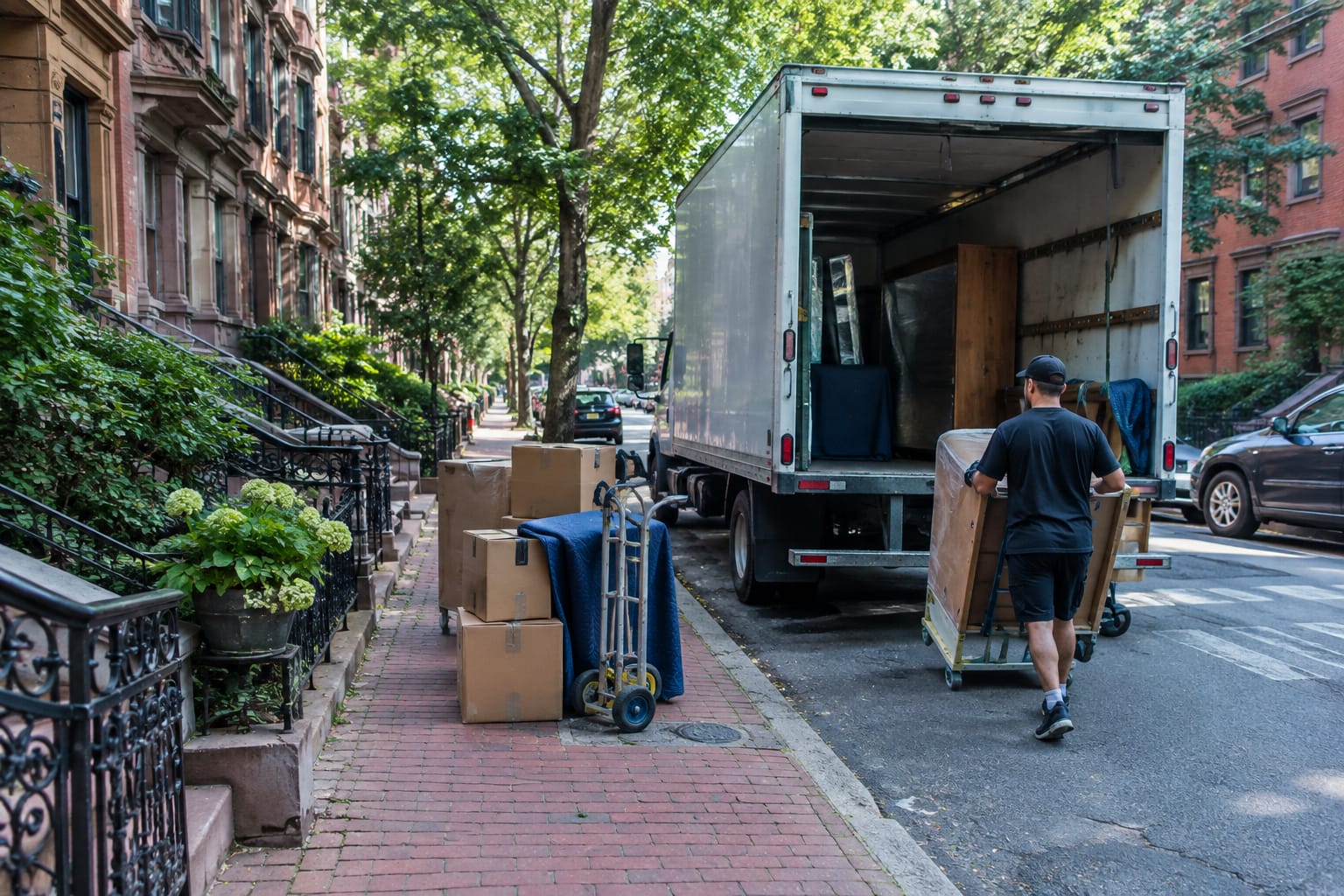
- Equipment. Hand trucks, appliance dollies and furniture pads are usually rented separately.
- Packing supplies. Boxes, tape, bubble wrap and mattress bags cost money in every scenario. This checklist of essential packing materials helps you estimate quantities.
- Parking. Start with this guide on where you can park a moving truck in Boston.
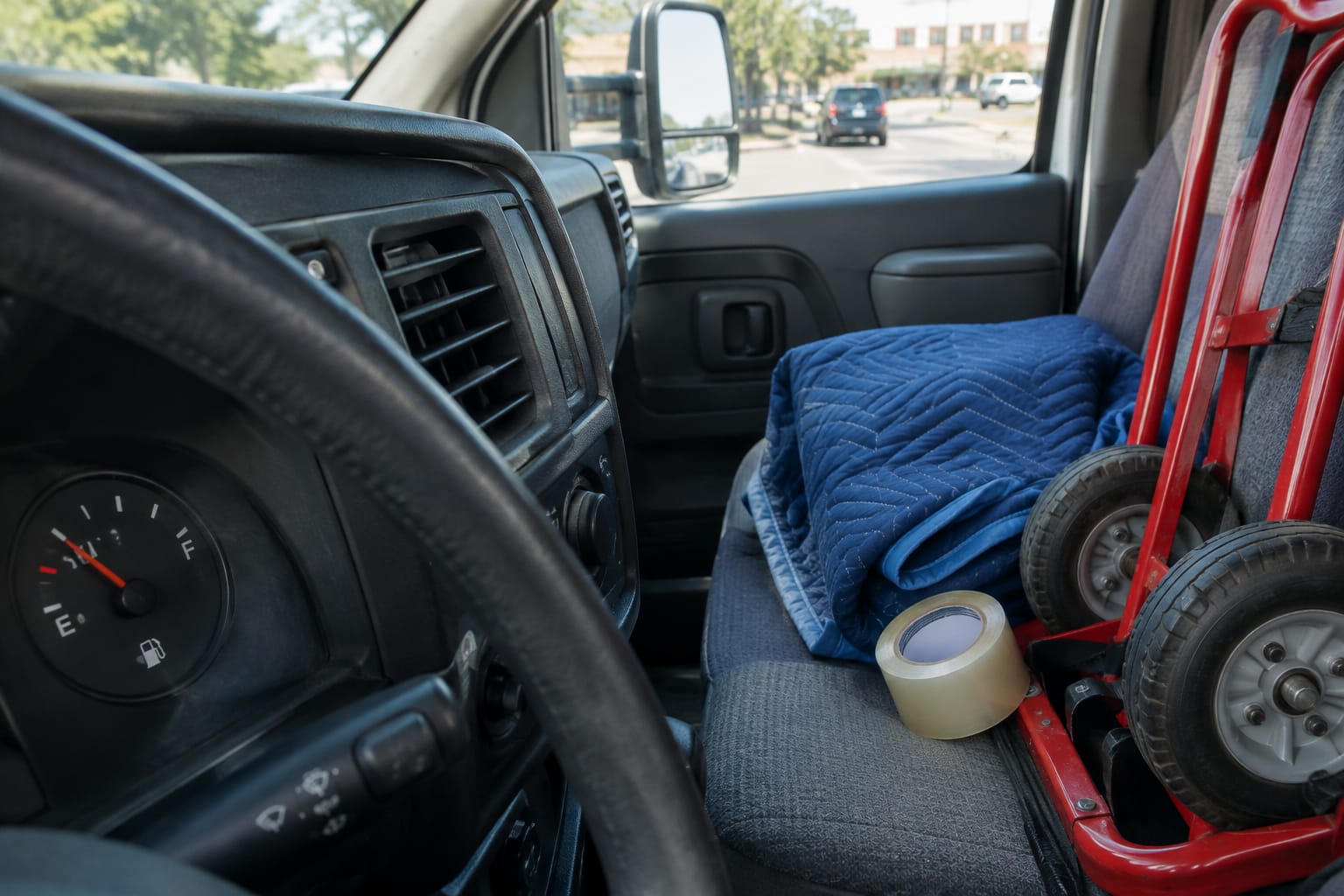
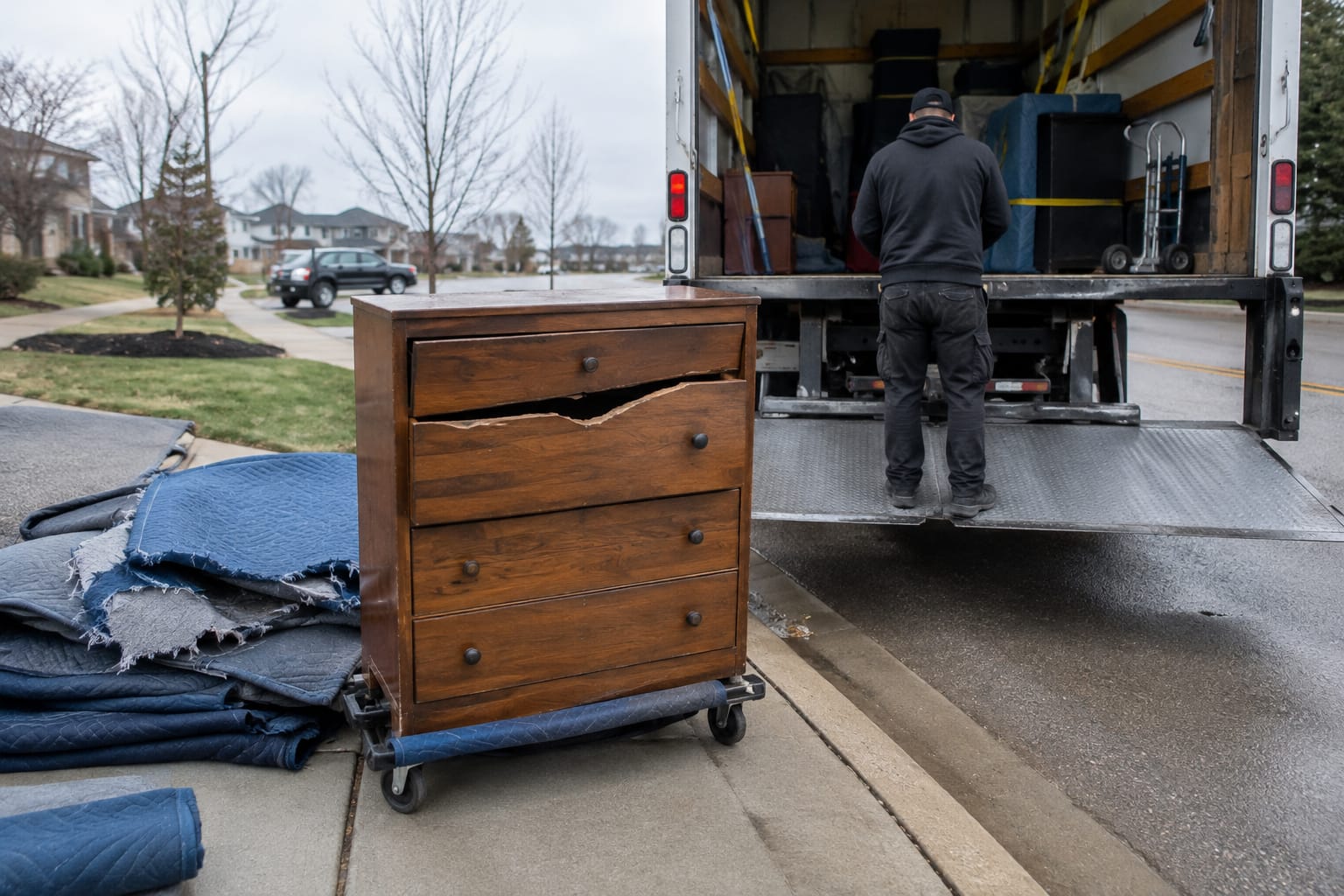
The hidden costs of DIY moving rarely show up on the receipt. A lost day of work, food for helpers, a second trip because the truck was too small, and repairs for furniture or walls you damage yourself all belong in the comparison.
Pro Tip: If your lease turns over around September 1, reserve your truck early. Boston's traditional September 1 moving day puts heavy demand on trucks, crews and curb space across the city.
What Hiring Local Movers Costs: Hourly Rates, Minimums and Travel Time
Local movers in Greater Boston typically bill by the hour, priced by crew size. Three variables decide the bill: the hourly rate, the minimum, and travel time.
As a reference point, Born to Move's current hourly moving rates start from $160/hr for 2 movers and a truck, from $240/hr for 3 movers, and from $320/hr for 4 movers. Rates vary by season, so confirm the rate for your date before you plan around it.
That rate covers labor, the truck, fuel, tolls, moving blankets, floor protection, basic furniture disassembly and reassembly, and basic released-value protection. Local hourly moves carry a 3-hour minimum including travel time, and card payments add a 3% processing fee. This breakdown of what's included in an hourly moving rate walks through each line.
Travel time is the cost for the crew to drive from the company lot to your place and back. It is billed at the same hourly rate.
Two costs sit outside the hourly rate. Packing supplies such as boxes, tape, shrink wrap and mattress bags are always charged separately. You also arrange truck parking or a city parking permit at both addresses.
Pro Tip: Preparation is the fastest way to cut billable hours. Empty every drawer, pack and seal every box before the crew arrives, and reserve the elevator if your building has one.
Side-by-Side Cost Example for a One- or Two-Bedroom Boston Move
Consider a local move between two Greater Boston neighborhoods, such as Brighton to Somerville. The figures below are illustrative calculations based on starting hourly rates, not quotes. Real hours depend on stairs, carrying distance from the truck and how ready you are.
DIY with a rental truck. Add your U-Haul quote for the date, mileage for every leg including the return, fuel, equipment rental, supplies and any parking permit. Then count your own time. Pickup, loading, driving, unloading, return and cleanup often fill a full day.
Movers, large one-bedroom. This is not a quote; to price your own apartment, get a quote for your move. With 2 movers starting from $160/hr including travel, labor depends on how many hours the move takes, with a 3-hour minimum, plus supplies and any card fee.
Q: How much does it cost to hire movers for a 2-bedroom apartment in Boston?
A: In this illustrative example, a 3-mover crew starting from $240/hr working 4 to 6 hours including travel is billed at that hourly rate for the hours worked, before packing supplies and card fees.
Here is how the three models compare beyond price:
| Factor | DIY rental truck | Hybrid (truck + loading crew) | Full-service movers |
|---|---|---|---|
| Who loads and unloads | You and friends | Hired crew | Hired crew |
| Who drives | You | You | The crew |
| How you pay | Base rate, mileage, fuel and extras | Rental costs plus hourly labor | Hourly rate with minimum and travel time |
| Packing supplies | Extra | Extra | Extra |
| Physical effort | High | Low to moderate | Low |
| Parkway and bridge risk | Yours | Yours | The crew's |
| Fits | Studios, light loads | Budget moves with heavy items | Larger homes, walk-ups, tight timelines |
For a deeper look at how the two business models differ, see this comparison of full-service movers vs DIY truck rentals.
Time and Physical Effort: Who Does What
A DIY move is a full-day job even when the load is small. You pick up the truck, drive to your old place, load, drive, unload, return the truck and clean it out. Every step depends on helpers arriving on time.
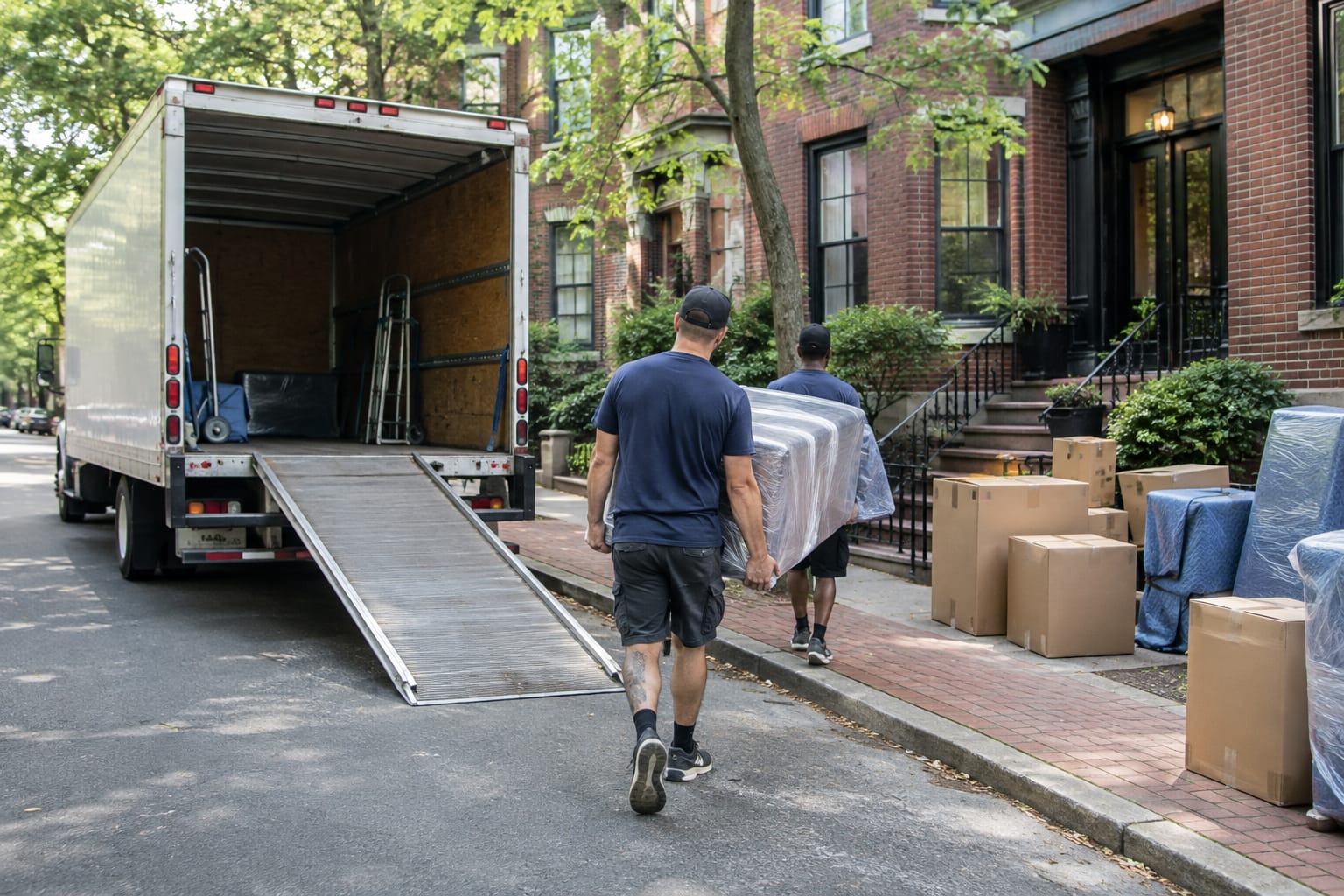
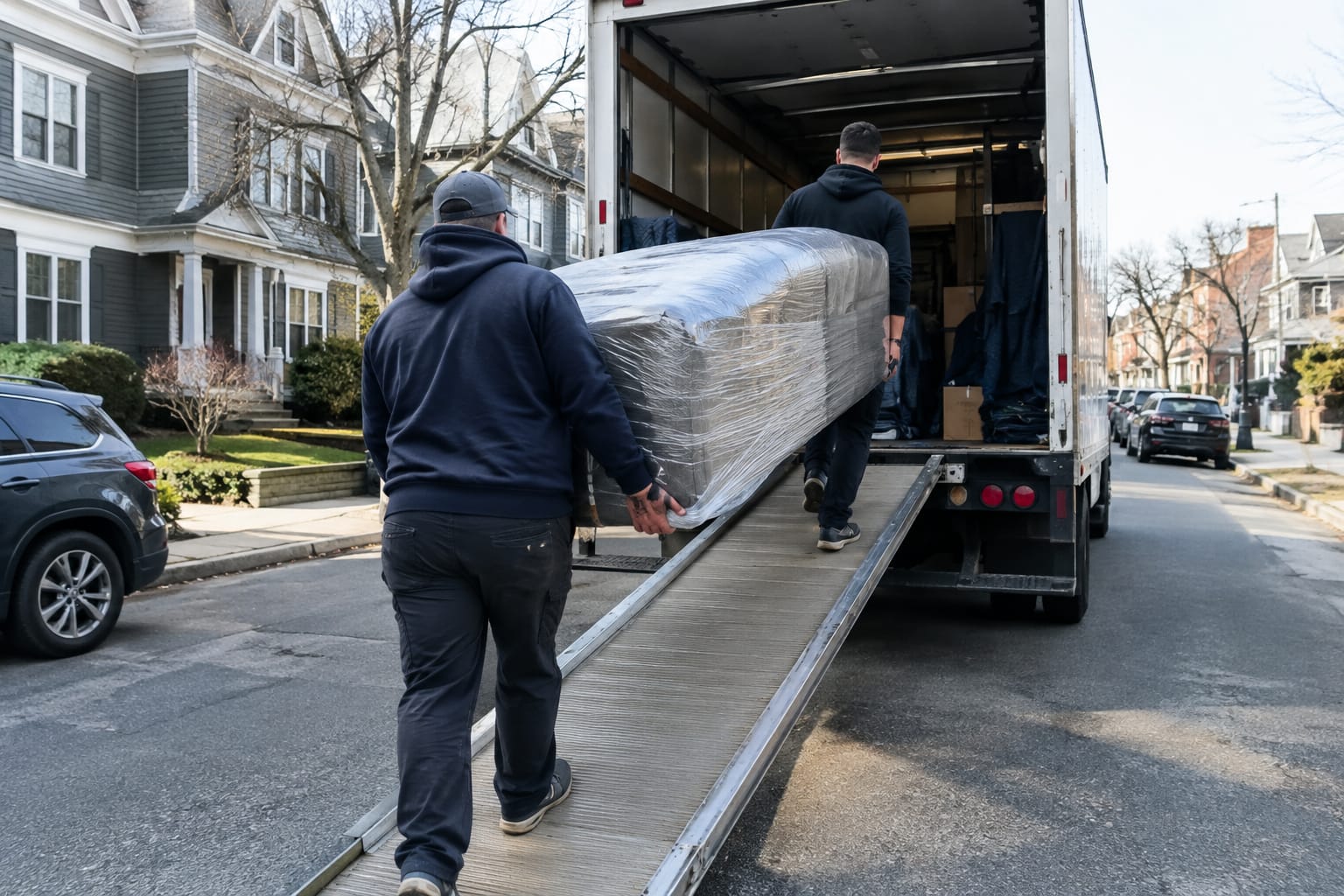
Boston housing makes it harder. Triple-deckers, narrow staircases, walk-ups and long carries from a curb spot turn a few hours of lifting into an exhausting day. Couches and mattresses that fit in theory often need careful angling through tight landings.
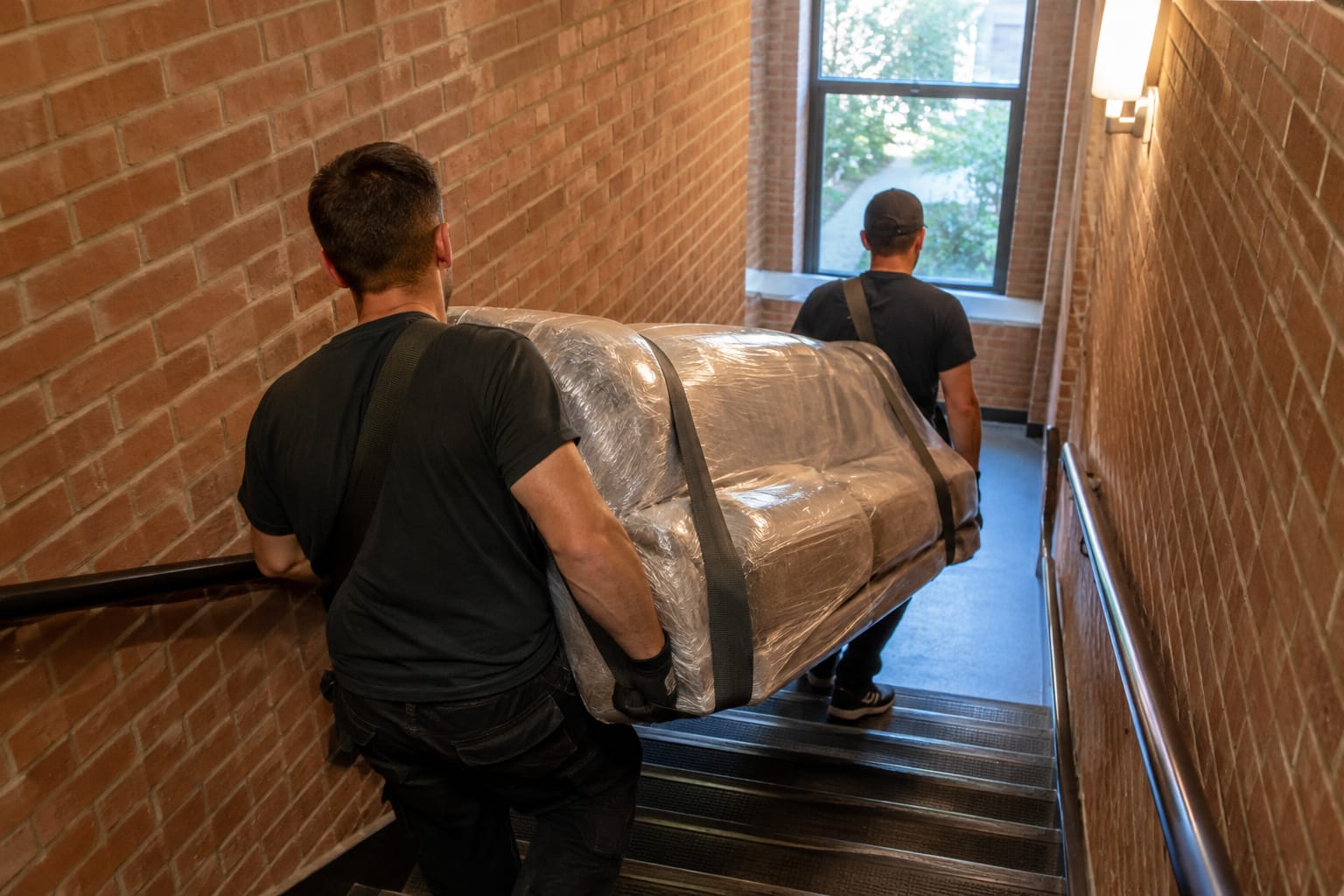
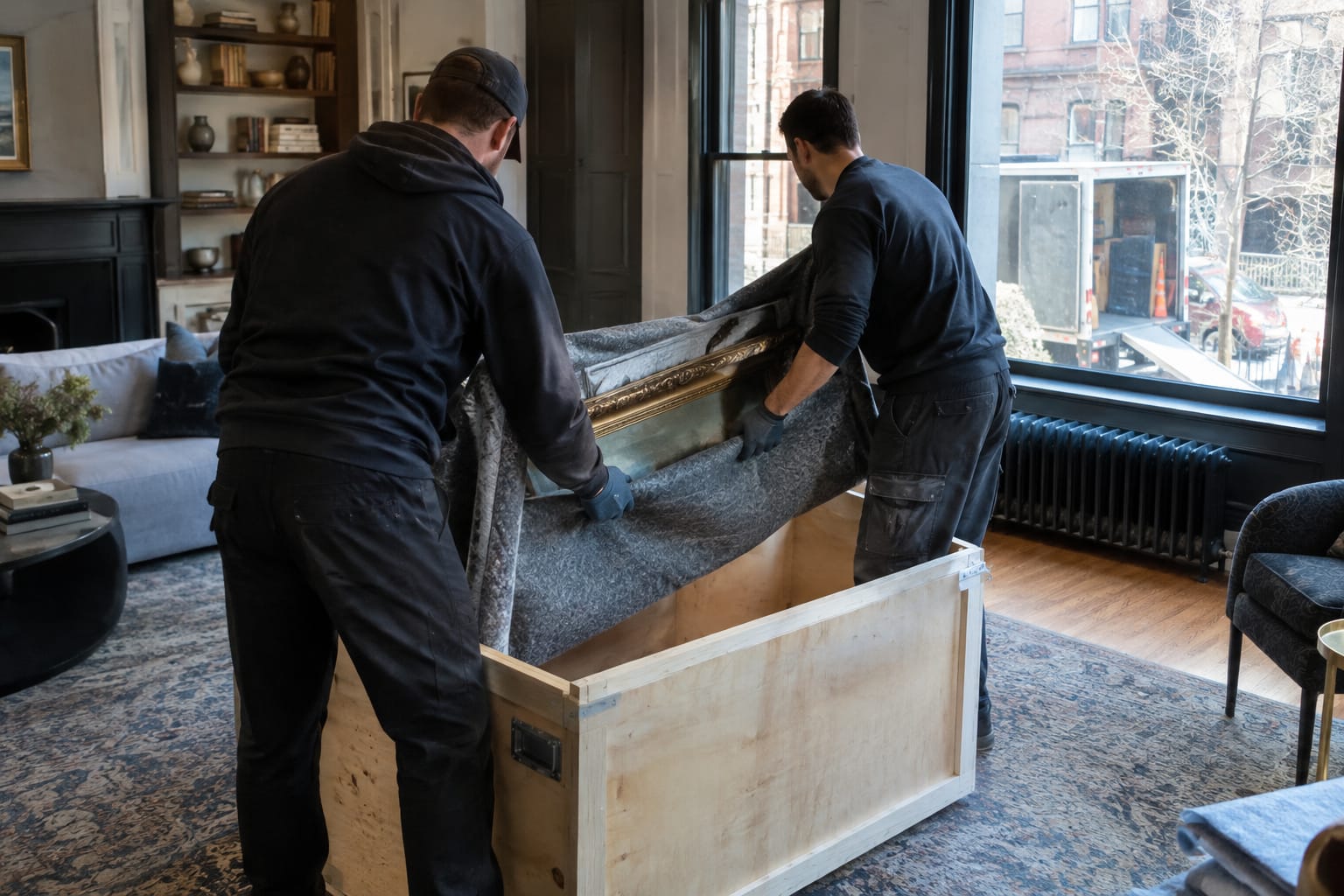
With full-service movers, your job shrinks to preparation and direction. You pack, point to where each piece goes, and check every room before the crew leaves. Many common moving-day problems come down to this kind of planning.
Boston Driving Hazards for Rental Trucks: Parkways, Low Bridges and Narrow Streets
This is the factor national comparisons miss. Driving a box truck in Greater Boston carries risks that most suburbs do not.
Q: Can you drive a U-Haul on Storrow Drive?
A: No. Locals call it getting 'Storrowed.'
DCR parkways are scenic roads managed by the Massachusetts Department of Conservation and Recreation, built for cars rather than trucks. Phone navigation apps set to car mode can route you straight onto them. Before you set out, read up on how not to get Storrowed in a rental truck and plan a truck-safe route.
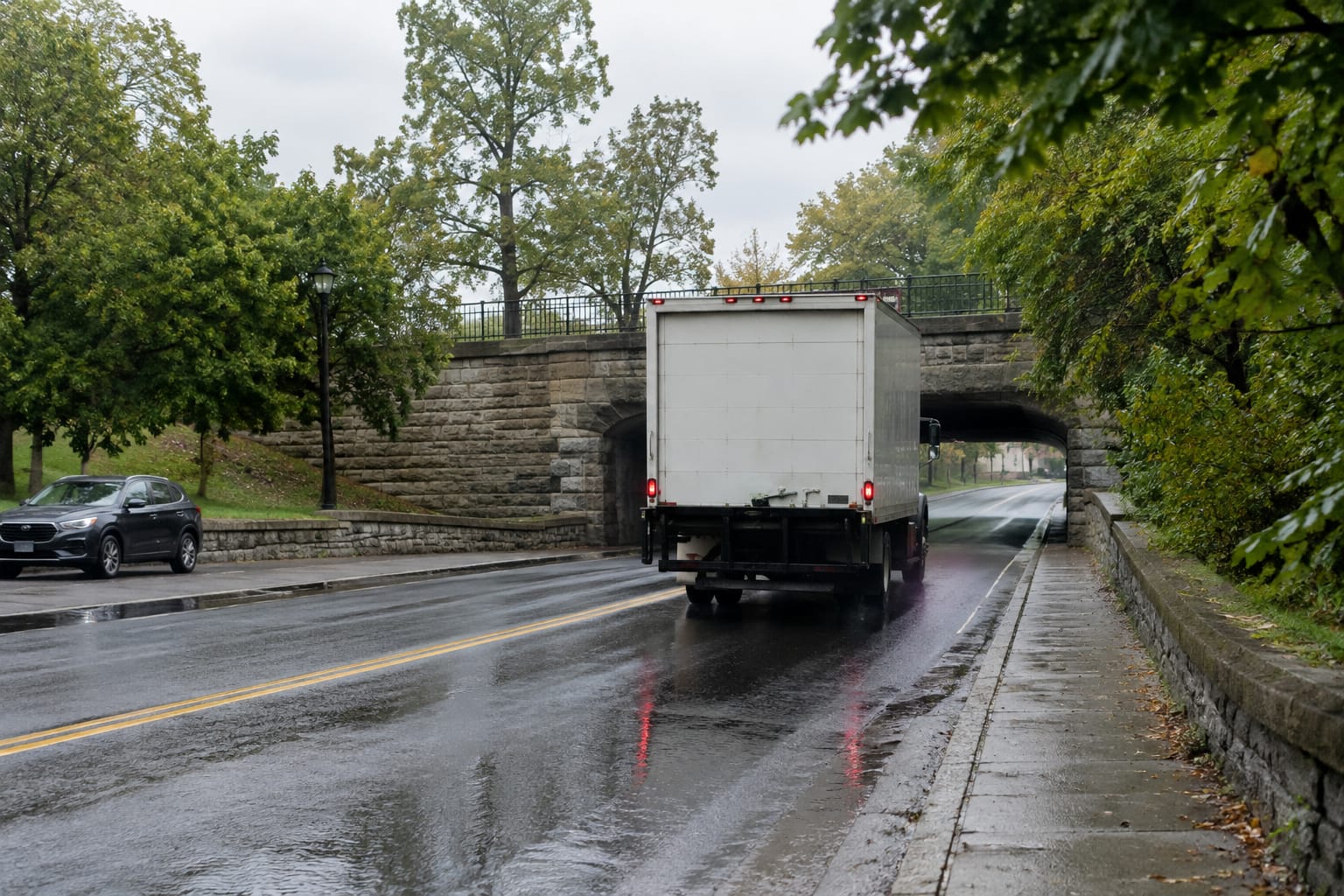
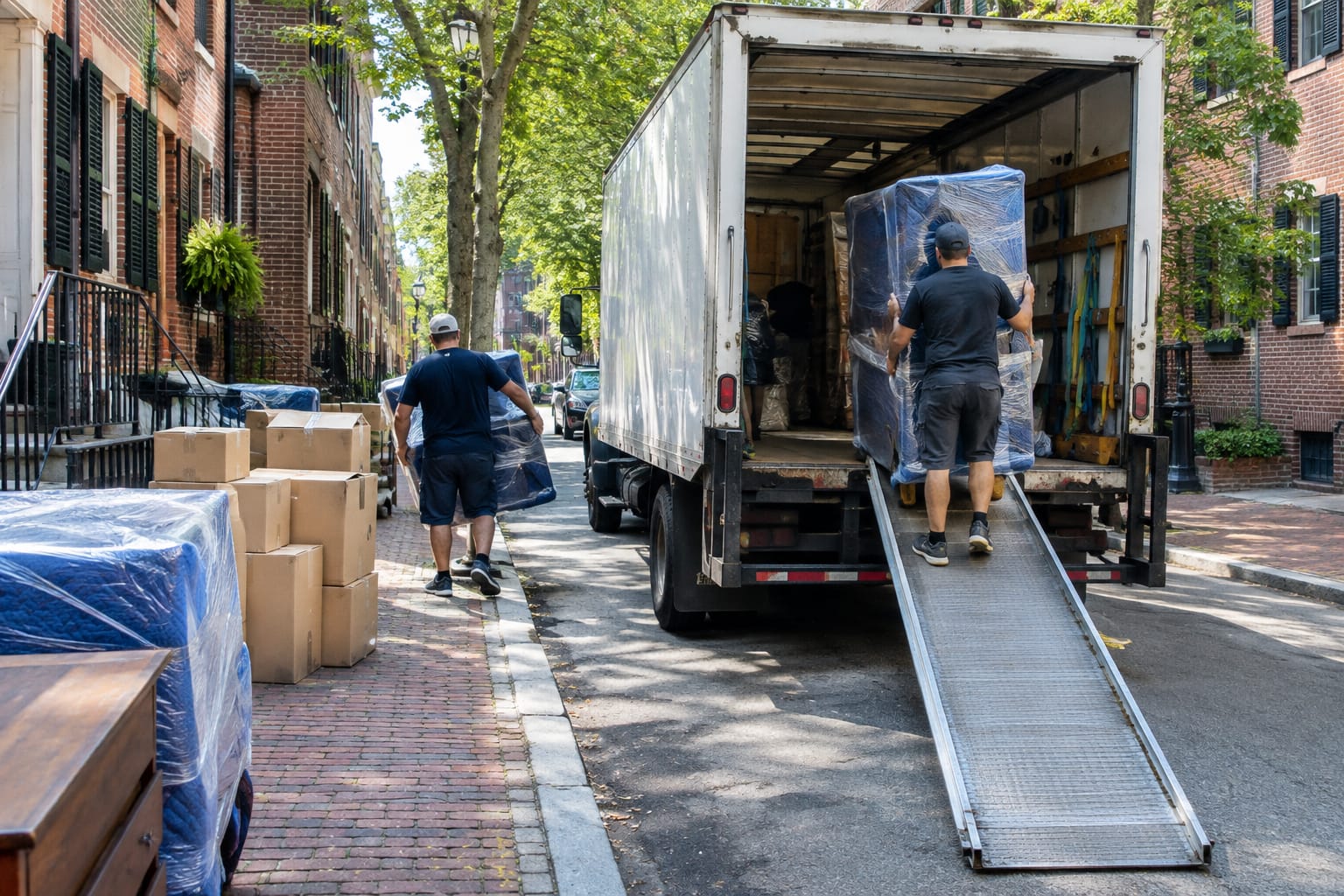
Narrow, one-way streets add more friction. Neighborhoods such as Beacon Hill, the North End and parts of Back Bay leave little room to park, turn or open a rear door. Double-parking without a permit risks a ticket or a tow.
If something does go wrong, know what to do after a rental truck accident before you pick up the keys. A hybrid move still leaves the driving to you, so these risks apply there too.
Need help with this? Get a quote
The Hybrid Option: Rent the Truck, Hire the Loading Crew
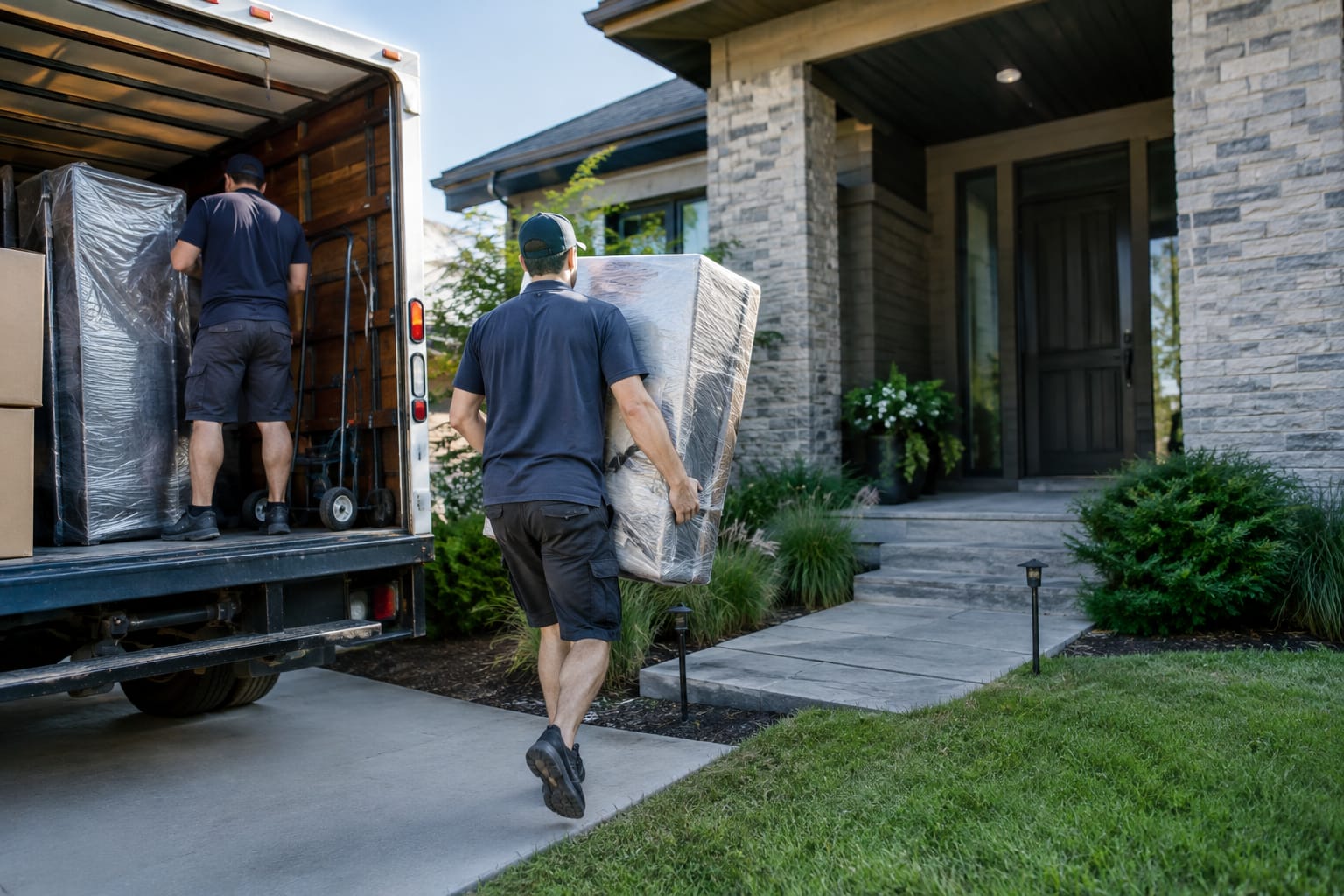
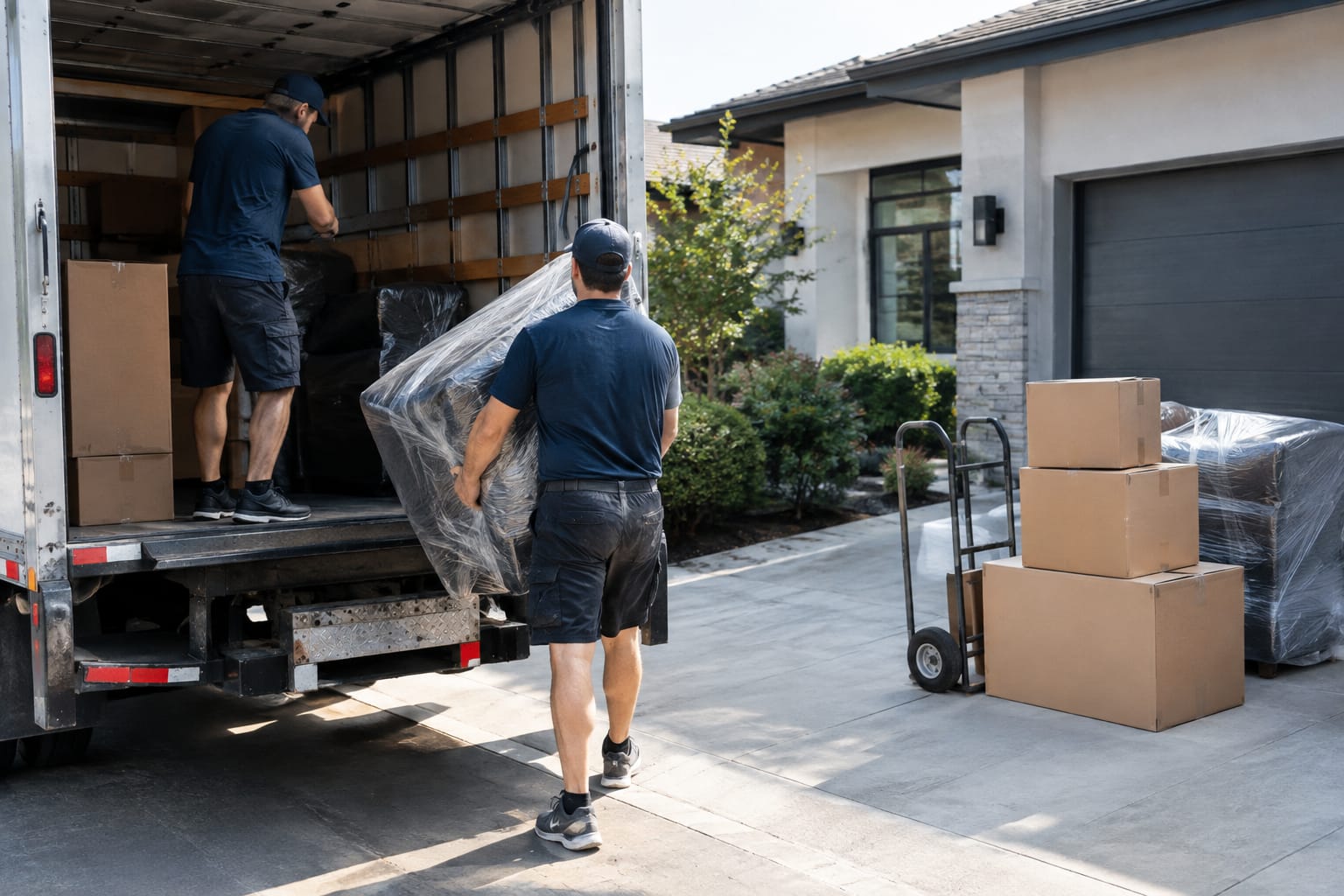
A hybrid move splits the job. You rent and drive the truck, and a labor-only crew handles the heavy lifting at one or both ends. It sits between pure DIY and full service.
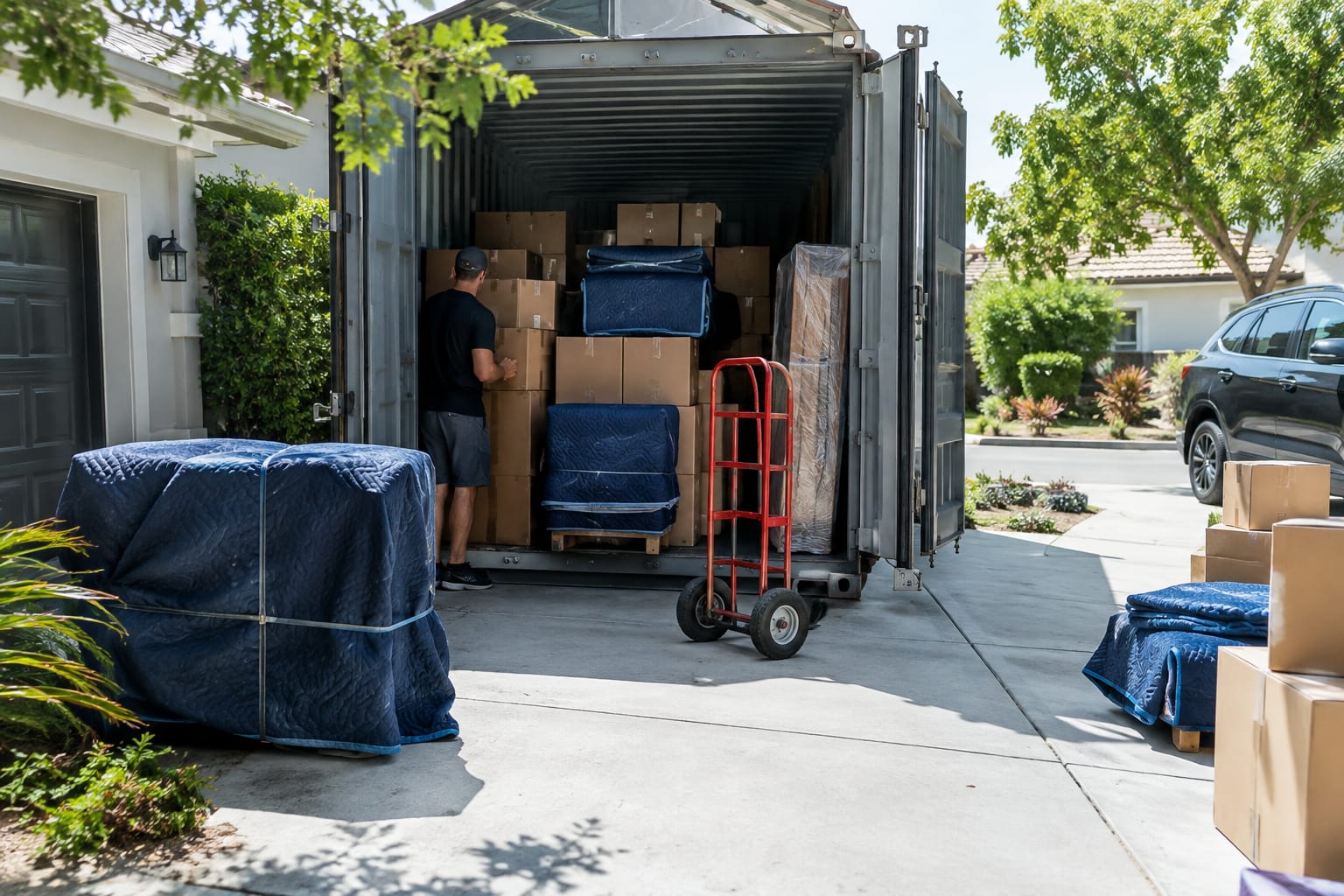
Hybrid works well when the load includes heavy furniture or stairs but the budget points toward a rental. It also helps when you have already booked a truck or portable container and realize you need more hands. This guide on labor-only help loading a U-Haul explains how those crews work.
Loading and unloading of rental trucks and portable containers is part of the packing services offered by the Newton-based crew behind the hourly rates above. That labor is billed hourly at crew rates, with any supplies invoiced separately.
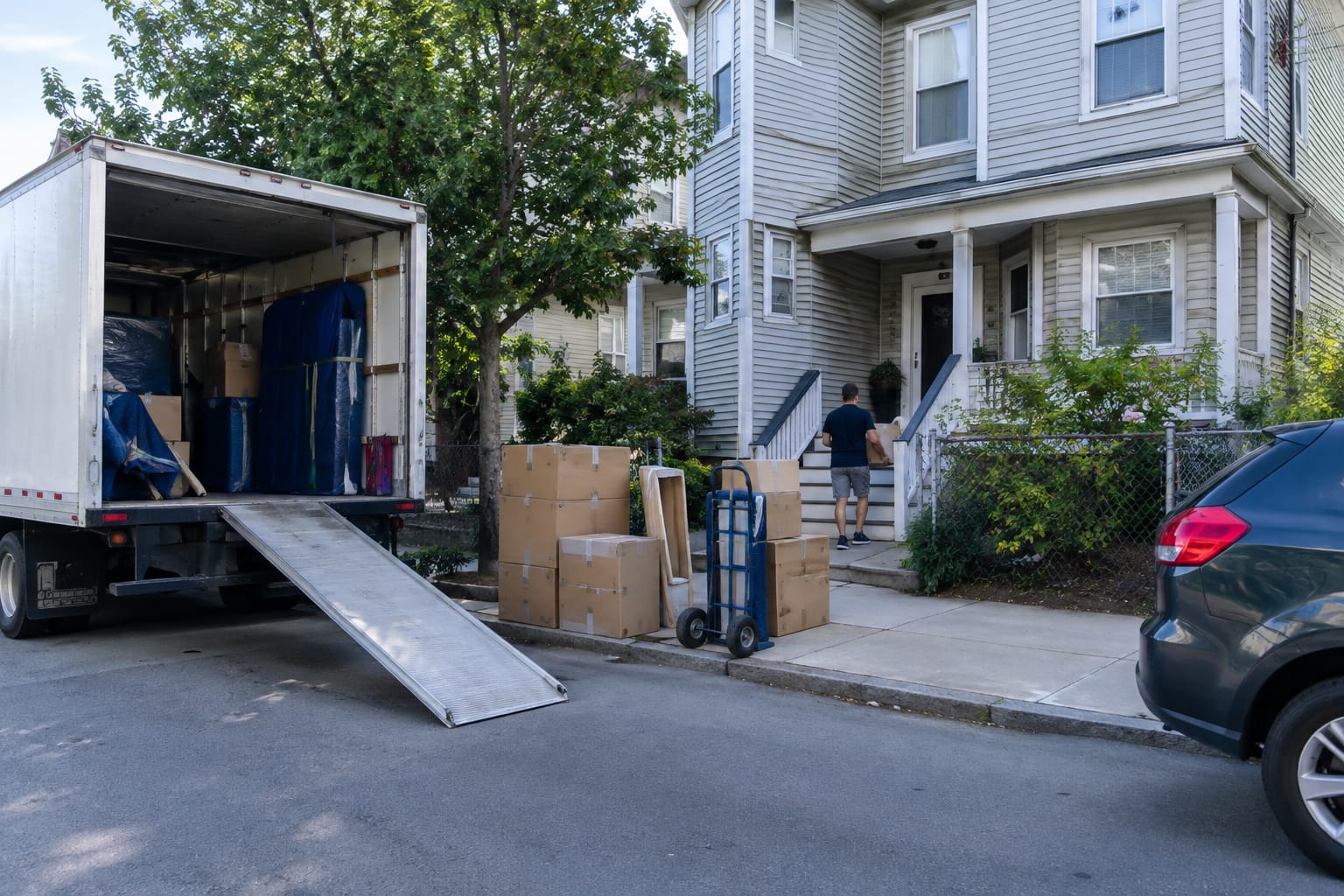
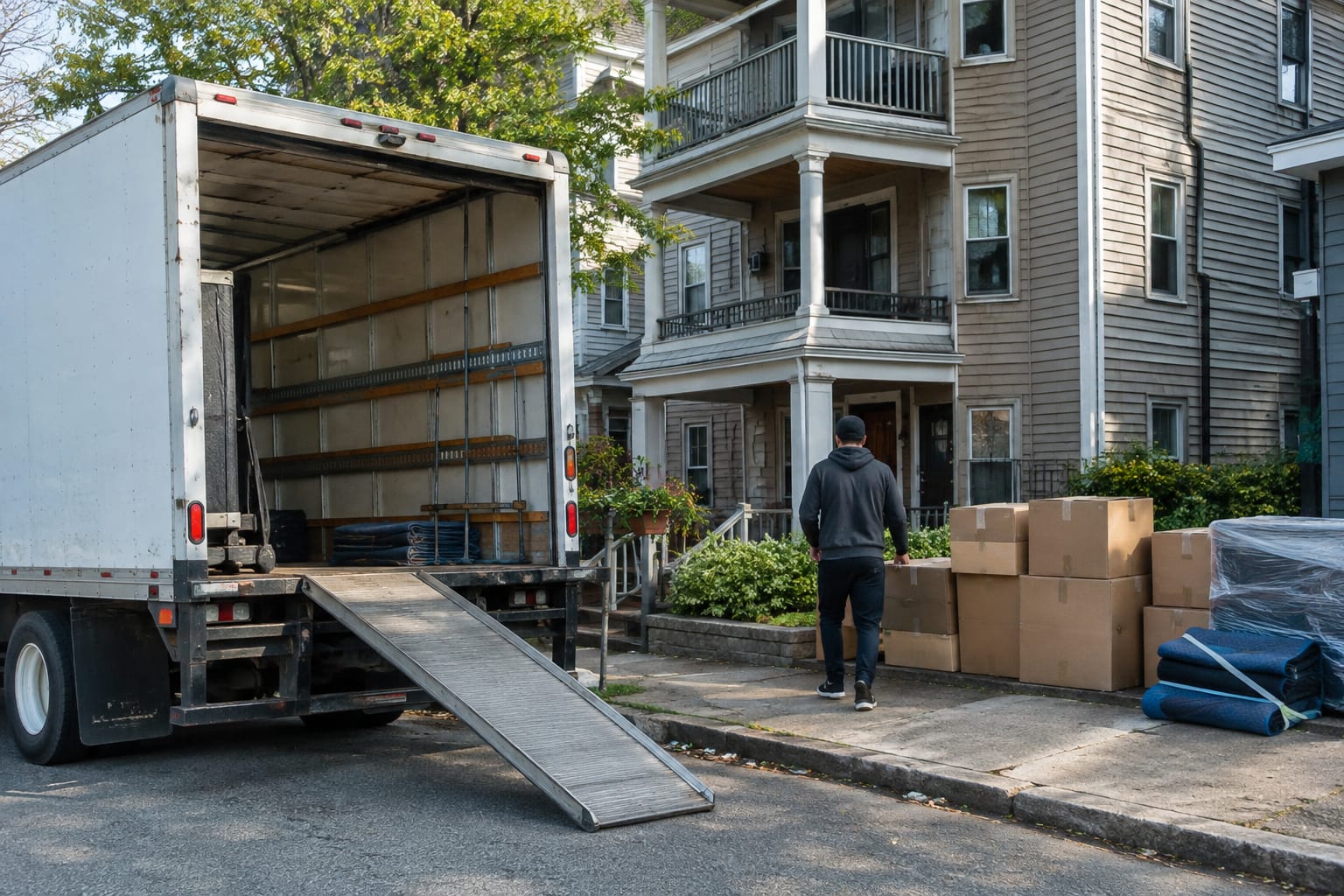
Timing is the main trade-off. An hourly crew is on the clock from arrival, so have the truck parked, the ramp down and the boxes sealed when they show up.
Protection for Your Belongings in Each Scenario
In a DIY move, you carry the risk for anything you drop, scratch or break. U-Haul sells optional coverage at the counter, so check what it includes. Also ask your renter's or auto insurer whether your policy extends to a rental truck or its contents.
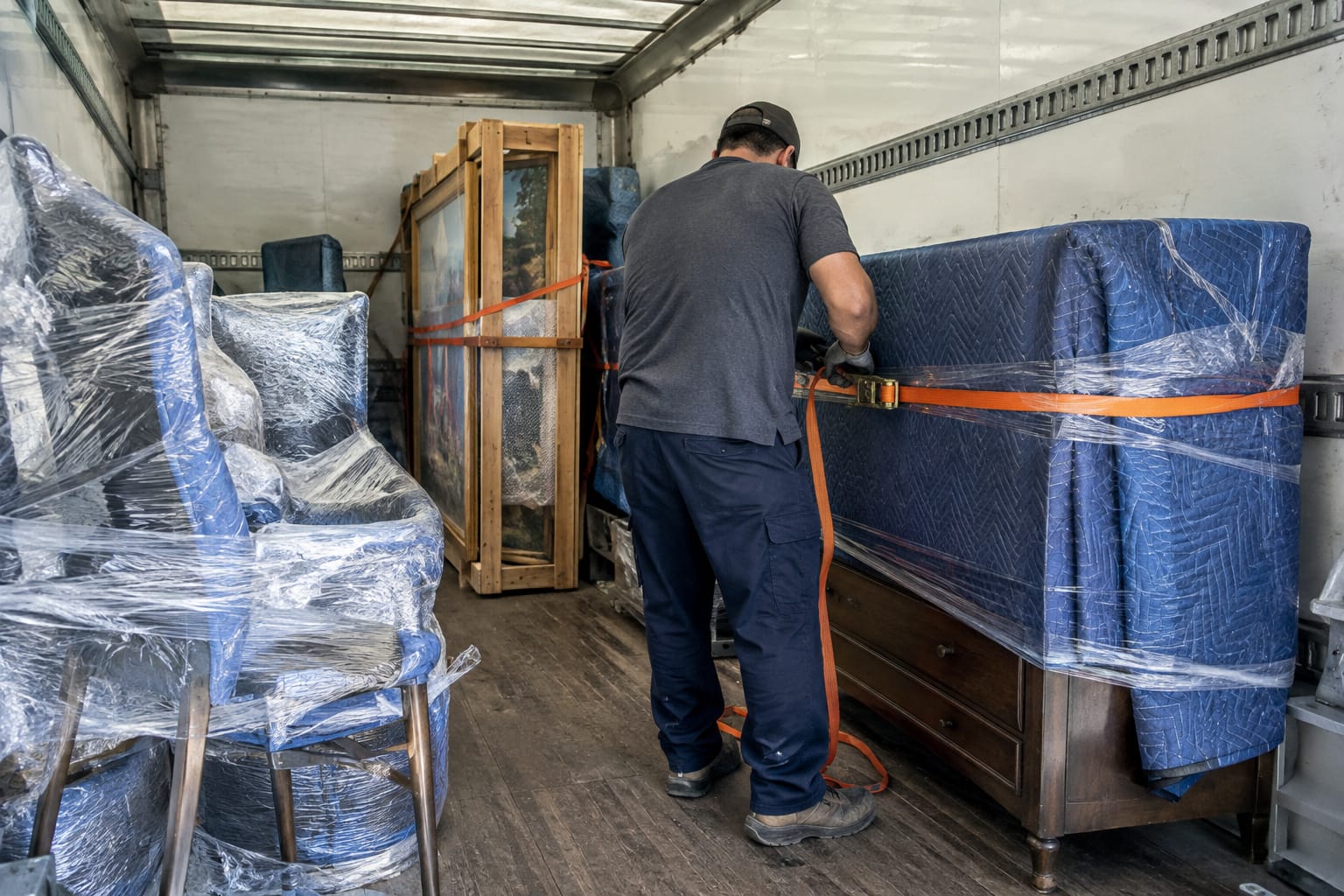
With movers, basic released-value protection pays up to $0.60 per pound per item. That is a liability limit, not insurance. Additional coverage is optional and costs extra, so ask about it before booking and review the scope of an hourly moving rate closely.
For interstate moves, federal rules apply. The FMCSA booklet Your Rights and Responsibilities When You Move explains estimates, the bill of lading and claims. You can also check a mover's USDOT number before you sign anything.
Key Takeaways
- Studio or small one-bedroom with elevator access: A DIY rental truck usually costs the least, provided friends help and the route avoids DCR parkways.
- Large one-bedroom or two-bedroom walk-up: Compare a full DIY total, including mileage, fuel, equipment and your time, against an hourly crew quote. Full service often closes most of the gap.
- Heavy furniture on a tight budget: A hybrid move keeps rental pricing and hands the lifting to a loading crew.
- Long-distance: One-way truck rentals price differently from in-town rentals, and interstate movers issue binding or non-binding estimates based on your inventory. Get both in writing before deciding.
- Every scenario: Packing supplies cost extra, and you arrange parking at both ends.
If you are weighing a hybrid or full-service move in Greater Boston, request a quote from Born to Move.
Written by Born to Move Team
Related Articles
- Help Loading a U-Haul in Boston: How Labor-Only Movers Work — How a loading-only crew fits into a rental truck move and what to prepare before they arrive.
Useful Links
- Current Moving Prices
- Packing and Loading Services
- Avoid Getting Storrowed in Boston
- What's Included in an Hourly Moving Rate
- Get a Moving Quote
Need help with this? About us · Get a quote · Call (617) 903-2609
Frequently Asked Questions