'%3E%3Cpath%20fill='%231B2A47'%20d='M1.605%2016.263c.03-1.139.059-2.482.088-3.971.03-1.49.03-2.832.03-4.03%200-.758%200-1.576-.03-2.51%200-.905-.03-1.84-.03-2.803%200-.496-.028-.964-.028-1.43%200-.468%200-.906-.03-1.315h6.858q2.188%200%203.589.35c.963.234%201.663.643%202.13%201.198.496.555.73%201.372.73%202.394%200%20.788-.176%201.46-.497%201.985-.32.526-.846.935-1.575%201.197-.73.292-1.693.468-2.918.526v.263c1.313.087%202.334.263%203.122.525.758.263%201.342.672%201.692%201.197.35.526.525%201.197.525%202.044%200%201.08-.233%201.927-.67%202.57-.468.642-1.139%201.08-2.102%201.343-.933.262-2.159.408-3.705.408H1.605zm6.537-9.197q1.882%200%202.713-.526c.555-.35.817-.934.817-1.752%200-.905-.292-1.547-.846-1.927s-1.459-.554-2.655-.554H4.757v4.759zm.204%206.92c.934%200%201.663-.088%202.217-.263.555-.176.934-.438%201.197-.818s.38-.876.38-1.518c0-.876-.322-1.49-.934-1.84-.643-.35-1.635-.525-3.035-.525H4.757v4.963zM21.038%2016.555c-1.576%200-2.801-.292-3.618-.905-.817-.614-1.284-1.519-1.372-2.745-.087-1.226.205-2.774.847-4.613s1.43-3.358%202.392-4.584c.963-1.226%202.043-2.131%203.298-2.744C23.839.292%2025.24%200%2026.786%200c1.576%200%202.772.321%203.59.934.816.613%201.283%201.548%201.37%202.774s-.203%202.774-.845%204.613c-.642%201.81-1.43%203.358-2.393%204.584s-2.072%202.132-3.297%202.745a9.8%209.8%200%200%201-4.173.905m.788-2.278c.642%200%201.138-.058%201.371-.116.205-.059.496-.117.847-.322.262-.146.437-.292.554-.408.204-.175.32-.292.438-.41.204-.203.35-.408.496-.583.35-.438.642-.876.963-1.402.233-.408.466-.817.67-1.284.205-.438.38-.905.555-1.372.438-1.198.671-2.278.671-3.183s-.204-1.606-.612-2.131c-.409-.497-1.051-.76-1.897-.76-.467%200-.934.059-1.43.205h-.03c-1.02.292-1.925%201.226-2.042%201.372-.116.117-.467.526-.963%201.343a15.5%2015.5%200%200%200-1.342%202.92c-.408%201.197-.642%202.277-.671%203.182-.03.906.175%201.636.584%202.161q.611.788%201.838.788M14.853%2038.54c-1.576%200-2.802-.292-3.619-.905s-1.284-1.518-1.371-2.744c-.088-1.227.204-2.774.846-4.614s1.43-3.357%202.393-4.584%202.042-2.13%203.297-2.744c1.255-.613%202.655-.905%204.173-.905%201.575%200%202.772.321%203.589.934s1.284%201.548%201.371%202.774c.088%201.226-.204%202.774-.846%204.613-.642%201.81-1.43%203.358-2.393%204.584s-2.072%202.131-3.297%202.745c-1.226.613-2.626.846-4.143.846m.787-2.277c.642%200%201.138-.059%201.372-.117.204-.058.496-.117.846-.321.263-.146.438-.292.554-.409.205-.175.321-.292.438-.409.204-.204.35-.408.496-.584a13%2013%200%200%200%201.634-2.686c.204-.438.38-.905.555-1.372.437-1.197.67-2.277.67-3.182%200-.906-.203-1.606-.612-2.132-.409-.496-1.05-.759-1.897-.759-.467%200-.934.058-1.43.204h-.029c-1.021.292-1.925%201.227-2.042%201.373-.117.116-.467.525-.963%201.343a15.5%2015.5%200%200%200-1.342%202.92c-.409%201.196-.642%202.277-.671%203.182s.175%201.635.583%202.16q.613.789%201.838.789'/%3E%3Cpath%20fill='%23FF515E'%20d='M55.966%2038.57c-1.576%200-2.801-.293-3.618-.906s-1.284-1.518-1.372-2.744c-.087-1.227.204-2.774.846-4.613s1.43-3.358%202.393-4.584c.963-1.227%202.043-2.132%203.297-2.745s2.656-.905%204.173-.905c1.576%200%202.772.321%203.589.934s1.284%201.548%201.371%202.774c.088%201.226-.204%202.774-.846%204.613-.642%201.81-1.43%203.358-2.393%204.584s-2.071%202.131-3.297%202.745c-1.225.613-2.626.846-4.143.846m.788-2.249c.642%200%201.138-.058%201.371-.117.204-.058.496-.116.846-.32.263-.147.438-.293.555-.41a7%207%200%200%200%20.437-.408c.205-.205.35-.41.496-.584a13%2013%200%200%200%201.634-2.686c.205-.438.38-.905.555-1.373.438-1.197.671-2.277.671-3.182s-.204-1.606-.613-2.131c-.408-.497-1.05-.76-1.896-.76-.467%200-.934.059-1.43.205h-.03c-1.02.292-1.925%201.226-2.042%201.372-.117.117-.467.526-.963%201.343a15.5%2015.5%200%200%200-1.342%202.92c-.409%201.197-.642%202.277-.671%203.182s.175%201.635.583%202.16q.614.79%201.839.79'/%3E%3Cpath%20fill='%231B2A47'%20d='M33.06%2016.263c0-.35%200-.935.03-1.81.029-1.051.058-2.103.058-3.154s.03-2.073.03-3.007c0-1.606-.03-3.27-.06-4.993%200-.554-.028-1.08-.028-1.606%200-.525-.03-1.021-.03-1.46h6.828c1.46%200%202.685.117%203.59.38q1.4.394%202.1%201.314.7.963.7%202.628c0%20.992-.174%201.81-.554%202.452-.35.643-.904%201.11-1.604%201.431s-1.576.467-2.627.496v.263q2.058.087%203.064.876c.671.525%201.138%201.372%201.43%202.51.087.41.233%201.023.467%201.84.233.818.408%201.431.554%201.84h-3.414a11%2011%200%200%200-.262-1.022c-.321-1.314-.526-2.19-.584-2.628a5%205%200%200%200-.642-1.46%202.13%202.13%200%200%200-.963-.73c-.408-.146-.934-.233-1.605-.233h-3.326v6.0440000000000005H33.06zm6.332-8.292c1.343%200%202.276-.205%202.86-.613.554-.41.846-1.11.846-2.073%200-.73-.146-1.314-.408-1.723-.263-.409-.671-.7-1.197-.876q-.788-.263-2.1-.263h-3.181v5.519h3.18zM49.4%2016.263l.03-2.745c.029-2.452.029-4.905.029-7.416q0-2.101-.088-5.868h4.085l5.924%2010.335c.087.234.204.438.291.643.117.204.205.408.321.613.38.788.613%201.255.672%201.372h.262c0-.058-.03-.146-.03-.204%200-.059-.028-.117-.028-.175a75%2075%200%200%201-.175-1.314%2010%2010%200%200%201-.088-1.285c0-1.547%200-3.737-.029-6.57V1.84c0-.584-.03-1.11-.03-1.576h2.977c-.03%202.482-.058%205.08-.058%207.766%200%201.694%200%204.438.029%208.292h-4.027l-5.573-9.43c-.875-1.81-1.226-2.511-1.05-2.132-.263-.613-.467-1.08-.613-1.46h-.263c.058.35.117.876.175%201.548.059.7.117%201.168.117%201.46%200%202.978%200%206.306.029%209.985H49.4zM4.698%2038.277c.029-2.627.058-5.255.058-7.883%200-1.576%200-3.503-.029-5.752-1.109%200-2.684%200-4.727.03v-2.453h12.664v2.453c-1.955-.03-3.53-.03-4.756-.03%200%20.584-.03%201.227-.03%201.957s0%201.46-.029%202.218v1.84c0%202.57.03%205.11.059%207.62z'/%3E%3Cpath%20fill='%23FF515E'%20d='M29.441%2038.277c.409-1.05.788-2.102%201.168-3.182s.787-2.16%201.167-3.241c.613-1.693%201.05-2.949%201.342-3.766l1.255-3.65c.116-.38.262-.788.379-1.139.117-.38.263-.73.38-1.05h4.61l-.671%2012.904h.262l8.316-12.905h4.669l-.7%201.869c-.876%202.452-1.343%203.766-1.43%204a501%20501%200%200%200-3.385%2010.16h-2.947c.292-.846.788-2.219%201.459-4.087.175-.526.35-1.08.554-1.606.175-.526.38-1.08.555-1.577.642-1.81%201.342-3.825%202.072-6.014h-.234l-8.724%2013.314h-2.86l.554-13.314h-.175c-.175.496-.38.992-.554%201.489-.175.496-.38%201.022-.555%201.547a163%20163%200%200%200-1.08%203.008c-.145.38-.262.759-.408%201.138-.117.38-.262.73-.408%201.11-.7%201.898-1.284%203.59-1.751%205.05h-2.86zM68.047%2038.277c.175-2.19.32-4.525.467-7.007.058-.905.204-3.912.467-9.051h3.151c-.03.438-.058.934-.088%201.46s-.058%201.08-.087%201.693a264%20264%200%200%201-.409%206.657c-.145%201.986-.35%203.591-.583%204.788h.175Q72.147%2034.892%2073.94%2032a562%20562%200%200%201%204.465-7.066c.32-.496.641-.992.933-1.46s.555-.875.817-1.255h3.268q-.568.832-1.138%201.752c-.408.613-.787%201.255-1.196%201.927-3.88%206.014-6.478%2010.131-7.85%2012.35h-5.193zM79.106%2038.277c.32-.788.758-2.014%201.37-3.65a287%20287%200%200%200%201.577-4.32c.437-1.256.904-2.628%201.4-4.088s.934-2.774%201.313-3.97h11.322l-.846%202.364H87.1l-1.664%204.847%207.645-.088-.612%201.694-7.587-.088-1.75%204.934h8.286l-.846%202.365z'/%3E%3C/g%3E%3Cdefs%3E%3CclipPath%20id='a'%3E%3Cpath%20fill='%23fff'%20d='M0%200h96v40H0z'/%3E%3C/clipPath%3E%3C/defs%3E%3C/svg%3E)
Hiring a professional mover means trusting strangers with everything you own. That decision deserves real information, not marketing fluff. A professional mover is a trained, licensed, and insured specialist who packs, loads, transports, and unloads household goods for a fee. This guide breaks down exactly what these crews do, what professional moving services cost, how to vet them, and when paying for help beats doing it yourself.
Key Takeaways
| Point | Details |
|---|---|
| Definition | A professional mover packs, loads, transports, and unloads belongings for a fee — backed by insurance and, for interstate work, a federal USDOT number. |
| Cost range | A local move averages about $1,400 and a long-distance move near $4,300, per move.org's cost research. |
| Licensing | Interstate movers must register with the FMCSA and display a USDOT number before hauling across state lines. |
| When it pays | DIY suits small, short moves; professionals win on large or long-distance relocations where insurance and equipment matter most. |
| Vetting | Verify licensing, collect three written estimates, and read consistent reviews — not just a handful of five-star ratings. |
What Is a Professional Mover?
A professional mover is a company or trained worker that relocates household or commercial belongings for a fee. The work covers packing, furniture disassembly, loading, transport, unloading, and reassembly. Legitimate operators carry liability insurance and, for interstate jobs, a federal USDOT number — the line that separates them from casual labor.
That distinction matters more than most people expect. Roughly 8% of U.S. residents move each year, and a large share underestimate the physical and logistical load. Professional moving services exist to absorb that risk with trained crews, proper equipment, and financial accountability when something breaks.
The trade is a recognized occupation, tracked by the U.S. Bureau of Labor Statistics among material-moving workers. In practice, a reputable crew functions as an all service moving company — handling everything from a studio apartment to a four-bedroom house. If you only need muscle for a few heavy items, you can also hire someone to move furniture without booking a full relocation.
What Services Do Professional Movers Provide?
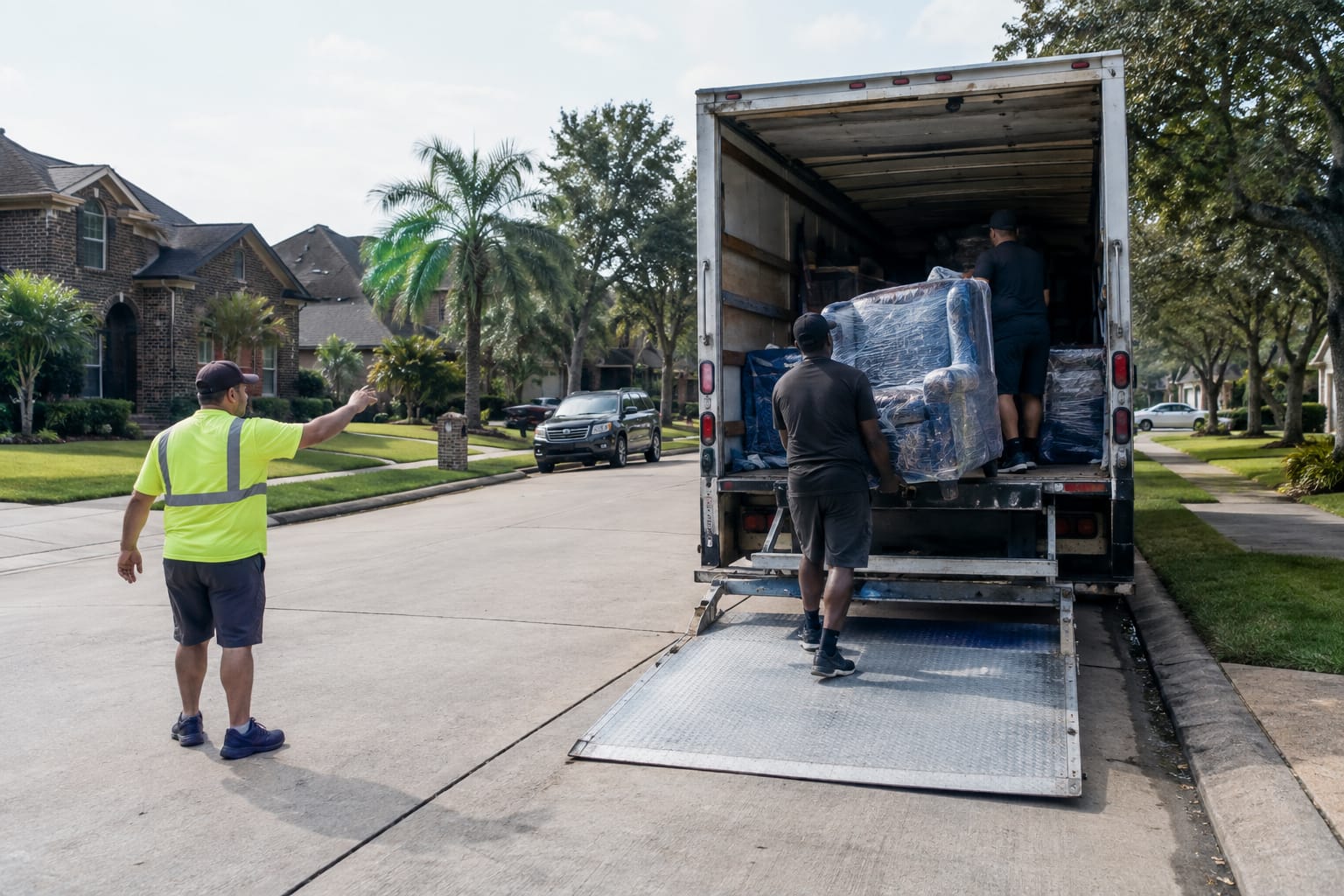
Full service professional movers handle the entire relocation, not just the truck. The standard scope breaks into a clear checklist:
- Packing and unpacking — boxing fragile items, wrapping furniture, and labeling by room.
- Furniture disassembly and reassembly — beds, tables, modular sofas, and more.
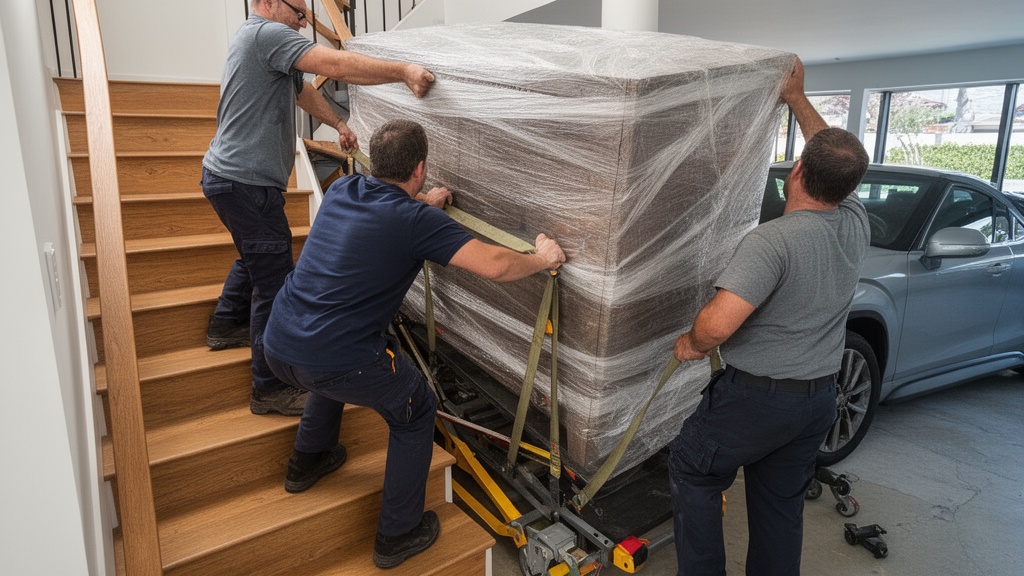
- Loading and unloading — using dollies, straps, and ramps to protect floors and backs.
- Transport — local, long-distance, and interstate hauling.
- Specialty handling — pianos, safes, antiques, gym equipment, and large appliances.
- Storage — short- or long-term warehousing between move dates.
Professional packing and moving is where the value compounds. A flat-screen TV, for example, gets wrapped in moving blankets and slotted into a dedicated carton before it ever touches the truck — a small step that prevents a costly cracked panel.
Most crews offer tiered options. Basic crews load and drive; full service movers pack, wrap, and reassemble. For a complete breakdown of what full-service moving includes, the scope ranges from supplying boxes to unpacking every kitchen drawer. Many companies also provide boxes and packing supplies so you skip the hardware-store run.
Q: Do professional movers provide packing materials?
A: Yes. Most full service professional movers supply boxes, tape, packing paper, and moving blankets, either bundled into the quote or billed per item used.
Pro Tip: Ask whether wardrobe boxes and TV cartons are included or billed separately. These two items account for a meaningful share of materials cost, and confirming upfront prevents a surprise line on the final invoice.
Top Rated Moving Companies: What Separates the Best from the Rest
The best professional moving company in any market shares a short list of traits. They are licensed, transparent about pricing, and consistent across hundreds of reviews — not just a handful of glowing ratings. Membership in the ProMover program run by the American Trucking Associations' moving group signals a vetted, professional carrier.
When people search "top rated moving companies near me," they are really filtering for reliability. Knowing how to find a reputable moving company comes down to verifying a few hard signals rather than trusting the ad at the top of the page.

| Signal | What It Proves | How to Verify |
|---|---|---|
| USDOT number | Federal registration for interstate moves | FMCSA SAFER lookup |
| Verified review volume | Consistent service at scale | Google Business Profile, BBB |
| Written estimates | Pricing transparency | Request an itemized quote |
| Insurance options | Financial accountability | Ask for a liability certificate |
| Years in operation | Operational stability | Business registration date |
A company that scores well across all five rows is a safer bet than one with a flashy ad and thin proof. Volume of reviews matters more than a perfect average — a 4.7 rating across 500 reviews beats a flawless 5.0 across six.
How Much Does It Cost to Hire Professional Movers?
Costs scale with three variables: the size of your home, the distance, and the services you add. The national average for a local move runs about $1,400, while a long-distance relocation averages near $4,300, according to move.org's cost research.
Local crews usually bill by the hour. Expect roughly $100 to $200 per hour for a two-mover team, with larger crews and trucks priced higher. For interstate professional relocation services, carriers price by shipment weight and mileage rather than the hour. For a fuller budget breakdown, see this guide on how much do movers cost.
| Factor | Lower Cost | Higher Cost |
|---|---|---|
| Home size | Studio / 1-bed | 4+ bedrooms |
| Distance | Local (under 50 mi) | Cross-country |
| Services | Labor only | Full-service packing |
| Access | Ground floor | Walk-up / long carry |
| Timing | Mid-week, off-season | Weekend, summer peak |
Pro Tip: Book mid-week and mid-month when possible. Demand spikes on weekends and at month-end, and many crews charge premium rates during the summer peak — shifting your date can trim the hourly bill without changing the scope.
Professional Mover vs. DIY Moving: A Practical Comparison
The choice between hiring help and renting a truck comes down to four things: cost, time, physical risk, and what you stand to lose. DIY wins on upfront price for small, local moves. Professionals win once distance, volume, or fragile items enter the picture.
| Factor | Professional Movers | DIY Move |
|---|---|---|
| Upfront cost | Higher | Lower |
| Time required | A few hours | Several days |
| Physical strain | Handled by crew | On you |
| Damage liability | Insured | Your loss |
| Equipment | Included | Rent or buy |
| Best for | Large or long moves | Small, short moves |
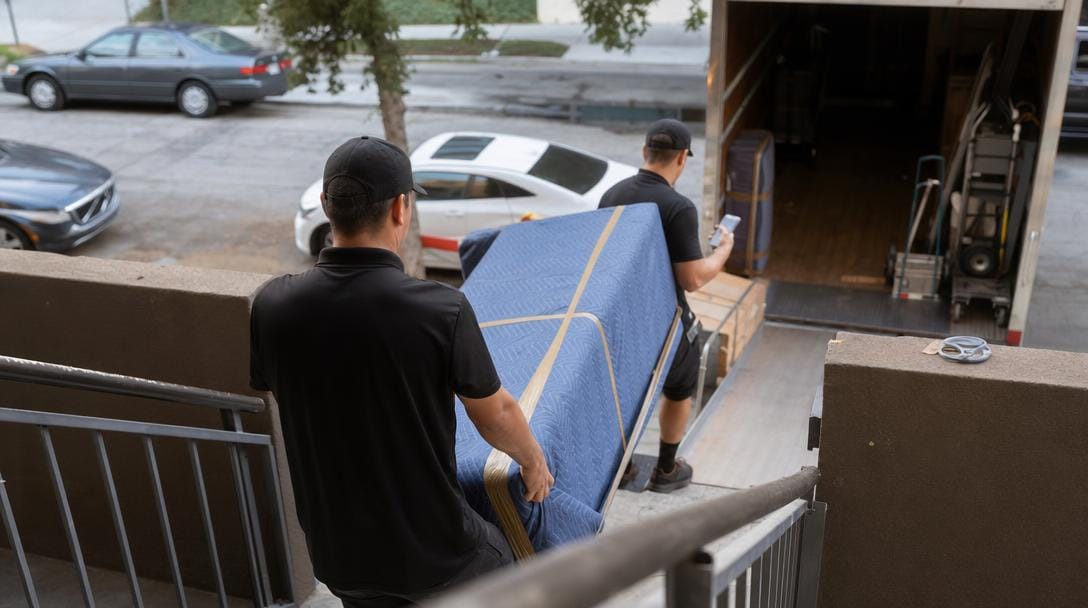
Experienced movers carry the gear and the body mechanics to bring a 300-pound dresser down a staircase without injury or wall damage. That single capability is why people who tried DIY once rarely repeat it for a big home. Preparing items in advance — covered in this guide on how to prepare furniture when relocating — speeds up either path.

Q: Who will help me move for free?
A: Free help usually means friends, family, or community mutual-aid groups; some nonprofits assist seniors and low-income households, but professional movers charge because the work carries liability and insurance costs.
How to Choose the Right Professional Moving Company
This is where "how to hire professional movers" gets practical. Run every candidate through a professional mover checklist before you sign anything:
- Confirm licensing — check a mover's US DOT number on the FMCSA database.
- Collect at least three written, itemized estimates.
- Read recent verified reviews across multiple platforms.
- Confirm insurance and which valuation coverage applies.
- Ask about crew size, truck size, and equipment.
- Verify a real physical address and business registration.
Searching "professional movers near me" is a fine starting point, but the listing order often reflects ad spend, not quality — the checklist filters out the noise. For a deeper dive into vetting, this breakdown of what to look for in a moving company covers the qualities that separate steady operators from fly-by-night crews.
Pro Tip: Never pay a large deposit upfront. Reputable carriers typically collect payment on or near delivery; an oversized advance demand is one of the clearest signals of an unreliable operator.
What to Expect on Moving Day with Professional Movers
A well-run move follows a predictable rhythm. The crew lead does a walkthrough, confirms the inventory, and reviews the plan. Hiring licensed and insured movers means they arrive with a contract, a bill of lading, and valuation coverage already in place.
From there the day unfolds in clear stages:
- Floor runners and door protection go down first.
- Furniture is disassembled and wrapped in blankets.
- Boxes and items load by weight and room.
- The truck transports to the destination.
- Items unload and place into the right rooms.
- A final walkthrough confirms nothing is missed.

Valuation is the detail most people miss. Movers must offer two liability levels — released value and full value protection, and the cheaper default rarely covers replacement cost. Tipping is customary for a job done well; this guide on a good tip for movers sets a fair benchmark.
Red Flags to Watch for When Hiring Professional Movers
Most moves go smoothly, but the warning signs of a bad one are consistent. Walk away if you spot any of these:
- No USDOT number, or refusal to provide one.
- Quotes given sight-unseen with no in-home or video survey.
- A large cash deposit demanded upfront.
- No written contract or bill of lading.
- A generic name with no verifiable physical address.
- Reviews that are sparse or suspiciously uniform.
The FTC warns that rogue movers may hold goods hostage for inflated fees — a scam that proper licensing helps you avoid. Confirm the company also carries workers' compensation; some moving firms insure crews through specialized carriers such as AMERISAFE moving services policies, so you are not liable if a worker is injured in your home.
Q: What do movers not take?
A: Most professional movers will not transport hazardous materials, flammables, propane tanks, perishable food, plants, pets, or irreplaceable items like cash and documents.
An established all service moving company will explain these exclusions before move day. For more on avoiding the usual pitfalls, see these common issues with moving and how to avoid them.
Professional Movers: Frequently Asked Questions
What does a professional mover do?
A professional mover packs, loads, transports, unloads, and reassembles household or business belongings for a fee. The role covers furniture disassembly, protective wrapping, specialty handling for items like pianos and safes, and optional storage between move dates. Legitimate operators hold liability insurance and, for interstate jobs, a federal USDOT number registered with the FMCSA. Full service professional movers extend the scope further — supplying boxes, packing every room, and unpacking at the destination. The core promise is accountability: trained crews use proper equipment and absorb the financial risk if an item is damaged, which casual labor does not.
How much do professional movers cost on average?
Cost depends on home size, distance, and services. A local move averages about $1,400 and a long-distance relocation averages near $4,300, per move.org's research, though small apartments cost far less and large cross-country moves cost more. Local crews typically bill a noticeable amount to a noticeable amount per hour for two movers, while interstate carriers price by shipment weight and mileage. Adding full-service packing, specialty items, long carries, or weekend dates raises the total. The most reliable way to budget is to collect three written, itemized estimates and confirm whether materials and stair fees are included.
Is it worth hiring professional movers?
For most large or long-distance moves, yes. Professional movers convert a multi-day ordeal into a few supervised hours, and they carry insurance that protects against damage and injury. The math favors DIY only for small, short, low-value moves where you have free help and a vehicle. Beyond cost, the real value is risk transfer: a trained crew moving a heavy dresser down stairs avoids the back injuries and wall damage that send DIY movers to urgent care. Weigh the hourly rate against your time, physical limits, and the replacement cost of your belongings.
What should I look for when hiring a professional mover?
Start with licensing. Verify the USDOT number on the FMCSA database for any interstate move, and confirm state registration for local jobs. Next, require at least three written, itemized estimates rather than phone guesses. Read recent verified reviews across Google and the BBB, looking for consistency over volume. Confirm insurance and ask which valuation coverage applies — released value or full value protection. Finally, check that the company has a real physical address and a track record measured in years. A licensed and insured mover with transparent pricing and strong reviews beats the cheapest quote nearly every time.
What is the difference between a professional mover and a labor-only service?
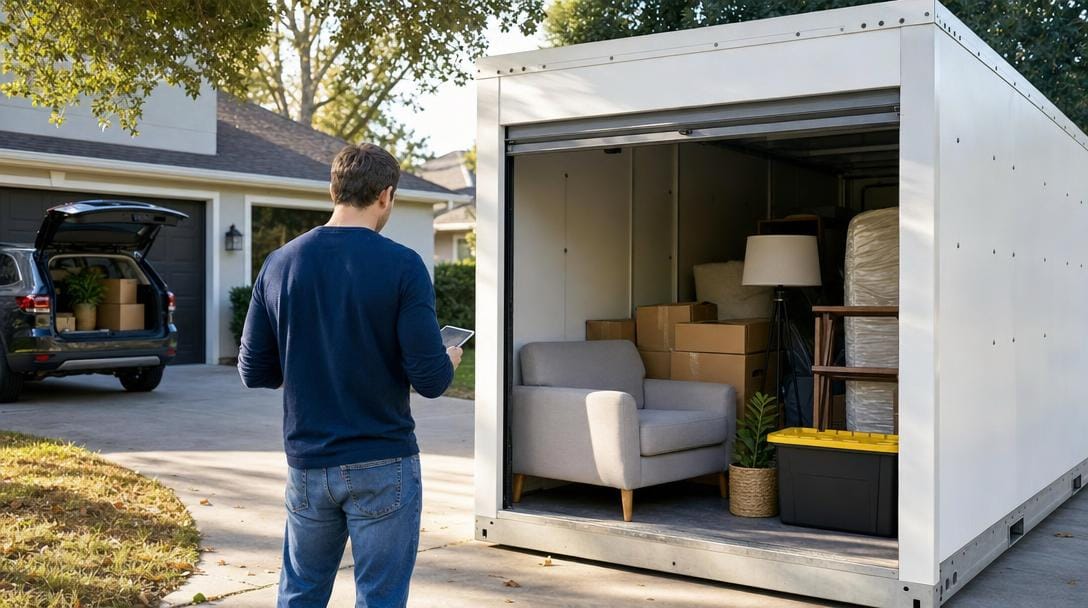
A professional mover transports your belongings under a contract and assumes liability for them in transit. A labor-only service, often booked through a marketplace, only loads or unloads a truck, container, or pod that you supply and drive yourself. Labor-only help costs less and suits local moves where you control the vehicle, but it rarely insures the goods themselves — if a box is dropped in your own truck, that loss is on you. Full service professional movers handle the truck, the driving, and the insurance, which is why they cost more and carry federal registration.
Related Articles
- All Service Moving: What's Included & What to Expect — see exactly which tasks a full-scope move covers from packing to placement.
- Cheap Moving Companies: How to Find Affordable Movers — learn how to cut costs without hiring an unreliable crew.
- Best Moving Companies in Boston: Local Expert Guide — compare top-rated Boston movers and what sets them apart.
- Best Chicago Moving Companies: Top-Rated Local Movers — find vetted, licensed movers serving the Chicago metro.
- Flat Rate Moving Company: How It Works and What to Expect — understand when a fixed price beats hourly billing.
Recommended Reading
- Full Service Moving Company Details and Features
- What to Look for in a Moving Company: Top Qualities
- How to Find a Reputable Moving Company
- How Much Do Movers Cost?
- How to Check a Mover's US DOT Number
Frequently Asked Questions
What does a professional mover do?
A professional mover packs, loads, transports, unloads, and reassembles household or business belongings for a fee. The role covers furniture disassembly, protective wrapping, specialty handling for items like pianos and safes, and optional storage between move dates. Legitimate operators hold liability insurance and, for interstate jobs, a federal USDOT number registered with the FMCSA. Full service professional movers extend the scope further — supplying boxes, packing every room, and unpacking at the destination. The core promise is accountability: trained crews use proper equipment and absorb the financial risk if an item is damaged, which casual labor does not.
How much do professional movers cost on average?
Cost depends on home size, distance, and services. A local move averages about $1,400 and a long-distance relocation averages near $4,300, per move.org's research, though small apartments cost far less and large cross-country moves cost more. Local crews typically bill $100 to $200 per hour for two movers, while interstate carriers price by shipment weight and mileage. Adding full-service packing, specialty items, long carries, or weekend dates raises the total. The most reliable way to budget is to collect three written, itemized estimates and confirm whether materials and stair fees are included.
Is it worth hiring professional movers?
For most large or long-distance moves, yes. Professional movers convert a multi-day ordeal into a few supervised hours, and they carry insurance that protects against damage and injury. The math favors DIY only for small, short, low-value moves where you have free help and a vehicle. Beyond cost, the real value is risk transfer: a trained crew moving a heavy dresser down stairs avoids the back injuries and wall damage that send DIY movers to urgent care. Weigh the hourly rate against your time, physical limits, and the replacement cost of your belongings.
What should I look for when hiring a professional mover?
Start with licensing. Verify the USDOT number on the FMCSA database for any interstate move, and confirm state registration for local jobs. Next, require at least three written, itemized estimates rather than phone guesses. Read recent verified reviews across Google and the BBB, looking for consistency over volume. Confirm insurance and ask which valuation coverage applies — released value or full value protection. Finally, check that the company has a real physical address and a track record measured in years. A licensed and insured mover with transparent pricing and strong reviews beats the cheapest quote nearly every time.
What is the difference between a professional mover and a labor-only service?
A professional mover transports your belongings under a contract and assumes liability for them in transit. A labor-only service, often booked through a marketplace, only loads or unloads a truck, container, or pod that you supply and drive yourself. Labor-only help costs less and suits local moves where you control the vehicle, but it rarely insures the goods themselves — if a box is dropped in your own truck, that loss is on you. Full service professional movers handle the truck, the driving, and the insurance, which is why they cost more and carry federal registration.