'%3E%3Cpath%20fill='%231B2A47'%20d='M1.605%2016.263c.03-1.139.059-2.482.088-3.971.03-1.49.03-2.832.03-4.03%200-.758%200-1.576-.03-2.51%200-.905-.03-1.84-.03-2.803%200-.496-.028-.964-.028-1.43%200-.468%200-.906-.03-1.315h6.858q2.188%200%203.589.35c.963.234%201.663.643%202.13%201.198.496.555.73%201.372.73%202.394%200%20.788-.176%201.46-.497%201.985-.32.526-.846.935-1.575%201.197-.73.292-1.693.468-2.918.526v.263c1.313.087%202.334.263%203.122.525.758.263%201.342.672%201.692%201.197.35.526.525%201.197.525%202.044%200%201.08-.233%201.927-.67%202.57-.468.642-1.139%201.08-2.102%201.343-.933.262-2.159.408-3.705.408H1.605zm6.537-9.197q1.882%200%202.713-.526c.555-.35.817-.934.817-1.752%200-.905-.292-1.547-.846-1.927s-1.459-.554-2.655-.554H4.757v4.759zm.204%206.92c.934%200%201.663-.088%202.217-.263.555-.176.934-.438%201.197-.818s.38-.876.38-1.518c0-.876-.322-1.49-.934-1.84-.643-.35-1.635-.525-3.035-.525H4.757v4.963zM21.038%2016.555c-1.576%200-2.801-.292-3.618-.905-.817-.614-1.284-1.519-1.372-2.745-.087-1.226.205-2.774.847-4.613s1.43-3.358%202.392-4.584c.963-1.226%202.043-2.131%203.298-2.744C23.839.292%2025.24%200%2026.786%200c1.576%200%202.772.321%203.59.934.816.613%201.283%201.548%201.37%202.774s-.203%202.774-.845%204.613c-.642%201.81-1.43%203.358-2.393%204.584s-2.072%202.132-3.297%202.745a9.8%209.8%200%200%201-4.173.905m.788-2.278c.642%200%201.138-.058%201.371-.116.205-.059.496-.117.847-.322.262-.146.437-.292.554-.408.204-.175.32-.292.438-.41.204-.203.35-.408.496-.583.35-.438.642-.876.963-1.402.233-.408.466-.817.67-1.284.205-.438.38-.905.555-1.372.438-1.198.671-2.278.671-3.183s-.204-1.606-.612-2.131c-.409-.497-1.051-.76-1.897-.76-.467%200-.934.059-1.43.205h-.03c-1.02.292-1.925%201.226-2.042%201.372-.116.117-.467.526-.963%201.343a15.5%2015.5%200%200%200-1.342%202.92c-.408%201.197-.642%202.277-.671%203.182-.03.906.175%201.636.584%202.161q.611.788%201.838.788M14.853%2038.54c-1.576%200-2.802-.292-3.619-.905s-1.284-1.518-1.371-2.744c-.088-1.227.204-2.774.846-4.614s1.43-3.357%202.393-4.584%202.042-2.13%203.297-2.744c1.255-.613%202.655-.905%204.173-.905%201.575%200%202.772.321%203.589.934s1.284%201.548%201.371%202.774c.088%201.226-.204%202.774-.846%204.613-.642%201.81-1.43%203.358-2.393%204.584s-2.072%202.131-3.297%202.745c-1.226.613-2.626.846-4.143.846m.787-2.277c.642%200%201.138-.059%201.372-.117.204-.058.496-.117.846-.321.263-.146.438-.292.554-.409.205-.175.321-.292.438-.409.204-.204.35-.408.496-.584a13%2013%200%200%200%201.634-2.686c.204-.438.38-.905.555-1.372.437-1.197.67-2.277.67-3.182%200-.906-.203-1.606-.612-2.132-.409-.496-1.05-.759-1.897-.759-.467%200-.934.058-1.43.204h-.029c-1.021.292-1.925%201.227-2.042%201.373-.117.116-.467.525-.963%201.343a15.5%2015.5%200%200%200-1.342%202.92c-.409%201.196-.642%202.277-.671%203.182s.175%201.635.583%202.16q.613.789%201.838.789'/%3E%3Cpath%20fill='%23FF515E'%20d='M55.966%2038.57c-1.576%200-2.801-.293-3.618-.906s-1.284-1.518-1.372-2.744c-.087-1.227.204-2.774.846-4.613s1.43-3.358%202.393-4.584c.963-1.227%202.043-2.132%203.297-2.745s2.656-.905%204.173-.905c1.576%200%202.772.321%203.589.934s1.284%201.548%201.371%202.774c.088%201.226-.204%202.774-.846%204.613-.642%201.81-1.43%203.358-2.393%204.584s-2.071%202.131-3.297%202.745c-1.225.613-2.626.846-4.143.846m.788-2.249c.642%200%201.138-.058%201.371-.117.204-.058.496-.116.846-.32.263-.147.438-.293.555-.41a7%207%200%200%200%20.437-.408c.205-.205.35-.41.496-.584a13%2013%200%200%200%201.634-2.686c.205-.438.38-.905.555-1.373.438-1.197.671-2.277.671-3.182s-.204-1.606-.613-2.131c-.408-.497-1.05-.76-1.896-.76-.467%200-.934.059-1.43.205h-.03c-1.02.292-1.925%201.226-2.042%201.372-.117.117-.467.526-.963%201.343a15.5%2015.5%200%200%200-1.342%202.92c-.409%201.197-.642%202.277-.671%203.182s.175%201.635.583%202.16q.614.79%201.839.79'/%3E%3Cpath%20fill='%231B2A47'%20d='M33.06%2016.263c0-.35%200-.935.03-1.81.029-1.051.058-2.103.058-3.154s.03-2.073.03-3.007c0-1.606-.03-3.27-.06-4.993%200-.554-.028-1.08-.028-1.606%200-.525-.03-1.021-.03-1.46h6.828c1.46%200%202.685.117%203.59.38q1.4.394%202.1%201.314.7.963.7%202.628c0%20.992-.174%201.81-.554%202.452-.35.643-.904%201.11-1.604%201.431s-1.576.467-2.627.496v.263q2.058.087%203.064.876c.671.525%201.138%201.372%201.43%202.51.087.41.233%201.023.467%201.84.233.818.408%201.431.554%201.84h-3.414a11%2011%200%200%200-.262-1.022c-.321-1.314-.526-2.19-.584-2.628a5%205%200%200%200-.642-1.46%202.13%202.13%200%200%200-.963-.73c-.408-.146-.934-.233-1.605-.233h-3.326v6.0440000000000005H33.06zm6.332-8.292c1.343%200%202.276-.205%202.86-.613.554-.41.846-1.11.846-2.073%200-.73-.146-1.314-.408-1.723-.263-.409-.671-.7-1.197-.876q-.788-.263-2.1-.263h-3.181v5.519h3.18zM49.4%2016.263l.03-2.745c.029-2.452.029-4.905.029-7.416q0-2.101-.088-5.868h4.085l5.924%2010.335c.087.234.204.438.291.643.117.204.205.408.321.613.38.788.613%201.255.672%201.372h.262c0-.058-.03-.146-.03-.204%200-.059-.028-.117-.028-.175a75%2075%200%200%201-.175-1.314%2010%2010%200%200%201-.088-1.285c0-1.547%200-3.737-.029-6.57V1.84c0-.584-.03-1.11-.03-1.576h2.977c-.03%202.482-.058%205.08-.058%207.766%200%201.694%200%204.438.029%208.292h-4.027l-5.573-9.43c-.875-1.81-1.226-2.511-1.05-2.132-.263-.613-.467-1.08-.613-1.46h-.263c.058.35.117.876.175%201.548.059.7.117%201.168.117%201.46%200%202.978%200%206.306.029%209.985H49.4zM4.698%2038.277c.029-2.627.058-5.255.058-7.883%200-1.576%200-3.503-.029-5.752-1.109%200-2.684%200-4.727.03v-2.453h12.664v2.453c-1.955-.03-3.53-.03-4.756-.03%200%20.584-.03%201.227-.03%201.957s0%201.46-.029%202.218v1.84c0%202.57.03%205.11.059%207.62z'/%3E%3Cpath%20fill='%23FF515E'%20d='M29.441%2038.277c.409-1.05.788-2.102%201.168-3.182s.787-2.16%201.167-3.241c.613-1.693%201.05-2.949%201.342-3.766l1.255-3.65c.116-.38.262-.788.379-1.139.117-.38.263-.73.38-1.05h4.61l-.671%2012.904h.262l8.316-12.905h4.669l-.7%201.869c-.876%202.452-1.343%203.766-1.43%204a501%20501%200%200%200-3.385%2010.16h-2.947c.292-.846.788-2.219%201.459-4.087.175-.526.35-1.08.554-1.606.175-.526.38-1.08.555-1.577.642-1.81%201.342-3.825%202.072-6.014h-.234l-8.724%2013.314h-2.86l.554-13.314h-.175c-.175.496-.38.992-.554%201.489-.175.496-.38%201.022-.555%201.547a163%20163%200%200%200-1.08%203.008c-.145.38-.262.759-.408%201.138-.117.38-.262.73-.408%201.11-.7%201.898-1.284%203.59-1.751%205.05h-2.86zM68.047%2038.277c.175-2.19.32-4.525.467-7.007.058-.905.204-3.912.467-9.051h3.151c-.03.438-.058.934-.088%201.46s-.058%201.08-.087%201.693a264%20264%200%200%201-.409%206.657c-.145%201.986-.35%203.591-.583%204.788h.175Q72.147%2034.892%2073.94%2032a562%20562%200%200%201%204.465-7.066c.32-.496.641-.992.933-1.46s.555-.875.817-1.255h3.268q-.568.832-1.138%201.752c-.408.613-.787%201.255-1.196%201.927-3.88%206.014-6.478%2010.131-7.85%2012.35h-5.193zM79.106%2038.277c.32-.788.758-2.014%201.37-3.65a287%20287%200%200%200%201.577-4.32c.437-1.256.904-2.628%201.4-4.088s.934-2.774%201.313-3.97h11.322l-.846%202.364H87.1l-1.664%204.847%207.645-.088-.612%201.694-7.587-.088-1.75%204.934h8.286l-.846%202.365z'/%3E%3C/g%3E%3Cdefs%3E%3CclipPath%20id='a'%3E%3Cpath%20fill='%23fff'%20d='M0%200h96v40H0z'/%3E%3C/clipPath%3E%3C/defs%3E%3C/svg%3E)
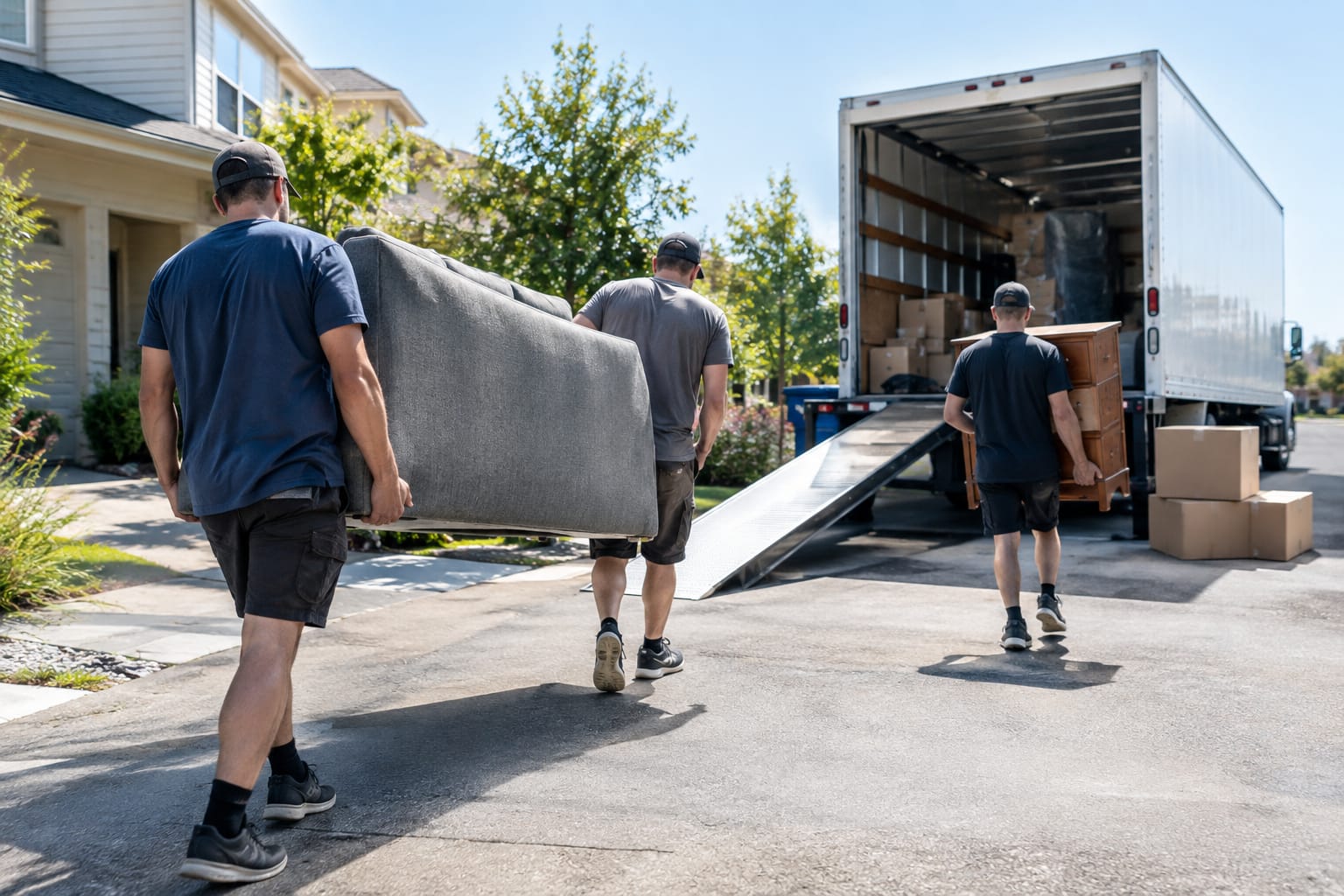
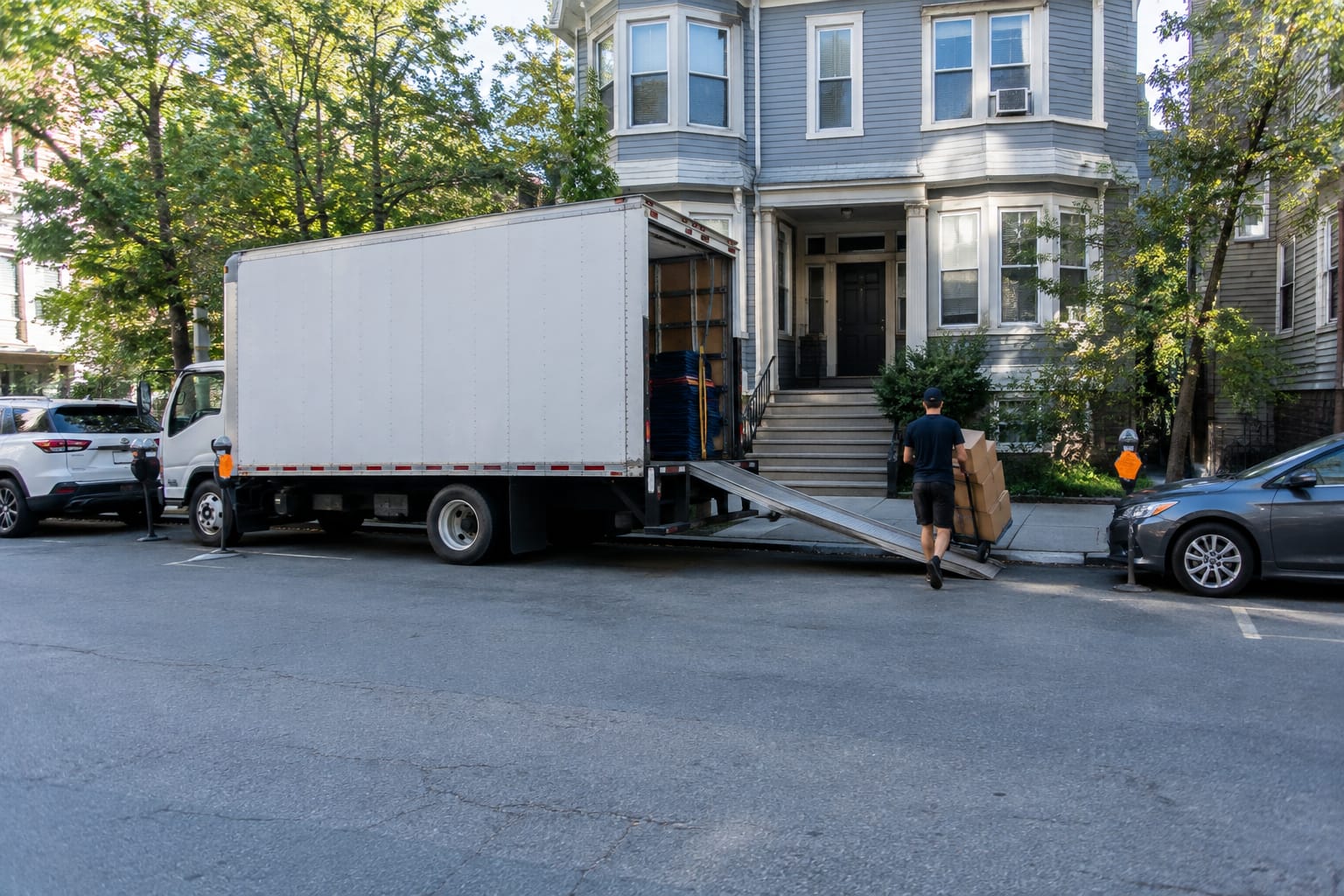
Local moving is the professional relocation of a household or business within the same metro area or state — generally 50 miles or less — billed by the hour rather than by shipment weight or distance. Crews charge for team size, truck time, and labor, usually with a two- or three-hour minimum.
The rules that govern a local move differ sharply from those of a cross-state haul. Distance, pricing method, and legal oversight all change. This guide breaks down what a local move covers, how local movers charge, what drives the final bill, and how to prepare so nothing derails your day.

Key Takeaways
| Point | Details |
|---|---|
| Distance threshold | A move under 50 miles that stays inside one state is intrastate — the standard definition of a local move per the FMCSA move-type categories. |
| Pricing model | Local movers bill hourly, not by weight. Per Forbes Home, rates are charged per mover per hour, plus a two- to three-hour minimum. |
| Everyday demand | Roughly 1 in 12 Americans relocates each year, and most of those moves are local. |
| Biggest cost drivers | Crew size, home size, stairs, and access. Compare quotes on the cost of local moving services. |
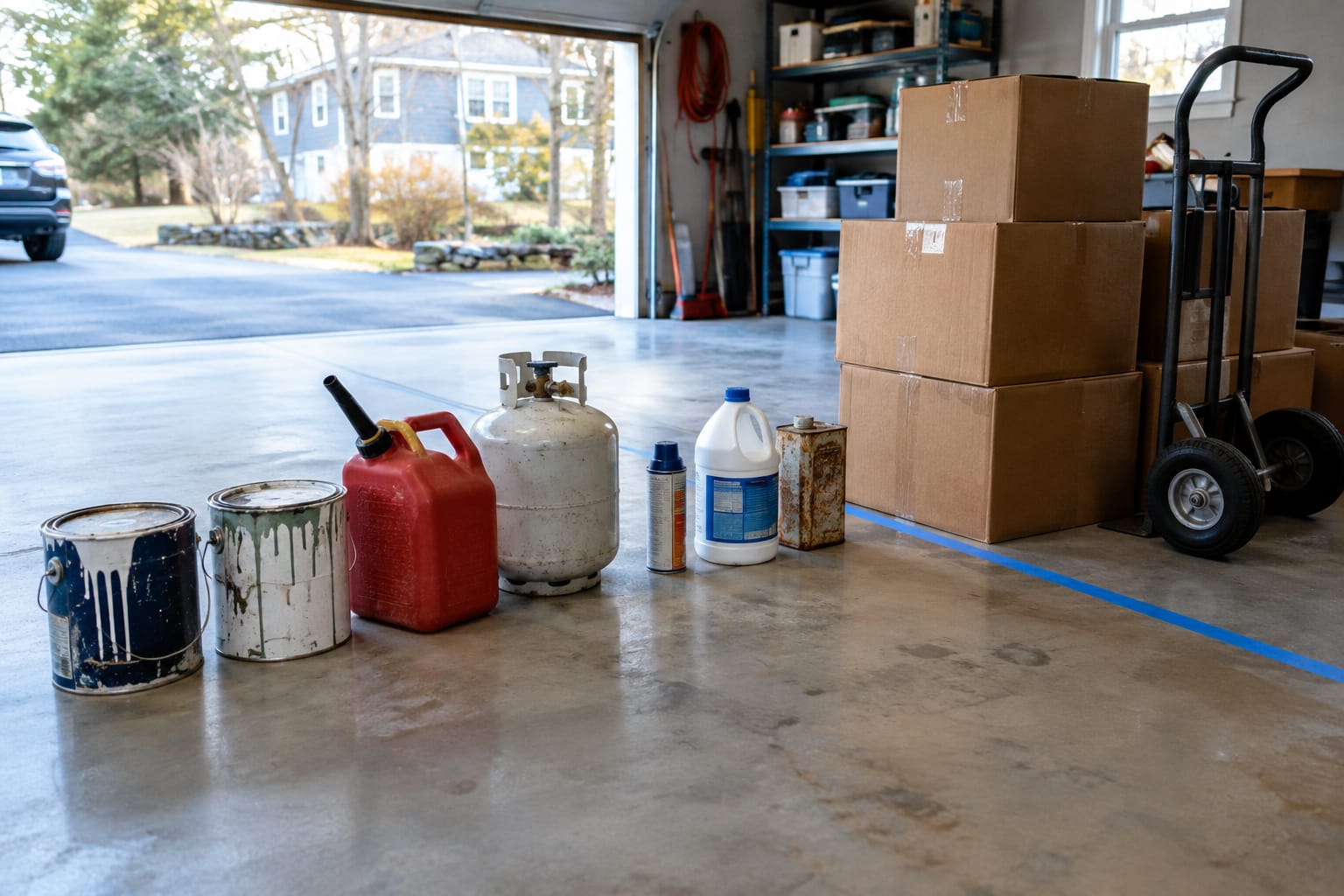
| What movers refuse | Hazardous, perishable, and living items are almost always excluded — plan to move these yourself. |
What Counts as a Local Move?
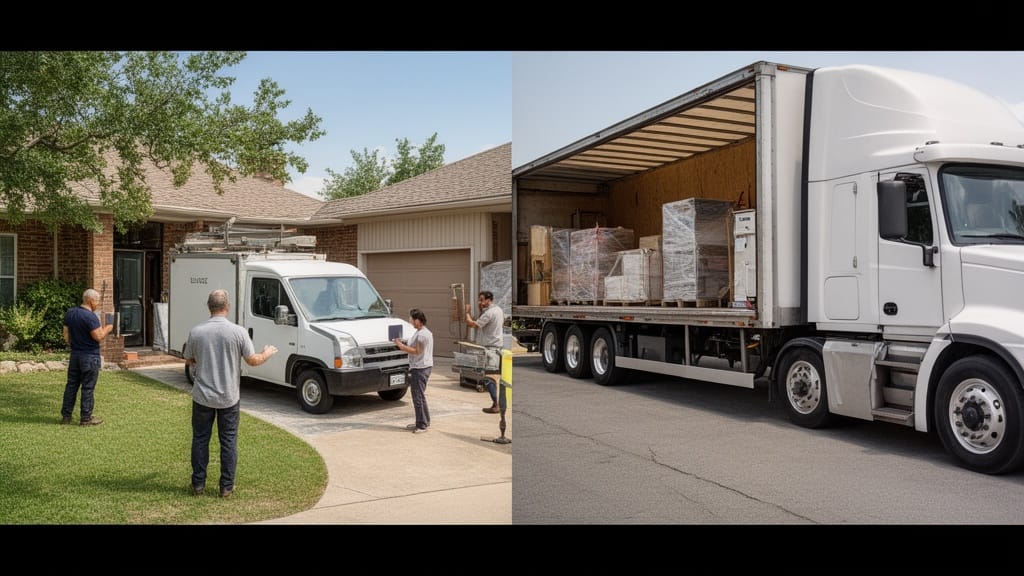
A local move is any relocation that stays within the same city, county, or state and typically covers 50 miles or less. The defining line is not mileage alone — it is whether the move crosses a state border. Moves that stay inside one state are “intrastate”; moves that cross a line are “interstate” and fall under federal rules.
The FMCSA separates household moves into local, intrastate, and interstate categories, and that classification decides both pricing and licensing. Interstate movers must carry a federal US DOT number, while local movers answer to state regulators instead.
Q: What is considered a local move in terms of distance?
A: Most companies treat a relocation under 50 miles that stays within one state as local — this is what is considered a local move under standard industry practice.
Common scenarios that qualify as local include:
- Moving within the city to a different neighborhood
- A short distance move between two nearby suburbs
- Relocating to an apartment across town
- Any intrastate move that stays under the 50-mile mark
If you are weighing your options, the case for choosing a local moving company usually comes down to speed, hourly pricing, and crews who already know the parking rules and traffic patterns in your area.
Services Included in a Standard Local Move
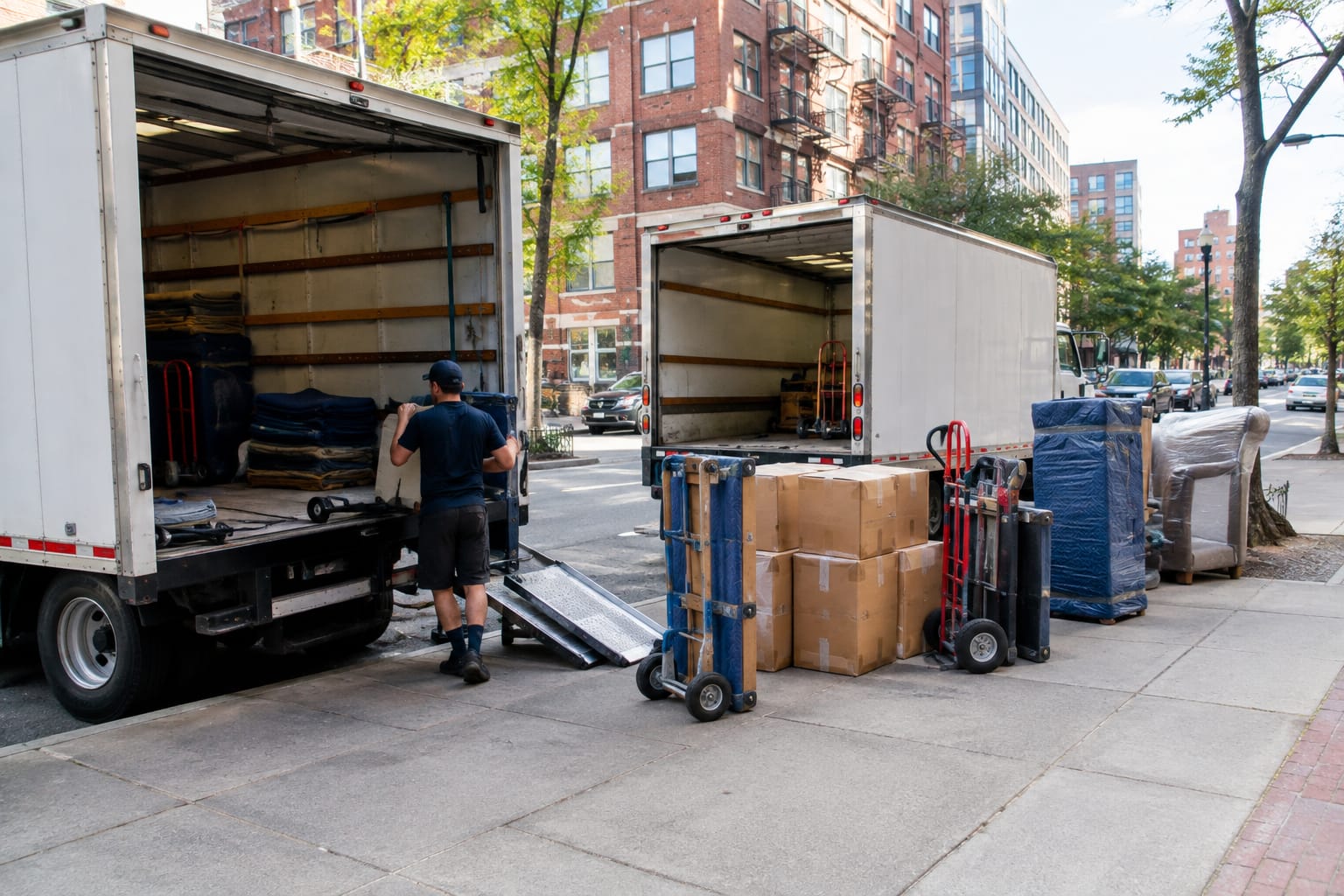
Most residential moving services bundle labor, equipment, and transport into the hourly rate. A standard local crew loads, drives, and unloads — but the details vary, so confirm what is covered before booking.
Typical inclusions from professional local movers:
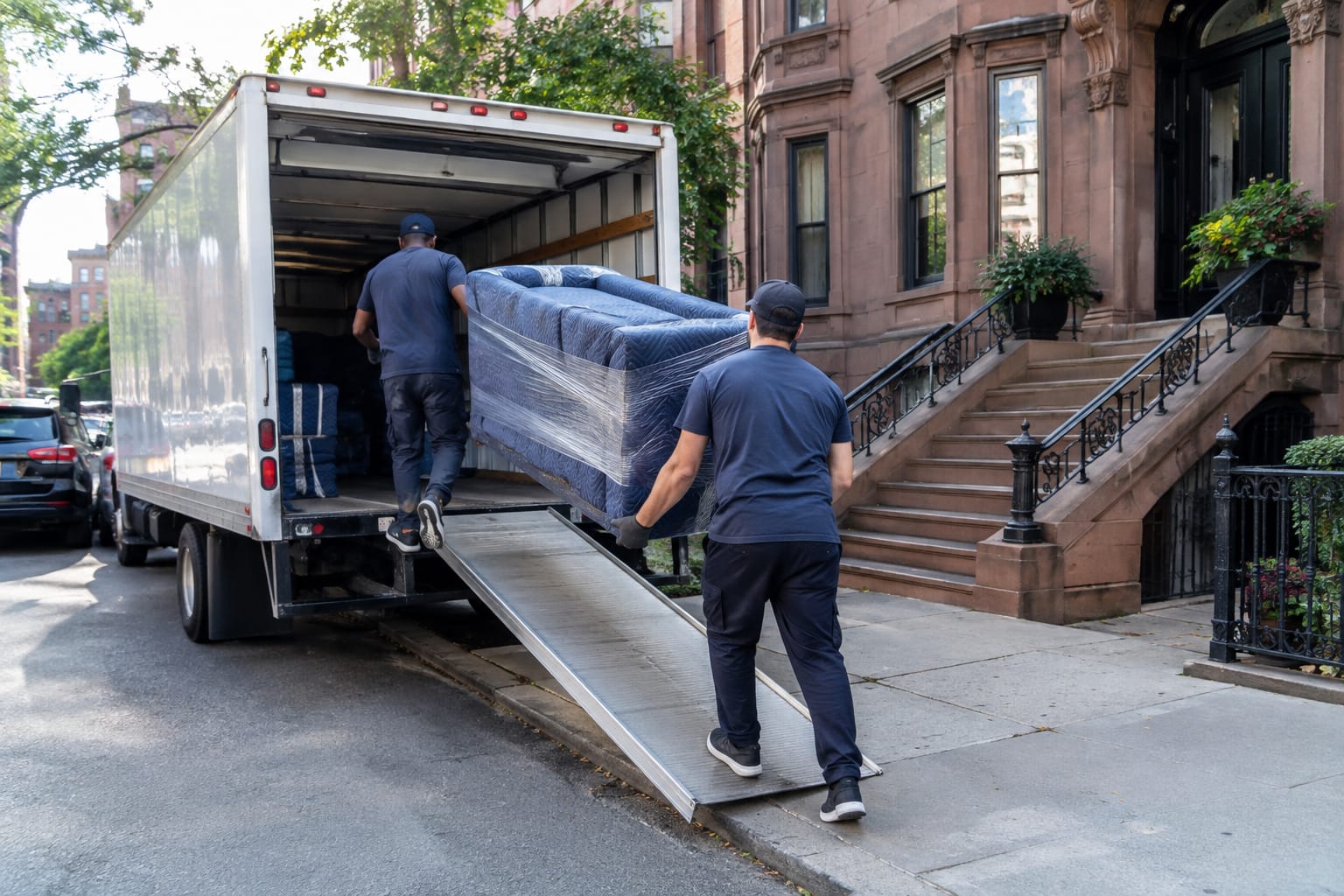
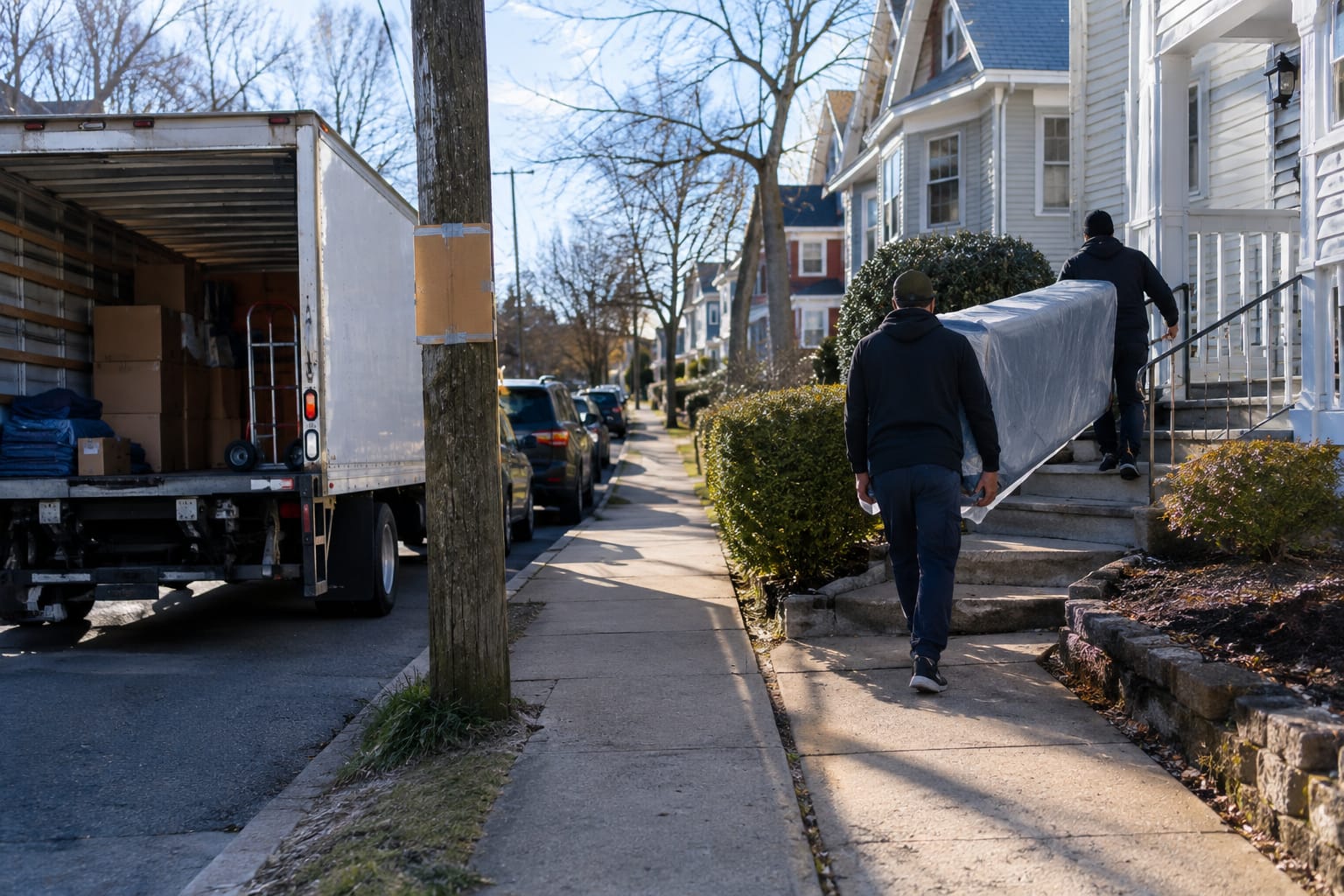
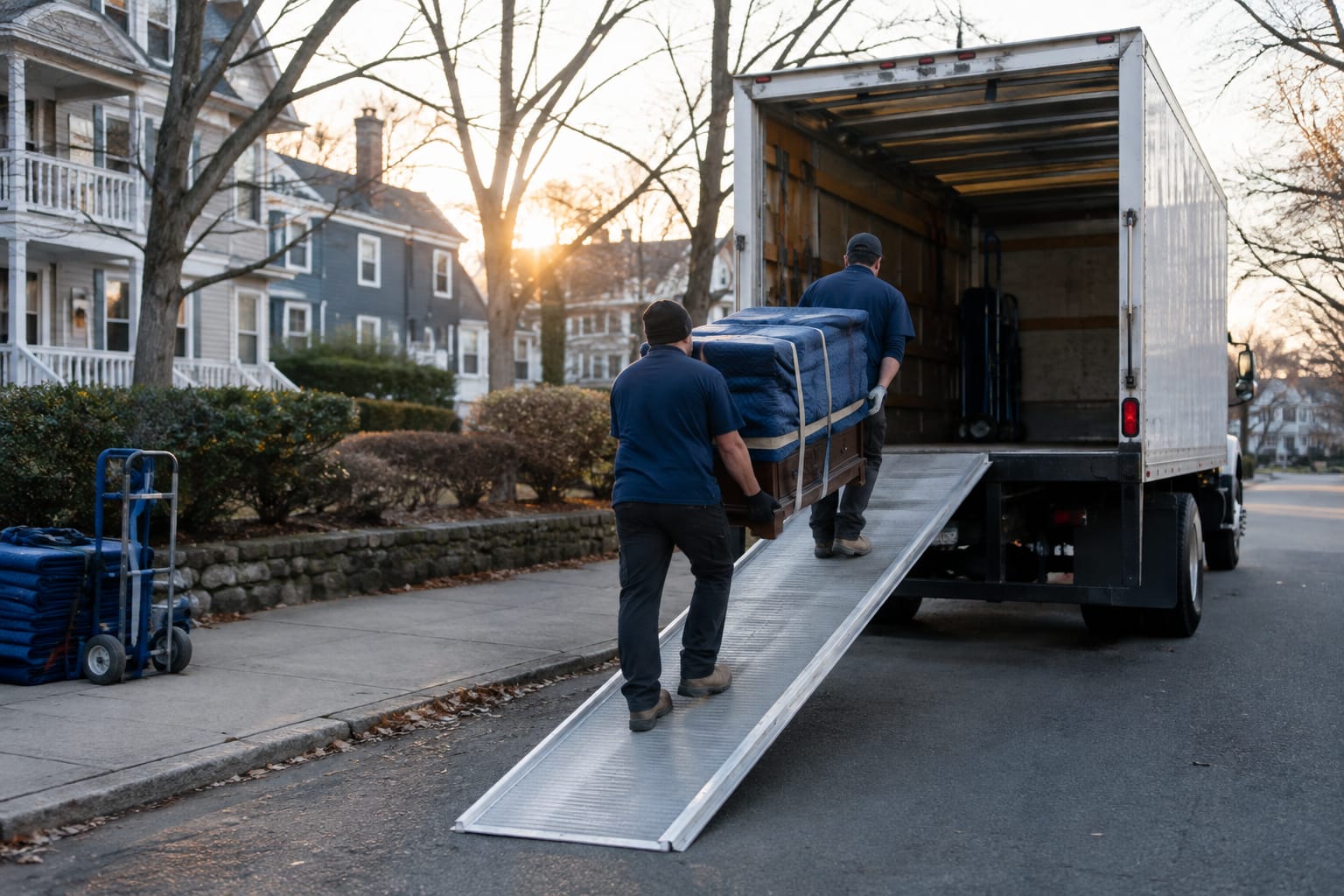
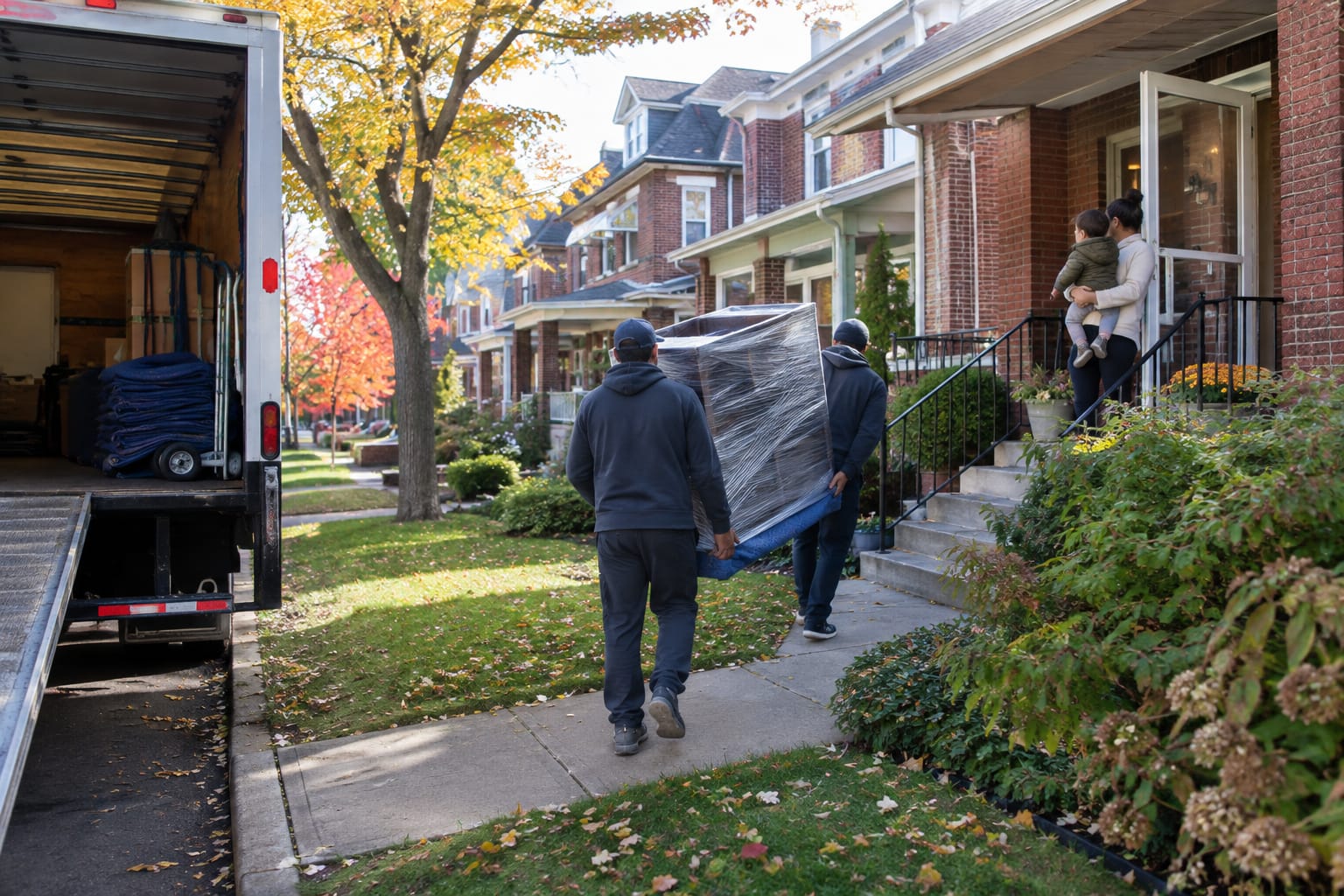
- Furniture protection — every piece is wrapped in moving blankets to prevent scratches and dents.
- Disassembly and reassembly — beds, tables, and modular furniture are taken apart and rebuilt on site.
- Specialty handling — electronics like televisions are wrapped and placed in a dedicated box inside the truck.
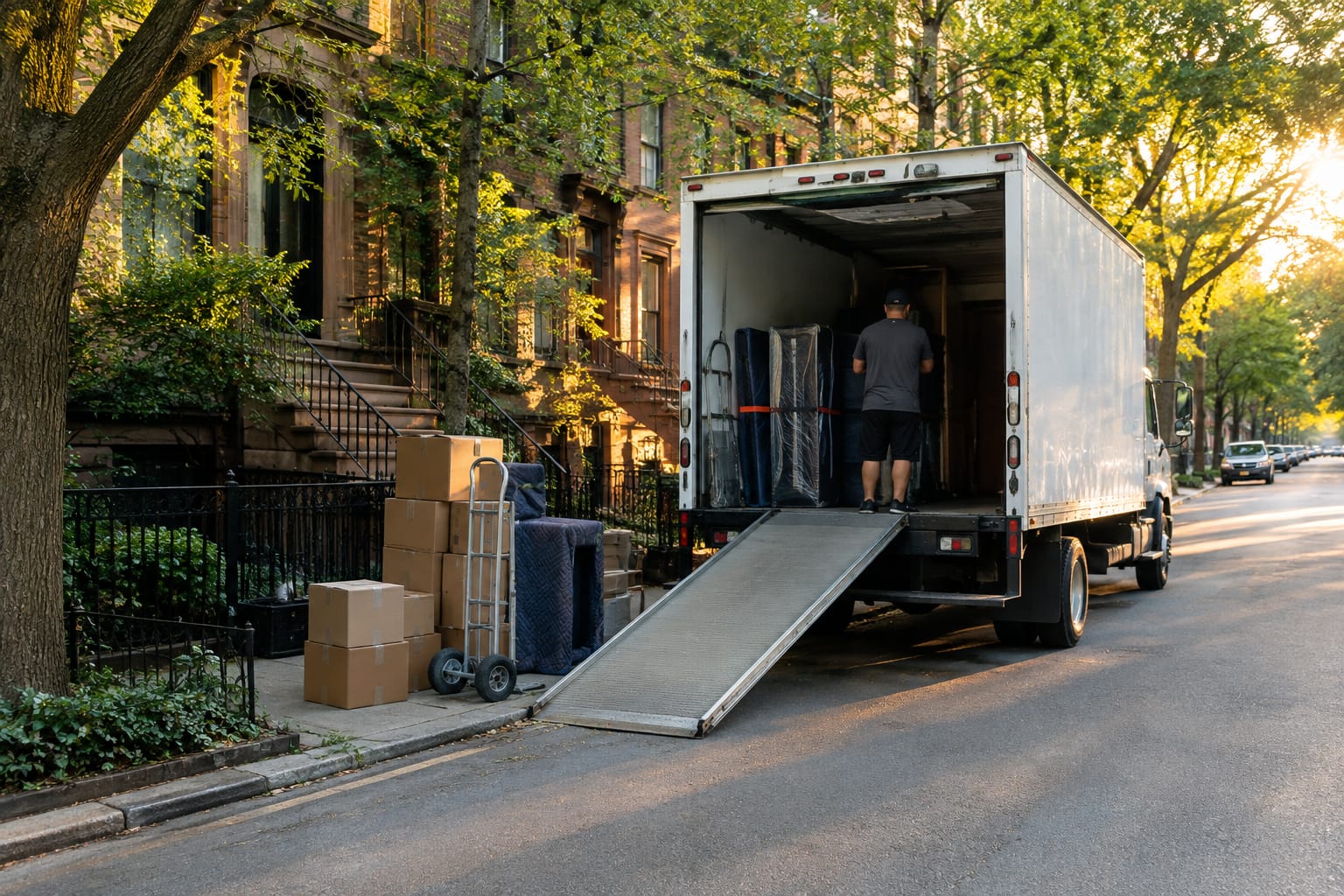
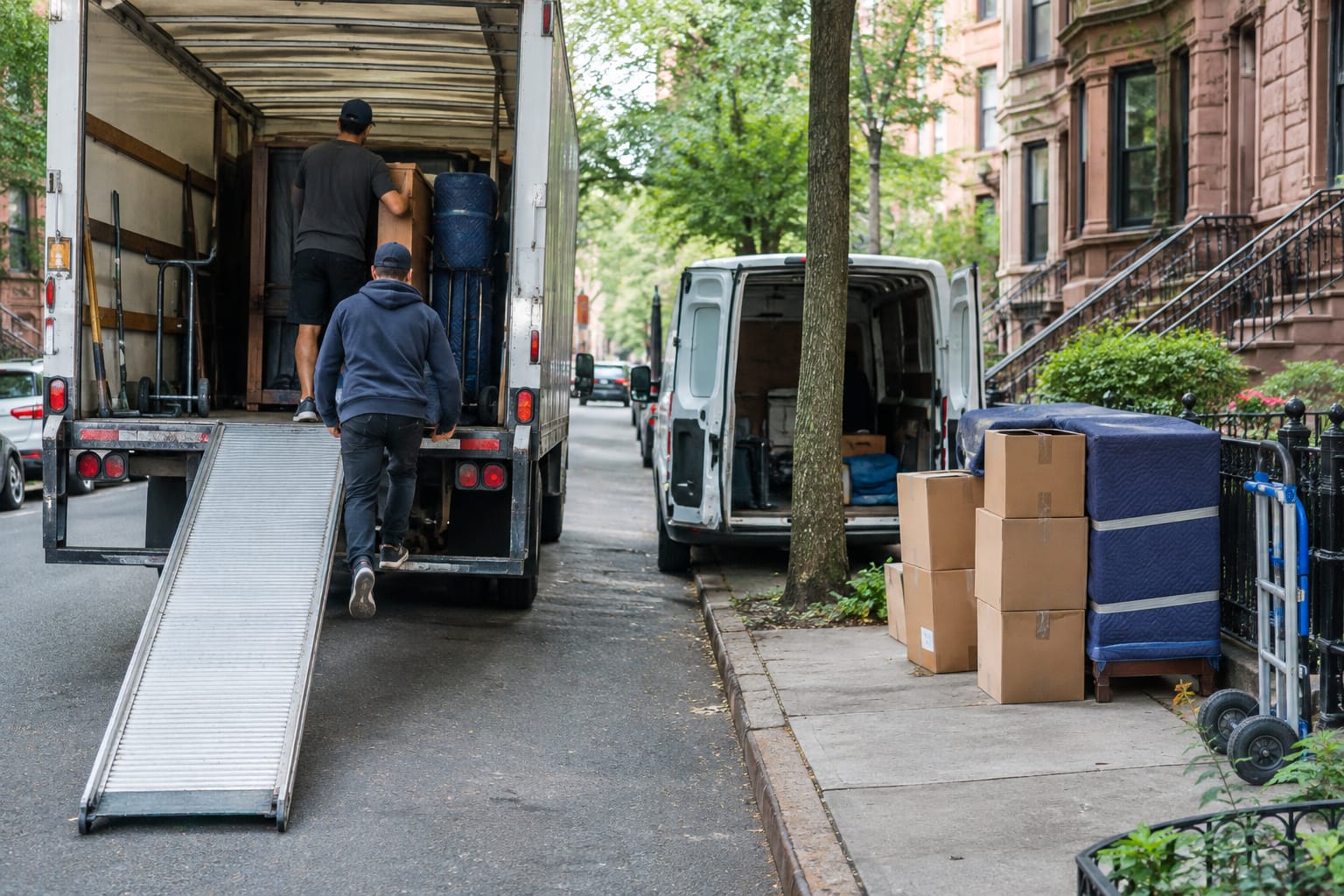
- Loading equipment — dollies, hand trucks, straps, and ramps come with the crew.
- Basic transport — a truck sized to your home, plus fuel and drive time.

Packing materials and full packing service are often add-ons rather than defaults. Ask whether the company provides boxes or expects you to supply them, and whether full-service movers who pack every room are available if you want a hands-off move.
Pro Tip: Get the scope of work in writing before the truck arrives. A one-line email listing disassembly, wrapping, and which rooms the crew will pack removes the two most common day-of disputes — surprise add-ons and “we thought you were packing that.”
How Local Movers Charge: The Hourly Model Explained
Local movers charge by the hour. The bill is built from three parts: an hourly rate tied to crew size, the number of hours worked, and a minimum charge that applies even to fast jobs. Per Forbes Home, local movers generally charge $25 to $50 per mover per hour, so a two-person crew with a truck commonly lands in the mid-double-digits per hour.
Understanding how local movers charge starts with crew size. More movers cost more per hour but finish faster, which often lowers the total. The clock usually starts when the crew arrives and may include a travel or “drive time” fee to cover the trip to and from the depot.
| Crew Size | Best Suited For | Common Minimum |
|---|---|---|
| 2 movers | Studio to 1-bedroom apartment | 2–3 hours |
| 3 movers | 2-bedroom home or apartment | 3–4 hours |
| 4 movers | 3-bedroom house | 4–6 hours |
| 5+ movers | 4-bedroom-plus home | Half or full day |
Q: How much do two local movers cost per hour?
A: A two-person crew with a truck typically bills at the lower end of the per-mover range reported by Forbes Home, combined into a single hourly rate plus a two- to three-hour minimum.
Hourly moving rates make small and mid-size moves affordable because you pay only for time used past the minimum. For a deeper breakdown of what shapes the number, see the full guide to how much movers cost.
Cost Factors That Change Your Final Bill

Your local move cost is rarely a flat figure — it flexes with the details of your home and belongings. Two moves the same distance can differ by hundreds of dollars based on access and volume alone.
The factors that move the needle most:
- Crew size and hours — the core of every hourly quote.
- Home size and volume — more rooms mean more boxes and heavier furniture.
- Stairs and elevators — walk-ups and elevator waits slow loading.
- Long carries — distance from door to truck adds time.
- Bulky specialty items — pianos, safes, and large appliances need extra hands.
- Packing services — full packing adds labor and materials.
A piano is a classic example: it demands a dedicated approach, so review tips for moving a piano before booking. For an apples-to-apples comparison, request itemized quotes and study the cost of local moving services so you know which line items are standard.
Pro Tip: Reserve the building elevator and a parking spot for the truck in advance. An unreserved elevator or a truck stuck a block away can add an hour of billed labor — see how to reserve the elevator and where to park the moving truck.
Inside a Typical Moving Day, Hour by Hour
A well-run local move follows a predictable rhythm. Because everything happens within one region, many jobs finish inside a single day — and a same-day local move is realistic for smaller homes when the crew starts early.
Here is how a standard day unfolds:
- Arrival and walkthrough (0:00–0:15) — the crew tours the home, notes fragile and bulky items, and confirms the plan.
- Wrapping and disassembly (0:15–1:00) — furniture is blanket-wrapped and beds and tables come apart.
- Loading (1:00–2:30) — heaviest items first, boxes stacked to fill space and prevent shifting.
- Transport (2:30–3:00) — the short drive across town, the shortest leg of any local job.
- Unloading and placement (3:00–4:30) — boxes go to labeled rooms; furniture is reassembled.
- Final walkthrough (4:30–5:00) — you confirm placement and sign off.
Apartment movers often work faster than the timeline above because volume is lower, though stairs can offset that. Once the truck pulls away, your first task is settling in — a quick guide to what to do when moving into a new apartment helps you prioritize the first 24 hours.
Preparing for Moving Day: A Practical Checklist
Preparation is the single biggest lever you control. Because you pay by the hour, every box you pack and label yourself shortens the crew’s clock. A tight local moving checklist keeps the day on schedule.

Work through this local moving checklist in the two weeks before the move:
- Declutter first — donate or sell what you will not use; you pay to move everything else.
- Gather supplies — boxes, tape, and paper. Review the packing supplies you need for moving.
- Pack room by room — finish one space before starting the next.
- Label every box — mark the destination room and “fragile” where needed.
- Set aside essentials — a first-night bag of medications, chargers, and toiletries.
- Confirm logistics — parking, elevator, and the crew’s arrival window.
- Verify the crew — run through five things to check before the move.
Pro Tip: Photograph the back panel of your TV and electronics before unplugging. Reconnecting a home entertainment setup from memory wastes time; a photo lets you — or the crew — restore cables in minutes on the other end.
Local Move vs. Long-Distance Move: Key Differences

A local move and a long-distance move share a truck and little else. Pricing, timing, and regulation diverge the moment your route crosses a state line. The table below shows where they part ways.
| Feature | Local Move | Long-Distance Move |
|---|---|---|
| Typical distance | Under 50 miles, same state | Cross-state or 50+ miles |
| Pricing basis | Hourly rate | Weight and mileage |
| Regulation | State authority | Federal US DOT number |
| Timeline | Often same day | Multiple days |
| Truck sharing | Dedicated truck | May be consolidated |
The pricing difference is the one most people underestimate. Local jobs reward efficiency because the meter runs on time, while long-distance quotes hinge on how much your shipment weighs. If a state line is in your future, read what to know about interstate moving so the switch in pricing logic does not surprise you.
Choosing a Reliable Local Moving Company
Credentials matter even for short hauls. A reliable local moving company is licensed, insured, and transparent about how it bills. Verify all three before you sign — the U.S. moving industry is competitive, and quality varies widely between crews.
Use this vetting sequence:
- Confirm licensing and insurance — a legitimate operator states both plainly.
- Check the DOT number where applicable — learn how to check a US DOT number.
- Read recent reviews — look for patterns, not one-off complaints.
- Demand an itemized quote — hourly rate, minimum, and travel fee in writing.
- Ask about damage protection — how claims are handled if something breaks.
The BLS classifies moving crews among hand laborers and material movers, a large and growing occupation — meaning experience levels differ from company to company. For a field-tested framework to find honest and reliable movers, and a checklist of what to look for in a moving company, lean on the two resources above before you commit.
Common Local Moving Mistakes to Avoid
Most local-move problems trace back to a handful of avoidable errors. Because you pay hourly, mistakes cost money as well as stress.
The most frequent missteps:
- Booking on price alone — the lowest hourly rate often hides a long minimum or steep travel fee.
- Skipping the written estimate — the FTC advises getting every moving estimate in writing to avoid day-of surprises.
- Underestimating volume — an undersized truck means a second trip and a second bill.
- Packing late — a half-packed home stretches the crew’s clock by hours.
- Ignoring exclusions — movers will not take hazardous or perishable goods.
For a broader rundown, review these common issues with moving and how to avoid them. A little foresight keeps a local move on time and on budget.
Related Articles
- Planning a Local Move: A Practical Checklist — a step-by-step timeline for organizing a smooth local relocation.
- The Cheapest Way to Move Locally — proven tactics for cutting your hourly bill without cutting corners.
- How Do Moving Companies Charge? Pricing Explained — a plain-language breakdown of hourly, weight, and flat-rate pricing.
- The Best Time to Move Into an Apartment — how timing your move affects cost and availability.
- How to Hire a Moving Company: Step-by-Step — a vetting walkthrough from first quote to signed contract.
Recommended Reading
- Local Movers Boston: Complete Guide to Boston Moving Companies
- How much do movers cost?
- What is a good tip for movers?
- 8 moving tips for the smoothest moving experience
Frequently Asked Questions