'%3E%3Cpath%20fill='%231B2A47'%20d='M1.605%2016.263c.03-1.139.059-2.482.088-3.971.03-1.49.03-2.832.03-4.03%200-.758%200-1.576-.03-2.51%200-.905-.03-1.84-.03-2.803%200-.496-.028-.964-.028-1.43%200-.468%200-.906-.03-1.315h6.858q2.188%200%203.589.35c.963.234%201.663.643%202.13%201.198.496.555.73%201.372.73%202.394%200%20.788-.176%201.46-.497%201.985-.32.526-.846.935-1.575%201.197-.73.292-1.693.468-2.918.526v.263c1.313.087%202.334.263%203.122.525.758.263%201.342.672%201.692%201.197.35.526.525%201.197.525%202.044%200%201.08-.233%201.927-.67%202.57-.468.642-1.139%201.08-2.102%201.343-.933.262-2.159.408-3.705.408H1.605zm6.537-9.197q1.882%200%202.713-.526c.555-.35.817-.934.817-1.752%200-.905-.292-1.547-.846-1.927s-1.459-.554-2.655-.554H4.757v4.759zm.204%206.92c.934%200%201.663-.088%202.217-.263.555-.176.934-.438%201.197-.818s.38-.876.38-1.518c0-.876-.322-1.49-.934-1.84-.643-.35-1.635-.525-3.035-.525H4.757v4.963zM21.038%2016.555c-1.576%200-2.801-.292-3.618-.905-.817-.614-1.284-1.519-1.372-2.745-.087-1.226.205-2.774.847-4.613s1.43-3.358%202.392-4.584c.963-1.226%202.043-2.131%203.298-2.744C23.839.292%2025.24%200%2026.786%200c1.576%200%202.772.321%203.59.934.816.613%201.283%201.548%201.37%202.774s-.203%202.774-.845%204.613c-.642%201.81-1.43%203.358-2.393%204.584s-2.072%202.132-3.297%202.745a9.8%209.8%200%200%201-4.173.905m.788-2.278c.642%200%201.138-.058%201.371-.116.205-.059.496-.117.847-.322.262-.146.437-.292.554-.408.204-.175.32-.292.438-.41.204-.203.35-.408.496-.583.35-.438.642-.876.963-1.402.233-.408.466-.817.67-1.284.205-.438.38-.905.555-1.372.438-1.198.671-2.278.671-3.183s-.204-1.606-.612-2.131c-.409-.497-1.051-.76-1.897-.76-.467%200-.934.059-1.43.205h-.03c-1.02.292-1.925%201.226-2.042%201.372-.116.117-.467.526-.963%201.343a15.5%2015.5%200%200%200-1.342%202.92c-.408%201.197-.642%202.277-.671%203.182-.03.906.175%201.636.584%202.161q.611.788%201.838.788M14.853%2038.54c-1.576%200-2.802-.292-3.619-.905s-1.284-1.518-1.371-2.744c-.088-1.227.204-2.774.846-4.614s1.43-3.357%202.393-4.584%202.042-2.13%203.297-2.744c1.255-.613%202.655-.905%204.173-.905%201.575%200%202.772.321%203.589.934s1.284%201.548%201.371%202.774c.088%201.226-.204%202.774-.846%204.613-.642%201.81-1.43%203.358-2.393%204.584s-2.072%202.131-3.297%202.745c-1.226.613-2.626.846-4.143.846m.787-2.277c.642%200%201.138-.059%201.372-.117.204-.058.496-.117.846-.321.263-.146.438-.292.554-.409.205-.175.321-.292.438-.409.204-.204.35-.408.496-.584a13%2013%200%200%200%201.634-2.686c.204-.438.38-.905.555-1.372.437-1.197.67-2.277.67-3.182%200-.906-.203-1.606-.612-2.132-.409-.496-1.05-.759-1.897-.759-.467%200-.934.058-1.43.204h-.029c-1.021.292-1.925%201.227-2.042%201.373-.117.116-.467.525-.963%201.343a15.5%2015.5%200%200%200-1.342%202.92c-.409%201.196-.642%202.277-.671%203.182s.175%201.635.583%202.16q.613.789%201.838.789'/%3E%3Cpath%20fill='%23FF515E'%20d='M55.966%2038.57c-1.576%200-2.801-.293-3.618-.906s-1.284-1.518-1.372-2.744c-.087-1.227.204-2.774.846-4.613s1.43-3.358%202.393-4.584c.963-1.227%202.043-2.132%203.297-2.745s2.656-.905%204.173-.905c1.576%200%202.772.321%203.589.934s1.284%201.548%201.371%202.774c.088%201.226-.204%202.774-.846%204.613-.642%201.81-1.43%203.358-2.393%204.584s-2.071%202.131-3.297%202.745c-1.225.613-2.626.846-4.143.846m.788-2.249c.642%200%201.138-.058%201.371-.117.204-.058.496-.116.846-.32.263-.147.438-.293.555-.41a7%207%200%200%200%20.437-.408c.205-.205.35-.41.496-.584a13%2013%200%200%200%201.634-2.686c.205-.438.38-.905.555-1.373.438-1.197.671-2.277.671-3.182s-.204-1.606-.613-2.131c-.408-.497-1.05-.76-1.896-.76-.467%200-.934.059-1.43.205h-.03c-1.02.292-1.925%201.226-2.042%201.372-.117.117-.467.526-.963%201.343a15.5%2015.5%200%200%200-1.342%202.92c-.409%201.197-.642%202.277-.671%203.182s.175%201.635.583%202.16q.614.79%201.839.79'/%3E%3Cpath%20fill='%231B2A47'%20d='M33.06%2016.263c0-.35%200-.935.03-1.81.029-1.051.058-2.103.058-3.154s.03-2.073.03-3.007c0-1.606-.03-3.27-.06-4.993%200-.554-.028-1.08-.028-1.606%200-.525-.03-1.021-.03-1.46h6.828c1.46%200%202.685.117%203.59.38q1.4.394%202.1%201.314.7.963.7%202.628c0%20.992-.174%201.81-.554%202.452-.35.643-.904%201.11-1.604%201.431s-1.576.467-2.627.496v.263q2.058.087%203.064.876c.671.525%201.138%201.372%201.43%202.51.087.41.233%201.023.467%201.84.233.818.408%201.431.554%201.84h-3.414a11%2011%200%200%200-.262-1.022c-.321-1.314-.526-2.19-.584-2.628a5%205%200%200%200-.642-1.46%202.13%202.13%200%200%200-.963-.73c-.408-.146-.934-.233-1.605-.233h-3.326v6.0440000000000005H33.06zm6.332-8.292c1.343%200%202.276-.205%202.86-.613.554-.41.846-1.11.846-2.073%200-.73-.146-1.314-.408-1.723-.263-.409-.671-.7-1.197-.876q-.788-.263-2.1-.263h-3.181v5.519h3.18zM49.4%2016.263l.03-2.745c.029-2.452.029-4.905.029-7.416q0-2.101-.088-5.868h4.085l5.924%2010.335c.087.234.204.438.291.643.117.204.205.408.321.613.38.788.613%201.255.672%201.372h.262c0-.058-.03-.146-.03-.204%200-.059-.028-.117-.028-.175a75%2075%200%200%201-.175-1.314%2010%2010%200%200%201-.088-1.285c0-1.547%200-3.737-.029-6.57V1.84c0-.584-.03-1.11-.03-1.576h2.977c-.03%202.482-.058%205.08-.058%207.766%200%201.694%200%204.438.029%208.292h-4.027l-5.573-9.43c-.875-1.81-1.226-2.511-1.05-2.132-.263-.613-.467-1.08-.613-1.46h-.263c.058.35.117.876.175%201.548.059.7.117%201.168.117%201.46%200%202.978%200%206.306.029%209.985H49.4zM4.698%2038.277c.029-2.627.058-5.255.058-7.883%200-1.576%200-3.503-.029-5.752-1.109%200-2.684%200-4.727.03v-2.453h12.664v2.453c-1.955-.03-3.53-.03-4.756-.03%200%20.584-.03%201.227-.03%201.957s0%201.46-.029%202.218v1.84c0%202.57.03%205.11.059%207.62z'/%3E%3Cpath%20fill='%23FF515E'%20d='M29.441%2038.277c.409-1.05.788-2.102%201.168-3.182s.787-2.16%201.167-3.241c.613-1.693%201.05-2.949%201.342-3.766l1.255-3.65c.116-.38.262-.788.379-1.139.117-.38.263-.73.38-1.05h4.61l-.671%2012.904h.262l8.316-12.905h4.669l-.7%201.869c-.876%202.452-1.343%203.766-1.43%204a501%20501%200%200%200-3.385%2010.16h-2.947c.292-.846.788-2.219%201.459-4.087.175-.526.35-1.08.554-1.606.175-.526.38-1.08.555-1.577.642-1.81%201.342-3.825%202.072-6.014h-.234l-8.724%2013.314h-2.86l.554-13.314h-.175c-.175.496-.38.992-.554%201.489-.175.496-.38%201.022-.555%201.547a163%20163%200%200%200-1.08%203.008c-.145.38-.262.759-.408%201.138-.117.38-.262.73-.408%201.11-.7%201.898-1.284%203.59-1.751%205.05h-2.86zM68.047%2038.277c.175-2.19.32-4.525.467-7.007.058-.905.204-3.912.467-9.051h3.151c-.03.438-.058.934-.088%201.46s-.058%201.08-.087%201.693a264%20264%200%200%201-.409%206.657c-.145%201.986-.35%203.591-.583%204.788h.175Q72.147%2034.892%2073.94%2032a562%20562%200%200%201%204.465-7.066c.32-.496.641-.992.933-1.46s.555-.875.817-1.255h3.268q-.568.832-1.138%201.752c-.408.613-.787%201.255-1.196%201.927-3.88%206.014-6.478%2010.131-7.85%2012.35h-5.193zM79.106%2038.277c.32-.788.758-2.014%201.37-3.65a287%20287%200%200%200%201.577-4.32c.437-1.256.904-2.628%201.4-4.088s.934-2.774%201.313-3.97h11.322l-.846%202.364H87.1l-1.664%204.847%207.645-.088-.612%201.694-7.587-.088-1.75%204.934h8.286l-.846%202.365z'/%3E%3C/g%3E%3Cdefs%3E%3CclipPath%20id='a'%3E%3Cpath%20fill='%23fff'%20d='M0%200h96v40H0z'/%3E%3C/clipPath%3E%3C/defs%3E%3C/svg%3E)
Essential moving supplies include sturdy moving boxes in several sizes, strong packing tape, bubble wrap, packing paper, furniture blankets, and a marker for labeling. A typical household needs 30 to 60 boxes plus protective padding for fragile items and heavy furniture. The exact count scales directly with home size and how much you own.
Most people underestimate what a full pack-out requires, then run out of tape at 10 p.m. the night before the truck arrives. This guide fixes that. Below is a mover-tested breakdown of every category of moving supplies, what each item protects, how many you actually need per room, and where to buy them without overpaying.
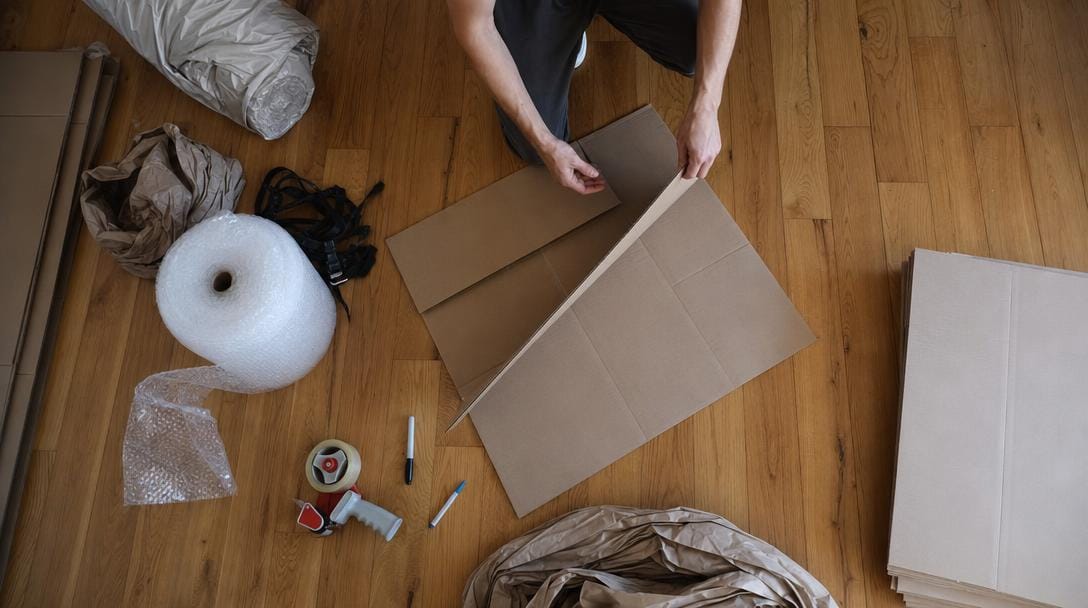
What Moving Supplies Do You Actually Need?
Moving supplies fall into six core groups: containers (boxes and bins), sealing materials (tape), protective wrap (bubble wrap and paper), furniture protection (blankets and straps), moving equipment (dollies), and organizing tools (labels and markers). Get all six right and nothing breaks in transit.
Think of it as building a moving kit from the ground up. Each layer does a specific job, and skipping one usually shows up as a chipped plate or a scratched dresser. For a deeper category-by-category breakdown, this list of essential packing materials and supplies covers every item a full household move demands.
Here is the short moving supplies list in order of priority:
- Moving boxes (small, medium, large, wardrobe, dish-pack) — hold and transport everything you own.
- Packing tape — seals box seams so bottoms don't blow out.
- Bubble wrap — cushions fragile and electronic items against shock.
- Packing paper — wraps dishes and fills empty space to stop shifting.
- Furniture blankets — shield wood, upholstery, and appliances from scratches.
- Moving dollies — move heavy loads without injuring your back.
- Labels and markers — tell you and the crew which room every box belongs in.
Q: What supplies do I need for moving?
A: You need moving boxes in three to four sizes, at least two rolls of packing tape per 20 boxes, bubble wrap, packing paper, furniture blankets, and a permanent marker for labeling.
These are the essential packing supplies every move requires, whether you're relocating a studio or a five-bedroom house. Americans move constantly — about 25.6 million people relocated between 2021 and 2022, and the ones who pack with the right materials lose far less to breakage.
| Supply | What It's For | Suggested Quantity (Average Home) |
|---|---|---|
| Moving boxes | Holding and transporting belongings | 30–60 boxes |
| Packing tape | Sealing box seams | 4–8 rolls |
| Bubble wrap | Cushioning fragile items | 1–2 large rolls |
| Packing paper | Wrapping dishes, filling gaps | 5–10 lbs |
| Furniture blankets | Protecting large furniture | 6–12 blankets |
| Markers/labels | Organizing by room | 2–4 markers, 1 label pack |
Moving Boxes in Every Size
Moving boxes are the foundation of any pack-out, and using the right size for each item is what keeps boxes from collapsing or becoming too heavy to lift. Small boxes carry dense items like books; large boxes hold light, bulky items like pillows and linens.
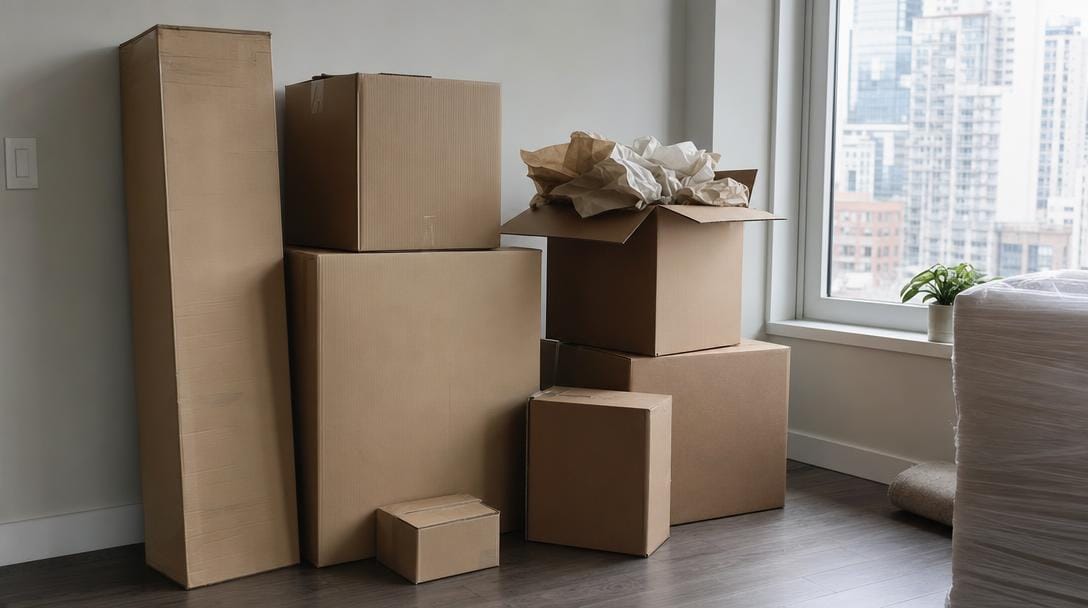
Stick to a simple rule: heavy things go in small boxes, light things go in big boxes. A large box packed with hardcovers becomes a 70-pound injury risk that no one can carry safely.
The standard box lineup looks like this:
- Small (1.5 cu ft): books, canned goods, tools, records.
- Medium (3.0 cu ft): kitchenware, small appliances, toys.
- Large (4.5 cu ft): bedding, lampshades, larger lightweight items.
- Extra-large (6.0 cu ft): comforters, pillows, oversized soft goods.
- Wardrobe: hanging clothes, straight from the closet to the box.
- Dish-pack (double-wall): plates, glasses, and stemware.
Cardboard is also one of the most sustainable materials you'll use — corrugated boxes are recovered and recycled at one of the highest rates of any packaging material, so used boxes are easy to source and easy to pass on afterward. For cost-conscious buyers, comparing suppliers on the best deals on cardboard moving boxes can trim a meaningful chunk off your total.
Q: How many boxes to move a one-bedroom apartment?
A: A one-bedroom apartment typically needs 15 to 25 boxes total — roughly 10 small, 8 medium, 4 large, plus 1 or 2 wardrobe boxes.
Pro Tip: Double-wall dish-pack boxes cost more per unit but pay for themselves the moment they save a set of wine glasses. Reserve them for the kitchen and never pack glassware in a single-wall box.
Packing Tape and Dispensers
Packing tape is what keeps a loaded box together, and standard shipping tape is far stronger than the cellophane tape in a junk drawer. Plan on one roll of quality tape for every 10 to 15 boxes you pack.
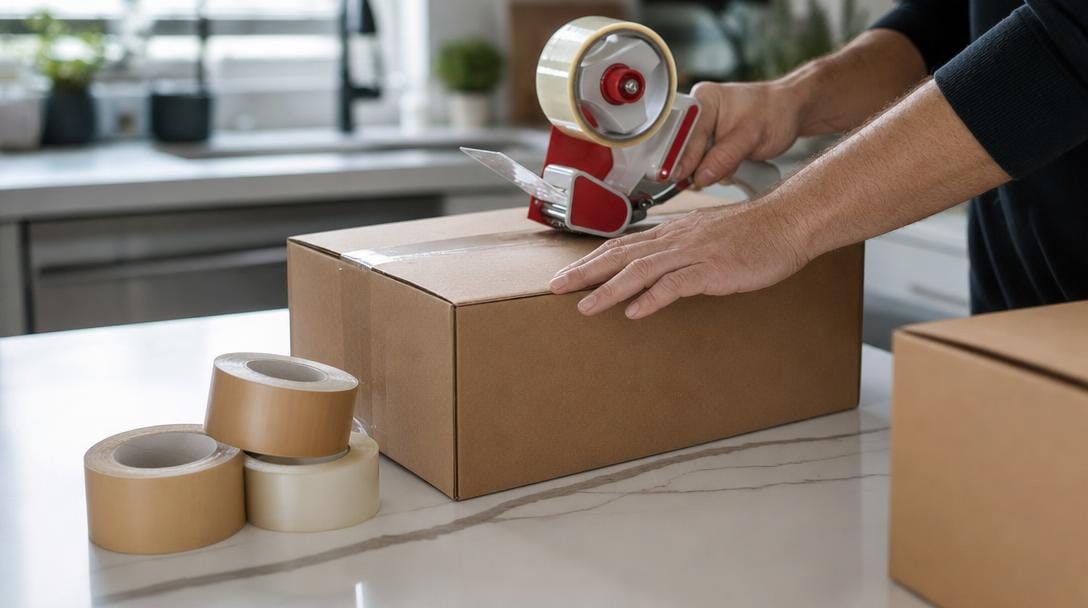
Use 2-inch-wide pressure-sensitive tape with a tape gun. A dispenser cuts packing time roughly in half compared with tearing strips by hand, and it applies even tension so seams hold.
Not all adhesives are equal. Different jobs call for different products, and this guide to types of tape for packing explains when to reach for each one:
- Standard packing tape: general box sealing.
- Heavy-duty tape: overloaded or double-wall boxes.
- Paper/masking tape: labeling and light bundling, never for load-bearing seams.
- Stretch/plastic wrap: securing drawers, doors, and loose cords.
The most common mistake is using too little. Reinforce the bottom of every box with the H-taping method — one strip down the center seam, then one across each edge where the flaps meet the box walls.
Bubble Wrap and Protective Padding
Bubble wrap cushions fragile items by absorbing shock and vibration during transit, making it the single most important protective material for electronics, glass, and ceramics. One or two large rolls covers a typical household.
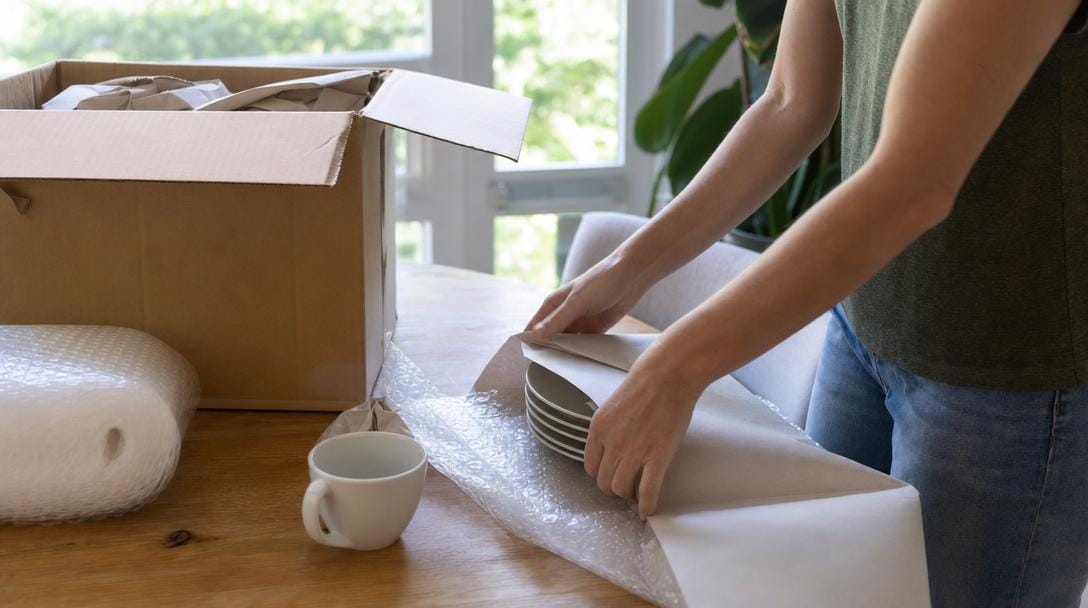
Bubble comes in two common bubble sizes. Small-bubble wrap (3/16 inch) protects surfaces and small items; large-bubble wrap (1/2 inch) absorbs harder impacts around electronics and framed art.
There's a right and wrong way to wrap. Place the bubble side facing inward against the item so the air pockets cushion directly, then secure with tape — not around the item where the cushioning collapses. For a full walkthrough of bubble sizes and techniques, see this breakdown of the types of bubble wrap and ways to use it.
Pair bubble wrap with these packing materials for full fragile-item protection:
- Foam pouches for stemware and small glass.
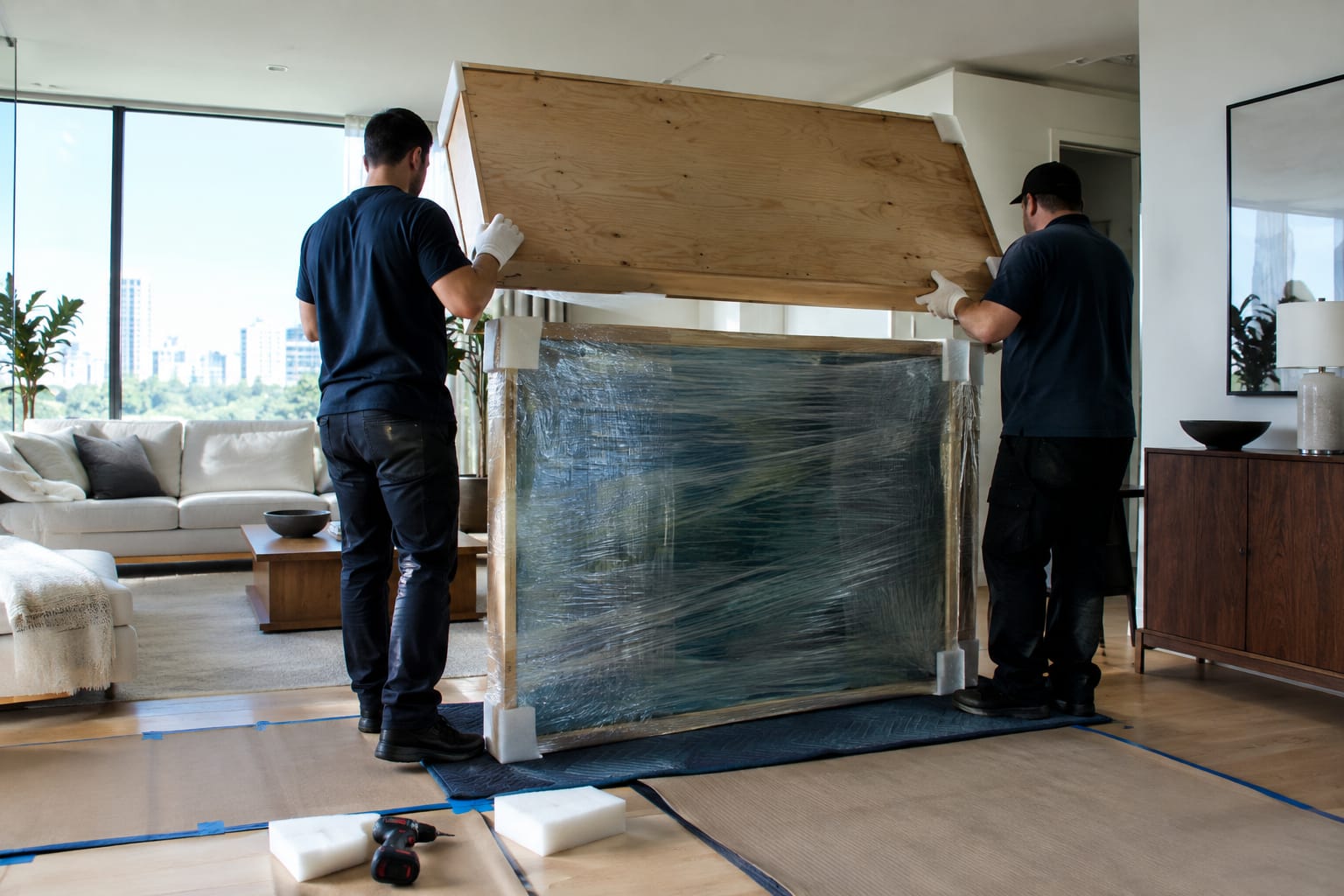
- Corner protectors for framed art and mirrors.
- Air pillows or crumpled paper to fill remaining void space.
Pro Tip: Never let two fragile items touch inside a box. A single layer of bubble wrap between each plate or glass — plus 2 inches of padding on every wall of the box — is what separates an intact kitchen from a pile of ceramic.
Packing Paper and Fillers
Packing paper is clean, unprinted newsprint used to wrap dishes, cushion surfaces, and fill empty gaps so items don't shift. Budget 5 to 10 pounds of paper for an average household, more if you own a lot of dishware.
Paper does double duty. It wraps individual pieces and it fills the voids that cause rattling. A box with any empty space is a box waiting to have its contents collapse inward during a bump in the road.
Avoid printed newspaper on anything you care about — the ink transfers onto china, glass, and light-colored surfaces. This guide on how to use packing paper when moving shows the nesting and bundling techniques professional crews rely on.
Common fillers and their best uses:
| Filler | Best For | Notes |
|---|---|---|
| Packing paper | Dishes, glassware, void fill | Ink-free, reusable |
| Kraft paper | Heavier wrapping, surface protection | Thicker than newsprint |
| Foam sheets | Scratch-prone finishes | Reusable, lightweight |
| Towels/linens | Padding you already own | Free, doubles as cargo |
Using linens and towels as padding is a legitimate mover trick. It protects fragile items and moves your soft goods at the same time, cutting the number of boxes you need to buy.
Furniture Blankets, Straps, and Dollies
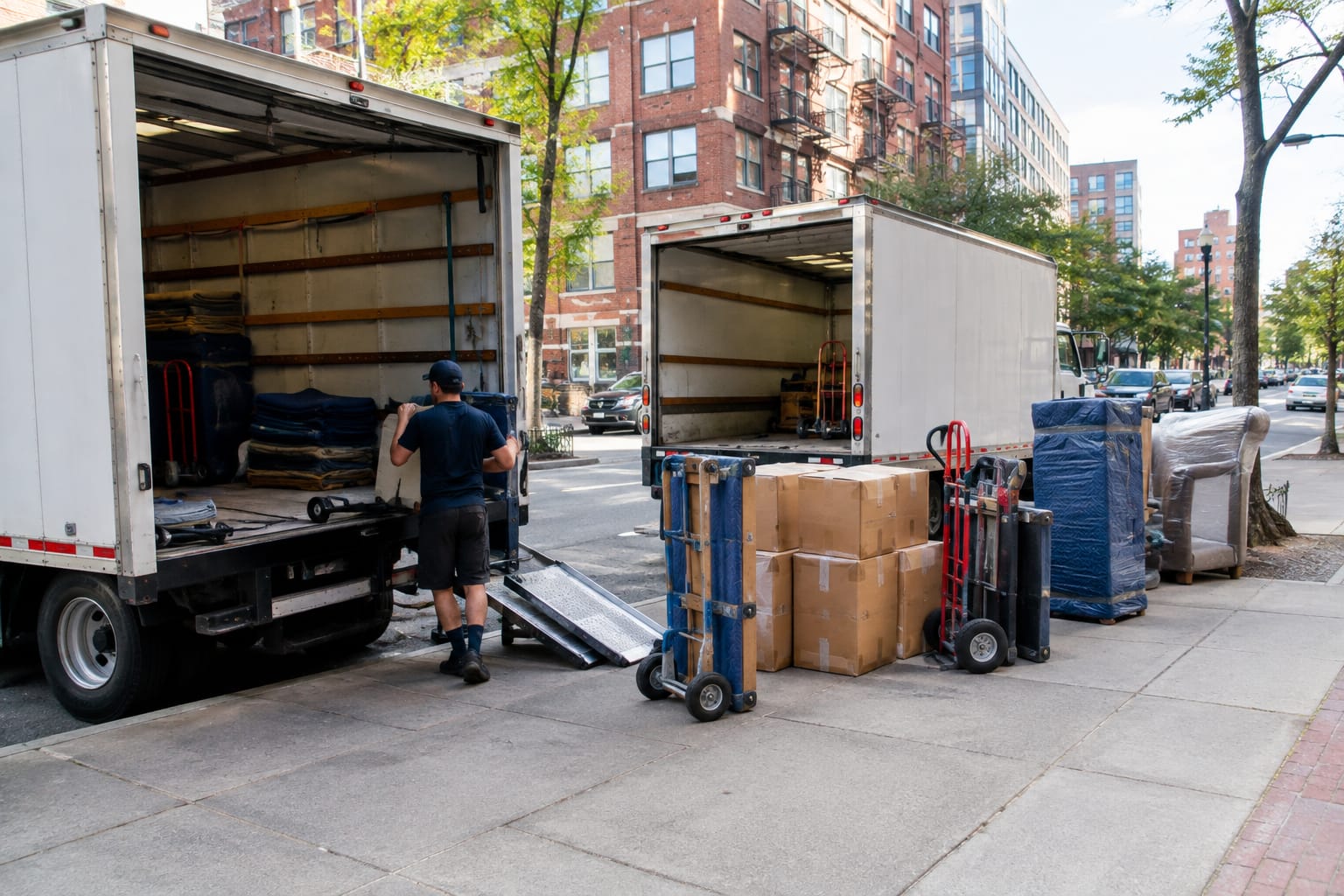
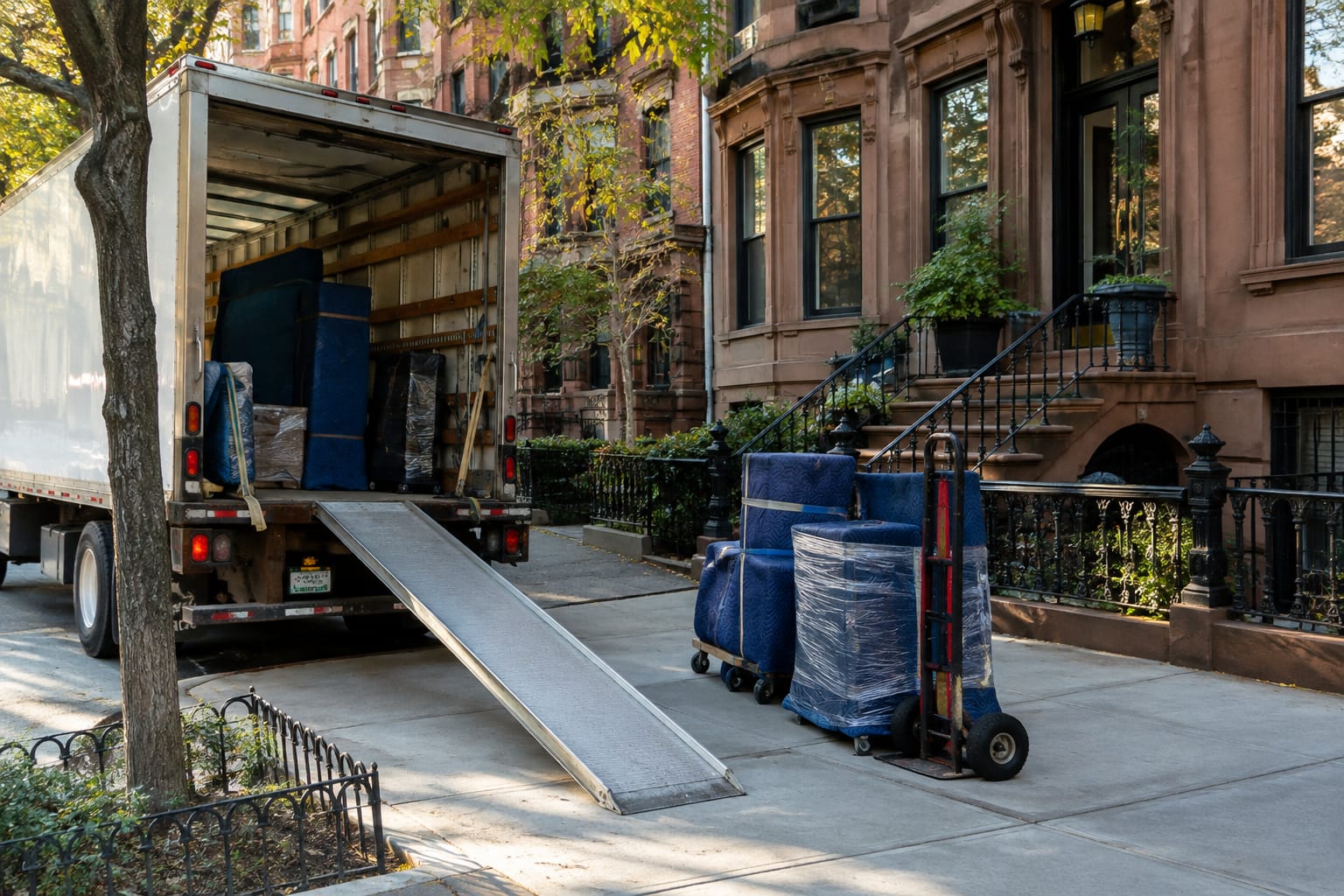
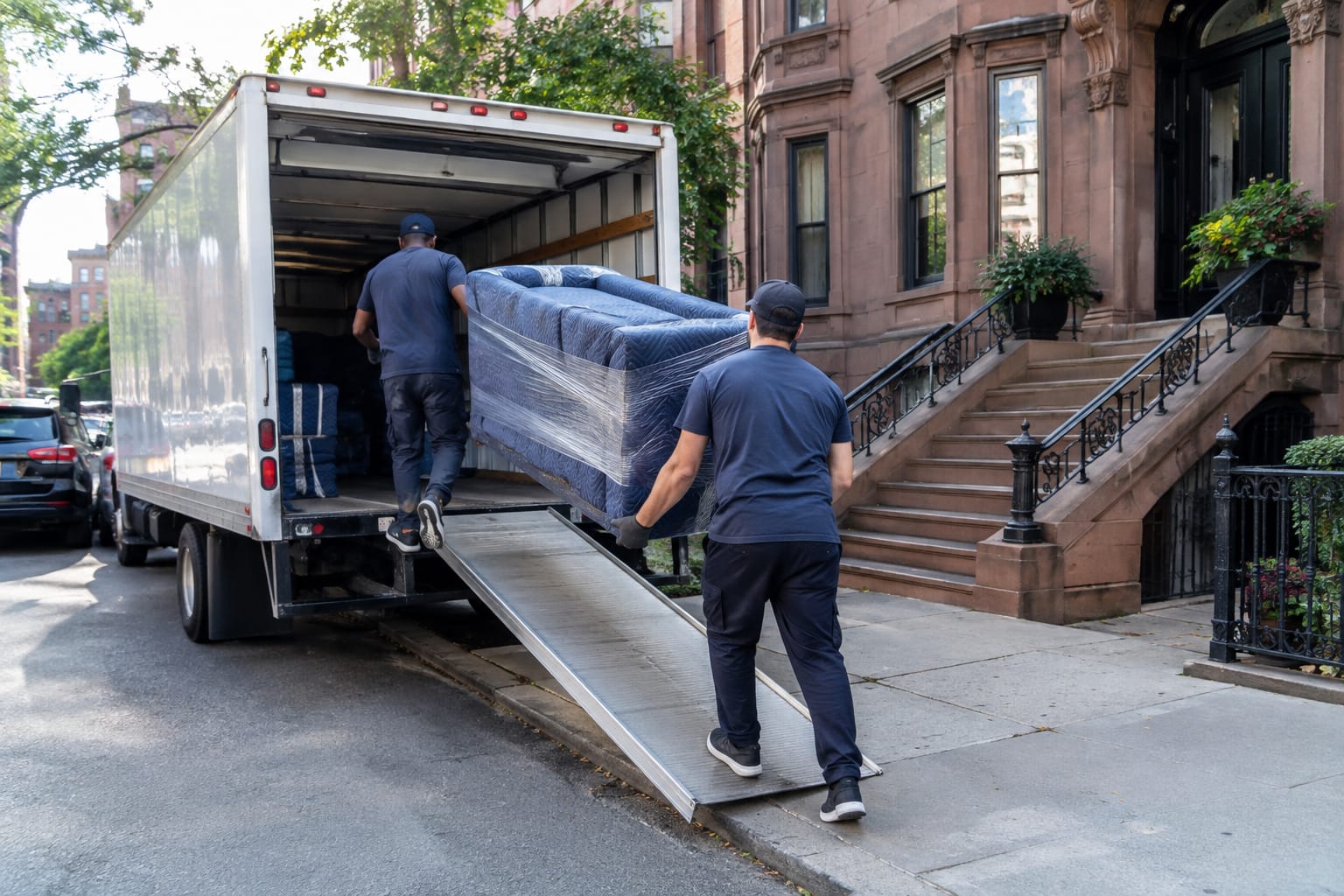
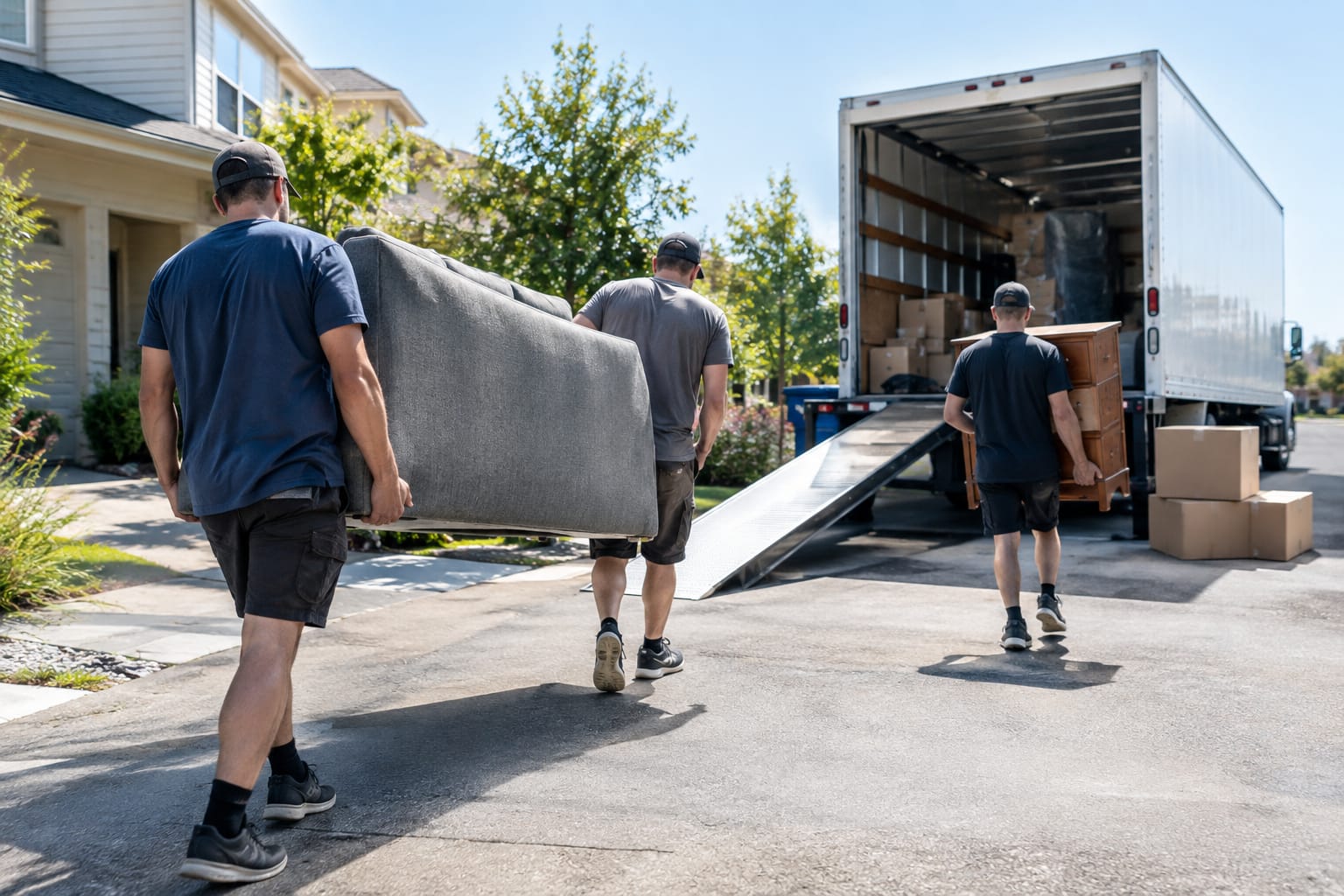
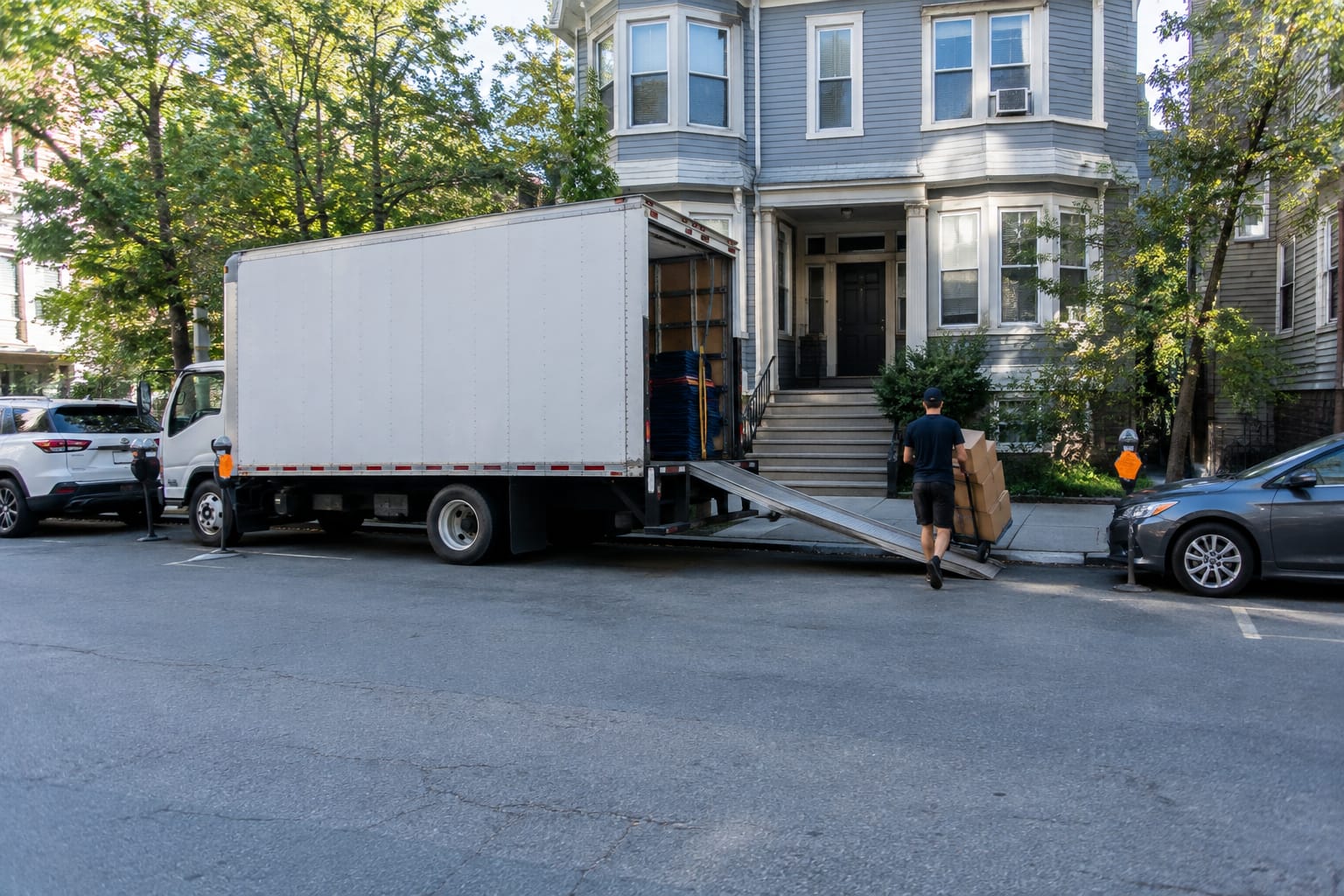
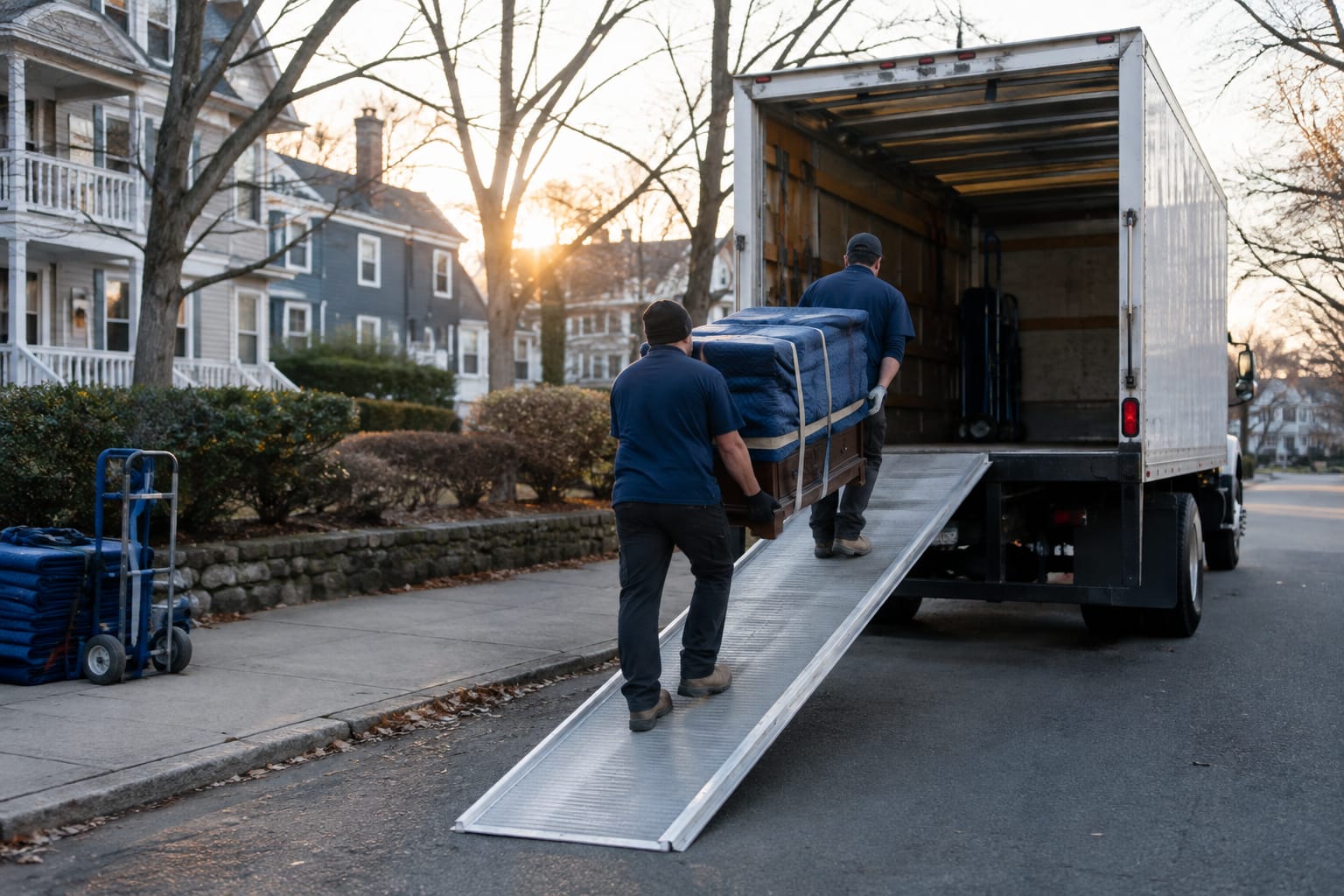
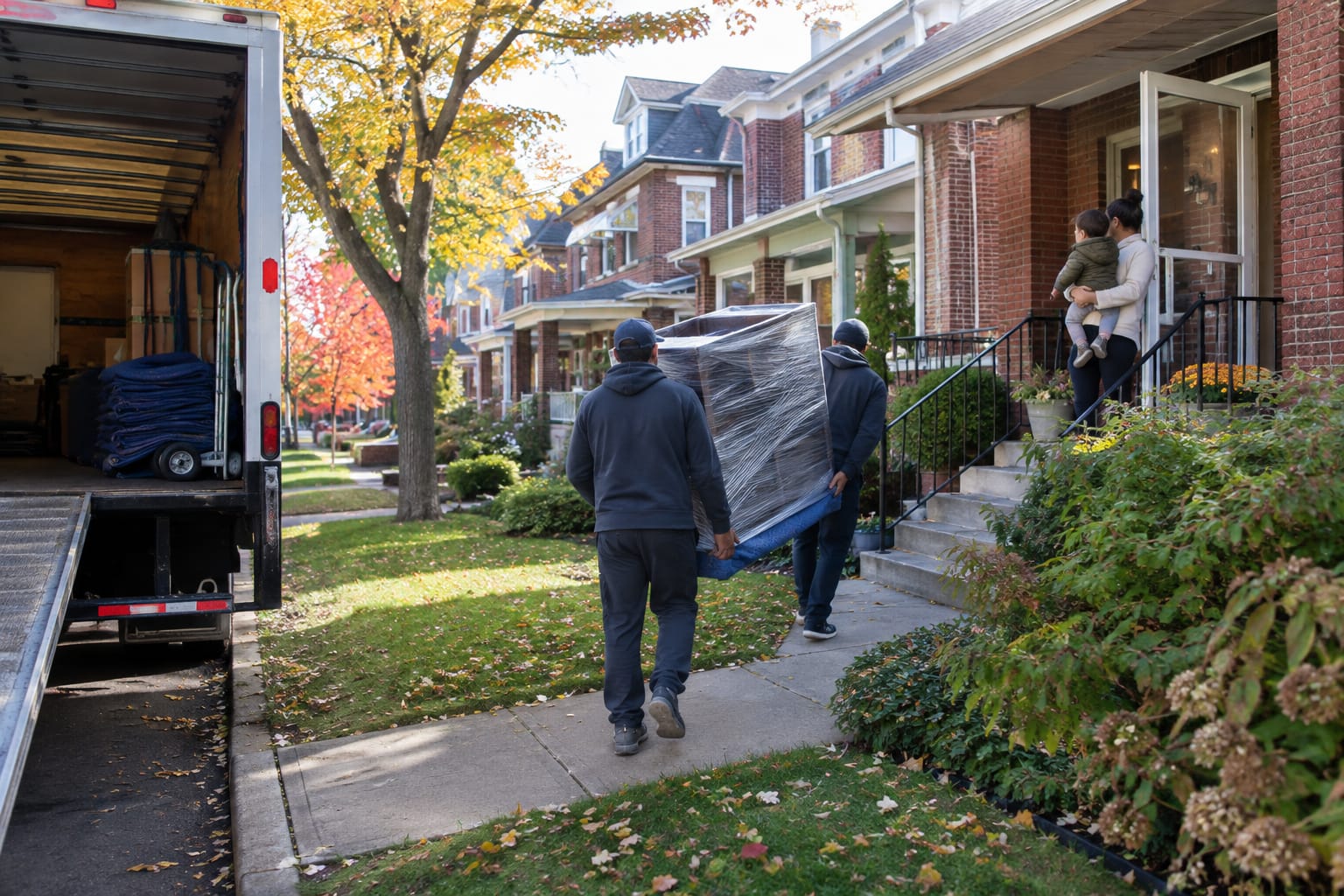
Furniture blankets are thick, padded quilts that wrap large items to prevent scratches, dents, and upholstery damage, while dollies and straps let you move that furniture safely. Most home moves need 6 to 12 blankets and at least one dolly.
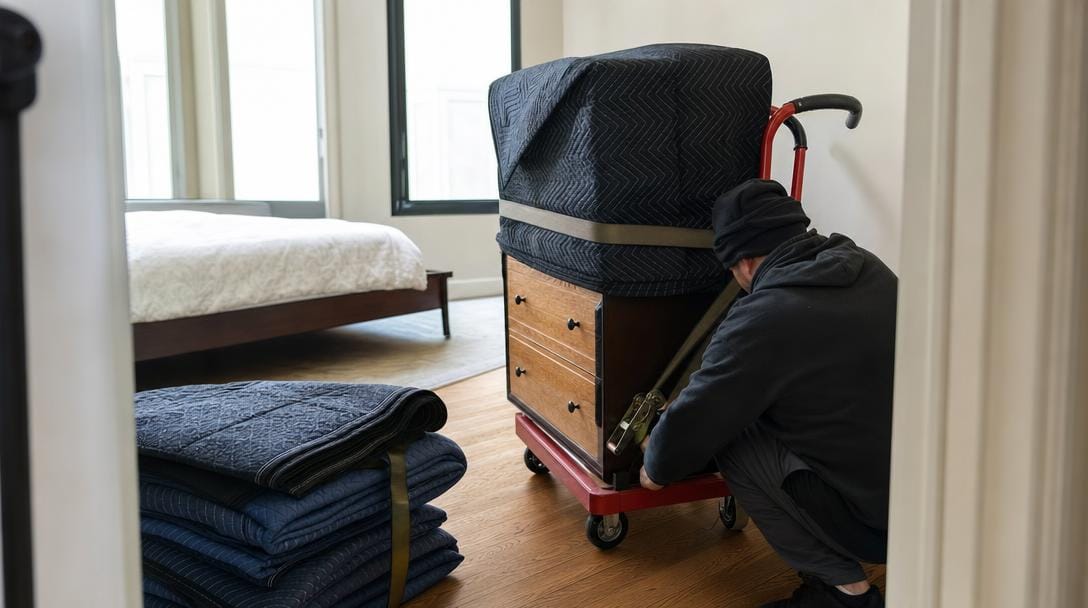
Moving dollies do the heavy lifting your back shouldn't. A four-wheel furniture dolly rolls dressers and appliances, while a two-wheel hand truck handles boxes stacked five high in a single trip.
Protecting large pieces matters more than people expect, because damage claims on furniture add up fast. Under federal rules, basic released-value protection on interstate moves pays only 60 cents per pound per article — meaning a 40-pound flat-screen might reimburse at just a few dollars if it isn't wrapped properly. Prevention is the only real protection.
Essential furniture-moving gear:
- Furniture blankets: wrap wood and upholstered pieces.
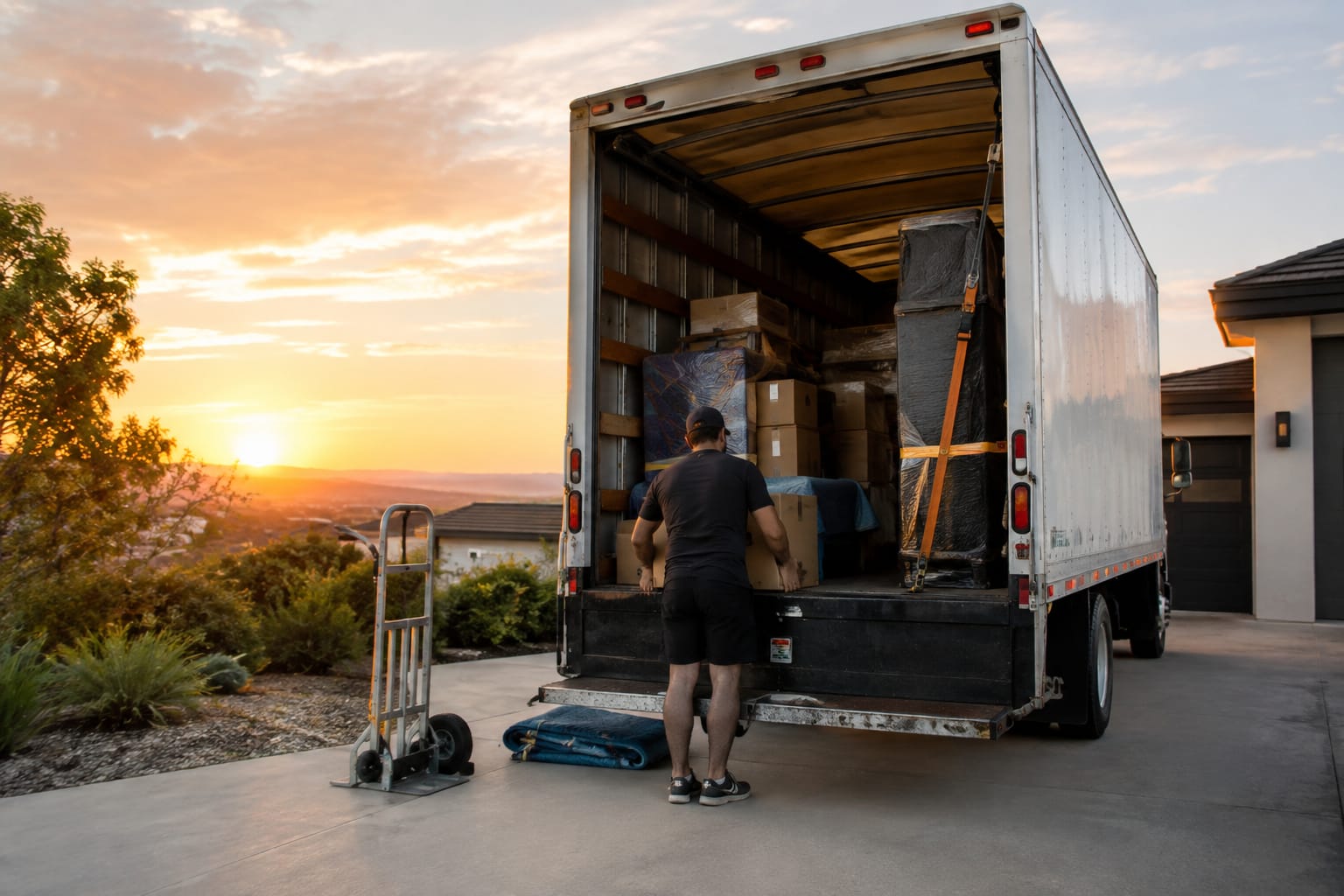
- Moving straps/ratchet tie-downs: secure loads inside the truck.
- Furniture dolly (4-wheel): heavy dressers, appliances, safes.
- Hand truck (2-wheel): stacked boxes and tall items.
- Stretch wrap: hold blankets and drawers in place.
Before you wrap anything, disassemble what you can — legs, shelves, and bed frames. This guide on how to prepare furniture when relocating walks through the sequence step by step.
Labels, Markers, and Organizing Tools
Labels and markers turn a truck full of identical brown boxes into an organized unload where every box lands in the right room. This one habit saves hours on the receiving end.
Write the destination room and a short contents note on at least two sides of every box, plus the top. Color-coded labels — one color per room — let the crew unload without asking you a single question.
A complete labeling kit includes:
- Permanent markers in two colors (dark and one accent).
- Color-coded stickers or colored tape by room.
- "Fragile" and "This Side Up" labels for delicate boxes.
- A master inventory list numbering each box.
Numbering boxes and keeping a matching list is the fastest way to know instantly if anything is missing. For the wider system that ties packing and labeling together, see how to pack things when moving a house.
How Many Moving Supplies You Need by Home Size
Box counts scale with home size: a studio needs roughly 10 to 15 boxes, while a four-bedroom house can require 90 or more. Use the table below as your baseline, then adjust for how much you own.
The biggest budgeting error is guessing low. Running out mid-pack forces a late-night store run and rushed, sloppy boxes. Order 10 to 15 percent more boxes than you think you need — clean, unused ones are easy to return or reuse.
| Home Size | Total Boxes | Tape Rolls | Bubble/Paper |
|---|---|---|---|
| Studio | 10–15 | 2–3 | 1 roll / 3 lbs |
| 1-bedroom | 15–25 | 3–4 | 1 roll / 5 lbs |
| 2-bedroom | 25–40 | 4–6 | 1–2 rolls / 7 lbs |
| 3-bedroom | 40–65 | 6–8 | 2 rolls / 10 lbs |
| 4+ bedroom | 65–100+ | 8–12 | 2–3 rolls / 12+ lbs |
Q: How many boxes do I need to move a three-bedroom house?
A: A three-bedroom house typically needs 40 to 65 boxes across all sizes, plus 6 to 8 rolls of tape and roughly 10 pounds of packing paper.
One shortcut worth knowing: many crews bring supplies with them. If you'd rather not buy everything yourself, read do moving companies provide boxes before you order a thing — it explains what's usually included, rented, or sold. Knowing this changes how many boxes to move you actually need to purchase.
Where to Buy Moving Supplies (and How to Save)
The best places to buy moving supplies are home-improvement stores, big-box retailers, online marketplaces, self-storage facilities, and moving companies themselves. Prices vary widely, so comparing a few sources before you commit usually pays off.
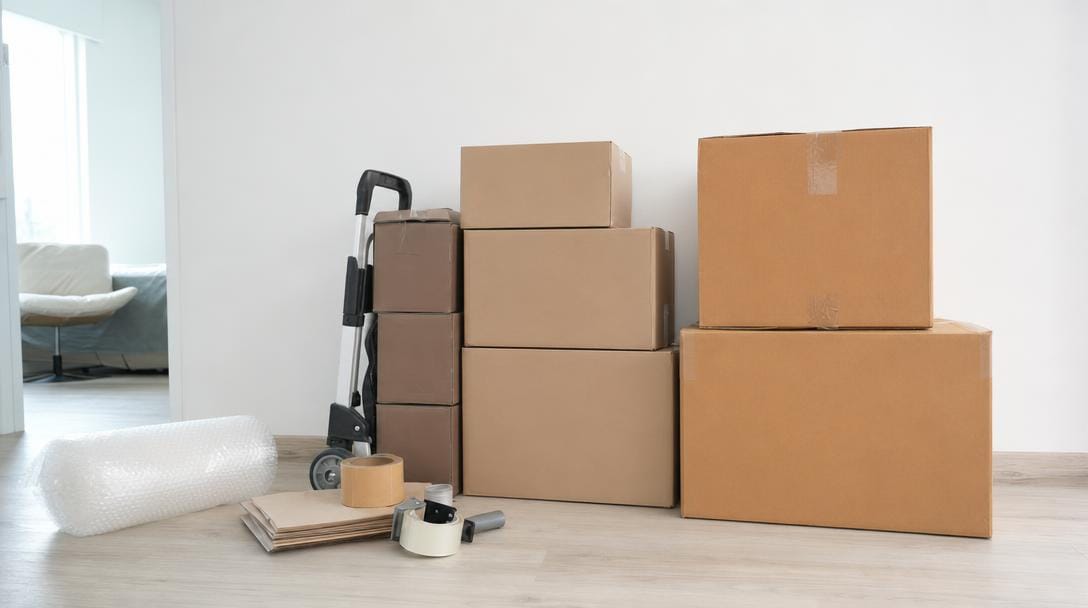
For the best place to buy moving supplies, weigh convenience against cost. Bundled moving kits are simplest; sourcing individual items and free boxes is cheapest. Here's how the main options compare:
| Source | Price Level | Best For |
|---|---|---|
| Home improvement / big-box | Moderate | One-stop shopping, kits |
| Online marketplaces | Low–moderate | Bulk boxes, bubble wrap |
| Self-storage facilities | Moderate | Last-minute, dish-packs |
| Moving companies | Varies | Convenience, blankets/dollies |
| Free sources (stores, neighbors) | Free | Standard boxes on a budget |
The secret to cheap moving supplies is mixing paid and free. Buy specialty items new — dish-packs, wardrobe boxes, quality tape — and source standard boxes free from grocery stores, liquor stores, and community groups. After the move, keep the cycle going: reuse or recycle your boxes instead of tossing them, and pass usable ones to the next mover.
Pro Tip: Ask retailers for their delivery-day cardboard before it's flattened. Liquor and grocery stores discard sturdy, uniform boxes daily, and many will set them aside if you call ahead — a free alternative to buying 20 small boxes.
Still unsure exactly which items your specific move calls for? This checklist on what packing supplies do I need for moving narrows it down by scenario. When you know where to buy moving supplies and how to blend free and paid sources, a full moving supplies checklist costs far less than most people expect.
Related Articles
- All My Sons Moving Company: Reviews and Alternatives — Learn how a national mover stacks up and what alternatives to weigh.
- PODS Moving Cost vs Full-Service Movers: Price Compared — See how container moving compares on price against full-service crews.
- Two Men and a Truck Moving Company: Reviews and Alternatives — Understand this company's service model and comparable options.
- Movers Near Me: How to Find Reliable Local Movers — Get a practical method for vetting and choosing trustworthy local movers.
- Top Houston, TX Moving Companies and How to Choose — Learn what to look for when comparing movers in a major metro market.
Recommended Reading
- List of essential packing materials and supplies for moving house or flat
- Do Moving Companies Provide Boxes?
- How to use moving boxes like a professional moving crew
- How to Pack Fragile Items
- 5 Smart Ways to Reuse or Dispose of Moving Boxes After Moving
Frequently Asked Questions