Moving valuation coverage sets the most a mover owes you if your belongings are lost or damaged. It is a liability limit, not an insurance policy. For interstate moves, federal guidance describes two levels: Released Value Protection, which caps payment at $0.60 per pound per article, and Full Value Protection, which makes the mover liable for replacement value.
The gap between those two levels is wide. Most post-move disputes start because nobody read the valuation line on the paperwork. This guide explains how each level works, where the limits sit, when separate insurance makes sense, and how to file a claim.
Valuation Is Not Insurance: What the Term Actually Means
Valuation is the carrier's liability limit. It defines how much the moving company accepts responsibility for, under its tariff (the published rules and rates a mover operates under). Insurance is a separate contract with an insurance company, with its own terms, exclusions and deductibles.
The level you choose gets recorded on two documents. The order for service authorizes the mover to transport your goods. The bill of lading is the receipt and contract for the shipment, and it states the valuation level.
For interstate moves, movers must give you the FMCSA booklet Your Rights and Responsibilities When You Move. It explains valuation, estimates and claims in plain terms. Read the valuation section before moving day, not while the crew waits for a signature.
Moves that stay inside Massachusetts follow state rules rather than federal interstate rules. Ask the mover which tariff applies to your local move and how its liability works.
Released Value Protection: How $0.60 per Pound Works in Practice
It comes at no additional charge, and the mover's liability is limited to no more than $0.60 per pound, per article, under the federal household goods rules.
The formula is simple: item weight × $0.60 = maximum payout. Value, age and replacement cost do not enter the calculation. Weight is the only variable.
Here's a hypothetical example. A 50-pound TV that cost $1,200 gets damaged in transit. Under the per-pound limit set out in the federal consumer booklet text, the most the mover owes is 50 × $0.60, or $30.
Q: How much would I get for a damaged 50-pound TV under released value protection?
A: At most $30, because the cap is weight multiplied by $0.60 per pound per article.
The math hurts most with light, valuable items. Laptops, artwork, lamps and small electronics weigh little, so the payout stays tiny. Heavy, inexpensive items, like a particleboard bookcase, come closer to their real value.
Full Value Protection: Replacement Value Up to Your Declared Value
Under Full Value Protection, the mover is liable for the replacement value of lost or damaged goods. The FMCSA booklet describes this level and how it differs from the basic option.
Three points matter in practice:
-
It costs extra. The price depends on the declared value and on any deductible you choose. Get the cost in writing before you book.
-
Settlement terms live in the paperwork. How a mover resolves a claim under this level is set by federal rules, its tariff and your bill of lading. Read that section before you sign, and ask questions about anything unclear.
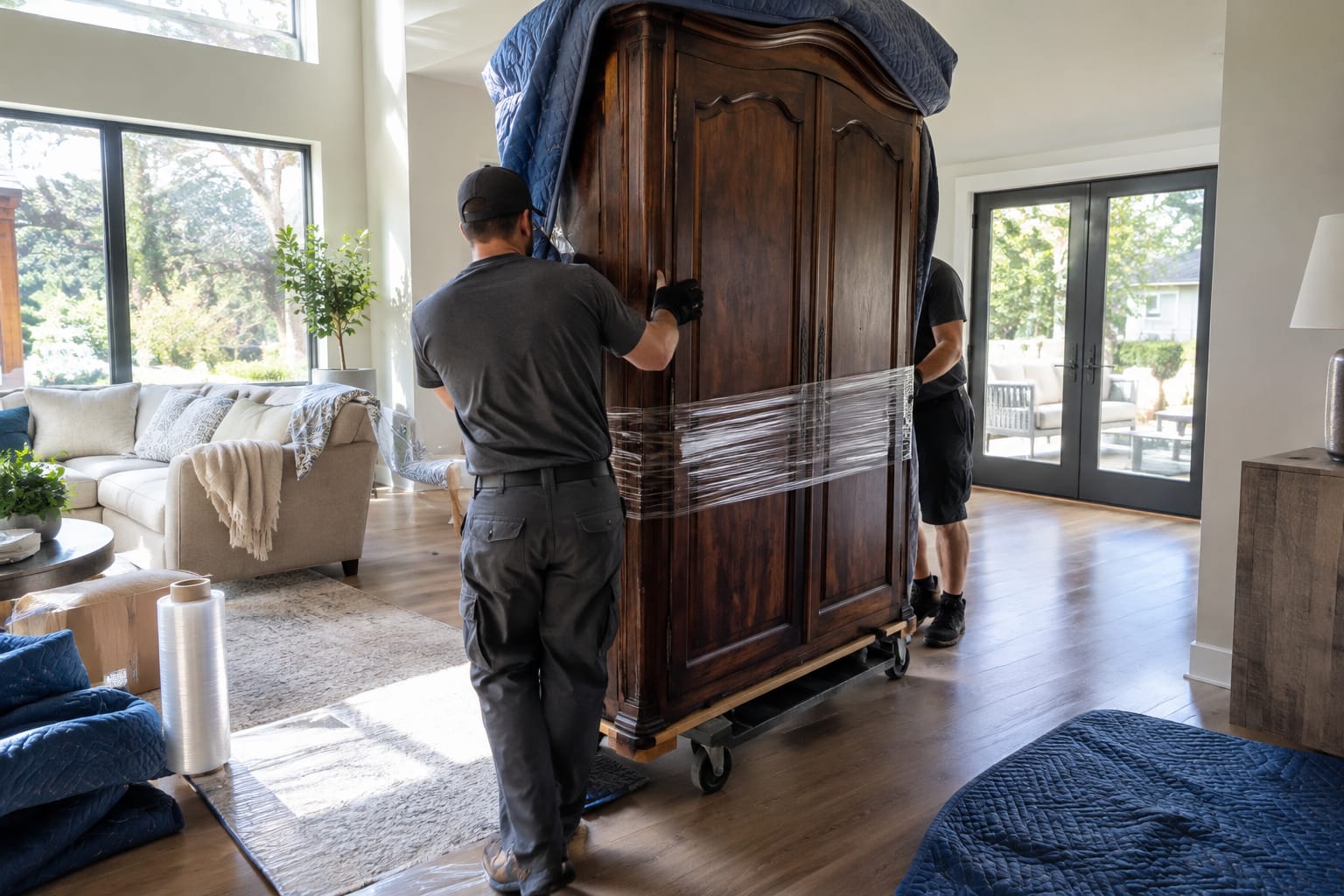
An honest inventory makes declared value meaningful. Walk room by room and estimate what it would cost to replace furniture, electronics and appliances today, not what you originally paid.
Side-by-Side: Released Value vs Full Value Protection
The table compares the two federal valuation levels for interstate household moves.
| Feature | Released Value Protection | Full Value Protection |
|---|---|---|
| Cost to you | No additional charge | Extra; varies by declared value and deductible |
| Maximum liability | $0.60 per pound, per article | Replacement value, up to total declared value |
| Depends on item value | No, weight only | Yes |
| Paperwork | Valuation level selected on the bill of lading | Declared value plus a written list of high-value items |
| Is it insurance? | No | No |
| Typical fit | Light loads of low-value items | Households with valuable furniture, electronics or heirlooms |
What does this mean for your decision? If replacing your belongings would strain your budget, the basic level leaves a large gap. If most of your goods are inexpensive and heavy, it may be enough.
High-Value Items, Self-Packed Boxes and Other Common Limits
Even Full Value Protection has limits. These are the ones that catch people most often.
Items of extraordinary value
Under Full Value Protection, a mover may limit its liability for items of extraordinary value unless you specifically list them on the shipment documents. Ask for that definition in writing and list every qualifying item before loading.
Self-packed boxes and specialty items
Check the tariff before deciding between DIY and professional packing. If you pack, follow guidance on packing fragile items properly and use the right materials from this list of essential packing supplies.
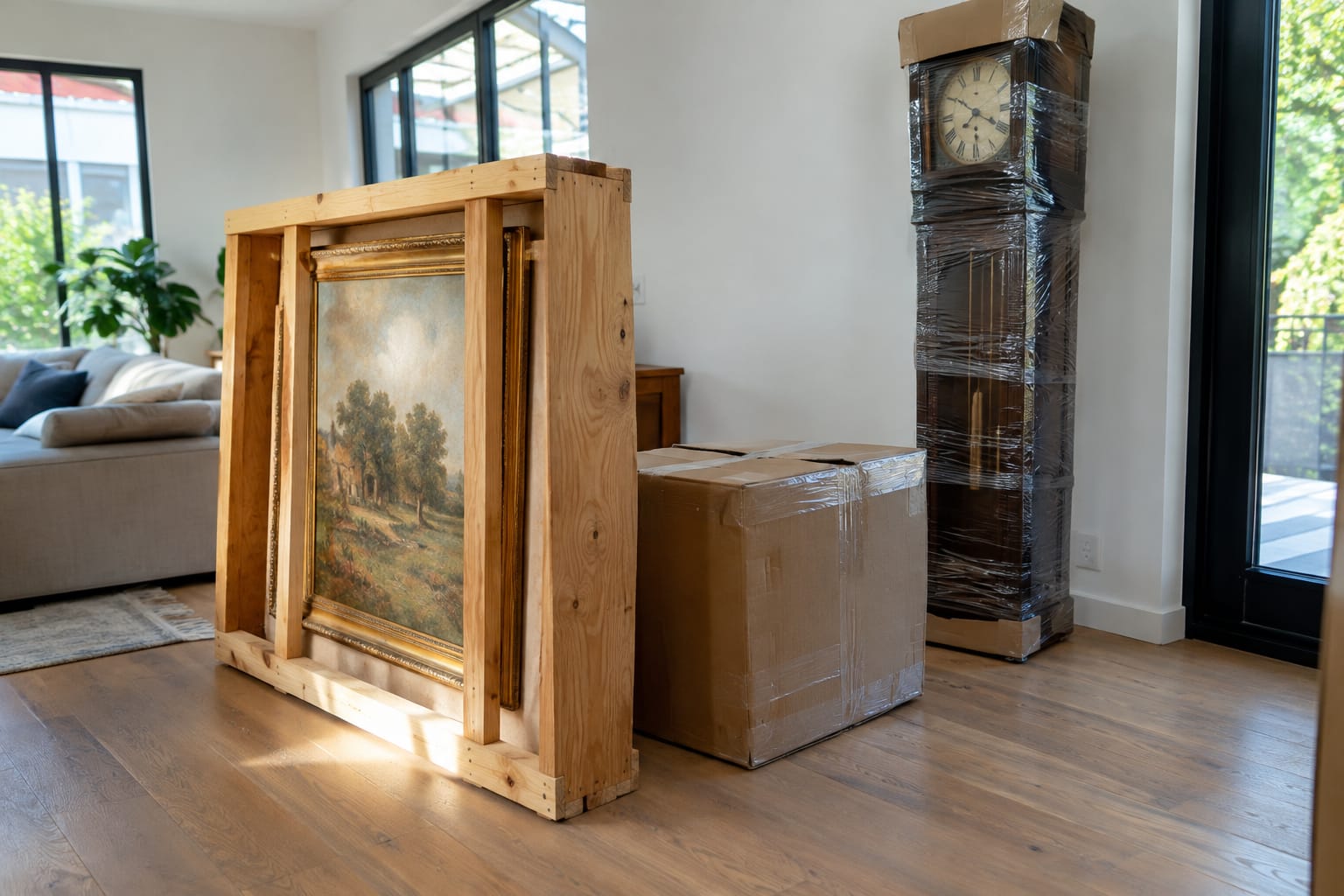
Heavy specialty pieces deserve separate attention. Review how to prepare furniture before relocating before you finalize your inventory.
Deductibles and items to keep with you
Some movers offer Full Value Protection at more than one deductible level. A higher deductible lowers the price but means you absorb small losses yourself.
Cash, jewelry, important documents and medications should travel with you, not on the truck. Hazardous materials and perishables generally do not belong in a household shipment at all.
Separate Insurance Options: Homeowners, Renters and Third-Party Policies
Valuation covers the mover's responsibility. Insurance can fill gaps the mover is not responsible for.
- Homeowners or renters policy. Some policies cover belongings in transit; many limit or exclude it. Call your agent and ask about in-transit coverage, exclusions, sub-limits for valuables and the deductible.
- Third-party moving insurance. An insurer, not the mover, issues this policy. Confirm whether it pays first or only after the mover's valuation, and whether it requires a licensed carrier.
- DIY and loading help. If you rent your own truck and hire labor-only movers loading your own truck, the transport is yours. Ask the loading crew what its liability covers, and review the rental company's own protection options.
The key question for any policy: does it cover damage caused by handling, or only events like fire, theft and collision? The answer decides whether it complements valuation or duplicates it.
Need help with this? Get a quote
How to File a Moving Damage Claim
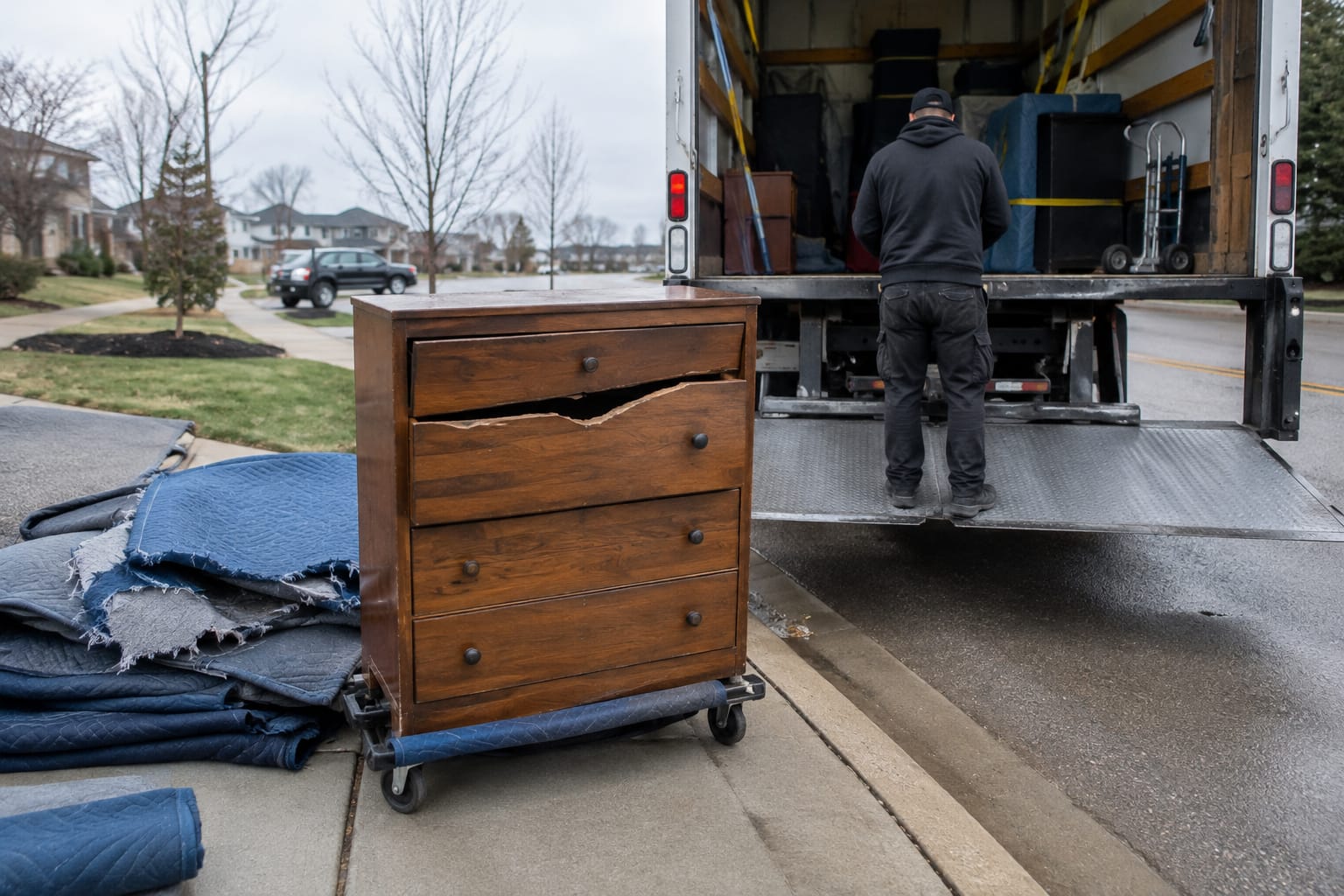
For interstate moves, you have 9 months to file a written claim. Do not let anyone tell you the legal deadline is shorter.
Q: How long do I have to file a claim after an interstate move?
A: Under 49 U.S.C. § 14706, interstate movers must allow at least 9 months from delivery to file a written loss or damage claim.
Filing early still helps. Evidence is fresher and the mover can inspect sooner. Follow these steps:
- Inspect at delivery. Note visible damage or missing items on the inventory or delivery receipt before you sign.
- Document everything. Photograph damage, labels and packaging from several angles.
- Keep the evidence. Hold onto damaged items and packing materials until the mover has had a chance to inspect them.
- Submit the claim in writing. Confirm the current requirements for what a claim must include with the relevant authority.
- Track the timeline. Confirm the current deadlines for the mover's response with the relevant authority.
- Use arbitration if needed. Confirm the current dispute settlement options with the FMCSA.
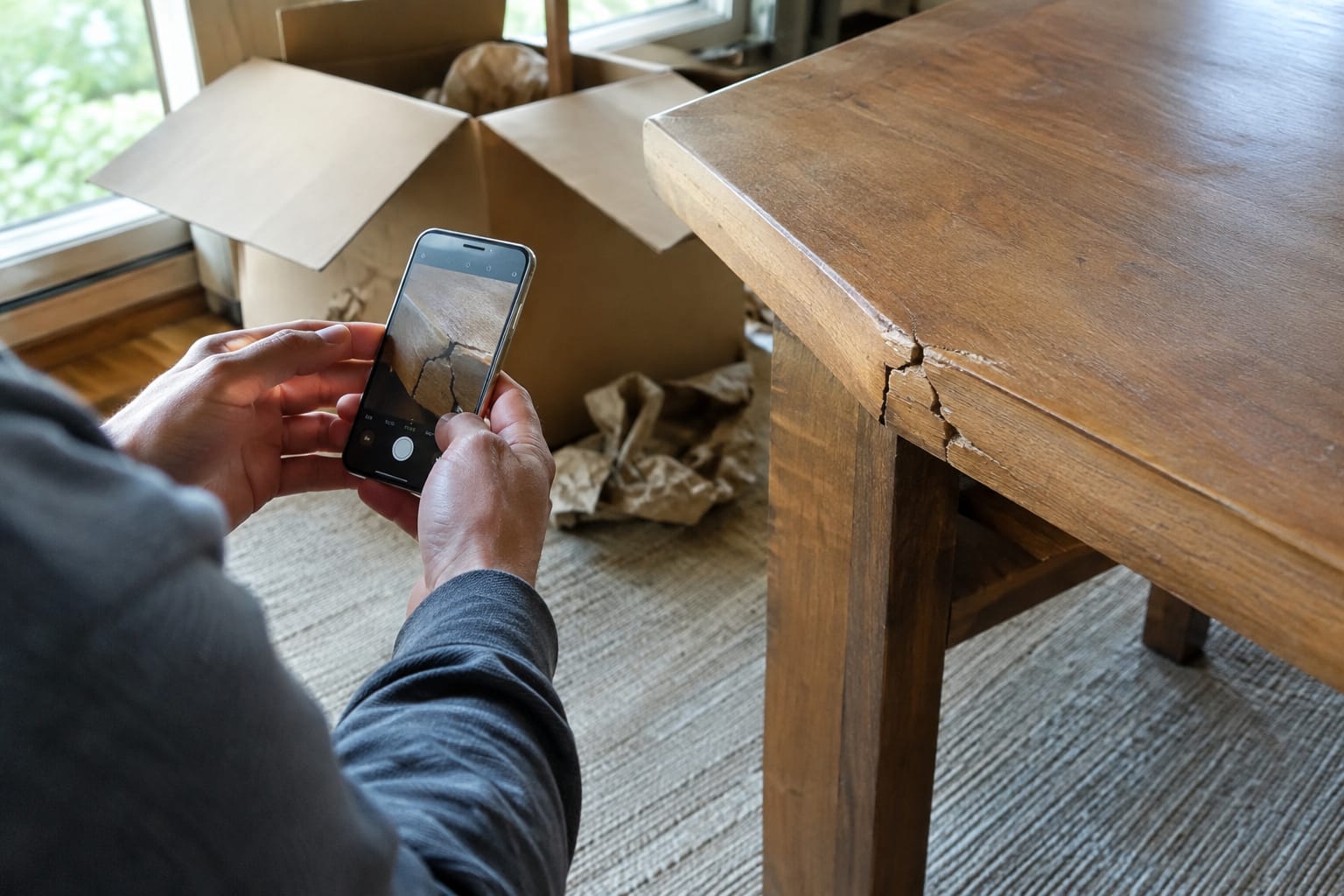
The amount you recover depends on the valuation level on your bill of lading. That is why the decision before the move matters more than anything you do after it. For local moves within Massachusetts, ask the mover for its claims procedure and confirm the applicable rules with the Massachusetts Department of Public Utilities.
What to Confirm in Writing Before You Book
Get valuation details on paper before moving day. Use this checklist with every company you consider:
- Which valuation level the quote includes, and the cost of upgrading
- The declared value and any deductible options
- The tariff's definition of items of extraordinary value
- How self-packed boxes are treated
- The mover's federal registration, which you can verify when you check a mover's USDOT number
If a company calls basic liability insurance or refuses to put valuation in writing, walk away. This guide on how to avoid moving scams covers other warning signs, and this list of questions to ask when hiring a moving company helps structure the conversation. For broader vetting, see how to find a reputable moving company.
For instance, Born to Move's hourly local rates and flat-rate long-distance quotes include basic released value protection at $0.60 per pound; additional coverage is optional and costs extra, and packing supplies are billed separately. The company is licensed and insured under USDOT 2887241, MC 985934, MA DPU 31826 and Illinois ICC 244189.
When comparing interstate moving services, compare total cost including any valuation upgrade, not just the base quote. This breakdown of how much movers cost helps put those numbers in context.
Key Takeaways
- Valuation is not insurance. It is the mover's liability limit, recorded on the bill of lading.
- Released Value pays by weight only. The cap is 60 cents per pound per article under federal household goods rules, whatever the item cost.
- Full Value Protection costs extra and pays replacement value up to your declared value.
- List high-value items in writing, or the mover may limit liability for them.
- Interstate claims get at least 9 months under federal law; file in writing with a specific amount.
What are red flags about valuation when hiring movers?
Warning signs include calling basic per-pound liability full insurance, refusing to state the valuation level in writing, asking you to sign incomplete documents, and having no verifiable USDOT number for an interstate move. A reputable mover explains both valuation levels and their cost before booking.
Do valuation rules differ for a local move inside Massachusetts?
Yes. The federal Released Value and Full Value Protection rules apply to interstate moves.
Written by Born to Move Team
Related Articles
- What to Know About Interstate Moving — the basics of planning a move across state lines.
- How Interstate Moving Companies Determine the Cost of Your Move — the factors behind a long-distance quote.
- Help Loading a U-Haul in Boston: How Labor-Only Movers Work — how hourly loading help works when you drive the truck yourself.
- 8 Common Issues With Moving and How to Avoid Them — frequent moving problems and how to prevent them.
Useful Links
- Interstate Moving Services
- How to Check a Moving Company's US DOT Number
- How to Avoid Moving Scams
- Get a Moving Quote
Need help with this? About us · Get a quote · Call (617) 903-2609
Frequently Asked Questions